Everything You Need to Know About the Ketogenic Diet

Quick Answer
A true ketogenic diet is a complete change of lifestyle, from consuming high carbs, sugary starchy foods to eating those that are low in carbs, high in good fats and with a moderate protein intake.
The trick to a keto diet is finding the right balance that puts your body into ketosis.
Key Takeaways
- The ketogenic diet was initially used for the treatment of epilepsy in 1921 and is still effective even today for patients who are resistant to some certain medication.
- Ketosis turns your whole body into a fat burning machine by switching from glucose to ketones making it the primary source of energy.
- The benefits goes far beyond just weight loss alone, other benefits includes diabetes reversal, cancer treatment support, and improved neurological function.
- The Keto diet is only restrictive if you make it boring. There are varities of good foods to choose from when done properly.
Table of Contents
Hippocrates and the Bible agreed on one thing – fasting is a treatment form for seizures.
However, fasting is not something that can be done for long periods, not without causing serious and lasting damage.
In 1921, Dr R M Wilder proposed that a high fat, low carbohydrate diet could be used to mimic the effects of fasting and testing was carried out.
The results were a huge success on a number of patients with epilepsy.
Unfortunately, it wasn’t long before the chemical companies took over and flooded the market with drugs such as phenobarbital and phenytoin, which caused interest in the diet to fade.
However recently, the ketogenic diet has become a hot topic again due to around 20-30% of epileptic children becoming resistant to antiepileptic drugs.
Despite the introduction of new drugs in the 1990’s, nothing has changed the fact that several of those who suffer with seizures are still resistant to treatment, and therefore interest in this type of diet continues to rise.
Additionally, it’s been shown that the ketogenic diet is not only useful in treating seizures but it’s also a great diet for weight loss.
This has prompted many people to try it over the past few years in an effort to lose weight.
Epileptic children who become resistant to antiepileptic drugs
What is the Ketogenic Diet?
Most people assume that all low carbohydrate diets are classed as ketogenic but that isn’t the case.
The way to determine if a diet is ketogenic is how low the carbohydrate count is.
While a small reduction in the amount of carbohydrates they take in can be helpful to some people, it won’t by any stretch be a ketogenic diet.
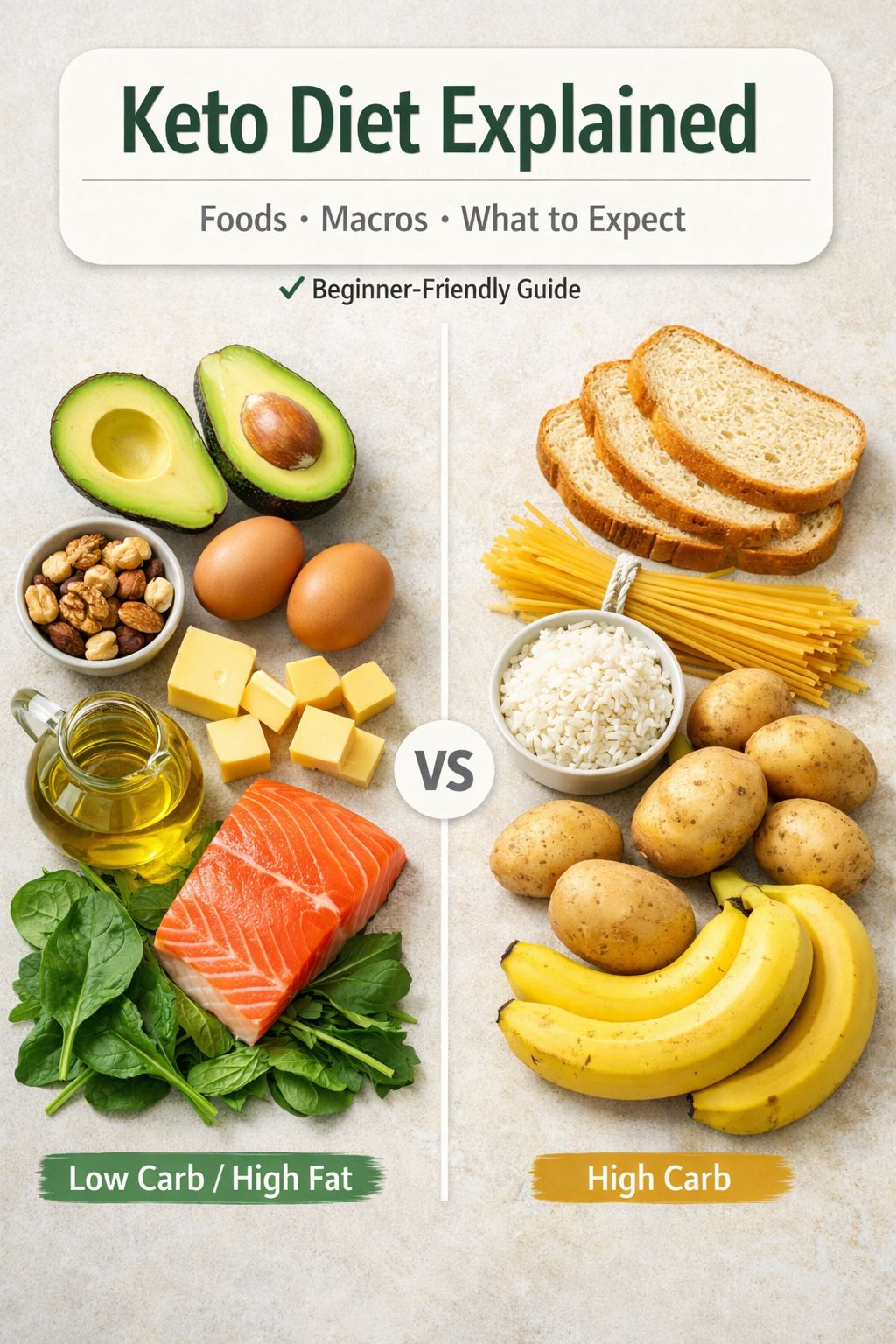
A true ketogenic diet is a complete change of lifestyle, from consuming high carb, sugary starchy foods to eating those that are low in carbs, high in good fats and with a moderate protein intake.
The automatic assumption is that all low carb diets are high in protein but, again, this isn’t true.
Proteins and fats are not necessarily one and the same thing although some foods can be classed as both.
The trick to a ketogenic diet is finding the right balance that puts your body into ketosis, which I will talk about more a bit later.
How Does the Ketogenic Diet Work?
In the same way that a vehicle needs gas or diesel, our bodies need fuel too.
A “normal” western diet is made up mostly of carbohydrates.
Carbs are broken down when they are digested into blood sugar, or glucose.
The more carbs we consume, the more glucose is manufactured.
As any diabetic will tell you, too much sugar in the blood is bad for the body.
What also happens is this – our bodies’ burn glucose as an energy form but we can only use so much of it.
The rest is stored up for a time when our bodies go into survival mode and need that energy.
That rarely happens these days so the glucose continues to store as fat, normally around the middle section.
By cutting down the carbohydrates and increasing our good fat intake, we are forcing our bodies to look for an alternative form of energy and that form happens to be fat.
When someone says to you, you need to eat fat to burn fat, they are speaking the truth – the more fat you eat, the less carbohydrates, the more fat you will burn.
That switch to burning fat instead of sugar causes ketone bodies to be formed in the blood while at the same time reducing the level of sugar.
As the glucose reduces and the ketone bodies increase in number, they become that alternative form of energy.
This is known as ketosis.
More About This Ketosis
In a nutshell, ketosis is when the body has insufficient glycogen in the liver and ketones are formed instead.
Glycogen is fuel made from carbohydrates; ketones are fuel made from fat.
If one form of energy disappears, we look to another and that’s exactly what the human body does.
When you go into ketosis, you turn into a lean fat burning machine and this is why ketogenic diets are touted as one of the world’s best form of weight loss diets.
Ketones are not just used as running energy for our bodies though.
The brain uses ketones instead of glucose, which is why many people on a ketogenic or low carb diet report that they are thinking clearer and they have much better concentration levels.
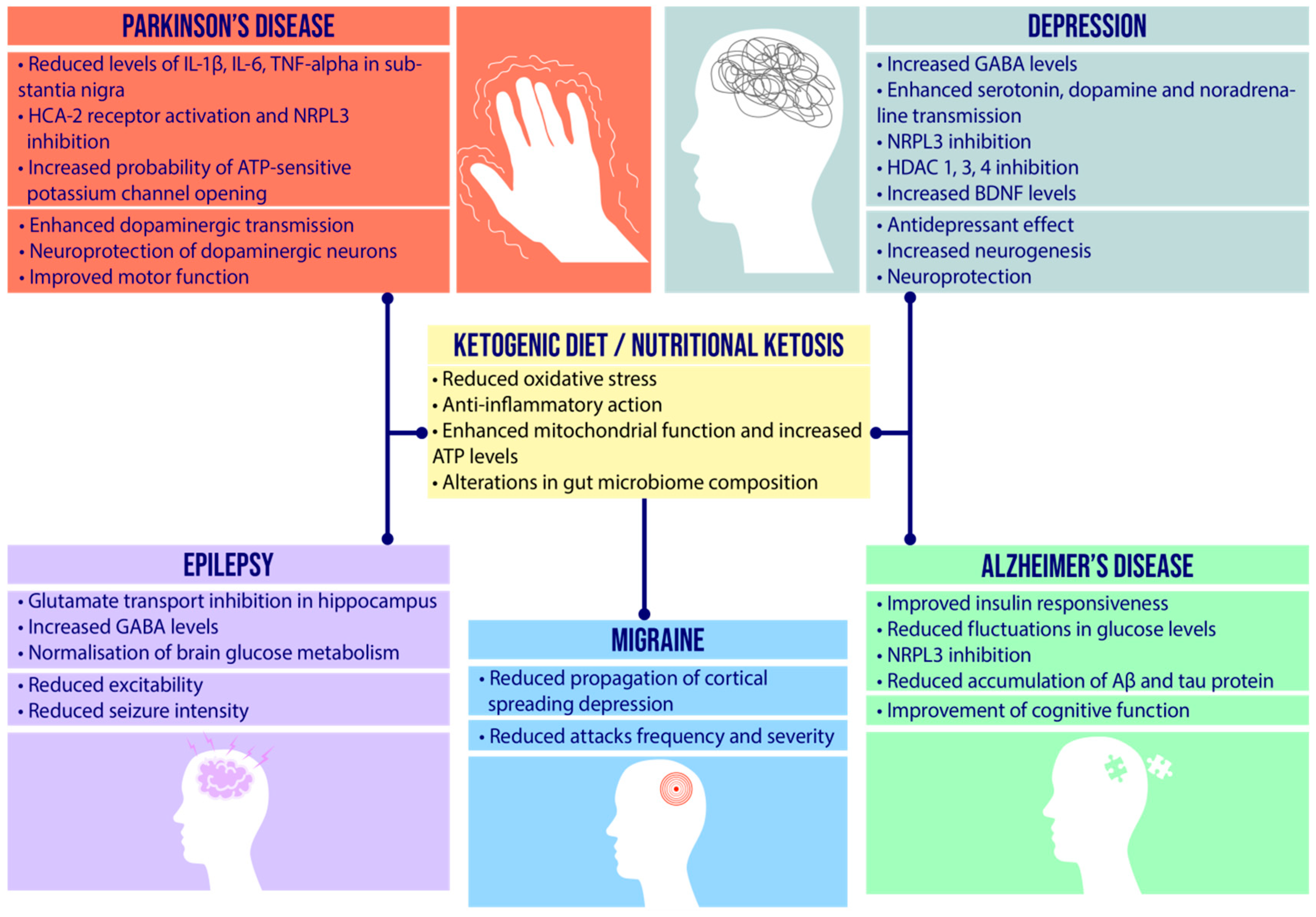
Benefits of the Ketogenic Diet
What Are the Benefits of a Ketogenic Diet?
Aside for the weight loss, ketogenic diets actually have some pretty amazing benefits.
As we already learned, the original ketogenic diet was used to treat epilepsy and still is today.
Being in ketosis can have a beneficial effect on many more serious diseases as well and this is down to the anti-inflammatory and antioxidant nature of ketosis.
There are currently in depth studies going on to study ketones and ketosis as a form of treatment for a number of metabolic diseases.
So far the evidence and the research points to ketogenic diets being:
- Effective in the treatment for diabetes. Some studies show that switching to a ketogenic diet plan can help to reverse both prediabetes and Type 2 diabetes.
- Useful in the fight against cancer. Certain formats of the ketogenic diet have been shown to actually push cancer into remission.
- Used to treat epilepsy and reduce, if not eliminate, instances of seizures.
- Useful in the fight against Alzheimer’s – remember, we said that many advocates of these diets report better memory and concentration.
- Helpful in reversing heat disease and in causing an improvement in the risk factor for cardiovascular disease.
- Used to alleviate symptoms of autism.
- Used to treat acne, particularly serious cases.
- Extremely useful in providing support for neurological disorders like Parkinson’s, Multiple Sclerosis and ALS.
In other words, under no circumstances should a ketogenic diet ever be classed as nothing more than a fad diet.
Research shows it to be one of the most effective diets in the world today.

Are There Any Other Benefits?
Oh yes, the list of benefits to a ketogenic diet goes on and on.
The top 10 benefits to switching to this type of diet are:
1. Ketogenic Diets Suppress Your Appetite
And we mean this in a good way.
If you have tried any other diet, you will know of one side effect that is the single biggest failure – hunger.
Low fat diets are simply not filling enough to keep you going whereas the ketogenic diet allows you to eat as much real food as you like while naturally reducing your appetite.
Fat is what keeps you feeling fuller for longer.
Low fat diets take that fat out and replace it with carbohydrates.
Carbohydrates cause spikes and dips in blood sugar levels and, a couple of hours after eating your energy levels will begin to drop, leading you to reach for something else.
It’s a vicious cycle, one that can only be broken by changing your lifestyle.
Eating a diet high in fat stops that because your energy levels, your blood sugar levels, remain constant.
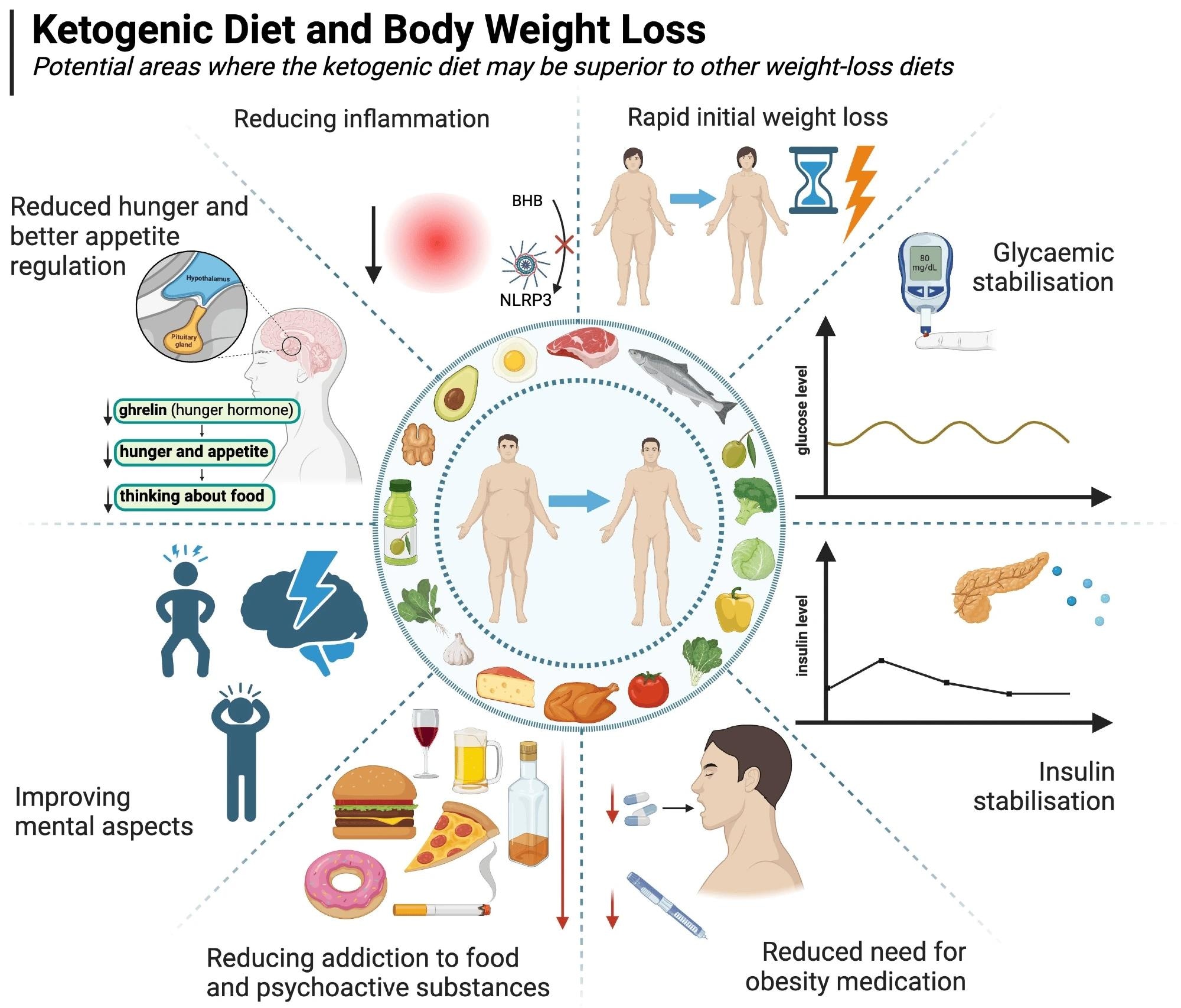
2. Ketogenic Diets Are Responsible for More Weight Loss Than Any Other Diet
I explained this earlier – because your body makes the change from burning glucose to burning fat, your fat reserves are used up as fuel.
This results in much faster weight loss.
Another reason is water loss – low carb diets remove excess water from your system because they lower your levels of insulin, which results in your kidneys getting rid of excess sodium, which is why low carbers experience such rapid loss of weight in the first couple of weeks.
Percentage of daily calories from fat in a ketogenic diet
3. Most of the Fat Comes From the Abdomen
And isn’t that where we all want to shed the excess pounds from?
Seriously, though, while you may think that fat is fat, believe you me, it isn’t.
Not all of the fat in your body is the same; what determines its difference is where it is stored and it determines the risk to your health.
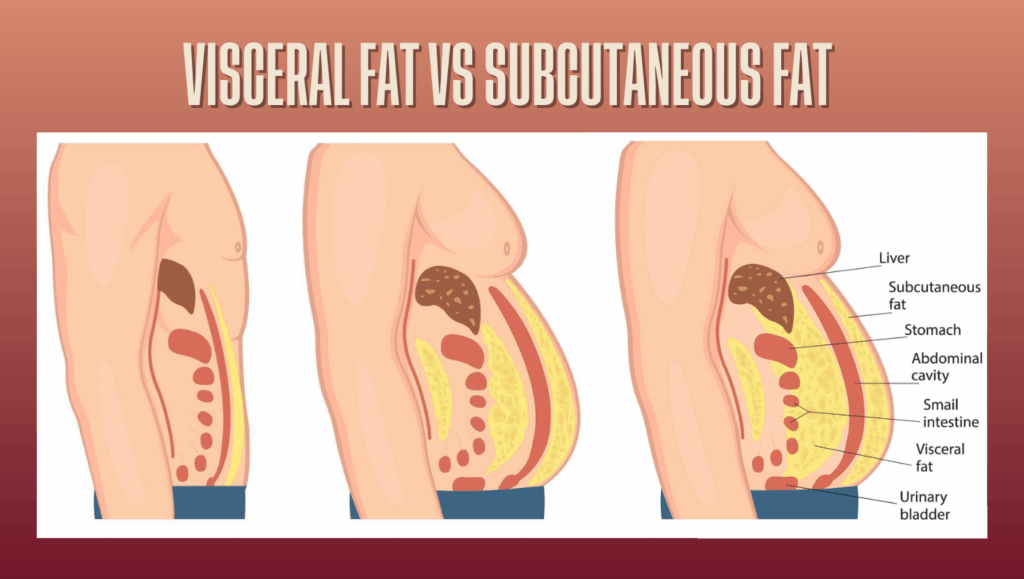
We have two types of fat – subcutaneous, which is stored under the skin, and visceral fat.
It’s the visceral fat that is stored in the abdominal cavity, the fat that gathers around our internal organs.
Having an excess of fat in the abdominal cavity is believed to causes inflammation, a rise in insulin levels and a leading cause of metabolic dysfunction.
The ketogenic diet removes that harmful fat from your body, which leads to less chance of diabetes and heart disease.
4. Your Triglycerides will Fall
My triglycer-whats?
To put it bluntly, triglycerides are molecules of fat.
Fasting triglycerides are a pointer towards our risk of heart disease, more importantly, how many of them are in our blood after a good night’s sleep with no food.
Elevated triglyceride levels are caused by carbohydrates, in particular sugar fructose.
Cutting carbs immediately cuts the level of triglycerides down, cutting your health risks by a huge amount.
5. Your HDL Levels Rise
HDL is good cholesterol – yes, there is such a thing!
High Density Lipoprotein is responsible for moving cholesterol to your liver where it can be recycled or eliminated.
The higher your HDL levels, the lower your risks of heart disease are and one of the best methods to raise them is to eat fat.
If there’s one thing a ketogenic diet has in abundance its fat so it shouldn’t be surprising to anyone that HDL levels rise on a low carb diet.
6. Your Blood Sugar and Insulin levels Will Drop
And that is a good thing in anyone’s book because that lowers your risk of diabetes and, if you already have it, especially Type 2, you stand a high chance of reversing the effects.
How does it work?
In short, carbs enter the bloodstream and raise our glucose levels.
High blood sugar is poisonous to the body and the body normally responds with insulin.
It is the insulin that pulls the glucose into the cells and either burns it or stores it.
For a healthy person this process is not a problem.
Some people are insulin resistant though which means their bodies don’t see the insulin, which makes it hard for the glucose to be brought into the cells.
This is what causes Type 2 diabetes, a disease that affects more than 3 million people across the world.
Reducing carbs reduces the amount of glucose and insulin in the blood.
⚠️ Important Warning
However, a word of warning here – if you are already on medication you must speak to your physician about changing your diet in case it causes the opposite effect and brings your blood sugar levels too low.
He or she may need to change your medication levels.
7. Your Blood Pressure will Drop
Raised blood pressure, or hypertension, is one of the biggest risk factors in a number of diseases including kidney failure, strokes and heart disease.
Ketogenic diets reduces blood pressure simply because it lowers your weight and we all know that being overweight has an effect on blood pressure.
8. Ketogenic Diets Are Effective Against Metabolic Syndrome
Metabolic Syndrome is a medical condition that is directly related to diabetes and heart disease.
Instead of being just one symptom though, it is several:
- High blood pressures
- Abdominal obesity
- High blood sugar levels
- High triglycerides
- Low HDL
As you now know, all of these symptoms can be dramatically reduced with a ketogenic diet.
Unfortunately, most people around the world still recommend low fat diets for metabolic syndrome, despite all the evidence to the contrary.
Daily carbohydrate limit to maintain ketosis
9. Your Bad cholesterol Levels Drop
High levels of Low Density Lipoprotein, or LDL, is another huge factor in heart disease.
However, what is only just becoming clear is that there is more than one type of LDL and it all comes down to size.
LDL, like HDL, is actually a protein and it’s the size of the protein particles in your blood that count.
If the LDL particles are small, they have a much higher risk of heart disease than those who have larger particles.
The ketogenic diet turns small particles of LDL into larger ones while also working to reduce the overall numbers of particles in the blood stream as well.
10. Ketogenic Diets are Good for the Brain
Glucose is necessary for your brain to function as it should do.
In fact, there are certain parts of the brain that can ONLY burn glucose and nothing else.
This is why, when you eat a low carb diet, the liver will produce glucose out of protein.
However, there is also a big part of the brain that can burn ketones in place of glucose and these are formed when the carbohydrate is limited.
This is why the ketogenic diet is recommended for those with epilepsy and are now being studied for both Parkinson’s and Alzheimer’s disease.

What About the Disadvantages of a Ketogenic Diet?
The biggest preconceived disadvantage to a ketogenic diet is boredom.
They say that the diet is restrictive and hard to stick to.
My answer to that is to say, take a look at the recipes at the end of this book.
What other diet gives you such a wide range of foods, real foods, to choose from?
The only way this diet is restrictive is if you eat the same foods over and over again.
You don’t have to have eggs for breakfast every day.
Salads are only boring if you make them boring and, in all honesty, even eating out isn’t a problem these days – Most eateries provide a wide range of foods and there’s bound to be something to suit you.

Some people take the diet to the extreme – they cut out vegetables and fruit altogether and live on a diet of fat and protein.
That is not good for you and is a disadvantage in that you are not getting the benefits of the diet.
Fruit and vegetables contain a high level of minerals and vitamins that are essential to your health, not to mention all the other nutrients they contain.
Most of your carbohydrate allowance for a day must come from vegetables, salad foods and fruit.
It is also wise to take a multivitamin each day when you start a ketogenic diet, just to help your body in the transition.
The only real disadvantage is bad breath.
That is a given with ketosis and some people call it “meat-breath”.
It doesn’t last for long though and is a true indicator that your body is in ketosis so it is perhaps an advantage.
Can Anyone Follow a Ketogenic Diet?
In essence, yes.
However, if you have any doubts about it, consult your physician, especially if you have a pre-existing health condition.
If you have a heart condition or kidney disease, you most definitely should not start the diet without seeking medical advice.
🚫 Medical Caution
Do keep one thing in mind if you see a physician first – some of the older school doctors are unaware of the effect of foods on the human body, especially when it comes to a ketogenic diet.
In those circumstances, you may get the lecture about how bad ketosis is for you.
What they are most likely doing is confusing ketosis with ketoacidosis, which is an abnormal form of ketosis.
Just briefly, in ketoacidosis, higher than safe levels of ketones are produced but only when insufficient levels of insulin are produced to regulate the fatty acids and the eventual creation of the ketones.
Motivation
How Do I Motivate Myself?
A ketogenic diet is one of the best ways to lose weight quickly while eating a good, healthy and full diet without those awful carb cravings.
However, while that fact alone may motivate you to start, how do you keep that motivation going on a restrictive diet?
A ketogenic diet is only restrictive in that you can’t eat certain foods – think of them as bad foods.
There will be times though when you find it hard to keep that motivation going so here are a few tips to help you along the way:
. Get Some Support
It’s easier to do anything if you have the right support, people you can talk to or who are doing the diet with you.
Encourage friends who want to drop a few pounds to give it a go with you.
You can exercise together, work out new recipes and go through the lows and the highs with someone by your side.
Or you could look on the internet for your support – there is plenty of it.
There are forums where you can talk to other low carbers and share your experiences with them.
Some of these people will be further ahead than you and can give you a much needed boost of confidence to keep going.
Focus
Especially on the positives.
If you find yourself hankering after a slice of cake or a beer, think about how far you’ve come, how much weight you’ve lost and how much better you feel.
Then think about the damage that cake could do and whether it is really worth the setback, no matter how good it looks.
Set Yourself Goals
You may have an immediate figure in mind of how much you want to lose and that’s good.
The problem is seeing it as a whole and then being disappointed when you haven’t reached that goal in a month.
Set yourself realistic goals – say, so many pounds or kilos by a certain date and then treat yourself.
Don’t go overboard with the treat though, especially if it is food-based.
Think about booking into a spa or going on a short weekend break instead.
That should give you the motivation to keep going.
Organize Your Food Plan before You Start
Don’t wing it because you will trip up and that’s the same advice for any diet plan.
Sit down and work out your meals for the first week then go shopping and make sure you have all the ingredients you need.
Don’t leave anything to chance and forget something off your list.
Make up some ketogenic snacks off the list below and have them in your fridge, handy for when you want a bite between meals.
Be Prepared for Setbacks
Don’t beat yourself up if you fall off the wagon and eat something you are not meant to.
It isn’t the end of the world, just don’t make a habit of it and don’t overdo it.
By that, I mean if you fall to temptation and eat a slice of cake, don’t follow it up with the rest of the cake, thinking it won’t make a difference.
It will and you’ll see it on your scales.
Not only that, if you go above a certain level of carbohydrates your body will fall out of ketosis and it will take a few days to go back into it.

How to Get Started
The best way to start anything is to learn about it.
Find out all you can about ketogenic diets and the principles of it.
Don’t buy into the myths about low carb eating – things like there’s no fruit or veg in the diet or that it isn’t healthy to eat so much fat – because that will put you off straightaway with no real good reason.
Learn about the science behind carb-cutting instead.
Start by making a few easy changes.
Cut out one thing at a time and replace it with something else.
You might be surprised at just how quickly you get results that way.
The most important thing is to get familiar with what you can eat rather than thinking about what you can’t eat.
Instead of potatoes for dinner, substitute with more vegetables.
Instead of a biscuit with your coffee, think about the delicious low carb muffins you can eat.
Go through the list of acceptable foods – you won’t like all of them – but get to know the ones you do like and what you can do with them.
Above all, have some fun creating new recipes from the foods you can eat.
What Do People Eat on Ketogenic Diet?
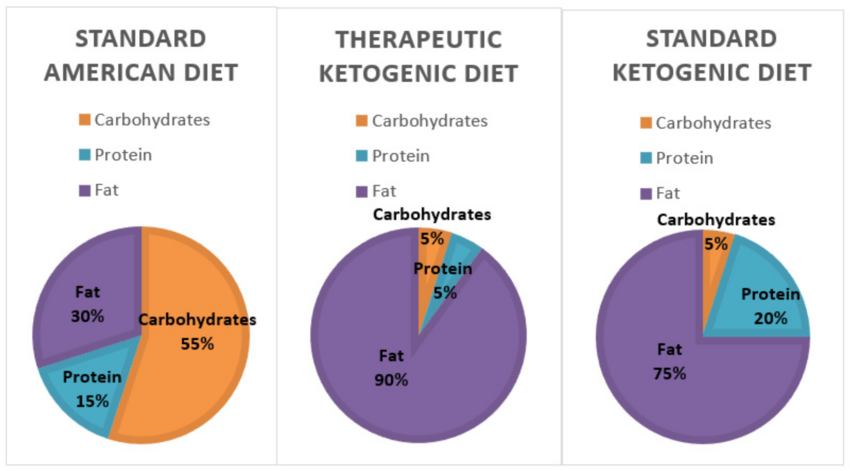
The ketogenic diet is made up of three main components – fat, protein and carbohydrate, in that order.
Fat is the most important part and this is where most of your calories are going to come from.
How much you need to eat depends on you, on how much energy you expend during the day, your starting weight and height.
Figure it at something along the lines of 60-80% of your calories coming from fat.
That said, you will find that, on a high fat diet, you naturally eat less calories anyway so you don’t need to panic about counting them too much.
What is more important is the type of fat you eat.
You should steer clear of polyunsaturated omega-6 fats, as these can be a cause of inflammation.
That includes eating too much mayonnaise or some salad dressings.
Oils such as coconut oil are definitely encouraged because they are turned into ketones much easier.
Try to eat more monounsaturated or saturated fats like butter, olive oil, cheese and avocado.
Protein is the next most important factor in a ketogenic diet but getting the balance right is difficult.
The amount of protein you eat does have a determining factor on your weight loss and it is an essential part of any diet.
Much depends, once again, on you and it is up to you to monitor what you eat and the effect it has on your progress.
That way, you will know if you need to increase or cut down your level of proteins.
Carbohydrate is the determining factor in ketosis – or rather, how much of it you consume.
You need carbohydrates in your diet but they must be the right kind.
Most of your carbs will come from vegetables, salads and fruit, all good healthy foods.
However, in order to fall into ketosis you shouldn’t eat any more than 50 g of carbohydrate per day.
Those on the Atkins diet are restricted to 20 g for the first stage, to be gradually increased over time.
If you have a sedentary lifestyle, eat less; if you are highly active, eat more, it’s as simple as that.