What to Eat During Pregnancy: Nutrition, Vitamins, Safe Foods

Children grow up too fast.
Before too long, the almost indistinguishable speck in your womb is going to be flying down a hill on a bike with their hands in the air and driving down the interstate in your new car.
Before you know it, you’ll be telling them goodbye as they start college, crossing your fingers and hoping for the best.
You’ll never have the opportunity to nurture them again that you do right now, when they’re safely inside you, tucked away from the outside world.
This is going to be the last time in your life that it’s a piece of cake to get them to eat their vegetables, so enjoy it!
You’re going to spend the next eighteen years (and then some) trying to convince them that spinach is good for them and that the slimy stuff on the outside of their carrots is just pulp, but right now you’re making all the decisions when it comes to what they eat.
Proper prenatal nutrition is vital for fetal development because the fetus is physically incapable of providing for itself and cannot show any visible signs of malnourishment between monthly check-ups, as a newborn can.
That means that for the next nine months, it’s going to be completely up to you to ensure that you are properly eating for two, taking in the vitamins and nutrients that are going to help you give birth to a healthy, happy baby while keeping yourself healthy at the same time.
Remember, baby’s going to take what it needs long before those nutrients ever have the opportunity to go through your system.
By not eating properly, you’re not only harming your baby, but you’re also harming yourself as well.
That’s why it’s so important that you make sure you get the vitamins and nutrients that you need for the next nine months as well.
Lack of attention might still lead to a healthy baby, but a baby’s not going to change itself!
Mom needs to be healthy, too, in order to keep up with her little bundle of joy in the coming months.
Giving birth is hard enough on the body.
You certainly don’t want to add malnutrition into the mix.
The problem many women face with pregnancy nutrition is that they simply don’t understand.
Why?
Not because they’re stupid, or because they don’t want to do what’s best for their baby.
It’s because most guides on pregnancy, particularly those that deal with the ins and outs of nutrition for the next nine months, are written by medical professionals.
That makes sense, right?
Who better to take advice from concerning the growth and development of your baby than the doctor who’s made it their life’s work?
Most moms aren’t doctors, however, and that’s where the trouble comes in.
It’s all well and good to sit down and look at a chart that shows how much of each mineral you’re supposed to take in on a daily basis over the next nine months, but if you don’t understand what you’re reading and the effect it’s going to have on your baby then it isn’t going to do you a whole lot of good.
You’re going to spend a month, maybe two, looking at the labels on the back of your food.
Then you’re going to get sick of it and go back to your old eating habits, reasoning that you’ve always been healthy.
You’re taking your prenatal vitamins.
What could go wrong?
This article was written with “Dr. Mom” rather than “Dr. Smith” in mind.
Throughout the coming sections, you’ll find a thorough breakdown of the nutrients you need to ensure that you deliver a healthy baby when the time comes and basic guidelines for the trimester-by-trimester dietary changes you’re going to have to make, all written in everyday, ordinary English rather than medical-ese.
What’s that mean?
It means you don’t have to go out and buy a medical dictionary to understand what you’re about to read!
Even if you can’t follow an ordinary, “recommended” pregnancy diet (which tends to get old after the first trimester), you can still give your little bundle of joy a “best odds” chance at making a great start in life.
Let’s get into it…
From A to Zinc

If you have ever attempted to follow any diet that involved reading food labels, you are all too familiar with the fact that those little words and symbols can start to look like Greek after a while.
If you’re not a doctor or a nutritionist, you probably have no idea what Vitamin B or Folic Acid are, much less why they’re important.
The first step to conquering pregnancy nutrition is understanding what you’re eating, how much you should eat, why you’re eating it, and how it’s going to help your baby.
A quick note.
In the following section, you are going to see several mentions made about the negative consequences of overdosing on specific vitamins.
You must understand that this overdose very rarely occurs because of the foods you eat.
More often, it is because mothers have chosen to take extra supplements in an attempt to “help” their baby, or have forgotten to tell their physician about other vitamins and supplements they take regularly.
Be sure when you go in for your prenatal appointments that your physician knows exactly what vitamins, medications, and supplements (including herbal) you take, regardless of how insignificant you may believe them to be.
1. Vitamin A:

Vitamin A helps the development of the baby’s bones and teeth, as well as their heart, ears, eyes, and immune system (the body system that fights infection).
Vitamin A deficiency has been associated with vision problems, which is why your mom always told you to eat your carrots when you were a kid!
Getting enough Vitamin A during pregnancy will also help your body repair the damage caused by childbirth.
Pregnant women should consume at least 770 micrograms (or 2565 IU, as it is labeled on nutritional labels) of Vitamin A per day, and that number almost doubles when nursing to 1300 micrograms (4,330 IU).
Be aware, however, that overdosing on Vitamin A can cause birth defects and liver toxicity.
Your maximum intake should be 3000 mcg (10,000 IU) per day.
Vitamin A can be found in liver, carrots, sweet potatoes, kale, spinach, collard greens, cantaloupe, eggs, mangos, and peas.
2. Vitamin B6:
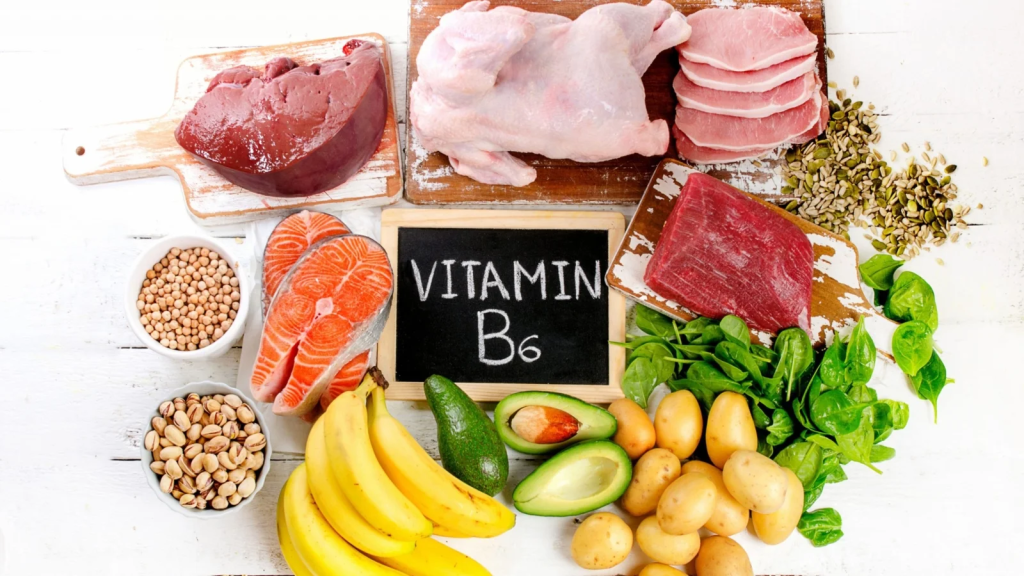
Also known as Pyridoxine, Vitamin B6 helps your baby’s brain and nervous system develop.
It also helps Mom and baby develop new red blood cells.
Oddly enough, B6 has been known to help alleviate morning sickness in some pregnant women.
Pregnant women should consume at least 1.9 mg of Vitamin B6 per day.
That amount rises slightly to 2.0 mg per day while nursing.
Vitamin B6 can be found in fortified cereals, bananas, baked potatoes, watermelon, chickpeas, and chicken breast.
3. Vitamin B12:
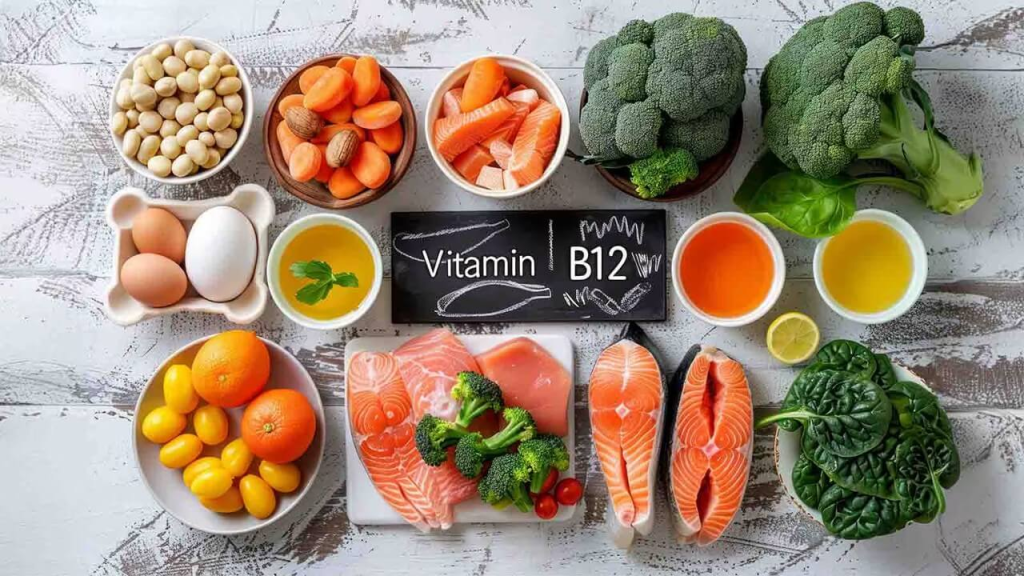
Vitamin B12 works hand in hand with folic acid to help both Mom and baby produce healthy red blood cells, and it helps develop the fetal brain and nervous system.
The body stores years’ worth of B12 away, so unless you are a vegan or suffer from pernicious anemia, the likelihood of a B12 deficiency is very slim.
Pregnant women should consume at least 2.6 mcg (104 IU) of B12 per day; nursing mothers, 2.8 mcg (112 IU).
Vitamin B12 can be found in red meat, poultry, fish, shellfish, eggs, and dairy foods.
If you are a vegan you will be able to find B12 fortified tofu and soymilk.
Other foods are fortified at the manufacturer’s discretion.
4. Vitamin C:

Vitamin C helps the body to absorb iron and build a healthy immune system in both mother and baby.
It also holds the cells together, helping the body to build tissue.
Since the Daily Recommended Allowance of Vitamin C is easily met by eating the right foods, supplementation is rarely needed.
Pregnant women should consume at least 80-85 mg of Vitamin C per day, and nursing mothers at least 120 mg per day.
Vitamin C can be found in citrus fruits, raspberries, bell peppers, green beans, strawberries, papaya, potatoes, broccoli, and tomatoes, as well as in many cough drops and other supplements.
5. Calcium:
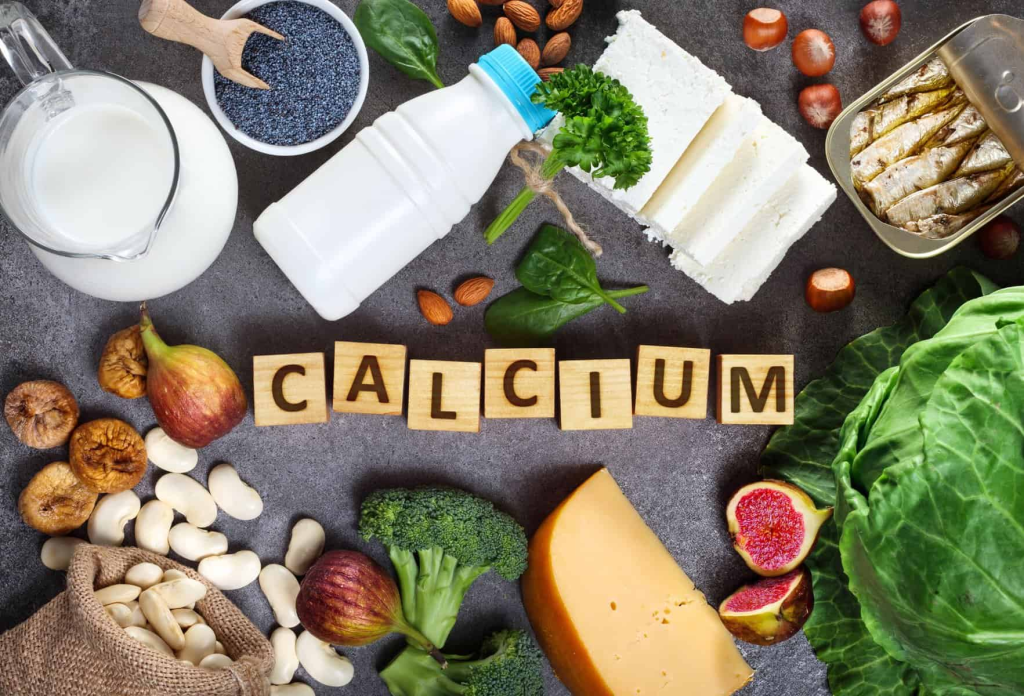
Calcium builds your baby’s bones and helps its brain and heart to function.
Calcium intake increases dramatically during pregnancy.
Women with calcium deficiency at any point in their lives are more likely to suffer from conditions such as osteoporosis, which directly affects the bones.
Pregnant women should consume at least 1200 mg of calcium a day, and nursing mothers should consume 1000 mg per day.
Calcium can be found in dairy products, such as milk, cheese, yogurt, and, to a lesser extent, ice cream, as well as fortified juices, butters, and cereals, spinach, broccoli, okra, sweet potatoes, lentils, tofu, Chinese cabbage, kale, and broccoli.
It is also widely available as a supplement.
6. Vitamin D:
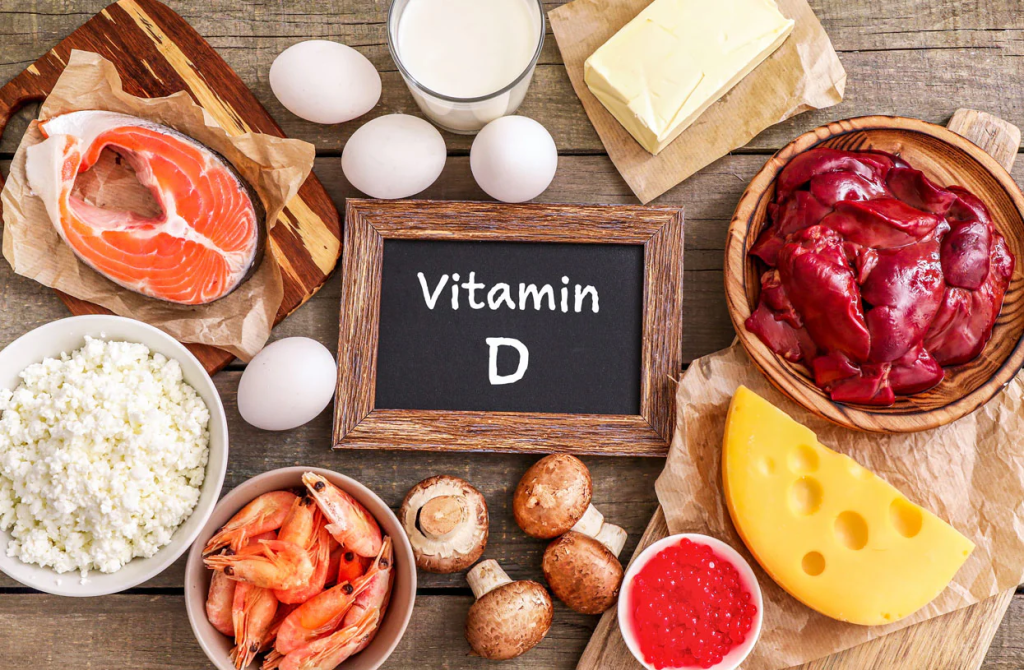
Vitamin D helps the body absorb calcium, leading to healthy bones for both mother and baby.
Women who are pregnant or nursing should consume at least 2000 IU of Vitamin D per day.
Since babies need more Vitamin D than adults, babies that are only breastfeeding may need a Vitamin D supplement, so if your doctor recommends this, don’t worry.
You haven’t done anything wrong!
The formula is fortified with Vitamin D, so if you are bottle-feeding or supplementing with formula, your baby is likely getting sufficient amounts of this vital nutrient.
Vitamin D is rarely found in sufficient amounts in ordinary foods.
It can, however, be found in milk (most milk is fortified) as well as fortified cereals, eggs, and fatty fish like salmon, catfish, and mackerel.
Vitamin D is also found in sunshine, so women and children found to have a mild Vitamin D deficiency may be told to spend more time in the sun.
7. Vitamin E:
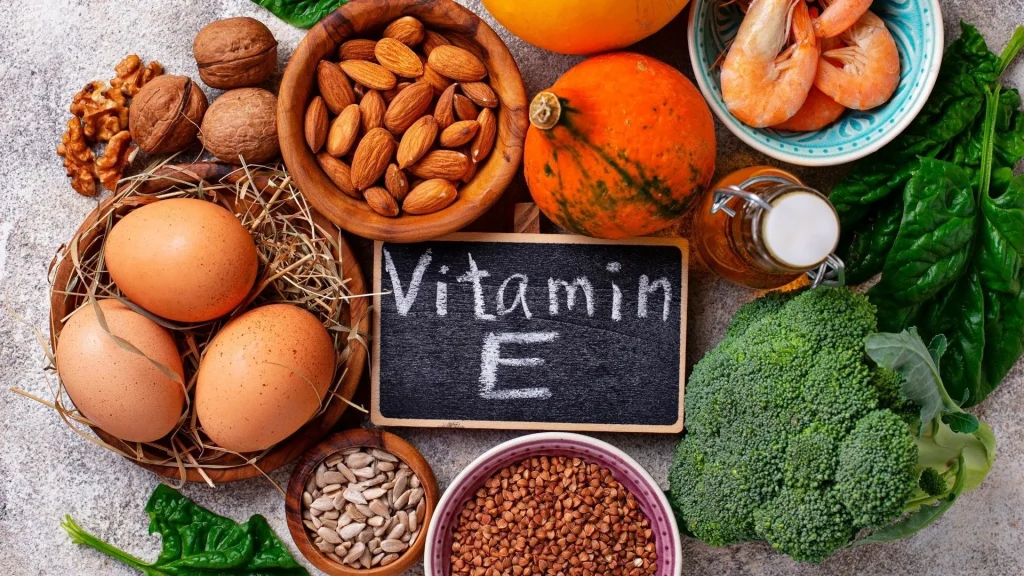
Vitamin E helps the baby’s body to form and use its muscles and red blood cells.
Lack of Vitamin E during pregnancy has been associated with pre-eclampsia (a condition causing excessively high blood pressure and fluid retention) and low birth weight.
On the other hand, Vitamin E overdose has been tentatively associated with stillbirth in mothers who “self-medicated” with supplements.
Pregnant women should consume at least 20 mg of Vitamin E per day, but not more than 540 mg.
Vitamin E can be found naturally in vegetable oil, wheat germ, nuts, spinach, and fortified cereals, as well as in supplemental form.
Natural Vitamin E is better for your baby than synthetic, so be sure to eat lots of Vitamin E-rich foods before you reach for your bottle of supplements.
8. Folic Acid:

Also known as Folate or Vitamin B9, Folic Acid is a vital part of your baby’s development.
The body uses Folic Acid to replicate DNA, support cell growth, and form tissue.
A Folic Acid deficiency during pregnancy can lead to neural tube defects such as spina bifida (a condition in which the spinal cord does not form completely), anencephaly (underdevelopment of the brain), and encephalocele (a condition in which brain tissue protrudes out to the skin from an abnormal opening in the skull).
All of these conditions occur during the first 28 days of fetal development, usually before Mom even knows she’s pregnant, which is why it’s important for women who may become or are trying to become pregnant to consistently get enough Folic Acid in their diet.
A pregnant woman should consume at least 0.6-0.8 mg of Folic Acid per day.
Folic Acid can be found in oranges, orange juice, strawberries, leafy vegetables, spinach, beets, broccoli, cauliflower, peas, pasta, beans, nuts and sunflower seeds, as well as in supplements and fortified cereals.
9. Iron:

Iron helps your body to form the extra blood that it’s going to need to keep you and your baby healthy, as well as helping to form the placenta and develop the baby’s cells.
Women are rarely able to consume enough iron during pregnancy through diet alone, so iron supplements, along with prenatal vitamins, are often prescribed.
Women who are pregnant should have at least 27 mg of iron per day, although the Centers for Disease Control and Prevention suggests that all women take a supplement containing at least 30 mg.
The extra iron rarely causes side effects; however, overdosing on iron supplements can be very harmful for both you and your baby by causing iron build-up in the cells.
Iron can be found in red meat and poultry, which are your best choices, as well as legumes, vegetables, some grains, and fortified cereals.
10. Niacin:
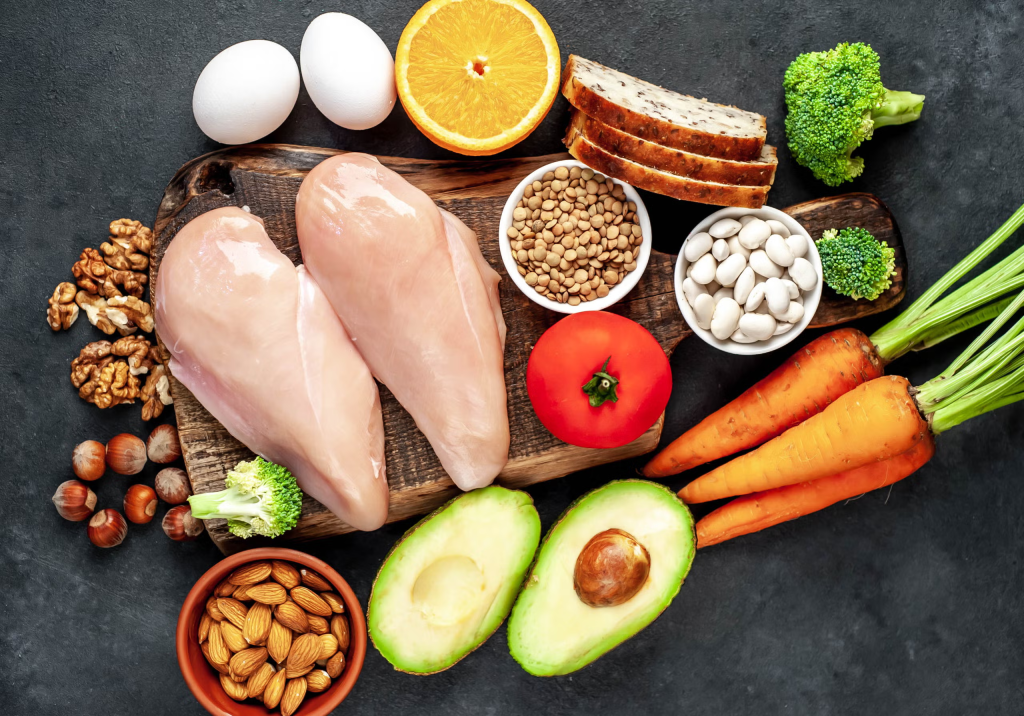
Also known as Vitamin B3, Niacin provides your baby with energy as it develops and helps build the placenta.
It also helps keep Mom’s digestive system operating normally.
Pregnant women should consume at least 18 mg of Niacin per day.
Niacin can be found in foods high in protein, such as eggs, meats, fish, and peanuts, as well as in whole grains, bread products, fortified cereals, and milk.
11. Protein:
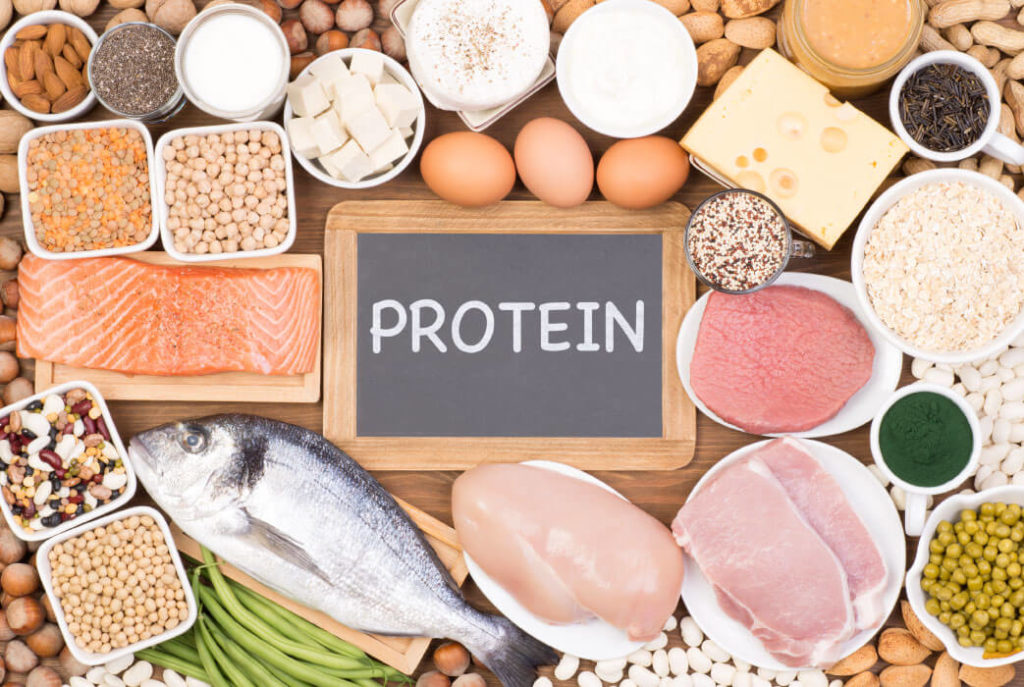
Protein is the building block of the body’s cells, and as such, it is very important to the growth and development of every part of your baby’s body during pregnancy.
This is especially important in the second and third trimesters, when both Mom and baby are growing the fastest.
Pregnant and nursing women should consume at least 70g of protein per day, which is about 25g more than the average woman needs before pregnancy.
Protein can be found naturally in beans, poultry, red meats, fish, shellfish, eggs, milk, cheese, tofu, and yogurt.
It is also available in supplements, fortified cereals, and protein bars.
12. Riboflavin:
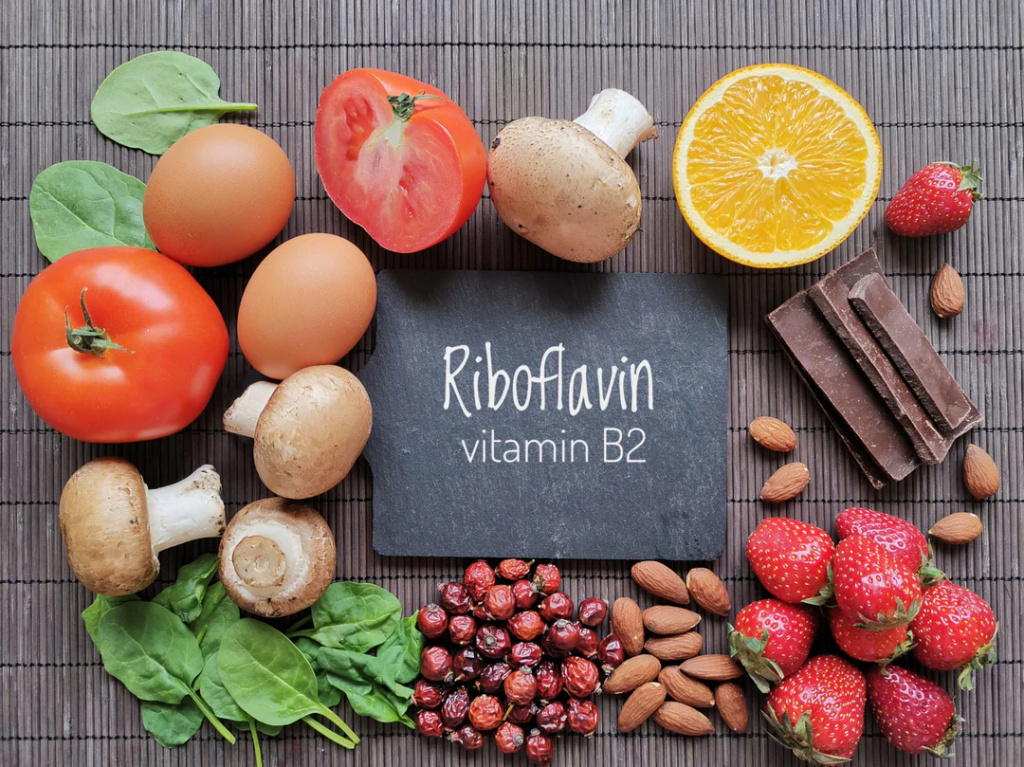
Also known as Vitamin B2, Riboflavin helps the body produce the energy it needs to support the development of your baby’s bones, muscles and nervous system.
Women with Riboflavin deficiency may be at risk for preeclampsia, and when the baby is delivered, it will be prone to anemia, digestive problems, poor growth, and a suppressed immune system, making it more vulnerable to infection.
Pregnant women should consume at least 1.4 mg of Riboflavin per day, and nursing mothers should consume 1.6 mg.
Riboflavin can be found in whole grains, dairy products, red meat, pork and poultry, fish, fortified cereals, and eggs.
13. Thiamin:
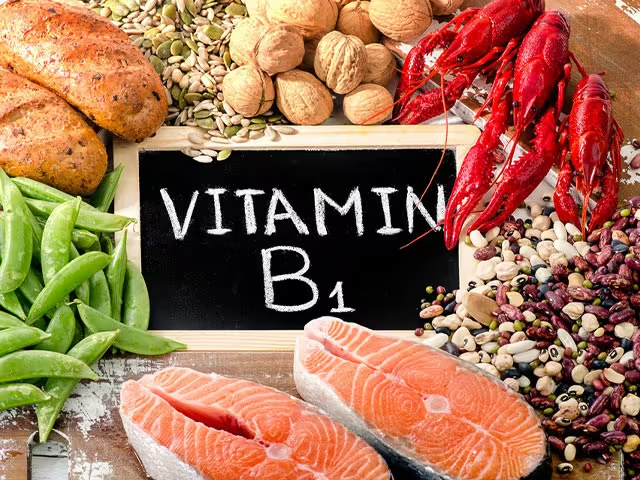
Also known as Vitamin B1, thiamin helps develop your baby’s organs and central nervous system.
Pregnant women and nursing mothers should consume at least 1.4 mg of Thiamin a day.
Nursing mothers who are Thiamin-deficient are at risk for having babies with beriberi, a disease that may affect the baby’s cardiovascular system (lungs and heart) or the nervous system.
Thiamin can be found in whole grain foods, pork, fortified cereals, wheat germ, and eggs.
14. Zinc:

Zinc is vital for the growth of your fetus because it aids in cell division, the primary process in the growth of the baby’s tiny tissues and organs.
It also helps Mom and baby to produce insulin and other enzymes.
Pregnant women should consume at least 11-12 mg of Zinc per day.
Zinc can be found naturally in red meats, poultry, beans, nuts, grains, oysters, and dairy products, as well as fortified cereals and supplements.
Bear in mind that the Recommended Daily Allowances are just that-recommended.
None of those numbers has been formulated on a case-by-case basis, so if your doctor recommends something else for you, listen to what they have to say.
After all, they managed to run up that student loan somehow!
Calories: All You Need to Know

Now that you’re familiar with the various vitamins and minerals that you are going to need to have during pregnancy, let’s touch on another topic that is near and dear to the female heart: calories.
In light of society’s avid love affair with scrawny women, women who are less than thin have developed a major complex when it comes to calories.
They count them, they burn them, they measure them, and they factor them.
They avoid them whenever possible and are enthusiastic consumers of anything labeled “low” and “calorie”.
In short, women have made battling against calories their lifelong mission, dedicating themselves to it with a fervor that would equal that of any religious zealot in the world.
Caloric Intake During Pregnancy
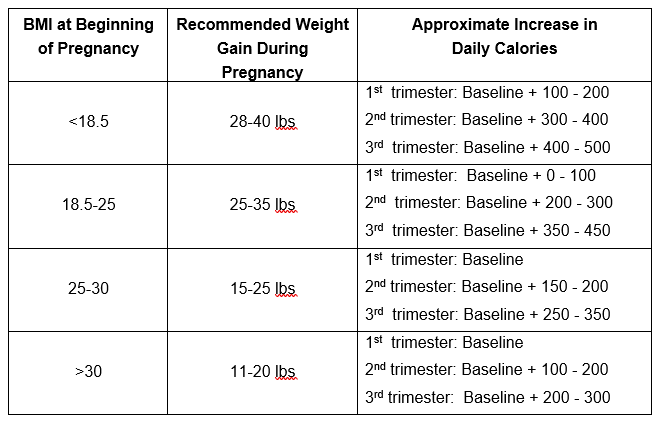
The first thing you must understand is that pregnancy is not the time to be counting calories.
If you are on a diet that involves severely restricting your caloric intake, get off it.
Right now.
For the next nine months, you have permission to not suffer for beauty.
Not only is restricting calories not going to result in weight loss (you’re going to gain some as the baby grows whether you like it or not) it could potentially harm your baby.
Not getting enough calories during pregnancy can lead to the baby not having what it needs to develop properly.
Low birth weight is a common complication, as is poor fetal development.
The baby may have any number of deficiency-associated birth defects.
In short, it is vitally important that when you are pregnant, you get enough to eat.
You can burn it all off after the baby is born, although to be honest, if you have time to worry about your weight, you will be handling new motherhood much better than most!
The first thing you want to do is calculate your pre-pregnancy Recommended Daily Caloric Intake.
If you are a health buff or have been living on a terminal diet, you may already know this number.
If you do not, you can visit one of the following sites to figure it out, or consult with your physician.
- http://www.globalrph.com/dieting_calc.htm
- http://www.yeraze.com/scripts/calories.php
- http://pregnancychildbirth.suite101.com/article.cfm/eating_for_two (this site will also provide practical advice about estimating caloric intake for the rest of your pregnancy, although it doesn’t take into account weight gain or loss.)
For the first three months of your pregnancy, you actually do not need to consume any extra calories.
Your pre-pregnancy calorie consumption will be perfectly adequate for your baby’s growth and development as long as you are not dieting.
If you are dieting, stop!
This is the number of calories (roughly) that you want to eat in a day.
As you enter your second and third trimesters, you should increase your daily caloric intake by 300 calories.
This will help to compensate for the increasing rate of your baby’s growth.
If your pre-pregnancy caloric intake was 1800 calories, you should consume 2100 calories a day.
If it were 1400 calories, you should consume 1700 calories, and so on.
Again, this is not the time to try to lose weight.
Do not omit these extra calories in favor of allowing your body to burn them instead.
This is not healthy for you or your baby, and if you are breastfeeding, you will quickly work these calories back off.
The number of calories you need during pregnancy is going to vary if you were not a healthy weight when you became pregnant.
Women who were obese may be told to consume fewer calories to prevent excessive weight gain, which would place extra strain on the heart and lungs and increase the likelihood of blood pressure-related problems during pregnancy.
In this case, this is a fine time to diet, as long as you are following your doctor’s advice.
The healthier you are, the healthier your baby is going to be.
On the flip side of that coin, if you were underweight at the beginning of your pregnancy or have not gained what the doctor considers to be an adequate amount of weight since becoming pregnant, you may be told to increase your caloric intake by more than 300.
The baby needs to be able to take enough calories away from your body to grow, and if you don’t have any to spare, either because you aren’t eating enough or your body is burning everything that you eat, the baby is going to suffer.
Caloric Intake While Nursing
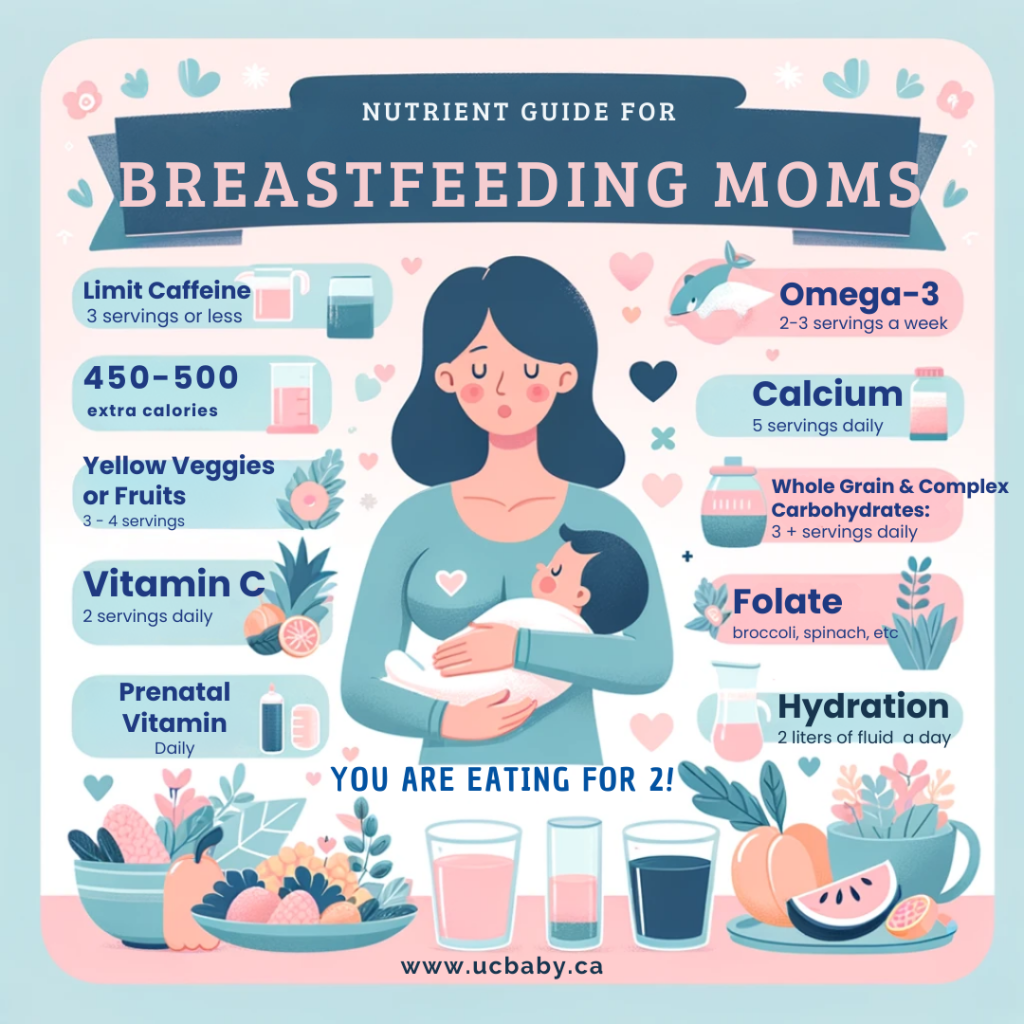
Nursing mothers generally need 500 calories more a day than their pre-pregnancy Recommended Daily Allowance.
This accounts for the fact that the average breastfeeding infant consumes 650 calories a day, which is why breastfeeding mothers generally lose weight much more quickly than their bottle-feeding counterparts.
The weight you gained while pregnant will make up the difference.
That’s an instant weight loss of 150 calories per day just by doing what comes naturally!
(For reference sake, that’s roughly the equivalent of fifteen minutes of running or stair climbing.)
Those nursing twins or who had little weight gain during pregnancy may need to eat more calories in a day because their bodies will not have enough extra weight to compensate.
Again, your baby is getting the calories it needs from your body.
If you do not have enough calories to spare to create an adequate amount of breast milk, your baby will go hungry, forcing you to either up your caloric intake or begin to supplement.
Healthy Calories Vs. Unhealthy Calories
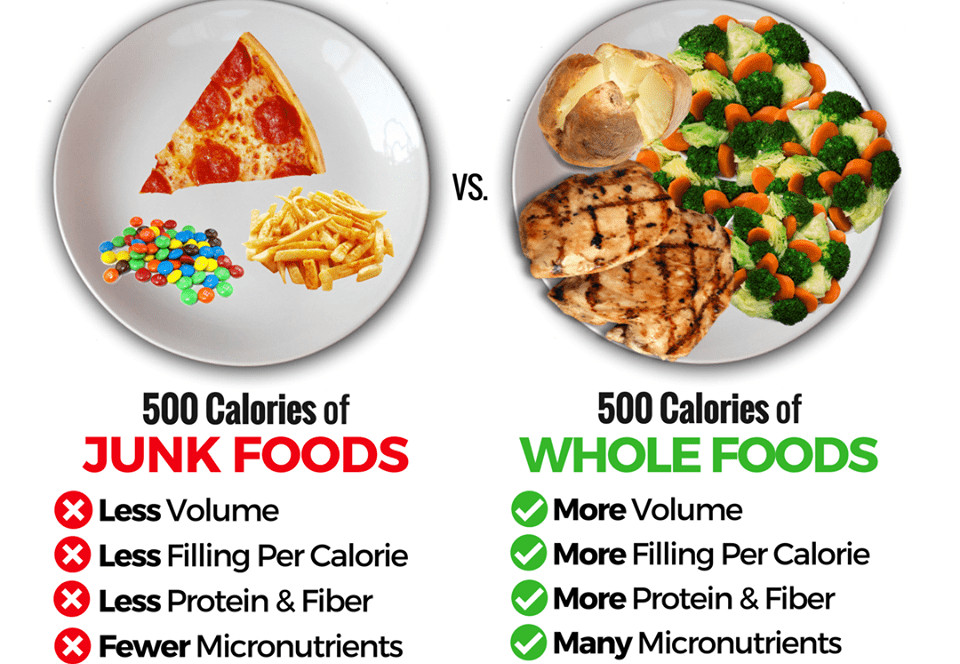
It is important to note that no two calories are created equal.
There are 300 calories in a protein bar and a banana smoothie, and there are 300 calories in the average piece of cheesecake.
Guess which one is going to be better for your baby?
The difficult part of counting calories when you’re pregnant is that you need to maintain a careful balance on several levels.
First and foremost, you want to make sure that you’re eating enough to give your baby what it needs.
Secondly, you want to make sure that the calories you are eating are “good” calories, calories coming from foods that are going to provide your baby with nutritional benefits as well.
On the flip side, you do not want to consume too many calories.
If you do, you will gain too much weight, potentially putting you at risk for early labor, pre-eclampsia, diabetes, and heart problems.
You also do not want to restrict your food intake too much.
Pregnancy can lead to some pretty intense cravings, and ignoring these cravings can lead women to do some crazy things.
Unless you have one of the weight problems mentioned above, you are probably better off considering your calorie intake guidelines to be just that, guidelines.
It’s not going to hurt you to go over every once in a while and indulge in a piece of cheesecake or a chocolate chip cookie.
Just don’t do it too often or too excessively.
(Binging and eating a half a gallon of chocolate ice cream once isn’t going to hurt you, although it might make you sick, but doing it every day could be a problem.)
Try not to count your “junky” calories as part of your daily necessary intake.
This will help you continue to eat the required number of “good” calories each day, ensuring your baby gets the nutrition it needs.
(That half-gallon of ice cream is going to account for about half of your daily caloric intake, which means that half of the calories that your baby needs to grow today just went down the drain.)
It will also help keep you from doing it too often, since consistently eating 500 to 600 calories over your recommended daily intake will lead to excessive weight gain.
The first time you step on the doctor’s scale and see you’ve gained ten pounds in a month, the urge to binge flies out the window!
Junk food aside, not all “good” calories are created equal either.
Here are some basic guidelines for choosing calories that will meet your caloric needs, nutritional needs, and basic food desires.
You have, at some point in your life, undoubtedly gone on a diet that required you to limit yourself to certain types of food.
The Adkins diet, for example, severely limits your carbohydrates, while the Sonoma Diet cuts your dairy intake in half.
What happened when you gave this diet a try?
Unless you are extremely creative (or have an incredible amount of self-control), you probably stuck to this diet for a short while, then tossed it aside.
The trick to eating healthy when you are pregnant is the same as eating healthy when you’re not.
You have to recognize which foods are best for your body and focus on them rather than their more tempting, less healthy counterparts.
When you are choosing the foods you will eat when you are pregnant, consider the following:
Is it whole?
Whole foods are those that are as close to their natural form as possible, rather than being processed.
Fresh fruits and vegetables, rather than canned, whole grain breads rather than refined white, and real cheese fall into this category.
Whole foods are especially good for pregnant women because the fiber and water they contain make them easier to digest.
This not only helps keep you from being even more tired than you already are because your body is struggling to digest your food, it also helps you to decrease your chances of suffering from constipation.
Is it a fruit or a vegetable?
Fruits and veggies, particularly when fresh and/or leafy and green, are a valuable component of any pregnancy diet because most necessary vitamins can be found in them.
Look below for a quick recap of necessary vitamins and the foods that provide them.
Is it a good carbohydrate or a bad carbohydrate?
You cannot eliminate carbohydrates from your diet entirely while pregnant.
They provide both you and your baby with the energy that you both need to grow and be healthy.
What you can do is make sure that the carbohydrates you eat are good for you.
There are two primary classes of carbohydrate: simple and complex.
Simple carbohydrates are made of small sugar molecules that your body quickly absorbs.
Examples of this include cakes, white bread, cookies, candies, and pasta.
These are the carbohydrates that you want to avoid because they will give you a quick sugar rush, then leave you feeling tired and cranky, like the little toes digging into your ribs all night long weren’t enough to do that!
The second type of carbohydrate is a complex carbohydrate.
Complex carbohydrates include fiber and starches, such as whole grains and potatoes.
These carbohydrates take a little longer to digest, leaving you feeling fuller, longer, and giving you energy that lasts more than an hour or two.
Of course, even among the good carbohydrates, there are some that are going to be better for you than others.
If you are having trouble eating due to morning sickness and suffering from exhaustion due to hormonal swings, this is important to know!
To get the most punch from the foods you eat, you should focus on those that provide you with more energy for longer.
That way, when you can’t eat as much as you did, your baby isn’t going to suffer.
Sweet potatoes, real whole-grain and whole-wheat products, and fruits such as grapes and bananas are your best choices.
Bear in mind that just because a package says “whole wheat”, “whole grain” or “multigrain” that doesn’t necessarily mean that it is.
Yes, this is false advertising (sort of), but it’s important to know.
A food is only required to contain a very small amount of whole grain to legitimately claim the title.
It’s not that there aren’t whole grains in it, it’s that it’s not all whole grain.
There are usually plenty of processed and refined ingredients included as well.
Are you eating the right kinds of protein?
Like carbohydrates, there are good proteins, and there are so-so proteins.
When you’re looking for proteins that will give you the most bang for your buck, you should focus on lean meats, eggs, beef, and beans.
The less processed it is, the better it is for you.
Does that mean you can’t eat those chicken nuggets?
Certainly not.
After all, when the sweet and sour sauce calls…It does mean that you shouldn’t allow processed meats to become the dominant protein source in your diet.
Is it organic?
Organic foods are usually more expensive but are healthier than their counterparts.
Organic foods, as defined by the Healthy Children Project, are those that are grown without “pesticides or synthetic (or sewage-based) fertilizers for plant materials and hormones and antibiotics for animals, do not allow genetic engineering or the use of radiation, and emphasize the utilization of renewable resources as well as the conservation of land and water.”
If your budget won’t stretch to include an all-organic diet (unfortunately, some of those products came with a pretty hefty shipping fee), try to focus on the foods the government lists as the best to buy organically.
These foods are those most likely to be contaminated or high in pesticides and include apples, bell peppers, celery, cherries, grapes, nectarines, peaches, pears, potatoes, raspberries, spinach, and strawberries.
If you are concerned about the foods you are eating (and not buying organically), peas, pineapples, papayas, onions, mangos, kiwi, sweet corn, cauliflower, broccoli, bananas, avocados, and asparagus have been judged the least likely to be contaminated or contain high amounts of pesticides.
What kind of fat is it?
Your body needs certain types of fat, but trans fats (partially hydrogenated vegetable oil on the ingredients list) are difficult for your body to process and provide no nutritional value.
Saturated fats are less healthy than unsaturated, are found in animal products such as butter and are best enjoyed in limited quantities.
Recap-Necessary Vitamins and Their Sources
Vitamin Food Source
Vitamin A: Liver, carrots, sweet potatoes, kale, spinach, collard greens, cantaloupe, eggs, mangos, and peas
Vitamin B6: Fortified cereals, bananas, baked potatoes, watermelon, chickpeas, and chicken breast
Vitamin B12: Red meat, poultry, fish, shellfish, eggs, and dairy foods
Vitamin C: Citrus fruits, raspberries, bell peppers, green beans, strawberries, papaya, potatoes, broccoli, and tomatoes
Calcium: Dairy products, fortified juices, fortified butters and fortified cereals, spinach, broccoli, okra, sweet potatoes, lentils, tofu, Chinese cabbage, kale, and broccoli.
Vitamin D: Milk, fortified cereals, eggs, and fatty fish (salmon, catfish, and mackerel)
Vitamin E: Vegetable oil, wheat germ, nuts, spinach, and fortified cereal
Folic Acid: Oranges, orange juice, strawberries, leafy vegetables, spinach, beets, broccoli, cauliflower, peas, pasta, beans, nuts, and sunflower seeds
Iron: Red meat and poultry, legumes, vegetables, some grains, and fortified cereals
Niacin (Vitamin B3): Eggs, meats, fish, peanuts, whole grains, bread products, fortified cereals, and milk
Protein: Beans, poultry, red meat, fish, shellfish, eggs, milk, cheese, tofu, yogurt, fortified cereal, and protein bars
Riboflavin (Vitamin B2): Whole grains, dairy products, red meat, pork, poultry, fish, fortified cereals, and eggs
Thiamin (Vitamin B1): Whole grains, pork, fortified cereals, wheat germ, and eggs
Zinc: Red meats, poultry, beans, nuts, grains, oysters, dairy products, and fortified cereals
How Much is Too Much?
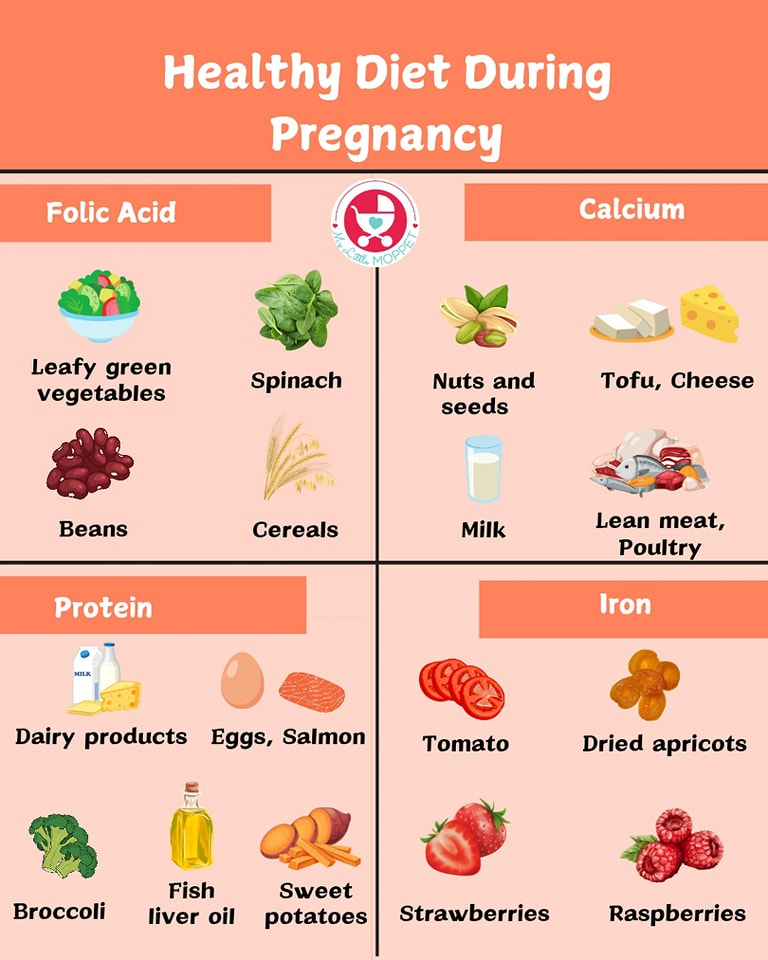
Now that you know what you should be eating, how do you go about figuring out how much you should be eating?
The gold standard would be to walk around reading little nutrition labels and keeping a small, ongoing food journal in your pocket so you can track how much of each nutrient you’ve taken in on a daily basis, but let’s wake up and live in reality.
No one has that much time on their hands.
Because you can’t always keep track of exactly where you’re at with your daily requirements, you’re going to have to learn to make some sweeping generalizations.
The easiest way to do precisely that is to estimate how much of each food group you’ll need each day, then pick foods from each group that you’re particularly fond of and that provide a wide variety of nutrients.
An example of a food group chart is shown below:
Carbohydrates
- Fruits-3 servings daily
- Vegetables-4 servings daily
- Whole grain foods-9 servings daily
Meat
- Poultry, fish, meat or legumes-3 servings daily
- Milk, yogurt or cheese-3 to 4 servings daily Does that sound like more than you could eat in a week, much less a day?
Don’t worry.
A serving in this context isn’t half a plate that your mother used to give you.
A ham sandwich made with whole-grain bread will give you two servings of whole grains and one serving of meat.
Add an apple to that, and you’ve just had one of your fruit servings as well.
A typical serving of meat is considered to be four to six ounces, about the size of a chicken breast that you would find in a formal dining establishment.
An eight-ounce glass of milk will give you a serving of dairy.
A day’s menu to meet all of your nutritional requirements might look something like this:
Breakfast
2 cups of fortified cereal with milk (protein, dairy and whole grains) Banana Glass of orange juice
Snack
Whole wheat English muffin Apple Glass of milk
Lunch
Ham sandwich made with whole grain bread 6 oz baby carrots Glass of milk
Snack
Glass of tomato juice, Whole grain bagel with organic cream cheese Broccoli florets dipped in Ranch dressing
Supper
Trout fillet with lemon Baked potato 6 oz peas Whole grain roll Glass of milk
Snack
Hot chocolate 2 slices of whole wheat toast with calcium fortified butter
Mommy’s No-No List

Just as there are certain foods that you should be sure to stock up on, so too are there foods that you should avoid as though they would give you the plague if you were to breathe in their general area if you were pregnant.
Of course, this list changes from year to year, so take most of these recommendations with a grain of salt!
If you’re unsure whether a food is safe for you to eat, or if you have heard mixed reports or have a concern based on your individual circumstances, consult your OB/GYN.
Since they are regularly required to take continuing education classes and receive frequent updates from the research fields, they would be the most qualified to provide you with information pertaining specifically to your pregnancy.
Alcohol is first on the list of No-No’s for Mommies to Be, and with good reason.
The amount of alcohol that is safe to consume in a day while pregnant has yet to be determined, and the incidence of known cases of birth defects due to alcohol consumption is on the rise.
According to the March of Dimes, “alcohol is the most common known cause of damage to developing babies in the United States and is the leading cause of preventable intellectual disability.”
On a more personal note, alcohol can also aggravate many of the common side effects of pregnancy, such as nausea and heartburn.
It also takes up space in your stomach that could be filled with healthier options, like water or juice.
If you can forsake alcohol completely during your pregnancy, that would be the best choice for you and your baby.
Does that mean that a sip of your glass when you toast your cousin’s wedding is going to leave your baby scarred for life?
No, probably not.
Use your good sense.
While a sip or two of wine every now and then probably won’t hurt your growing angel, a shot or two of tequila might not be as forgiving.
Pregnancy is only nine months long.
Your baby lasts a lifetime.
The other scare when it comes to pregnancy eating has come from an unexpected source: fish.
Long lauded as the best source of protein for pregnant women, it was recently discovered that fish is also high in mercury, a condition caused by the dumping of waste into the water.
Mercury can cause irreparable damage to a fetus’s developing nervous system.
The debate over whether specific fish are safe is ongoing, but pregnant women are currently being encouraged to avoid shark, swordfish, king mackerel, tilefish, bluefish, tuna steak, striped bass, freshwater fish, and canned tuna.
While highly processed foods may not cause permanent damage to your unborn baby, they usually contain enough preservatives to qualify them as highly suspicious.
Remember, anything that claims to be sugar-free yet tastes sweet contains some form of sugar substitute.
The question is, what are they substituting?
Labels such as “fat-free” and “caffeine-free” should also be approached with caution.
Take the high road here and attempt to buy whole, natural foods as often as possible.
Look at the list of ingredients on the label.
The longer it is, the less likely it is to be healthy for your baby.
If you have a hard time getting started in the morning without your cup of Joe, now’s going to be the time to learn.
Caffeine impedes iron absorption, contributing to anemia in pregnant women who don’t have enough to spare, robs the body of precious calcium, and aggravates heartburn all in one fell swoop.
It also transfers to your baby through your breastmilk, which means that if you like to drink coffee and you’re planning on breastfeeding, you can expect a lot of late nights.
Although you could switch to decaf, for the dedicated coffee drinker, this is about the equivalent of taking a perfectly good cup of coffee and filling it 2/3 full of water.
As a placebo, it’s a poor substitute.
Instead, try a cup of hot chocolate or apple cider in the morning.
(Heating apple juice and adding a little cinnamon works too.)
The hot beverage will hit a few of the “wake up” buttons that coffee triggers, and while you’ll probably feel the lack of caffeine for the first week or two you should find that getting through the day gets easier-and hey, pregnant women are supposed to nap regularly anyway!
Unpasteurized cheeses, soft or fresh cheeses such as Brie, deli meats, hot dogs, undercooked eggs, fish, rare to medium well meats and unpasteurized juices are also being added at various intervals to the “no-no” list that OB/GYNs are handing out to their patients in an attempt to stop the spread of pathogens such as E.coli, Salmonella and Listeria, all of which are often present in undercooked or uncooked meats.
Listeria, the leading cause of meningitis in children less than one year old, has the ability to cross the placenta and infect the baby.
It can also cause miscarriage.
Salmonella has been associated with stillbirth.
Even if fetal death doesn’t occur, dehydration from the diarrhea and vomiting that accompany Salmonella infection is a serious risk.
A severe infection with E. coli can cause dehydration, as well as potentially triggering premature labor or miscarriage.
By the same token, it is vitally important that you wash your fruits and vegetables thoroughly before you eat them, particularly if you grow your own.
You were probably told by your physician that while you were pregnant, you shouldn’t handle kitty litter due to a potential infection with Toxoplasma, a parasite that lives in cat feces.
Toxoplasma is also present in the soil, particularly in areas where cats often roam and do their business outside.
There is always a risk of Toxoplasma appearing in commercially processed foods, although it is less common than in home-grown foods.
It is better to be safe than sorry when dealing with Toxoplasma.
The parasite can cross the placenta, infecting the baby and causing stillbirth or long-term damage.
There is a 15% chance of the parasite infecting the baby if exposure occurs in the first trimester, 30% in the second, and 60% in the third.
Pathogenic infection of the developing fetus can be potentially devastating, particularly when it is caused by an invader that an adult immune system would be able to battle off with ease.
It is far better to take the time to carefully ensure your food is pathogen-free during pregnancy than to live with the consequences.
What if You Can’t Eat a Regular Diet?
As children are exposed to more foods at younger ages, the incidence of food allergy and intolerance is rising.
Add to this the problems of diabetes, vegan and vegetarianism, metabolic disorders, and general dislikes, and you can come up with an equation that equals trouble for a pregnant woman.
The question is, what do you do when you can’t eat a regular pregnancy diet?
The answer is, get creative!
If you suffer from diabetes or a digestive disorder, or you have a major metabolic disorder such as PKU or tyrosinemia (and these are only a few from a very long list that are usually diagnosed during early childhood), you probably have a pretty good idea of how to manage your diet to provide the most nutrients at a time without overdoing it.
To be safe, however, it would be wise to speak with your doctor about which foods you can and cannot have (and in what amounts) in the coming months.
If you do not have a condition that requires specific, direct medical supervision and simply need to make some changes to the diet shown earlier, you’re going to find that it’s going to be much simpler than you would think (although you’re probably going to be pretty sick of your core foods by the time you deliver!) With some dietary substitutions, however, you should still be able to maintain a healthy diet throughout the course of your pregnancy.
Food Allergies and Intolerance
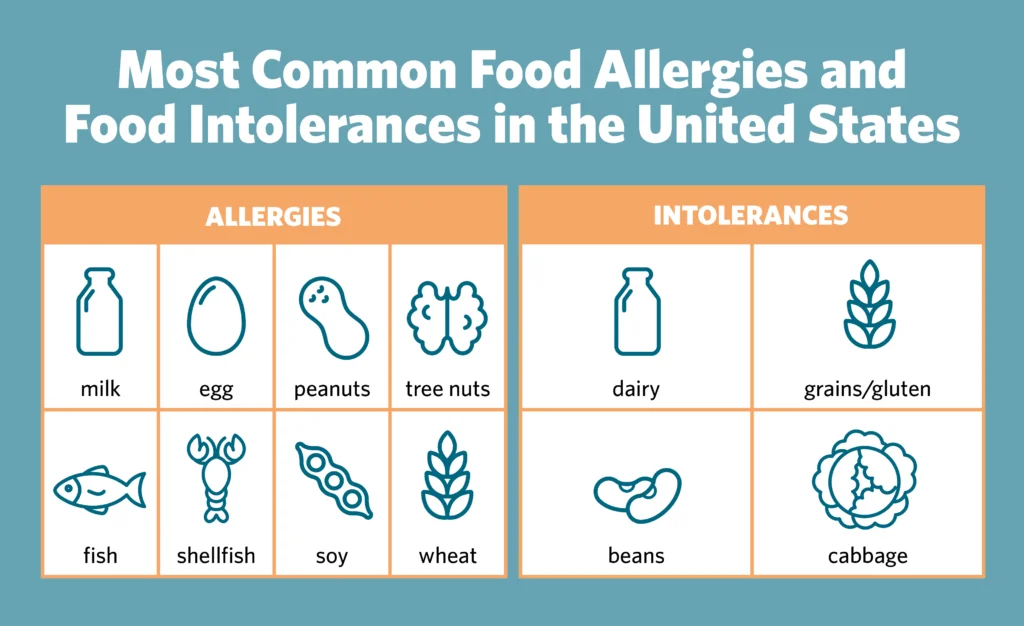
Food allergies, particularly to milk, soy, nuts, and wheat, can be a major issue when maintaining a proper diet.
It’s very hard to get enough calcium when you can’t drink a single glass of milk or eat a milk product!
The key here is to talk to your doctor about recommending some healthy substitutions.
Some, such as a milk or peanut allergy, are easy to work around with calcium-fortified juices, chewable supplements, and other protein sources.
If you have either one of these allergies, you should be very careful to keep your food essentially isolated, something which you are undoubtedly already aware of.
Many smoothies and “Meals in a Box” contain these ingredients in varying quantities.
The severity of your allergy should be considered when choosing your foods, but if you suffer from anaphylaxis, you’ll want to avoid them altogether.
Choose plain meats and fresh fruits and vegetables over stews and casseroles, and try to avoid gravies if you can’t see the list of ingredients.
Occasionally, allergic reactions will be more intense in pregnancy, so if you had a mild reaction to certain foods before you were pregnant, you should handle them with care now.
Remember, pregnancy is only nine months long.
Your body should go back to normal when it’s all said and done, and you can go back to your favorite foods and drinks then.
Until then, it never hurts to err on the side of paranoia.
If you have an allergy to wheat or soy, you may have a bit more trouble, since many of the foods you are going to need to eat to get your servings of carbohydrates are going to contain these ingredients.
(Unless you actually have a soy allergy, you are probably unaware of how often it’s mixed in with many foods.) You are going to have to carefully read the labels on the foods you eat, checking for any of the following words:
- Soy
- Soy flour
- Soy cheese
- Soy protein
- Textured soy protein
- Textured vegetable protein
- Tofu
- Vegetable protein
- Yuba
- Edamame
- Tempeh
- Mono-diglyceride
- Natto
- Okara
- Soya, soja, soybean, soyabeans
- Wheat
- Bulgur
- Couscous
- Enriched/white/whole wheat flour
- Farina
- Gluten
- Graham flour
- Kamut
- Semolina
- Triticale
- Wheat bran/germ
You’ll find these included in many bread products, so it would be prudent to get your carbohydrates from other sources.
The list of nutrient sources provides you with some acceptable alternatives, so don’t feel that you have to eat a particular food just because it’s on your list.
If you have preexisting health conditions, they must be considered first.
Many women with a mild milk allergy or wheat allergy will deliberately deal with the side effects in the interest of providing their babies with vital nutrients.
Pregnancy is uncomfortable enough without adding to it by making yourself sick!
If you are unsure about which foods can be substituted in your diet without causing you to lose nutritional value, make an appointment to speak with the nutritionist at your physician’s office or local health department.
They are specially trained to help people with dietary limitations make the right choices for themselves and their baby, and they’ll be happy to give you their expert opinion and help you map out a diet that will work for you.
Food intolerance is another common and yet frequently undiagnosed problem, since most people don’t know the difference between an allergy and an intolerance.
If they have the allergy test and it comes back negative, they assume they’re imagining things.
That couldn’t be farther from the truth.
Food allergies are determined by your immune system.
Your body essentially treats incoming food as a foreign invader and releases histamine from cells.
These histamines cause the allergic reaction.
Intolerance, on the other hand, has nothing to do with the immune system.
When the body is unable to digest something properly, it rejects it, usually causing digestive discomfort, diarrhea, gas, bloating, and vomiting.
Although lactose intolerance is the best-known digestive intolerance, it is by no means the only one.
Vegetables, soy, red meat, and certain fruits have been known to cause it as well.
You should avoid foods you have an intolerance for as fervently as you would an allergy, since diarrhea and potential for dehydration with repeated exposure can present you with some serious side effects for both you and your baby.
The best thing you can do is find an acceptable substitute that provides the necessary nutrients without leaving you feeling as though you need to spend the rest of the day in the bathroom.
Veganism/Vegetarianism
The newfound popularity of veganism and vegetarianism has made it easier than ever to eat a healthy diet while you’re pregnant without compromising your scruples.
Most foods have a vegan or vegetarian substitute.
Since you can still have calcium-fortified juices (many of which have as much calcium as regular milk), rice milk, and soy milk make great staples to your diet instead of milk, and beans and nuts are excellent sources of protein and iron.
When you first go in for a prenatal checkup, you should tell your doctor you’re a vegan.
They will probably want to review your current diet with you to make sure you are getting enough nutrients and may prescribe a supplement if they feel it’s necessary.
In most instances, you will only need to add some foods to your diet to compensate for the added nutritional requirements of pregnancy.
There are a few vital nutrients that aren’t usually found in the vegan diet; however, you are going to want to pay special attention to them when you‘re pregnant.
You may run into some trouble with your Vitamin B12 if you are a vegan and do not eat or drink dairy products, so it is vitally important that your doctor be made aware of your diet at your first prenatal checkup.
They may prescribe a supplement for you or recommend that you attempt to purchase tofu, soy milk, yeasts, and other foods that are specially made for vegans and are fortified with B12.
Most fortified cereals also contain some B12, so the next time you’re at the store, pick up your favorite brand of Lucky Charms and check the B12 content.
You’ll probably be pleasantly surprised!
Vitamin D is another vitamin that usually isn’t found in the vegan diet, but can be compensated for by getting 20 to 30 minutes of direct sunlight a day.
If your schedule keeps you inside during the day, your doctor may prescribe a supplement; however, these should only be taken if prescribed.
Too many vitamins can be just as harmful as too few.
There are a number of great guides out right now on the vegan diet and pregnancy, and most of them include some awesome recipes.
Take the time to browse through the diet and/or pregnancy section of your local library and bookstore the next time you have an hour or two to spare, and pick one up to help you put together a diet that’s going to work for both you and your baby.
Dislikes
If you are a picky eater, you may run into trouble when you’re pregnant as well, since you’re probably going to get very tired, very quickly of eating the same foods or groups of foods over and over and over again for the next nine months.
Most of the time, you will be able to find an acceptable substitute for the foods you don’t like that will provide you with the nutrition you need for a healthy pregnancy.
The best thing you could do is go through the list of naturally found dietary sources and pick out two or three foods from each group that you can stand to eat.
If you don’t find anything on the list in this guide that works for you, go online and do a little snooping around.
You’re bound to find three foods somewhere out there that you can stand!
Once you have your list, work on ways to spice things up!
If you don’t like red meat and pork, you’ll probably get tired of chicken after a while.
Try frying it up with some lo mein, putting it in a whole-wheat pita with some raw spinach, or chopping it into a Caesar salad.
Serve it with salsa, cheese, or sour cream.
Mix it in with your favorite pasta.
The possibilities are endless.
This would be a great time to invest in a cookbook.
You’ll probably be able to find one online or in your local bookstore or library that centers around your favorite sources of protein.
Since these are usually the main dish in a meal, they will have a number of options for how to cook them, ingredients to mix in, and side dishes to serve with them.
If you find a large enough cookbook, you can probably find ten or twelve recipes you like, then rotate them through your weekly meal plan.
If you don’t want to spend the money to buy a cookbook, you can find recipes for almost anything online-and it won’t cost you a thing.
You can even print them out to put together your own cookbook.
You’ll probably still want to eat these dishes after you’re pregnant, and if you find one you really like, it’ll drive you nuts if you don’t print it out and have to go back to try to find it again.
The following sites will provide you with recipes for almost everything, regardless of your preferences.
- www.allrecipes.net
- www.foodnetwork.com
- www.recipesource.com
- www.recipetrove.com
- www.cookingcache.com
This is also a great chance to try adding some foreign foods to your diet, since most countries use the same core ingredients in very different ways.
Latin, Chinese, Italian, and French foods are fairly easy to emulate, no matter what country you happen to live in, since the foods you are going to need are universal and available almost anywhere.
This gives you a great chance to expand your culinary skills and wow your friends, family, and co-workers, and the next time someone wants to go out to dinner at a restaurant that doesn’t have a hamburger in sight, you’ll be able to order with confidence.
Be careful when you’re cooking foods from countries that tend to be heavy on the spices, since many of these may upset your stomach and/or aggravate heartburn.
It is usually wise to cut the portions of those ingredients used only for seasoning by 1/3 to ½ while your stomach is more sensitive.
You can always add them back in later, and it’s a lot better than sitting up in the middle of the night because you don’t feel well.
You’ll do enough of that when the baby actually gets here!
Post-Partum Diet – Dropping Those Pounds!
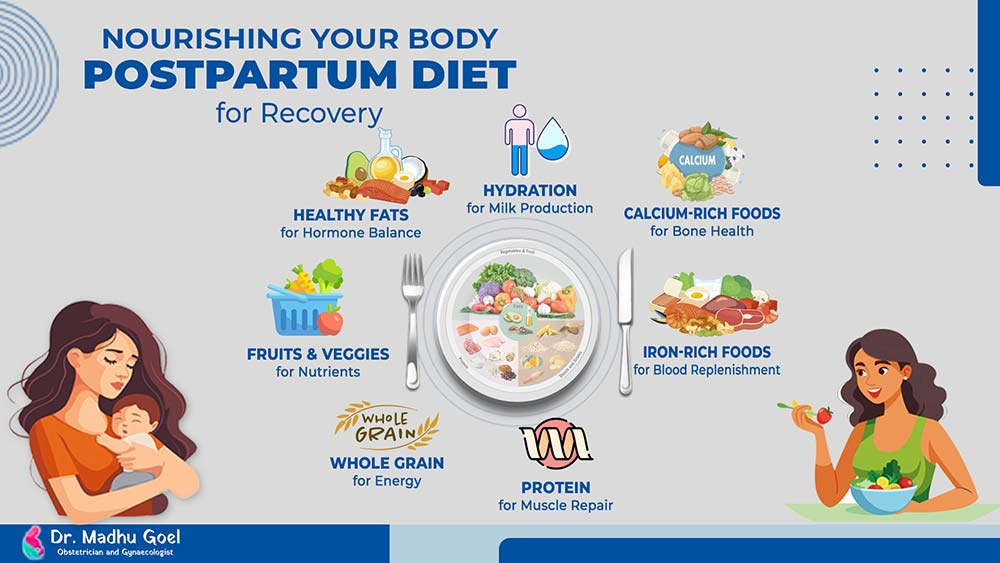
No guide on nutrition and pregnancy would be complete without a quick blurb on what you’re supposed to eat after you have the baby.
That so often gets left out of the equation!
Your postpartum diet will be primarily determined by whether you are nursing.
We’ll start with the assumption that you’re bottle feeding, since that comes with fewer instructions!
If you are bottle-feeding, you don’t have any unusual nutritional requirements to meet.
The diet you were on when you first got pregnant is perfectly sufficient, although until the bleeding from the delivery stops, you are going to want to consume a little more protein, iron, and fluids than you would otherwise.
Of course, if your diet before you got pregnant wasn’t all that healthy to begin with, then you may want to take advantage of the fact that you’ve basically spent the last nine months readjusting your eating habits and give your diet a kick start.
The first thing you want to do is forget the words soda, candy, cookies, and fast food.
These are all empty calories, and while the occasional chocolate fix is going to do wonders for your nerves when you aren’t getting any sleep, it’s not going to do anything to help you drop those pregnancy pounds.
Remember, it took you nine months to gain that pregnancy weight, and it’s going to take you nine months to a year to lose it-if you’re Wonder Woman.
It takes most women until their child is between eighteen months and two years to lose most of their pregnancy weight, and in about 90% of the cases, an extra five or ten pounds hangs around just to remind them that they gave birth.
(Like the sticky fingerprints on your windows weren’t enough!)
It’s important that you be prepared for this, because many women who fail to lose all of their pregnancy weight in the first six to nine months through a healthy diet and exercise turn to crash dieting instead, urged forward by stars such as Uma Thurman and Reese Witherspoon who appear to look gorgeous and thin within weeks of giving birth.
All of those stars that got their figures back within three or four months did it by hopping back into a strict diet and exercise regime long before you’re going to be ready (or able) to do so unless you have a nanny and a personal trainer, so don’t worry about it!
Most people are going to be too busy looking at the little bundle of joy in your arms or your stroller to pay attention to the extra weight you’re carrying.
When you’re attempting to lose weight after giving birth, and you don’t have to compensate for the fact that you’re nursing, you can cut your caloric intake back to your pre-pregnancy RDA, less 500 calories a day.
Cutting 500 calories a day from your diet will allow you to lose a pound a week, a little more if you increase your exercise.
When you’re chopping those calories from your diet, make sure that you’re doing it in the right places.
You still need to take in your daily RDA of vitamins and minerals to recover properly and get back into shape.
You’re not going to be able to do anything, including take care of your baby, if you’re anemic or malnourished.
As mentioned earlier, the first place you want to start cutting calories is in your fats and sugars.
If you spent pregnancy happily enjoying the fact that, for the first time, people actually expected you to gain weight, you may have developed an incurable sweet tooth by this point in time.
If you find yourself constantly gravitating toward sugary drinks and sweet or fatty foods, this is the time to nip it in the bud.
Right now, your body is going to be fairly accommodating about losing the weight you gained while you were carrying a baby.
Take advantage of that!
Following the basic guidelines laid out by the Sonoma Diet is a great way to wean yourself off unhealthy foods and get your dietary habits back on track for a lifetime of healthy eating.
The Sonoma Diet essentially puts you through a 10-day “Boot Camp” that takes away your sugars, fats, and high-calorie foods while still ensuring that you eat enough of the nutrients you need to be both healthy and, believe it or not, full.
Although you’ll be cutting your portion sizes, you’ll be eating foods that fill you up faster and keep you filled up longer, so it’s one diet you actually won’t have to suffer on!
The first 10 days of the Sonoma Diet require you to abstain from eating or drinking anything that doesn’t fall into one of the following categories:
- Water
- Unsweetened tea with lemon (hot or cold)
- Black coffee
- Fresh green vegetables, such as celery, spinach (which is exceptionally good raw), or broccoli, which you can eat as much of as you want
- Whole grain breads (3 servings/day)
- Low-fat protein sources (lean meats, legumes, eggs) (3 servings/day)
- Dairy (in small portions) 1 serving/day
At the end of the ten days, you’ll be able to see a noticeable difference in your weight, and you’ll find that the cravings you had for soda, potato chips, and sweet stuff have begun to wane.
After that, you’ll be permitted to slip different types of vegetables into your diet, such as carrots and peas, as well as an increased number of dairy servings and two to three servings a day of healthy fruits.
You can visit www.sonomadiet.com for more information and recipes (available without joining the program), or visit your local library.
The book form of the diet is probably available somewhere nearby.
The Sonoma Diet is simply a quick way to jump-start your weight loss and get you on a healthy eating course.
It isn’t the only way to go, so if you don’t want to spend the money on the program, don’t worry about it!
Following the guidelines mentioned above, after the first ten days, attempting to cut sugary sweets and drinks out of your diet and not allowing yourself to overeat (eating even though you aren’t really hungry because everyone else is or because you do not want to allow it to go to waste) will go a long way toward helping you lose that pregnancy belly.
If you are nursing, you will want to be a little more careful about what you eat.
Some foods can enter your breast milk and affect your baby, so you are going to want to choose wisely.
Listed below are some common foods that cause problems in breastfed babies, so it would be wise to steer clear of them for a while longer.
Caffeine
You wouldn’t let your baby drink coffee from a bottle, which is exactly what it’s going to do when you drink a cup and then breastfeed.
While the occasional cup of Joe is unlikely to hurt anything, regularly giving your baby caffeine could result in a budding young insomniac, the last thing you need when they’re not sleeping through the night anyway.
Spicy foods often bleed through into your breast milk and cause gassiness and fussiness in your baby, particularly if you did not eat them regularly during pregnancy.
Alcohol
An occasional drink of alcohol is okay (after all, you managed to wait for nine months), but more than one drink can bleed through into breast milk.
If you have had more than one drink, or plan to have more than one drink, wait two hours after you finish your last before nursing again.
Moderate to heavy drinking that would result in alcohol remaining in your bloodstream for several hours is strongly discouraged when you’re nursing.
Dairy products.
This is going to be a trial-and-error determination, as you certainly need to still get your RDA of calcium while you’re nursing.
If your baby appears fussy or gassy after nursing when you have been consuming high amounts of dairy, or if they display allergy or intolerance symptoms such as hives, diarrhea, vomiting, or eczema, try cutting back to see what happens.
Aside from alcohol and caffeine, your diet isn’t going to be all that limited while you’re nursing.
If you notice that your baby is particularly unhappy after a feeding or more colicky than normal at the end of the night, take the time to go back through and think about what you ate that day.
Was it anything you ate that they may have reacted to before?
Finding out whether a breastfed baby has a food allergy or intolerance is much more difficult than with a bottle-fed baby, and it is going to require a great deal of sleuthing on your part.
For example, say that you had the Kung Pao chicken for dinner.
It’s now two in the morning, and your little angel is still screaming.
You remember that this happened the last time someone brought Chinese home as well.
Eliminating Chinese food from your diet may alleviate the symptoms, or you may have to try something else.
With a little trial and error, you should be able to get a fairly accurate determination of the problem long before it becomes a major issue.
Exercise
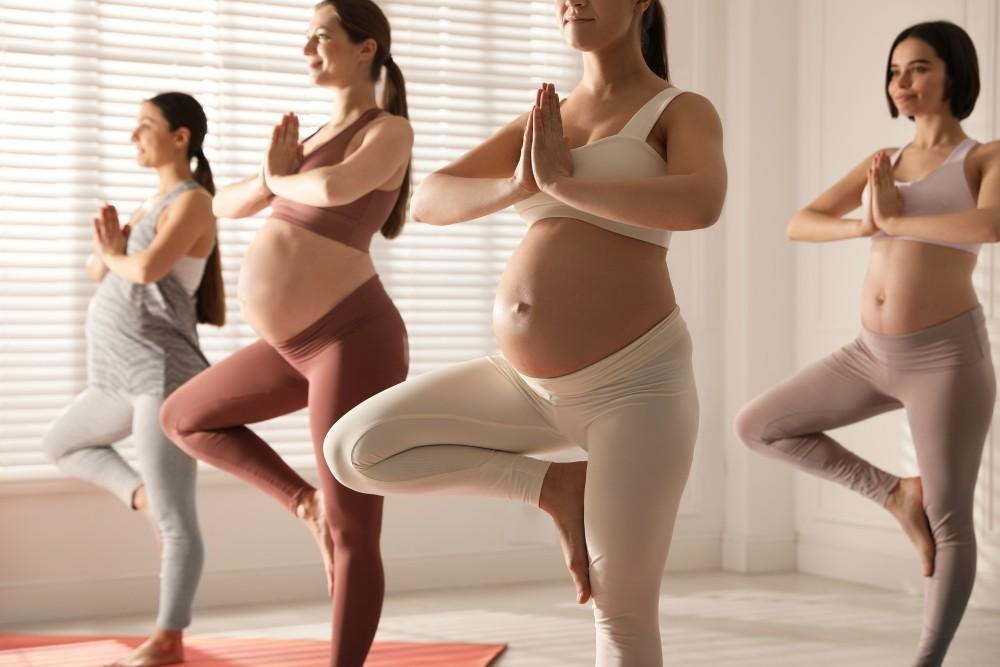
Since no truly healthy diet would be complete without a regular exercise regimen, we’ll go ahead and wrap it up with this.
The concept of exercising when you’re nine months pregnant might seem appalling right now, but regular exercise has actually been shown to make both pregnancy and delivery go much more smoothly for both mother and baby.
The days in which women were expected to stay in their beds for the duration of their pregnancy are fortunately long over, and if you exercised regularly before you became pregnant, you will enjoy being able to continue to do so until you deliver.
The only difference between exercising when you’re pregnant and when you’re not is that you need to take much more care not to overdo it.
Women who consume too few calories while pregnant and exercise too much have been shown to stunt the growth of their fetus, so do everything in moderation.
A good guideline to exercising when you’re pregnant is that if you are too out of breath to speak while you are doing it you would probably be better off putting it aside until after.
This isn’t the time to start training for your first five-mile marathon, but if you regularly exercise for twenty to thirty minutes a day, you should be able to continue with your normal routine.
Your pre-pregnancy fitness level will be the determining factor in what you can and cannot do while pregnant.
One factor you do need to consider is the impact of your exercise routine.
While high-impact exercise during the first eight weeks (when you usually don’t even know you’re pregnant) hasn’t been shown to cause problems, doing these exercises as you progress places you at a higher risk of injuring yourself and, potentially, your baby.
As soon as you realize you are pregnant, you should consider switching to a low-impact, strength-focused training regimen.
Pilates, yoga, swimming, and walking are wonderful for expectant mothers, although you should be wary of placing too much strain on the stomach muscles when doing Pilates.
Dancing and step aerobics are also wonderful for helping you stay fit if you can’t stomach the thought of giving up your energetic exercise regimen.
Strength training will help you build muscle in your back, neck, and legs, making it much easier to carry 20 pounds of baby around in your ninth month.
Try to avoid anything that requires balance as you roll into your second and third trimesters, since your center of gravity is going to shift and cause you to be more awkward than you were previously.
Contact sports that could cause abdominal injury, such as basketball or soccer, should also be avoided from the very beginning.
Abdominal injury, even when accidental, can cause miscarriage at any point in the pregnancy.
Your reputation for athletic prowess will remain until you can safely get back on the court.
Regardless of the type of exercise you choose to participate in while you are pregnant, you should clear it with your physician first.
This is especially true if you have not regularly exercised previously or you regularly participate in strenuous activities, such as high-impact aerobics, timed swimming, or running.
They may recommend that you steer clear of some of the exercises you previously enjoyed until after you have given birth to help keep you and your baby safe and healthy.
Be careful not to exercise to the point of exhaustion and not to become dehydrated.
Drink plenty of fluids when you exercise, and if the heat is extreme, stay inside instead of gearing up for that hike you had in mind.
Also, try to avoid exercising either on an empty stomach or right after a meal.
The drop in blood sugar you are going to get from not eating might cause you to become dizzy and collapse while you are exercising, and working out on a full stomach, when you have a baby pushing on it from the other side could make you nauseous.
When NOT to Exercise when Pregnant
If you have a medical condition such as diabetes or pre-eclampsia, you are at risk for pre-term labor, you have an incompetent cervix, or you have experienced PERM (preterm rupture of the membranes, which means that your water has already broken or you are leaking amniotic fluid) talk to your doctor before starting any kind of exercise routine, even a mild one.
They may recommend that you spend time on bed rest to help keep your baby safely inside you and growing for a little bit longer, and exercising in this instance may do more harm than good.
Post-Partum Exercise

The good news is that when you’ve given birth, all bets are off.
You can exercise to your heart’s content!
The bad news is that during the first six weeks to three months of your recovery period (longer if you’ve had a caesarean), your body is still going to be healing itself.
Overdoing it at this stage will only drag this process out further.
Attempt to keep to the same low-impact exercise program you participated in during your pregnancy until you’re feeling completely back to normal.
If anything feels uncomfortable or you find yourself getting tired, stop and rest.
“No pain no gain” doesn’t apply when you’ve just had a baby!
You have the rest of your life to work off those pregnancy pounds, so taking a couple of months to just enjoy being a Mom and let yourself heal is perfectly acceptable.
Remember that if you are nursing, you have to make sure you’re consuming enough calories to provide for your baby while you’re working out.
The last thing you want is for your baby to start becoming malnourished, and breastfeeding burns an incredible amount of calories all on its own.
You’ve already got a built-in, low-impact, highly effective weight loss system.
Enjoy it!
Conclusion
Staying healthy during pregnancy is not difficult if you know what to do.
Women have been giving birth for millennia, and most of them didn’t have an anxious OB hovering over them every two to four weeks to ensure everything was moving along as it should.
If you can follow the basic guidelines listed throughout this article and throw in a heavy dose of common sense, you will be well on your way to a happy, healthy baby in no time at all.