Chinese Herbal Medicine: History, Foundations, and Therapeutic Applications

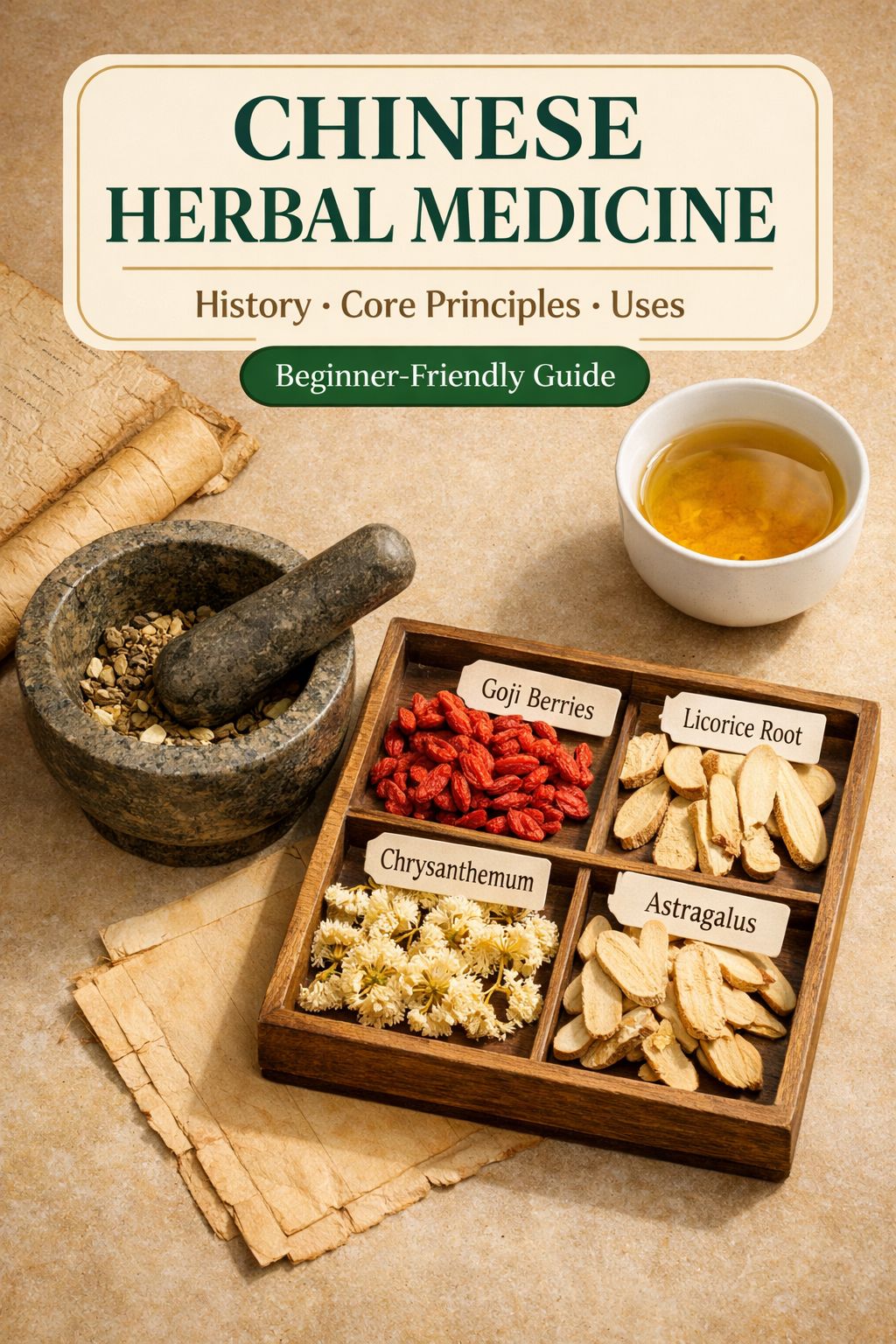
The fast advancement in the science and technology has no doubt provided mankind with many conveniences and facilities in the field of medicine, but even now we cannot deny the significance and importance of the herbal cure and treatment.
Chinese herbal medicine has great antiquity and history with beneficial and curative roots extending back to Zhou Empire, Late Bronze/Early Iron Age at about 2500 to 3000 years ago.
Due to its shamanistic origins, the current form of etiological concepts is the roots of the ancient herbalism in China now days.
In the latter half of the first millennium, there was a troubled socio-economic environment was prevailing in the China and this philosophy and idea of the causes of disease in human society related directly to that disturbed environment of the country at that time.
During that dark time of depression and distress, people found the only solution of the sickness in herbal medicine to extirpate those unwanted intruders.
That laid the foundation of the traditional Chinese herbal medicine.
The value of herbal medicine is claimed to be one of the most important traditions in China.
Scientists working in this field have claims that herbs prescriptions and materials contain active components that can explain many of their actions.
Drugs have been developed from those herbs and by them the treatment of many hilarious diseases is possible now.
These herbs have a history of more than 2000 years old and since than many useful components have been added in it to make it more effective and valuable.
It also decreases the side effects and sometimes replaces them completely.
Early Evidences of Chinese Herbalism

It is strange to know that the early evidences of the Chinese herbalism were found from the graves of an aristocrat and a physician.
These persons belonged to the famous Han Era of 202 BCE to 220 CE.
Valuable medical data and literature of herbalism were found from the grave of the Han aristocrat at a place named Mawagdui in 1973.
The medical data was written on silk scrolls.
It is very interesting to know that the person was buried in 168 BCE which proves that this valuable medical information and herbal formulas are more than 2000 years old and were used effectively by the people of that time.
The herbal literature was based on two hundred and forty seven substances used by the people to cure different diseases.
Very important pharmaceutical data and prescriptions based on herbology was found from the tomb of Han Physician in Wu-Wei county, Kansu province.
The grave contained 92 wooden bamboo slips, providing herbal data and medical records included a list of some thirty prescriptions about a hundred drugs.
History of Traditional Chinese Medicine and its Expansion
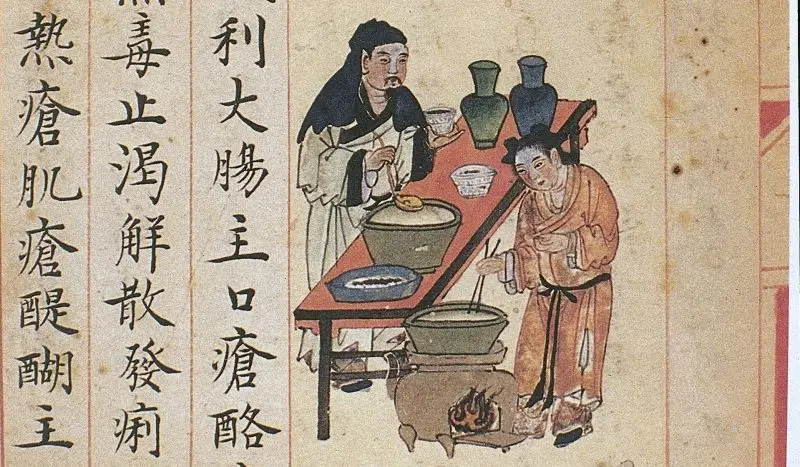
Traditional Chinese Medicine (TCM) has a long history.
Almost 2000 years ago, canon of medicine was produced in China which is still in existence.
This article discussed the experiences, treatments and theories of medicine in full detail.
It also lays the foundation of the theories of TCM.
After that in 300 A.D there was a famous eastern doctor Zhang Zhongjing.
He gave a systematic and methodical study to the Canon of Acupuncture and problems in medical.
He also gave a thorough study to the other valuable prescriptions of that time too and at last he wrote a book ‘Treastise on Ferbile Diseases and Miscellaneous Diseases’.
It includes the analysis, diagnosis and treatment of different diseases.
Later that book was divided in to two parts: Ferbile diseases and Synopsis of Prescriptions of Golden Chamber. Both have 113 and 262 prescriptions respectively.
It also laid the foundation of the clinical medicine and is considered to be a great achievement in this field.
It is also known as the earliest ancestor of all other books in the study of herbal prescriptions.
Furthermore the contribution of Huang Fumi (215-282 A.D) is also remarkable in TCM.
He also compiled a book by rearranging the basic concepts of Plain Questions, Canon of Acupuncture and An Outline of Points for Acupuncture and Moxibustion.
This book was regarded as one of the most required reading book in Japan for the B.M candidates.
It has put forth a great influence upon the medicine of acupuncture and moxibustion all over the world.
Later Chao Yaunfang and Sun Simiao gave an excellent break through to the chinese herbalism by originating new ideas and writing remarkable pieces of writing.
The later wrote two books: Prescriptions Worth a Thousand Gold for Emergencies and A Supplement to the Essential Prescriptions Worth a Thousand Gold. Chao worked on Etiology and his notions still exist in the TCM.
More attention was paid on TCM in Song Dynasty and the time of a great physician and pharmacologist, Li Shizhen.
Development in Chinese Herbalism
After that there was a rapid development in the field of herbal medicine in china.
It increased to a level of therapeutic sophistication. With the excellent work of Taohong Jing and his workers there was a remarkable advancement in herbalism in china.
By 1596, the Ben Cao Gang Mu of the Ming medical literatus Li Shizhen demonstrated the apex of Chinese herbalism.
Then in the centuries of Imperial Era, Chinese herbal medicine continued to develop.
Despite of many hindrances this field continued to develop in a very successful way and now if people wants to get a more natural approach towards the herbalism they definitely concerned the herbal data of China.
Now days this subject of Chinese medicine has became very popular among the world and in Australia, The University of Technology in Sydney introduced it as a separate subject.
It is one of the only few universities in the world which provides an undergraduate degree in Chinese Herbal medicine.
It was the second University in Australia to set up a study program in acupuncture.
Treatment of Diseases
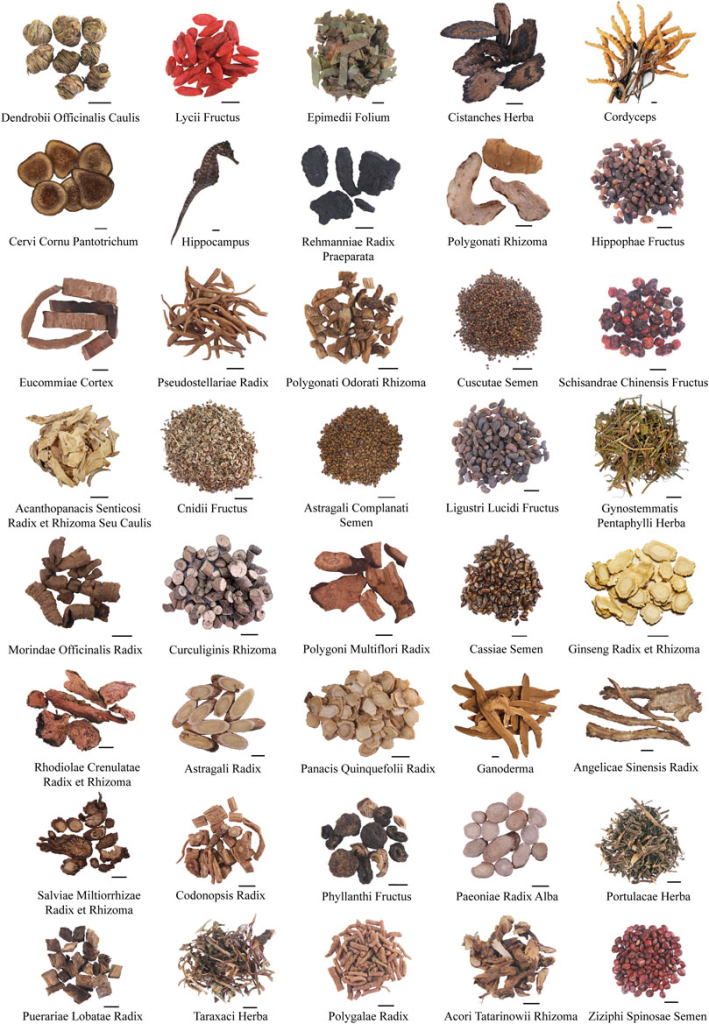
Treatment of many diseases is possible through the Chinese herbal medicines with far less side effects.
Following are the few common diseases and the methods of their treatment through TCM.
Moreover, the herbal formulas are designed in such a way that its influence on different body parts are balanced by the other herbs and thus each part of body received the desired effect.
Constipation
Constipation is associated with the uncomfortable movement of bowels. This usually happens when stools pass through the intestine in a slow manner.
Constipation has many causes including serious diseases like depression, hyperthyroidism, and colon cancer.
A deficiency of qi, blood, yin, or yang can be a major cause of constipation.
When qi is deficient, the person does not have energy which is necessary to move the bowels and the person is exhausted and tired after trying to do so.
A good remedy for this type is Shen Qi Da Bu Wan, which has qi tonics like Astragalus (huang qi) and Codonopsis (dang shen).
Cannabis seeds (huo ma ren) are a good supplement or addition, since they are a nourishing, lubricating laxative.
They are now easily available in health food stores in the shape of hemp seed oil.
If there is deficiency of yang, the person feels cold and may suffer low back pain.
In this case, the remedy should also contain Cistanches (rou cong rong); the patient is advised to eat walnuts (hu tao ren), which is a lubricating yang tonic.
If deficiency of yin is the main cause, the person experiences small, hard, dry stools, thirst, night sweats, and a red tongue with very little or no coating at all.
The medicine for this case is Rehmannia Teapills with the addition of some hemp seed oil.
Acute constipation is comparatively easy to deal with one or two acupuncture treatments and herbal laxatives.
The most significant acupuncture point for this condition is Stomach 25 (“Heaven’s Axis”), located on the navel on either sides.
Herbal laxatives varying in strengths from mild lubricants to strong purgatives can often bring relief within a time period up to one day depending on the severity of the constipation occurs.
Chronic constipation is majorly due to a lacking of one of the vital substances, making tonifying herbs the treatment of choice.
The herbs and acupuncture points are applied according to which vital substance needs to be stimulated or nourished.
Fully correcting the equilibrium of the body and correcting the balance can take a time period from few days to few months, with a weekly acupuncture treatment acting to maintain qi flowing through the intestine.
Diabetes
In Chinese medicine, diabetes is considered to be a condition which causes disharmony in the body called wasting and thirsting syndrome.
Diabetic can often experience severe thirst and hunger along with lose of weight.
There are many herbs.
One Chinese herb that has shown beneficial effects in the treatment of diabetes is called mai men dong or ophiopogon which is used in the treatment.
Research shows that it can aggravate the generation of cells in islets of langerhens in the pancreas, which are responsible for the production of insulin and therefore regulate the process of blood sugar in the body.
Stimulation of regeneration of these cells can reverse diabetes in adult-onset diabetics.
Another Chinese herb that has shown good results for people with high blood sugar is tian hua fen or trichosanthis.
In research studies tian hua fen has shown to be effective in reducing the sugar level. Other commonly used herbs are astragals and Chinese wild yam.
An Asian vegetable which is also being used as an herb, called bittermelon, or momordica charantia seems to be effective in lowering blood sugar levels in diabetics in researches done in China and in Thailand.
In Asia, this herb is potentially applied for treating AIDS, HIV, and hepatitis C.
The Chinese herbal formula Ming Mu Di Huang Wan is used in China for the visionary or defects of eye which are caused due to diabetes.
Other herbs are also being used to enhance blood circulation and healing process.
It is necessary to monitor the sugar level while taking these herbal medicines so hat the doctor can adjust the dose accordingly.
Cancer
The major cause of death in the world including china is disease named as cancer.
Conventional western style treatment is being used in china since 1960’s but the side effects of treating cancer with chemotherapy; radiation and surgery are great.
This has led the Chinese government to invest funds in capitalizing treating cancer with the herbs.
One such thing is the routine use of fu zhen therapy, an immune enhancing the herbal regimen along with chemotherapy and radiation.
Fu zhen therapy has shown some influence in protecting the immune system and to increase the survival rates , when used in conjunction with the modern chemotherapy and radiation techniques.
Herbal antitoxin therapies are also used commonly.
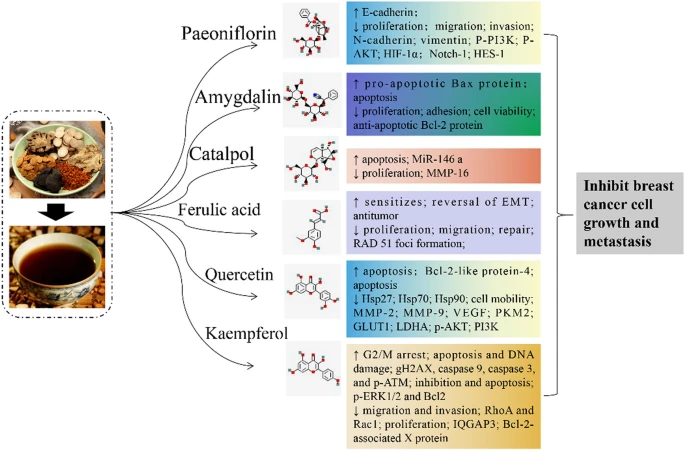
These herbs prohibit and stop the tumor growth by variety of mechanisms.
Kelp and pokeroot are among those herbs which are believed to inhibit the tumor growth.
In the United States, it is very rare that a patient is solely treated with the Chinese herbs although sometimes the results obtained by treating cancer by these herbs are very encouraging and beneficial.
Chinese treatment can be an efficient way of treating cancer patients along with the modern western style treatment.
In china, chemotherapy, radiation and surgery are considered to be the only method of treating if the patient is viable or is in a vulnerable condition because of last stage or seriousness of disease.
Conventional treatments with herbs are often done with the patient when there is time available.
Although Chinese energetic therapies such as herbal medicine and acupuncture may eventually eradicate or get rid of the pathologic matter, but the problem is that they might take more time then the patient actually has.
Many practitioners in china say that the best result of treating cancer can be obtained only if the treatment is done with both methods.
The western style includes the chemotherapy, radiation and surgery along with the conventional herbal treatment, pursuing with the suitable diet, Chinese yoga and therapeutic exercise.
Nearly all of the Chinese herbs used today are further divided into three categories: Tonic herbs, toxic clearing herbs and blood activating herbs.
Tonic herbs increase the immunologically active cells and proteins, so they enhance our immune system so that it can resist the disease in a better way.
Toxic clearing herbs remove the toxic and germs of waste products from the destruction of germs and tumors.
So these herbs are providing cleaning action.
Blood activating herbs reduce the coagulation and inflammatory reactions which are directly associated with the immune system.
So they control the reaction of the immune system. Herbal therapy in cancer treatment can increase appetite, reduce nausea and vomiting, and increase stress.
Acne
Acne is a skin disease usually common among people who are between 25 years to 45 years of age.
Traditional Chinese medicines see acne as a result of environmental heat.
The name used for acne in Chinese medicine is “fei feng fen ci“, or “lesion of the lung wind”.
Lungs are very important organs in our body and according to the Chinese theory our skin is totally dependent on our lungs to gain beneficial ingredients from our food like water and grain.
It helps to keep our skin smooth and fresh.
When the lungs and digestive system malfunction, the disorder can occur.
In this case any sort of high fat diet can increase this problem. This overall imbalance in the Chinese terms can cause acne.
Traditional Chinese medicine generally classifies acne into three main categories: the blood-heat type, the phlegm-accumulation type and the toxic-heat type.
Blood heat type
The main symptoms are red papules, tubercles, acnes and inflammatory infiltration around them, and these conditions are usually followed by burning sensation and the tip of tongue gets red.
Its therapeutic treatment includes; clearing away pathogenic heat and cooling of blood. The suggested treatment used is decoction of loquat leaf for clearing the lung path with some additional ingredients.
Phlegm-accumulation
Main symptoms and signs: Skin lesion is mainly accompanied by acne, in durative acne and cystic acne, along with white and greasy fur on the tongue and slippery pulse.
Therapeutic principle includes decreasing phlegm, resolving masses, regulating the ying system and eradicating pathogenic heat.
The Suggested formula used is Two Old Drugs Decoction of peach kernel and safflower with supplementary ingredients
Toxic-heat
Main symptoms and signs include Malar flush, scattered inflammatory nodules, acne, abscesses and furuncles on the face, associated with red tongue with yellow fur and slippery and rapid pulse.
Therapeutic principle includes removal of pathogenic heat and toxic materials, and cooling the blood and resolving masses.
Suggested treatment includes Antiphlogistic Decoction of Five Drugs with supplementary ingredients.
Depression
Depression is the most complex sort of disease among all.
It has many causes to occur e.g. if a person’s self esteem is hurt or the mood is varying etc.
It may also be caused due to chronic pain, chronic fatigue, normal grief, vitamin B12 deficiency anemia, foliate deficiency anemia, viral disease, connective tissue/collagen disorders (arthritis), an organic brain disorder, drug side-effects, cancer, and endocrine abnormalities along with endless other causes.
Chinese medicine can help in impairing the depression.
One of the methods used in treating depression in traditional Chinese medicine is the 5 element system.
The 5 Elements are Earth, Wood, Metal, Fire and Water.
Each element has its own particular strength, weaknesses, color, sound, etc. the most common elements in depression are Earth, Water, and Wood.
Cortex Albizzia Julbrissin (mimosa tree bark) is a TCM herb which is used to nourish the heart and calm the spirit. It is used for spiritual healing as well.
This is used to get rid of emotional constraints which are further a cause of many other diseases.
It not only relieves pain but also removes swelling which is caused due to trauma.
The flower of the mimosa tree is also used to calm the spirit and also to relieve liver qi which is constrained.
TCM is a medicine which integrates both the body and the soul or mind. So it can be looked as a viable solution for treating depression.
Intestinal Parasites
The different types of herbs are classified according to its characteristics for the treatment of different diseases.
Usually a prescription in Traditional Chinese Medicine contains maximum twelve herbs. With the use of
Chinese herbs the successful treatment of Blastocystis Hominis Infection is possible.
By using the standard Pinyin transliterations, herbs are named after traditional Chinese names.
One of the most common parasitic organisms is Blastocytis hominis.
Many people throughout the world are affected by this (single-cell protazoan) infection.
It can be treated through the Chinese herbs if the infection is found in the intestine of human body.
Generally, it can remain in the intestine for many years but cannot be treated if no symptoms of this infection are found.
Loose stools, abdominal cramping or pain, diarrhea, anal itching, flatulence and weight loss are the symptoms of it.
Infection rates of any infection are usually higher in rural and developing areas due to unhygienic and dusty environment.
Treatments include the antibiotic metronidazole (Flagyl), a combination of sulfamethoxazole and trimethoprim (e.g. Bactrim, Septra) and the antiprotozoal iodoquinol (e.g. Yodoxin).
The patient is usually treated for maximum one week with the herbal formulas.
Response to medication for blastocystosis differs greatly, and indication may not improve, even with abolition of the parasite or sponge.
Arthritis
Arthritis is associated with pain in joints and it can occur in many conditions.
Gout, fibromyalgia, pseudogout, lupus, psoriasis with psoriatic arthritis, rheumatoid arthritis are some of the more typical and common conditions that can cause pain in the joints.
The most common form of arthritis, osteoarthritis, can be treated solely with the Chinese herbs.
Some strong type of arthritis may require drug treatment which can be combined with the Chinese herbal treatment to produce beneficial effects.
If a person is suffering from osteoarthritis then gradual loss of the protective and lubricating cartilage that allows for smooth movement the bones start to rub together causing pain and inflammation is obvious in the patient.
The Chinese herbs used here aim at rebuilding and restructuring the connective tissue and supporting the cartilage.
The cortisone injections can reduce pain in some cases but it does not support the cartilage and bones.
In fact in some cases it weakens it by taking away some of the important minerals from it.
In this case Chinese herbs are very beneficial because they strengthen the cartilage and bones along with treating the disease.
How to reduce weight
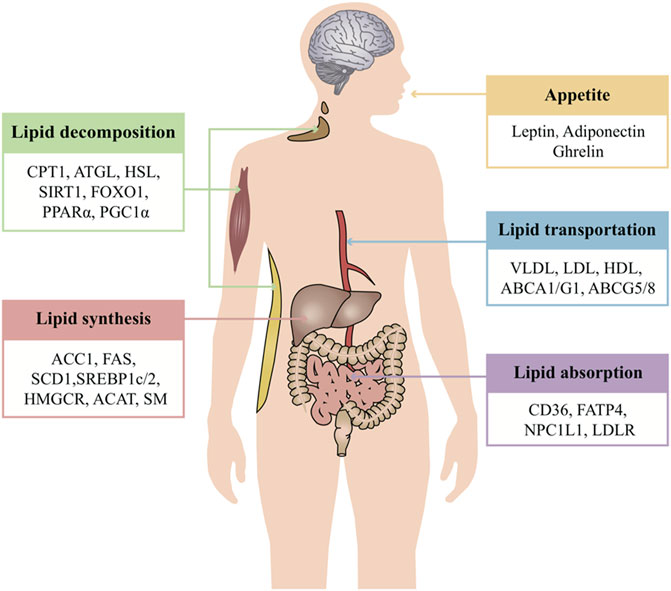
China is the largest populated country in the world.
But it is an amazing fact to know that you will hardly find a single fat person there.
Chinese medicine for weight-losing has a long history of over 5000 years.
Losing your weight through Chinese herbs can save you from any chemical side effect of a normal medicine.
That is the main reason that people are rarely fat in china.
The routine use of Chinese herbs and its effects makes the people slim, smart and fit.
Slimming has never been in the priority in the Traditional Chinese Medicine (TCM) as it has never been a major problem in China like it id in the Western countries.
Yin-Yang philosophy and the five elements is an ancient Chinese theory.
According to the research of Traditional Chinese Medicine, people gain the wait due to the unhealthy interaction of Yin-Yang and the disturbances in the balance of body organ functions.
Scientists say that when you eat the following process takes place in your body: the food is digested, the nutrients are absorbed and the waste material is extracted from your body.
If there is an imbalance in any of these processes it may lead to the gaining of weight due to the retention of water, fat or food.
As mentioned above that slimming is not the major focus in the field of Chinese herbal medicine, however there are many people who worked on it and claims to have a weight reducing formula using Chinese herbs.
In fact two Chinese herbal medicines for reducing weight were even banned in China because it was debated that a banned substance N-nitroso-fenfluramine was mixed in those herbal weight loss solutions.
This banned substance could have caused heart problems for the people using it.
These two drugs were marketed and sold on internet as a natural weight loss supplements but later they were banned in China due to the severe side effect.
Most commonly used Chinese herb, Ma Huang or ephedra has also been known to cause heart valve conditions and is banned in the country.
TCM is not in the favor to use any Chinese medicine for the treatment of obesity. Almost all the chinese herbs are mixed with other herbs to treat the fatness.
But the combination of different herbs and medicines is based on the metabolic and physical conditions of each individual.
The term ‘spleen’ is very important in this matter.
The function of Spleen is to control the transformation and movement of fluids by managing muscles and flesh effectively.
It has been proved that the Spleen can be damaged or badly affected by the excessive in take of food.
Even if it’s the part of your nature to take heavy meals through out the day, you must exercise daily.
Chinese Green Tea
One of the easiest and safest ways to become slim and smart is to take Chinese herbal green tea daily.
Chinese green tea is highly beneficial and processed differently from the other green teas. It helps you losing your weight in a way that it speeds up the body metabolism rate and burns the calories faster.
It has a typical flavor and taste. Green tea represses the appetite.
The main point to be considered here is that there is no cure in any type of therapy to weight loss.
TCM also suggests active life-style and exercise on daily basis to reduce your weight as it is the most effective and harmless way to become slim and smart.
Chinese Herbs and side effects
It is a common belief of people that around two thousand years back the Chinese herbs were originated in Zhou Dynasty and now these herbs are becoming famous day by day and nee development is being occurred in this field.
Chinese herbs are mixed with each other in order to make a drug for treatments of various diseases.
These drugs often have side effects and they affect the human body in a very fastidious way.
The main intention of using these herbs as a treatment is to affect the whole body and because of that sometimes these effects are negative and harmful for the human body.
The reason is that it may have a particular kind of action on the body which is not desired.
The reaction of the herbs directly takes place into the stomach and intestines of human body.
Excessive use of Chinese herbs can cause harmful effects to one’s body and stomach. Taking herbs before meals can also damage your stomach.
There is no doubt that the Chinese herbs are very useful but due to few herbs can be dangerously harmful for you while using them for remedial purposes.
Because over doze of few herbs can be poisonous when taken in and few can lead to allergic reactions.
There are more than 3000 various Chinese healing herbs that can be used for curative purposes.
However, only 300 to 500 of these herbs are commonly used.
Changing your doze without consulting your doctor might be dangerous for you as various ranges of herbs are used in Chinese herbal medicines.
Few prescriptions of herbal solutions include unknown ingredients which might be harmful for your health.
Like other medicines the danger of unwanted reactions and toxic effects remains a main problem for everyone.
There is also a possibility that the herbs themselves might not be dangerous or harmful for the human body but there is also a prospective for adulteration and contagion from other toxic materials which are involved while preparing Chinese herbal medicines.
According to a published study in Trends in Pharmacological Sciences in March 2002 it was concluded that some Chinese herbal medicines can restrain heavy metals or prescription drugs that could have severe side effects.
Conclusion
Treatment through Chinese herbal medicines is a well known method used by the people since many centuries.
These herbs have been used to treat many diseases and conditions and regarded as the most safe and effective alternatives of medicines.
There is no doubt in the fact that these herbs do have some side effects but this reality has not decreased the importance of herbalism around the world.
Chinese herbal medicine is a major feature of traditional Chinese medicine and its focal point is to restore balance of energy, body and spirit to sustain health rather than treating a particular disease or medical condition.
The main goal of these herbs is to provide nourishment and benefits to the body.