10 Immunity Boosting Foods That Fight Disease and Help You Live Longer: The Complete Science-backed Guide


All of us are aware of how important it is to eat a healthy diet to maintain and support our overall health and well-being.
However, it’s all too easy to overlook the role that food can play in boosting our immune systems and helping us to withstand diseases and illnesses.
We all know that if we eat plenty of fruits and vegetables, as well as foods rich in vitamins and minerals, we can ensure a better quality of life, with a lower risk of becoming unwell due to malnutrition or obesity.
Yet, all too often, we don’t realize we need to eat the right kinds of food to keep our immune systems strong.
Without an adequate, healthy diet, we can begin to become unwell and suffer from a host of medical issues.
In this guide, we look at which foods we should eat for optimal immunity and how they can help our bodies combat disease.
We also look at ways to combine those foods to create the ultimate immunity-boosting diet for a longer, healthier life.
Read on to discover more about what you should be adding to your daily diet and the different benefits that those foods could bring to your health and well-being.
With the advice contained in this guide, you should find that it’s easier than you imagined to create the best possible diet to boost your immunity and give you the optimal resilience to disease and sickness.
The Immunity Problem – An Overview

Your immune system plays a key role in your body, keeping you safe from microorganisms that can cause diseases.
If germs successfully invade your body, you can become sick.
So, finding ways to intervene in this process and boost your immunity couldn’t be more important.
Without a strong immune system, the result is a disease.
While some of the illnesses, such as the common cold, may be mild and easily overcome, others can be much more serious and even life-threatening.
So, how can you improve your immunity?
The concept of boosting your immune system is an enticing one; for generations, finding ways to do so has proved elusive.
This is because your immune system isn’t a single entity – it’s an entire system that requires harmony and balance to function effectively.
Even today, researchers still lack knowledge about how the immune response interconnects, and no direct links have been scientifically proven between enhanced immune function and lifestyle.
Nevertheless, that doesn’t mean that the effect of your lifestyle on your immunity isn’t intriguing.
Researchers have been exploring the effects of various factors on immune responses in humans and recommend that the best line of defense for your immunity is a healthy diet.
This will naturally keep your immune system as strong as possible.
How Does the Immune System Work?

Your immune system is your body’s defense from infection, attacking germs and keeping you healthy.
The immune system contains leukocytes, or white blood cells, which play a vital role in destroying invading organisms.
Whenever foreign substances known as antigens are detected by your body, your immune system works to recognize and eliminate them.
When your immune system is strong, it can identify these potential threats quickly and eliminate them rapidly before they have a chance to make you unwell.
However, if your immunity is compromised for any reason, you’re at risk of becoming ill and suffering from a disease caused by the antigens that have invaded your body.
What Affects the Immune System?

There are a number of factors that affect the immune system.
These include:
- Stress – if you’re subjected to prolonged episodes of intense stress, your immune system is affected. Stress increases cortisol production in the brain. This impairs how the T-cells that fight infection work.
- Loneliness – if you’re lonely, your immunity can be impaired. Loneliness-induced anxiety suppresses the immune system.
- Living a sedentary lifestyle – if you sit for too long and avoid exercise, your body struggles to combat infections.
- Excessive exercise – while a sedentary life affects your immune system, so does extreme exercise. Overtraining syndrome is debilitating and makes your body more vulnerable to diseases.
- Nicotine – exposure to nicotine, either through regular cigarettes or vaping can harm your immunity. This is due to the increased cortisol levels induced by nicotine, paired with reduced B-cell antibody production.
- UV radiation – harmful ultraviolet rays can weaken your immune system, affecting the cells that trigger immune responses and lowering your defenses.
- Diet – if you eat unhealthy foods like saturated fats, sugar, and salt, you are at risk of obesity. This impacts your immunity by reducing the function and number of white blood cells required to fight infections.
- Alcohol – excessive alcohol consumption reduces your immune response to any invading pathogens. Acetaldehyde, the major metabolite of alcohol, impairs ciliary function in the lungs, making them more susceptible to viral and bacterial invasion. Alcohol also negatively affects the body’s process of breaking down and attacking viruses and bacteria, increasing the risk of infection.
- Grief – a tragic event may weaken your immune response by boosting the hormones and nerve chemicals that put you at a greater risk of viral infections. Bereavement has been linked with immune imbalances and increased cortisol response.
Ways of Boosting Your Immunity
Modern medicine has acknowledged that the body and mind are closely linked.
Many maladies have been linked to emotional stress, and stress has been shown to negatively impact immune function.
Therefore, one way to improve your immunity is to limit stress in your life.
Practice mindfulness and stress-reduction techniques, such as yoga or meditation, to help increase your resistance to disease.
Taking regular, moderate exercise will also help boost your immunity naturally.
Your immune system requires regular, good nourishment to function properly.
It has long been known by scientists that those who are malnourished have a greater vulnerability to infections.
Deficiencies in micronutrients like selenium, zinc, folic acid, iron, and vitamins E, B6, C, and A can alter your immune response.
Therefore, ensuring you consume enough of these nutrients is imperative to boosting your immunity.
It’s possible to buy supplements that can support your immunity but it’s best to try to achieve this by eating a healthier diet.
Immunity and Your Age

Most of us are aware that as we get older, we experience more diseases and are at greater risk from any viruses out there.
However, we don’t always recognize why this is the case.
As we age, our immune response declines, which in turn leads to more infections and illnesses.
Although some people get older and remain healthy, the elderly have been shown to be more at risk of infectious diseases.
In older people, a connection has been shown between immunity and nutrition.
Older people, in general, often eat less food and have a less varied diet.
This can lead to micronutrient malnutrition, which is known to reduce immunity.
It’s therefore imperative for the elderly to ensure a healthy, balanced diet to protect themselves from illnesses.
With a diet that is rich in vitamins, minerals, and other important nutrients, it’s possible to enjoy a healthy lifestyle right through your later years.
Nutrition for Your Immune System

We’ve all heard the saying “you are what you eat”.
This is especially true when it comes to your immune system.
Research has shown that eating well benefits your immune system.
Your immune system needs good nutrition to function properly, and if you’re malnourished, deficient in micronutrients, or don’t get enough of the right kinds of food to keep you healthy, not only will your overall well-being suffer but your immunity will take a nosedive too.
People who eat a poor-quality diet are unable to maintain a healthy immune system.
As a result, they have a greater chance of developing chronic health issues and short-term illnesses.
You are not only putting yourself at risk of coughs, colds, flu, and other relatively minor conditions, but you’re also more likely to develop more serious medical problems like diabetes, hypertension, or cancer.
Therefore, understanding the link between nutrition and immunity is imperative so you can take action to improve your diet and, in turn, your overall well-being.
Malnutrition and its Role in low Immunity

If your body isn’t getting enough nutrition, the number of white blood cells decreases, making it harder to fight infections and heal diseases.
When you are malnourished, your body cannot recover fully, as wounds require protein, energy, minerals, and vitamins to heal.
Also, if you’re malnourished, you are at a higher risk of cancer and will struggle to tolerate the chemotherapy necessary to treat it.
Of course, if you’re malnourished, you will also be at a higher risk of infections and illnesses.
While we tend to think of malnourishment as something that occurs only in developing countries, in fact, there are surprising numbers of people in the USA and other developed nations who are malnourished due to a lack of essential nutrients in their diets.
While they may eat sufficient food, unfortunately, they don’t choose the right foods to provide the nutrition they need.
Choosing processed, sugary, and fatty foods, or those with artificial ingredients, is a surefire way to become malnourished over time.
You may believe that you couldn’t possibly be suffering from malnutrition because you’re eating three meals a day, but if the content of those three meals isn’t well-balanced and doesn’t contain the right components, you may as well be starving yourself.
Micronutrient Deficiencies

The human body requires both macronutrients and micronutrients to achieve optimal health and well-being.
As you might guess from their name, macronutrients need to be consumed in larger amounts than micronutrients.
The human body only requires a small amount of micronutrients to function well.
These minerals and vitamins only need to be consumed in tiny volumes.
However, if you don’t get those small amounts, you are at a much greater risk of disease, and your immune system will certainly feel the negative impact.
Therefore, it’s essential to choose foods that provide ample vitamins, minerals, and micronutrients to stay fit and healthy and maintain optimal immunity.
There are nearly 30 minerals and vitamins that the body cannot manufacture in sufficient amounts.
These are known as essential micronutrients.
If you don’t eat enough foods that contain key minerals, vitamins, and other compounds, you are at a higher risk of some major illnesses like cancer, type II diabetes, osteoporosis, and heart disease.
The best way to ensure you’re getting enough micronutrients is to eat a well-balanced diet that includes lots of legumes, vegetables, fruits, wholegrains, and lean protein sources, along with healthy fats like olive oil and nuts.
There are five essential micronutrients that play key roles in maintaining your immunity.
These are vitamin C, vitamin C6, vitamin E, zinc and magnesium.
They can be added to your diet in many ways:
- Vitamin B6 – eat more chicken, bananas, cereals, potatoes with the skin on, and pork loin
- Vitamin C – eat citrus fruits, tomatoes, kiwi fruits, broccoli, and sweet peppers
- Vitamin E – eat sunflower oil and seeds, safflower oil, almonds, and peanut butter
- Magnesium – eat seeds, nuts, legumes, and whole wheat
- Zinc – eat beef shank, dark turkey meat, and oysters
An Overview of Superfoods

In recent years, you may have heard about superfoods in the media.
These foods are touted as the newest and best ways to keep yourself in optimal condition.
You can keep your body healthy and energized by eating superfoods that are known to improve your immunity, but what are these superfoods, and what do they do to help boost your overall health and well-being?
Superfoods are foods known to contain especially high levels of minerals, antioxidants, and vitamins.
With such a high nutrient concentration, they are ideal for improving your immunity.
The components they contain work together to support your immune system and help it function at the highest possible level.
Some of the superfoods that are known to boost your immune system include:
- Garlic
- Ginger
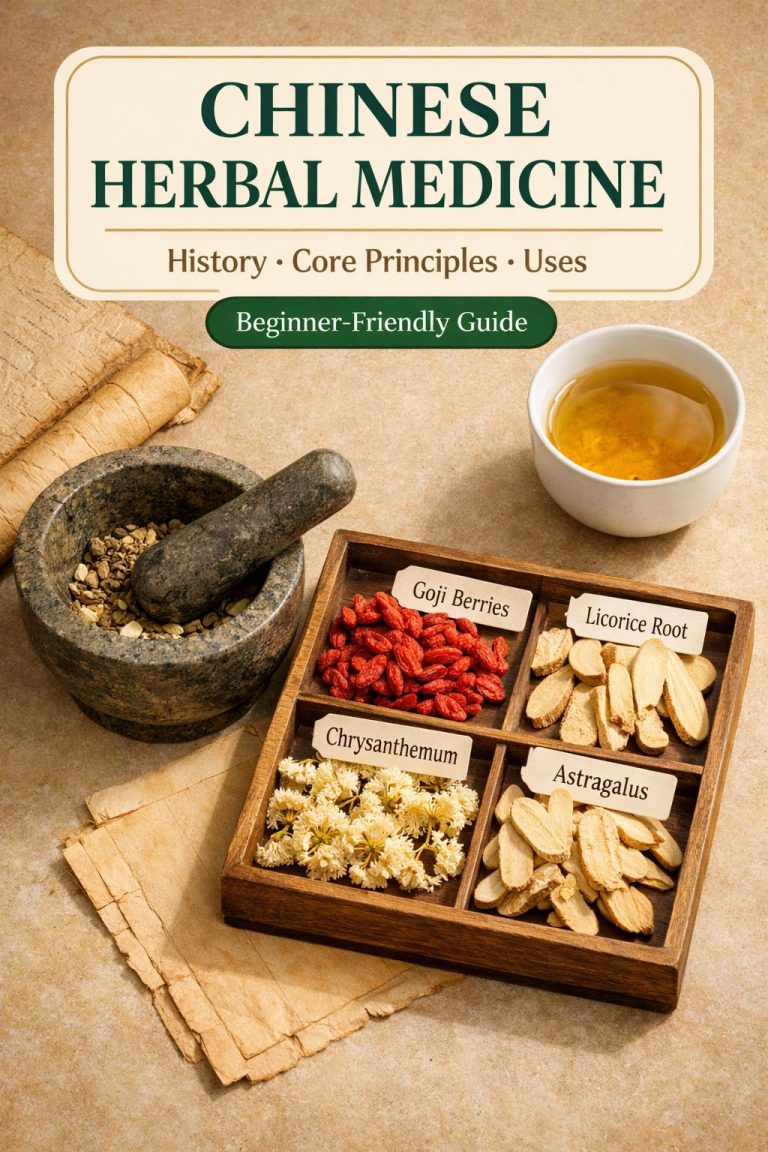
- Goji berries
- Chia seeds
- Matcha
- Kale
- Blueberries
Of course, these aren’t the only superfoods out there, but they are among those shown in scientific research to positively impact your overall health, well-being, and immunity.
By adding some or all of the above foods to your daily diet, you can give your immune system a little extra assistance in doing its job and combating the invading threats it encounters every day, such as bacteria and viruses.
With this additional power, it can keep you healthier for longer and ensure you don’t succumb to illnesses that could make you unwell in the short or long term.
Phytochemicals and Immunity
Phytochemicals have been shown to have an important impact on your immune function and overall well-being.
However, many people are unaware that they exist.
Unlike superfoods, antioxidants, and other well-publicized health-promoting foods, phytochemicals have received little media attention.
Therefore, they are often overlooked, even by those who are eager to give their health a much-needed boost.
In fact, phytochemicals have been studied for decades, but only recently have they been studied in humans.
Yet, findings have shown that these naturally occurring plant chemicals could have a major positive effect on your well-being and immunity.
So, it’s definitely worth learning more about them and incorporating them into your daily diet.
This will promote your immune system’s function and help it to keep you protected from harm.
What are Phytochemicals?

Phytochemicals are plant chemicals that occur naturally and, when consumed, have been shown to interact with the immune system on every level and support it effectively.
Phytochemicals have even been shown to inhibit cancer at each stage of its development, stopping new cancer cells from forming, inhibiting their growth, and removing the toxins that can cause cancer.
They can even influence the gene activity that is involved in the development of cancer and suppress the hormones that have been shown to stimulate the growth of certain types of cancer.
With this in mind, it’s important to be aware of the most beneficial phytochemicals that you could be adding to your daily intake.
The Most Beneficial Phytochemicals

There are several types of phytochemicals that have been shown to be highly beneficial for your immunity.
These bioactive chemicals have been proven to slow and halt cancer progression by inhibiting cell division, altering gene expression, reducing inflammation and free-radical damage, and disrupting the blood supply to tumors.
Quercetin is one frequently studied flavonoid.
It can be found in green tea.
It blocks the production of hormone receptors, growth factors, and other components known to promote cancer growth.
Some other foods that contain phytochemicals that can be beneficial for your immune system include avocados, cranberries, and pomegranates.
Cranberries contain a number of phytochemicals, including polyphenols, flavanol glycosides, proanthocyanidins, phenolic acids, and anthocyanins.
These compounds can reduce the load on your immune system, helping to keep you safe from illnesses.
Meanwhile, avocados are a rich source of carotenoids, and pomegranates are packed with ellagic acid and hydrolysable ellagitannins, both of which are polyphenols.
Black tea and garlic have also been shown to be beneficial phytochemicals.
Garlic contains organoselenium metabolites, while black tea contains polyphenols like epigallocatechin-3-gallate.
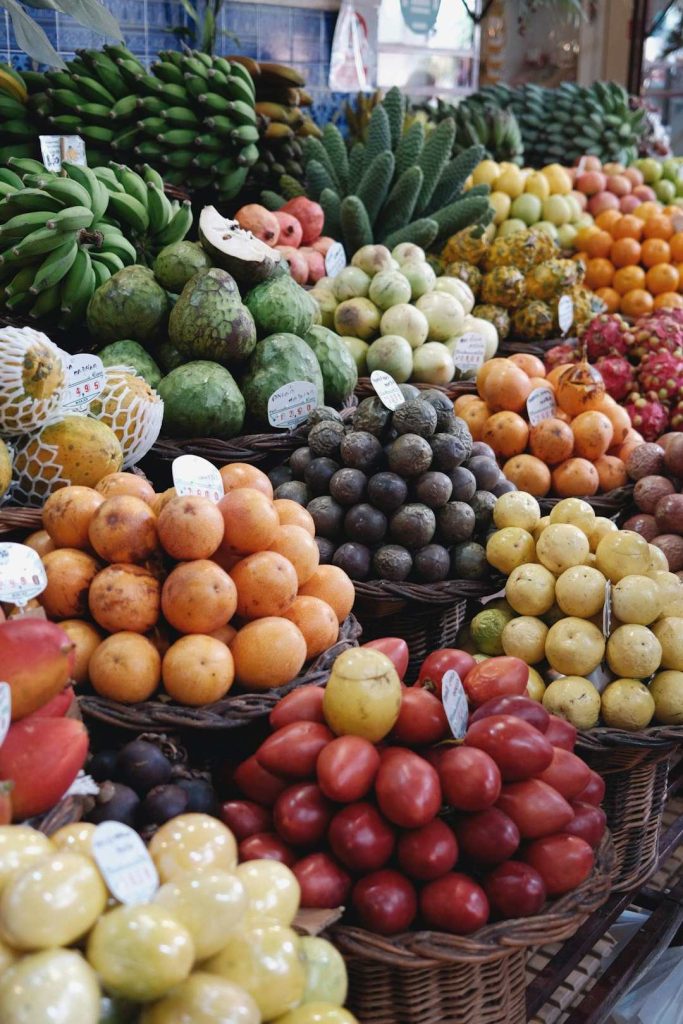
Eating a range of colored foods is one of the best ways to benefit from phytochemicals in your diet.
Red foods like tomatoes contain lycopene, green foods like broccoli contain glucosinolates, and onions and garlic contain allyl sulfides.
All of these compounds are known to boost immunity, so try to include foods of several colors in your meals every day to give yourself the best chance of achieving optimal immunity.
Antioxidants and Immune Health
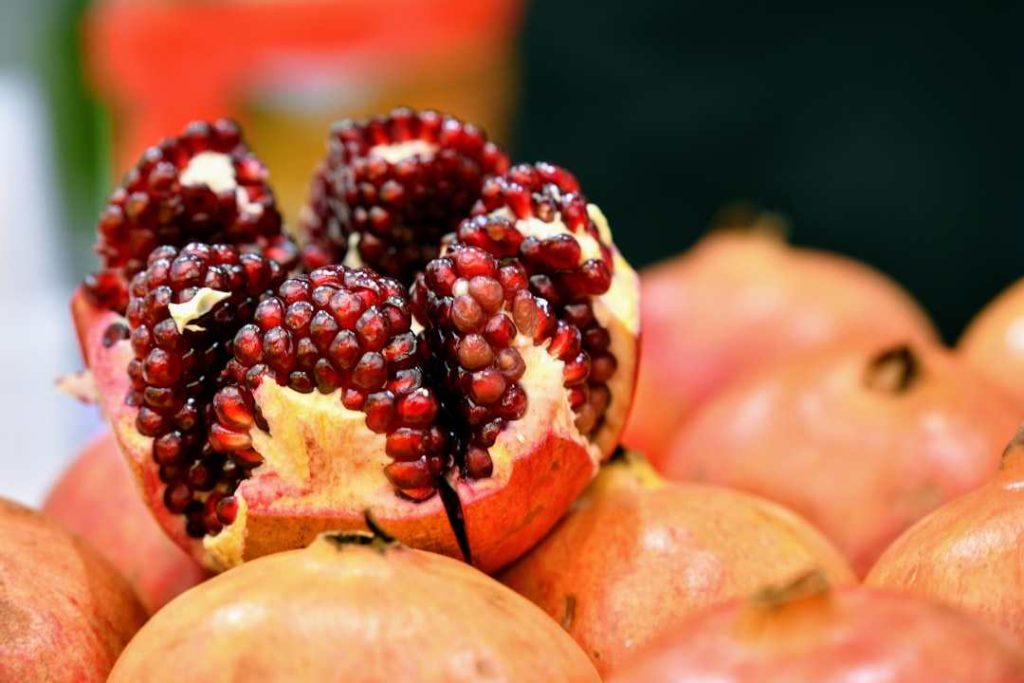
Antioxidants have recently been shown to play a powerful role in improving your immunity and overall well-being.
There has been a lot of news in the media over the last few years touting antioxidants as the biggest and best thing to include in your diet to ensure optimal health.
But what are they, and how do they work?
What are Antioxidants?

Antioxidants are substances that are known to slow down or even prevent the damage caused to the body’s cells by free radicals – the unstable molecules produced by the body in reaction to environmental factors and other stresses.
Antioxidants can come from either artificial or natural sources.
Some plant-based foods are believed to be packed with antioxidants, and plant-based antioxidants are a form of phytonutrient.
Some antioxidants are produced by the body itself.
These are known as endogenous antioxidants.
Those that are derived from outside your body are called exogenous antioxidants.
Antioxidants are known to protect against oxidative stress – the cell damage caused by free radicals in the body.
Some of the processes and activities that can cause oxidative stress include:
- Excessive exercise
- Mitochondrial activity
- Ischemia and reperfusion damage
- Tissue trauma because of injury or inflammation
- Smoking
- Consuming processed and refined foods, artificial sweeteners, trans fats and certain additives and dyes
- Environmental pollution
- Exposure to drugs, pesticides, and chemicals
- Radiation
- Ozone
- Industrial solvents
When cell damage occurs, the result can be:
- Excess release of free copper or iron ions
- Activation of phagocytes, one of the white blood cell types that combat infection
- Disruption in the electron transport chains
- Increased enzymes that generate more free radicals
These all cause oxidative stress.
Oxidative stress is linked to vision loss, atherosclerosis, and cancer due to cell changes caused by free radicals.
Consuming more antioxidants can reduce these risks.
The Role of Free Radicals
Free radicals are waste substances created by cells when the body reacts to its environment and processes food.
When your body can’t efficiently remove free radicals, oxidative stress can harm cells and impair your body’s function.
Oxidative stress caused by free radicals is linked with a host of diseases, including cancer, heart disease, strokes, arthritis, immune deficiency, respiratory diseases, Parkinson’s disease, emphysema, and other ischemic and inflammatory conditions.
When you consume enough antioxidants, the free radicals are neutralized, boosting your overall health.
Which Foods Contain Antioxidants?
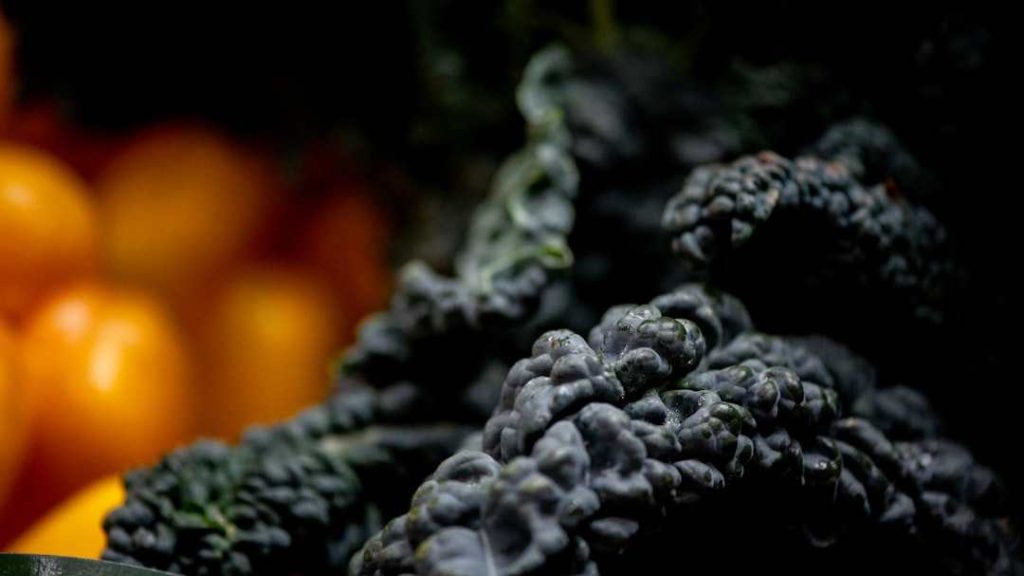
It’s believed there are hundreds or even thousands of antioxidants.
Each one plays a role and interacts with others within the body to keep it functioning properly.
Some examples of antioxidants include:
- Vitamin A
- Vitamin C
- Vitamin E
- Beta-Carotene
- Lutein
- Lycopene
- Selenium
- Zeaxanthin
- Manganese
Flavonoids, catechins, flavones, phytoestrogens, and polyphenols are all forms of antioxidants found in plant-based food.
All antioxidants serve their own functions and cannot be interchanged.
This is why you need to eat a varied and balanced diet.
Some foods that are known to be rich sources of antioxidants include:
- Vitamin A – liver, eggs, and dairy products
- Vitamin C – vegetables and fruits, including bell peppers, oranges, and berries
- Vitamin E – seeds and nuts, vegetable and sunflower oils, and leafy green vegetables
- Beta-carotene – vegetables and fruits in bright colors like peas, mangos, carrots, and spinach
- Lycopene – red and pink vegetables and fruits like watermelon and tomatoes
- Lutein – leafy green vegetables, oranges, papaya, and corn
- Selenium – corn, rice, wheat, nuts, wholegrains, legumes, cheese, and eggs
Other foods said to be good antioxidant sources include:
- Legumes like kidney beans and black beans
- Eggplants
- Black and green teas
- Red grapes
- Pomegranates
- Dark chocolate
- Goji berries
It’s important to note that cooking certain foods may decrease or increase their antioxidant levels.
For example, when tomatoes are cooked, the lycopene inside them becomes more easily absorbed by the body.
Conversely, zucchini, peas, and cauliflower all lose some of their antioxidant potency when they’re cooked.
Polysaccharides – Improving Your Wellbeing
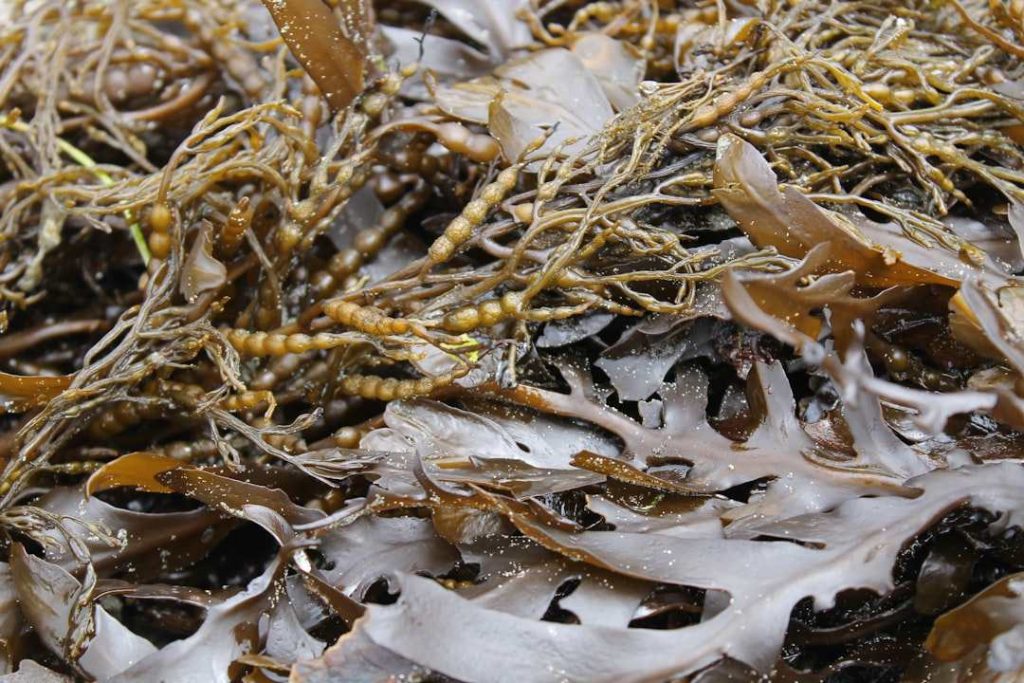
While we’re looking at the benefits of nutrition for your immune system, it’s impossible to overlook the importance of polysaccharides in your diet.
You may never have heard this term used before.
However, you can be certain that you will have included polysaccharides in your diet.
What Are Polysaccharides?

Polysaccharides are vital for proper nutrition since they contain complex carbohydrates that are essential energy sources for the body.
All bodily functions rely on carbohydrates to produce energy, and although the body is capable of producing some energy itself, it cannot produce enough to make itself sustainable.
Failing to consume enough carbohydrates means that energy needs to be supplemented by other sources.
Insufficient carbohydrates in your diet puts you at risk of physical symptoms such as blood sugar drops, as well as feelings of lightheadedness and weakness.
Polysaccharides help you to overcome tiredness while supporting healthy blood sugar levels and blood pressure, supporting your immune function, promoting good cardiovascular health, and even boosting your libido!
The Most Common Polysaccharides

Commonly, polysaccharides are found in cereal grain husks, certain yeasts, algae, mushrooms and fungi, and plants.
Some common polysaccharides include:
- Astragalus root – this polysaccharide is known to stimulate the immune system by increasing stem cell numbers in the lymphatic tissue and spinal cord and encouraging them to turn into immune cells, promoting T lymphocyte activation, stimulating macrophages and immunoglobulin production, stimulating the endogenous production of interferon, and inhibiting virus replication.
- Laminaria Japonica – this polysaccharide binds strongly with toxic molecules like heavy metals, encouraging them to be eliminated from your body before their harmful effects can be experienced.
- Cordyceps Sinensis – rich in polysaccharides, adenosine, and cordycepic acid, this mushroom stimulates the immune system.
- Goji berries – these contain polysaccharides that powerfully support the body’s defense systems by increasing lymphocyte and NK cell activity.
- Larchwood – this contains polysaccharides known as arabinogalactans that increase the body’s immune system response to disease by stimulating the body’s natural killer cells’ cytotoxicity and acting on inflammation.
How can I add Polysaccharides to my Diet?

It isn’t difficult to add polysaccharides to your daily diet.
Starch is a main example of polysaccharides – the primary carbohydrate source in tubers, plant seeds, and vegetables that grow underground.
Food sources of starch are often called starchy carbohydrates and include rice, potatoes, corn, pasta, cereal, and bread.
These foods usually make up the most common type of carbohydrates in your everyday diet.
Starches are broken down in the body into glucose, and this supplies the essential energy you need.
Cellulose is another polysaccharide that is found in many foods.
It provides a protective structure or covering for vegetables, fruits, and seeds.
It is cellulose that gives foods their crunchy texture, and it cannot be digested by the body.
It functions as a dietary fiber source, adding bulk to stools and helping maintain proper digestive processes.
Pear and apple skins contain cellulose, as do wholegrains such as wheat bran and plant leaves such as spinach.
Pectin is another polysaccharide compound that forms a gel-like substance when the body breaks it down.
Foods containing pectin are sometimes called soluble fiber sources, and they benefit your body by prolonging the time it takes to empty the stomach, helping you feel fuller for longer.
Some soluble fiber sources include dried beans, oats, flaxseed, barley, nuts, apples, oranges, psyllium husk, and carrots.
While starchy foods often have a bad reputation as food sources that are high in fat, they actually contain less than 50 percent of the calories from fat in your diet.
Starchy foods are also good sources of iron, calcium, vitamins, and fiber.
To maximize their benefits, prepare them in healthy oils such as vegetable or olive oil, and avoid using high-fat methods of preparation, such as frying, since this can offset their nutritional value.
Plant Foods and Their Cancer-Fighting Properties
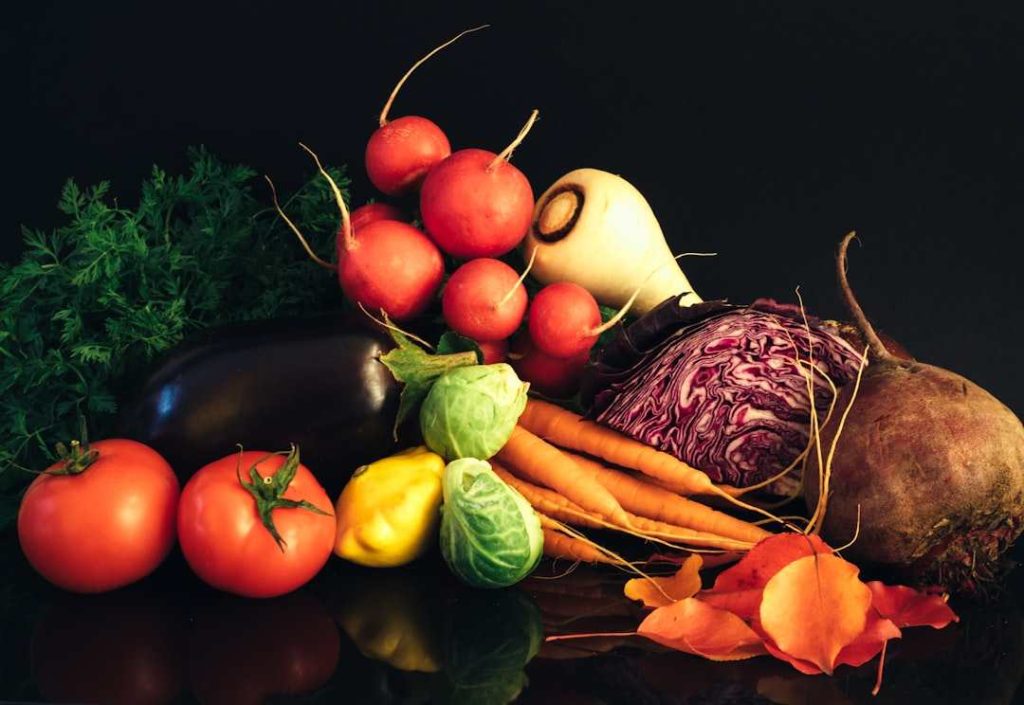
A strong link has been found between the development of cancer and a weakened immune system, so it’s imperative to find ways of boosting immunity to aid the fight against this life-threatening disease.
One way to achieve this is by including more plant foods in your diet.
Cancer and the Immune System
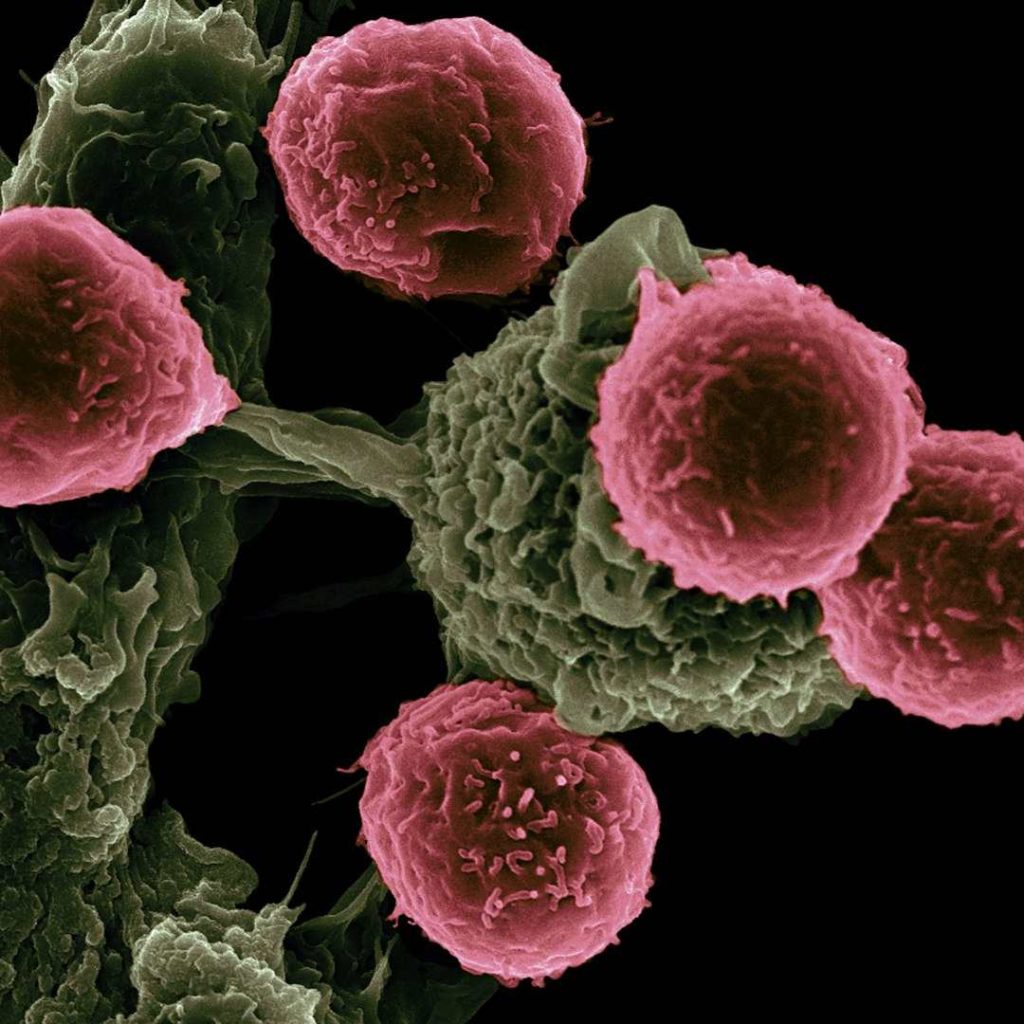
There are specific cancers that directly affect the immune system, such as leukemia and lymphoma.
However, all kinds of cancer impact immunity.
Cancer cells are created from the body’s own cells; therefore, the immune system sometimes fails to recognize them as targets for attack.
While our immune systems sometimes recognize cancer cells as foreign bodies that must be eradicated, more often than not, these cells go unnoticed.
In some cases, cancer cells may even suppress the body’s immune response, preventing immune cells from attacking them.
Not only that, but cancer sufferers also often have a weak immune system.
This happens when cancer itself, or the treatments given to combat the disease, affect the bone marrow.
The bone marrow produces blood cells, so when it’s affected by cancer, radiation, or chemotherapy, it produces fewer than usual.
If the blood cell count is low, your body cannot fight off infections properly.
Plant Foods and Their Role in Combating Cancer
There has been some evidence suggesting that vegetarians are better able to resist cancer, and it’s believed this happens because plant-based foods like vegetables, fruits, nuts, legumes, and wholegrains contain plenty of nutrients.
Eating plenty of these types of foods reduces your risk of developing cancer.
This is because plants produce chemicals called phytochemicals that can protect cells from damage.
Not only that, but plant-based foods increase our fiber intake, which also reduces the risk of certain cancers.
Finally, plant-based diets are generally lower in calories, which helps us maintain a healthy body weight and, again, reduces the risk of developing cancer.
This is all paired with the fact that meat may increase the risk of cancer.
An extra 3.5 oz of red meat each day increases the risk of developing colon polyps by up to 2 percent, and just 1.25 oz of processed meat each day increases this risk by a massive 29 percent.
Which Plant Foods Should I Include in my Diet?
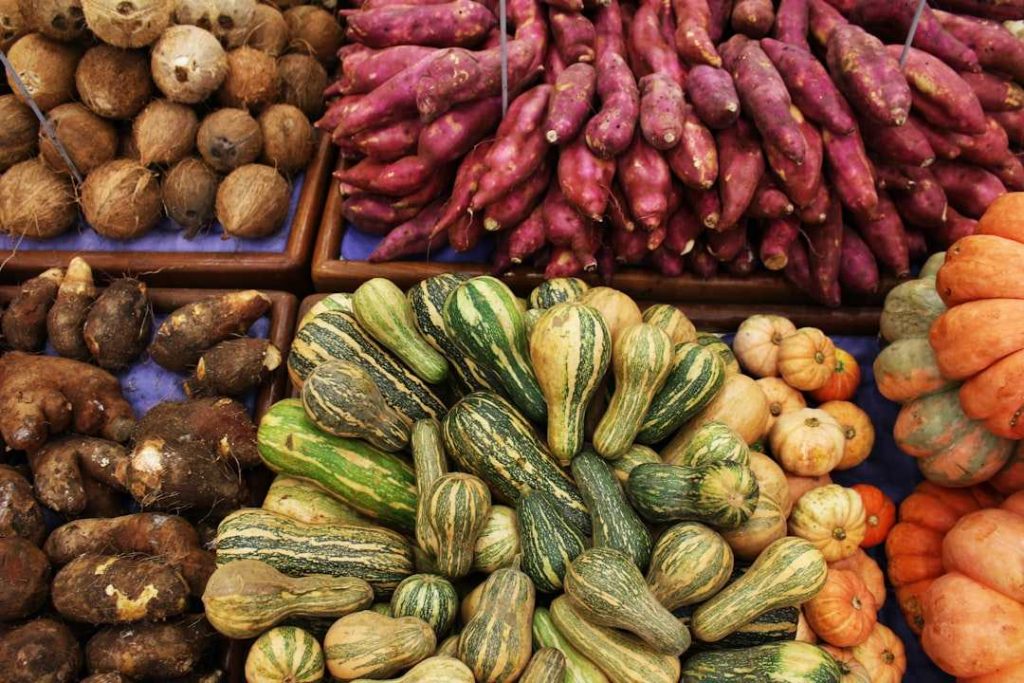
A plant-based diet emphasizes the consumption of minimally processed whole foods while limiting or avoiding animal products.
The focus is on plants like fruits, vegetables, wholegrains, seeds, nuts, and legumes, while refined foods such as white flour, processed oils, and added sugars are excluded.
Some of the foods you should add to your daily diet include:
- Fruits such as citrus fruits, berries, peaches, pears, bananas, and pineapple
- Vegetables like kale, spinach, broccoli, tomatoes, carrots, cauliflower, peppers, and asparagus
- Starchy vegetables such as sweet potatoes, potatoes, and butternut squash
- Wholegrains like brown rice, farro, rolled oats, quinoa, pasta, barley, and brown rice
- Healthy fats like olive oil, avocados, coconut oil, and unsweetened coconut oil
- Legumes like peas, lentils, chickpeas, black beans, and peanuts
- Nuts, seeds, and nut butters like cashews, almonds, pumpkin seeds, macadamia nuts, tahini, and natural peanut butter
- Unsweetened plant-based milk like almond, cashew, or coconut milks
- Herbs, spices, and seasonings like rosemary, basil, curry, turmeric, salt, and black pepper
- Condiments like mustard, salsa, soy sauce, lemon juice, vinegar, and nutritional yeast
- Plant-based proteins like tempeh and tofu
- Beverages like tea, coffee, and water
Certain foods should also be avoided.
These include:
- Fast food
- Added sweets and sugars
- Refined grains
- Convenience and packaged foods
- Processed vegan foods
- Artificial sweeteners
- Processed animal products
Omega-3 Helps to Fight Disease

Boosting your immunity to combat disease can be achieved by adding Omega-3 fatty acids to your diet.
You may have heard of these fatty acids in terms of fish oils and supplements, but it’s possible to add them to your diet through natural food sources, too.
What is Omega-3?
Omega-3s are types of essential fatty acids that have a key role to play in the human body and offer several health benefits.
Since they cannot be produced by the body itself, they have to be derived from your daily diet.
There are three key types of Omega-3s.
These are:
- ALA – Alpha Linolenic Acid
- DHA – Docosahexaenoic Acid
- EPA – Eicosapentaenoic Acid
While the first of these is primarily found in plant-based foods, EPA and DHA are mostly found in algae and animal products.
Some common foods that are high in Omega-3s include fish oils, fatty fish, chia seeds, flax seeds, walnuts, and flaxseed oil.
Neutralizing Inflammation

Whenever you think of the word “inflammation,” you’re probably thinking about pain, and, in many ways, this is the case.
Inflammation’s primary purpose is to protect the site of injury or illness.
It encourages the body’s immune system to heal and repair damaged tissues.
However, when inflammation is allowed to continue unabated, it throws biological functions out of alignment.
Usually, chronic inflammation is painless and is characterized by damage caused by free radicals.
It isn’t linked to a specific tissue, so it could trigger all types of conditions from autoimmune diseases to allergic reactions.
Nutrition plays a pivotal role in fighting and preventing inflammation.
There are several foods known to promote inflammation, including fatty meats, white bread, processed cheese, and vegetable oils, but eating more anti-inflammatory foods supports the body’s defenses against the damage caused by free radicals.
There is plenty of scientific evidence to suggest that the Omega-3s found in oily fish help combat inflammation in the body.
Eating two or three portions of mackerel, sardines, tuna, or herring each week may help you to combat disease and boost your immunity.
Good Dietary Sources of Omega-3

Omega-3 fatty acids can be found naturally in certain foods and may also be added to fortified foods.
It’s possible to get plenty of Omega-3 in your diet by including these foods in your regimen:
- Fish and seafood, particularly salmon, tuna, mackerel, sardines, and herring
- Seeds and nuts like walnuts, chia seeds, and flaxseed
- Plant oils like canola, soybean, and flaxseed oils
- Fortified food, such as certain brands of yogurt, eggs, milk, juice, and soy beverages.
Prebiotics and Your Immunity

When it comes to your immunity, the gut has been found to play an important role.
Maintaining good gut health can boost your body’s immune system, and prebiotics play a role in this.
The Role of the Gut in Immunity
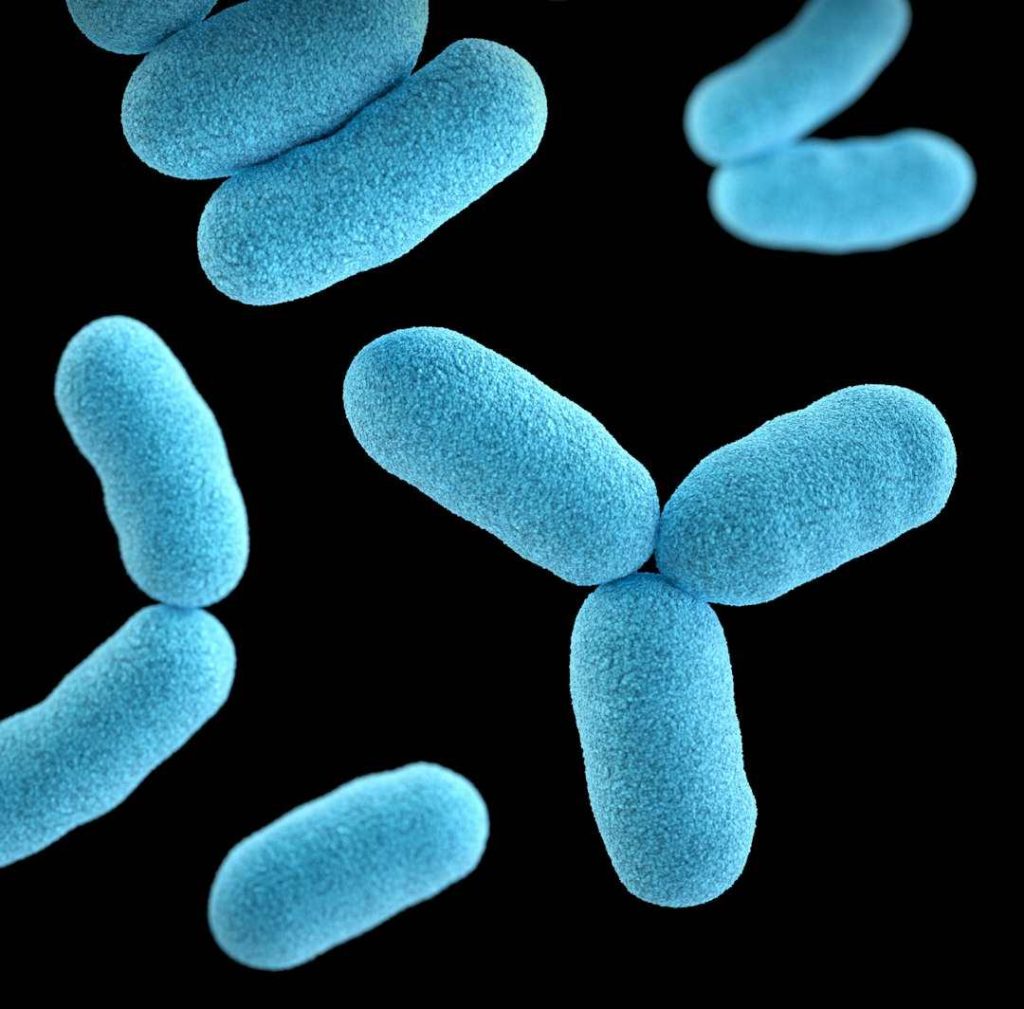
Most of us know that keeping our gut healthy is important, and this involves maintaining a healthy gut microbiota.
Researchers have discovered that the body’s other organ systems can be influenced by the gut environment, and it’s now becoming clear that poor gut health can cause many diseases and conditions, such as lung disease and depression.
Our immune systems form the primary link between gut bacteria and their influence on our well-being.
At one time, it was believed that the uterus was bacteria-free; however, it’s now been found that bacteria can be detected in the placenta, ensuring that babies are exposed to bacteria from before birth.
We’re all born with an underdeveloped immune system and therefore rely on the antibodies provided by our mothers at first, but our immune cells then learn the best ways of protecting our bodies from illnesses once all the maternal antibodies have worn away.
Bacteria in the gut are essential in this education process.
Research has shown that gut bacteria maintain balance in our immune systems.
During our lives, we’re continually exposed to new things in the gut, the lungs, and the nose through our environment and the food we consume.
Things like food additives, the non-pathogenic microorganisms found in dirt or dust, and pollen in the air we breathe all enter our bodies.
Luckily, when our immune systems are healthy, they can handle these invaders easily.
For those with an impaired immune system, inflammatory responses are triggered each time a new food is tried or each time a new substance is encountered.
The immune system is required to maintain the right balance between tolerance and reaction.
This tolerance is known as oral tolerance.
It can be established by maintaining a diverse gut flora, including many different fungi, microorganisms, and bacteria, to teach immune system cells which invaders are harmful and which can be safely overlooked.
The bacterial balance in the gut influences the balance of our immune system.
If the balance is off, the immune system may shift into a more inflammatory state, which can go on to affect other systems in the body, increasing the risk of developing a range of diseases, including Type I and Type II diabetes, depression, and obesity.
Although most bacteria are beneficial, some cause diseases to progress.
Bacteria also adjust to their current environment.
This means that when good bacteria are removed due to medication or dietary changes, some opportunistic pathogens move in to fill the gap.
This, of course, leads to further problems, more inflammation, and health concerns.
It isn’t easy to permanently change the gut flora once it has been established.
Once disturbed, it usually returns to its normal state in a short time.
So, for example, if you go abroad on vacation and eat different foods, your gut will return to normal on your return home.
However, imbalanced gut flora can set up negative feedback loops, reinforcing harmful functions.
It is a lack of bacterial diversity that causes a skewed microbiota – maintaining diversity means your gut can bounce back more rapidly from any unhealthy dietary fluctuations and is more capable of withstanding external invaders.
As a result, your immune system will be better-regulated and considerably more tolerant of change.
As a result, you will be more resistant to disease and illnesses.
What are Prebiotics and how can They Help?

Prebiotics are food components that are known to support the growth of beneficial microorganisms in our gastrointestinal tracts.
They provide the beneficial bacteria in our guts with the nourishment they need and, therefore, the best possible chance of growing and flourishing.
It’s possible to naturally boost the level of prebiotics in your body by eating more fruits and vegetables.
How can Prebiotics be Added to the Diet?

There are a number of foods that are known to be beneficial as prebiotics.
These include:
Chicory root
Popular thanks to its coffee-like taste, chicory root is a valuable source of prebiotics.
Almost half of the fiber in chicory root comes from inulin, a prebiotic fiber.
This nourishes the bacteria in the gut, improves your digestion, and relieves your constipation.
It also helps boost bile production, which, in turn, improves fat digestion.
Not only that, but chicory root contains a lot of antioxidant compounds known to protect your liver from oxidative damage.
Dandelion greens
These greens are ideal for salads and are an excellent source of fiber, containing as much as 4g per 100g serving.
Much of that fiber is derived from inulin, which reduces constipation, increases the amount of good bacteria in your gut, and boosts your immune system.
Dandelion greens have diuretic, antioxidant, anti-inflammatory, cholesterol-lowering, and anti-cancer effects that can help you to stay healthy and well.
Jerusalem artichokes
Sometimes called the Earth Apple, the Jerusalem artichoke offers a host of health benefits.
It provides around 2g of dietary fiber per 100g, and 76% of this fiber is derived from inulin.
This food increases the good bacteria in your gut, strengthens your immune system, and even prevents specific metabolic disorders.
Not only that, but it is high in potassium and thiamine, both of which aid the nervous system, promoting good muscle function.
Garlic
This tasty herb has been linked with many health benefits.
Around 11 percent of its fiber content comes from inulin, with 6 percent from a naturally occurring sweet probiotic known as fructooligosaccharides.
Garlic is a prebiotic that promotes the growth of Bifidobacteria in the gut.
These beneficial bacteria also help to prevent disease-promoting bacteria from growing.
Garlic also reduces the risk of heart disease thanks to its antimicrobial, anticancer, and antioxidant effects.
Onions
These vegetables are versatile and tasty, but they also offer a host of health benefits, with inulin accounting for 10 percent of their fiber content and fructooligosaccharides making up another 6 percent.
As a result, the gut flora is strengthened, fat breakdown is aided, and the immune system is boosted by increasing nitric oxide production in cells.
Furthermore, onions contain a high level of quercetin, a flavonol that gives this vegetable its anti-cancer and antioxidant properties.
Leeks
coming from the same vegetable family as garlic and onions, leeks offer similar benefits for your health.
They contain as much as 16 percent inulin fiber, which helps promote the growth of healthy gut bacteria while also helping break down fat.
Also, leeks contain high levels of flavonoids, which support the body’s natural response to oxidative stress.
Asparagus
This popular vegetable is another excellent prebiotic source, with around 2-3 grams of inulin per 100-gram serving.
Asparagus promotes the growth of beneficial bacteria in the gut and is associated with the prevention of certain cancers.
By combining antioxidants and fiber, asparagus offers anti-inflammatory benefits.
Bananas
These popular fruits are rich in fiber, minerals, and vitamins while also containing a small amount of inulin.
Unripe bananas contain large amounts of resistant starch, and this has a prebiotic effect that increases the number of healthy bacteria in the gut while reducing bloating.
Barley
This cereal grain contains 3 to 8 grams of beta-glucan in every 100-gram serving.
This prebiotic fiber promotes the growth of beneficial bacteria in your digestive tract.
It also lowers your LDL and total cholesterol and blood sugar, is rich in selenium to boost thyroid function, provides antioxidant benefits, and improves immunity.
Oats
Healthy whole oats are a grain with prebiotic benefits. Oats contain a large amount of beta-glucan fiber together with some resistant starch.
The beta-glucan found in oats is associated with healthier gut bacteria, improved blood sugar control, lower LDL cholesterol levels, and a reduced risk of cancer.
Oats also provide anti-inflammatory and antioxidant protection thanks to the phenolic acids they contain.
Apples
Not only are apples delicious, but pectin makes up around half of the total fiber content of an apple.
As we’ve already pointed out, pectin offers benefits to your immune system.
Its prebiotic advantages include its ability to increase butyrate, the short-chain fatty acid that feeds good bacteria in the gut while decreasing the number of bad bacteria.
Apples also contain a high level of polyphenol antioxidants, and when pectin and polyphenols are combined, fat metabolism and digestive health are improved.
Not only that, but apples have anti-inflammatory and antioxidant properties that help to reduce the chances of developing illnesses and diseases.
Konjac root
The elephant yam, sometimes called elephant yams, is a tuber that can be used as a supplement for its health benefits.
It contains 40% glucomannan fiber, an extremely viscous dietary fiber.
Glucomannan fiber in konjac promotes the growth of beneficial bacteria in the colon, relieving constipation and boosting immunity.
It also reduces your blood cholesterol levels, promotes weight loss, and improves how your body metabolizes carbohydrates.
Cocoa
Cocoa beans aren’t just delicious, they’re also very healthy.
When cocoa beans break down in the colon, nitric oxide is produced, which benefits your cardiovascular system.
Cocoa is one of the best sources of flavanols, which have a number of powerful prebiotic benefits, helping to boost the growth of good gut bacteria while benefiting your heart health.
Burdock Root
Popular in Japan, burdock root offers many health benefits, containing around 4 grams of fiber per 100-gram serving, with most of this fiber from inulin and FOS.
The FOS and inulin in burdock root have prebiotic properties, inhibiting the growth of the bad bacteria in your intestines while improving immune function and promoting healthy bowel movements.
Burdock root also offers anti-inflammatory and antioxidant properties while lowering your blood sugar levels.
Flaxseeds
These seeds are very healthy and an excellent source of prebiotics.
Containing around 20-40 percent soluble fiber from mucilage gums and 60-80 percent insoluble fiber from lignin and cellulose, the fiber found in flaxseeds boosts the number of good bacteria in your gut, promoting healthy bowel movements and reducing the amount of fat in your diet that you absorb and digest.
Also, since flaxseeds contain phenolic antioxidants, they offer antioxidant and anti-cancer properties while helping to regulate your blood sugar level.
Yacon root
Similar to sweet potato, yacon root is packed with fiber, especially prebiotic FOS (fructooligosaccharides) and inulin.
The inulin found in yacon root supports healthy gut bacteria, reduces constipation, enhances immunity, improves mineral absorption, and helps regulate blood fats.
Also, yacon root contains phenolic compounds that boost its antioxidant properties.
Jicama root
This root is high in fiber but low in calories.
It contains a lot of inulin, a prebiotic fiber that helps boost your digestive health, enhance your insulin sensitivity, and lower your blood sugar.
It is also in vitamin C that stimulates your immune system to combat diseases.
Wheat bran
This outer layer of whole wheat grain is a great prebiotic source, containing a special type of fiber called AXOS (arabinoxylan oligosaccharides).
AXOS fiber makes up as much as 64-69 percent of the fiber content of wheat bran and allows it to boost the levels of good Bifidobacteria inside the gut.
Not only that, but wheat bran also reduces digestive problems such as abdominal pain, cramping, and flatulence.
Grains that are rich in AXOS also offer anti-cancer and antioxidant properties.
Seaweed
Although seaweed isn’t eaten often, it’s a powerful prebiotic to add to your diet.
Around 50 to 85 percent of the fiber content of seaweed is derived from the water-soluble fiber.
This promotes the growth of beneficial gut bacteria while preventing the growth of harmful bacteria.
It also boosts your immune function, reducing your chances of developing colon cancer.
Also, seaweed is rich in antioxidants associated with stroke and heart attack prevention.
Probiotics and the Gut

Prebiotics are key to good gut health, but probiotics are equally important.
There are some misunderstandings about the difference between prebiotics and probiotics.
Some people even think that they are the same thing.
However, this isn’t the case at all.
Probiotics are very different from prebiotics, but they are no less vital to good gut health and a strong immune system.
What Are Probiotics?
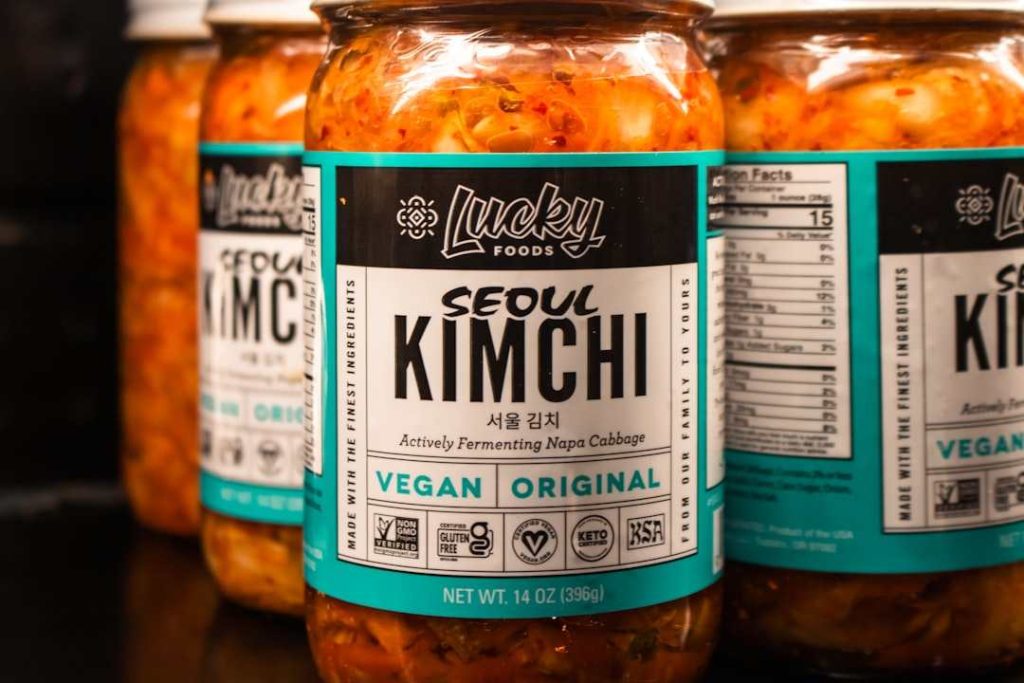
Probiotics are live yeasts and bacteria that offer many health benefits, especially for the digestive system.
Usually, we think of bacteria as being bad for you and causing diseases.
However, the human body is actually full of different bacteria.
While some bacteria are harmful, others are beneficial and can help keep the gut healthy and functioning properly.
Probiotics can be found in certain foods, such as yogurt, and in certain supplements.
They are often recommended by doctors to relieve digestive disturbances.
Probiotics work to keep us healthy by:
- Replacing the good bacteria inside the body that are lost through taking antibiotics.
- Balancing the levels of good and bad bacteria so your body can continue to function the way it should.
Many bacterial types are kinds of probiotics.
All offer different benefits.
However, the majority are covered by two main groups:
- Lactobacillus – the most common probiotic. You find it in fermented foods and yogurt. Different strains help treat diarrhea and may be helpful for people who are unable to digest lactose, the sugar in milk.
- Bifidobacterium – this probiotic can also be found in some types of dairy products. It helps to reduce the symptoms associated with IBS (irritable bowel syndrome) and some other conditions.
Saccharomyces Boulardii is a yeast that can be found in probiotics.
It helps combat digestive problems and diarrhea.
How can Probiotics Improve Immunity?

It’s known that probiotics can boost your immune system by inhibiting harmful gut bacterial growth.
Not only that, but some probiotics promote your body’s natural antibody production.
They may even boost the immune cells such as T lymphocytes, natural killer cells and IgA-producing cells.
Reviews have found that taking probiotics makes you less likely to develop respiratory infections and, if you do, they last for a shorter time.
The probiotic Lactobacillus Crispatus has also been shown to reduce the risk of urinary tract infection by as much as 50 percent.
How can I Include More Probiotics in my Diet?

Although there are a number of different types and classes of probiotics, some common ones include:
- Lactobacillus
- Bifidobacterium
- Saccharomyces Boulardii
Sometimes, food manufacturers call probiotics “active cultures” or “live cultures”.
They are all the same thing.
Many fermented foods contain probiotics.
This essentially means that the bacteria inside those foods are still alive.
Often, the process of producing food destroys any living bacteria in it.
When products are left on store shelves without refrigeration, they may be unable to maintain active, live probiotics.
Some dairy products that are known to contain probiotics include:
- Kefir (a probiotic milk drink)
- Aged cheeses like mozzarella, Gouda, and cheddar
- Traditional uncultured buttermilk
- Yogurts
However, some foods aren’t dairy but still contain probiotics.
These include:
- Non-dairy yogurt
- Sour, fresh dill pickles
- Kombucha (a fermented tea)
- Kimchi
- Miso
- Sauerkraut
- Natto (made from fermented soybeans)
- Water or brine-cured olives
- Tempeh
Many different probiotic foods are available, and this means that you have plenty of options when it comes to including them in your daily diet.
There is sure to be something to suit your individual tastes, whether you prefer sweet or savory foods.
Some ways of adding probiotics to your healthy diet include:
- Having a breakfast made up of probiotic yogurt along with nuts, flax seeds, and berries.
- Making a stir-fry that uses tempeh instead of meat. Make sure to add tempeh right at the end of the cooking process since excessive heat may destroy its active cultures.
- Adding miso into soup.
- Drinking beverages that are rich in probiotics like kombucha or kefir as a snack in the mid-morning.
- Serving sauerkraut alongside your main meal as a side dish.
Remember, though, that certain foods, like yogurt, often contain added sugars, so try to choose ones with minimal added sugars, artificial sweeteners, and artificial flavorings to ensure the best possible health.
Bear in mind, too, that there are some misconceptions about probiotics.
Just because certain types of food contain probiotics doesn’t mean other similar food types do.
For example, not every yogurt contains active, live cultures, and those that do are usually clearly marked.
Also, not every type of fermented food contains live cultures.
Some fermented foods that don’t contain probiotics include:
- Chocolate
- Beer
- Wine
- Soya sauce
- Sourdough bread
That is because these foods have undergone additional processing that renders the live cultures inactive.
Processes such as filtering, pasteurization, and baking kill live cultures, so they offer no health benefits.
Top 10 Immunity-Boosting Foods to Add to Your Diet

Are you ready to experience the benefits that come along with adding immunity-boosting foods to your everyday diet?
As you’ve already seen, there are many different ways to increase your immunity simply by changing what you eat each day.
So, whether you’re ready to add more prebiotics, probiotics, antioxidants or polysaccharides into your eating regime, here are ten of the top foods you should consider eating more of.
This will improve your resistance to illnesses and diseases.
1. Citrus Fruits

You’ve almost certainly been told at some point that vitamin C should be your first port of call if you’ve caught a cold, and there’s a good reason for this.
Vitamin C is known to help boost your immune system.
It does this by increasing the number of white blood cells your body produces, which is key to combating infections.
Virtually all citrus fruits have a high vitamin C content, and since there are so many different ones to pick from, you can easily add this vitamin into any meal.
Some popular citrus fruits are:
- Grapefruits
- Clementines
- Oranges
- Tangerines
- Limes
- Lemons
Since the human body can’t store or produce vitamin C you have to eat it every day to continue in good health.
Adults are recommended to take 75 mg daily if female or 90 mg daily if male.
2. Red Bell Peppers

Citrus fruits contain plenty of vitamin C, but amazingly, red bell peppers contain around three times more vitamin C than a Florida orange, together with plenty of beta carotene.
Vitamin C doesn’t just boost your immunity; it also improves the condition of your skin, while beta carotene is converted by the body into vitamin A to promote healthy skin and eyes.
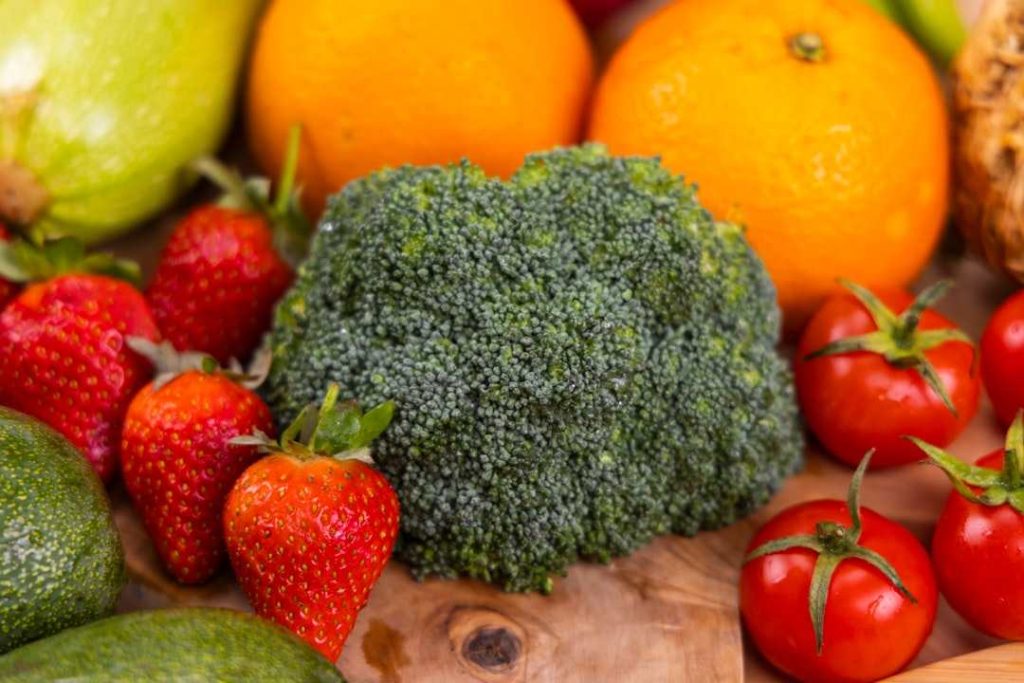
3. Broccoli
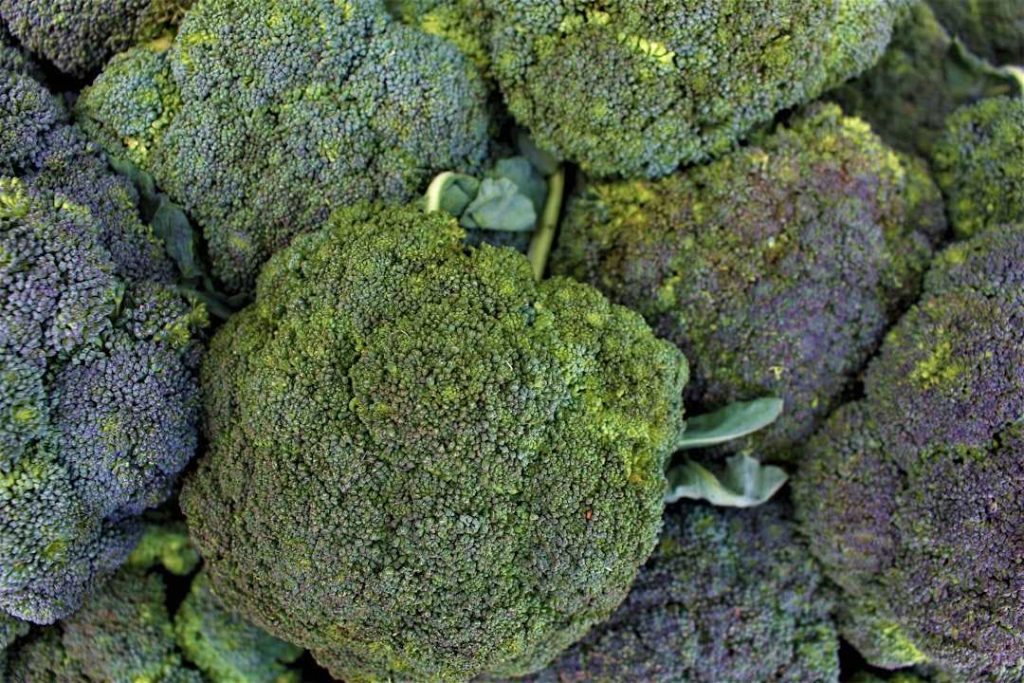
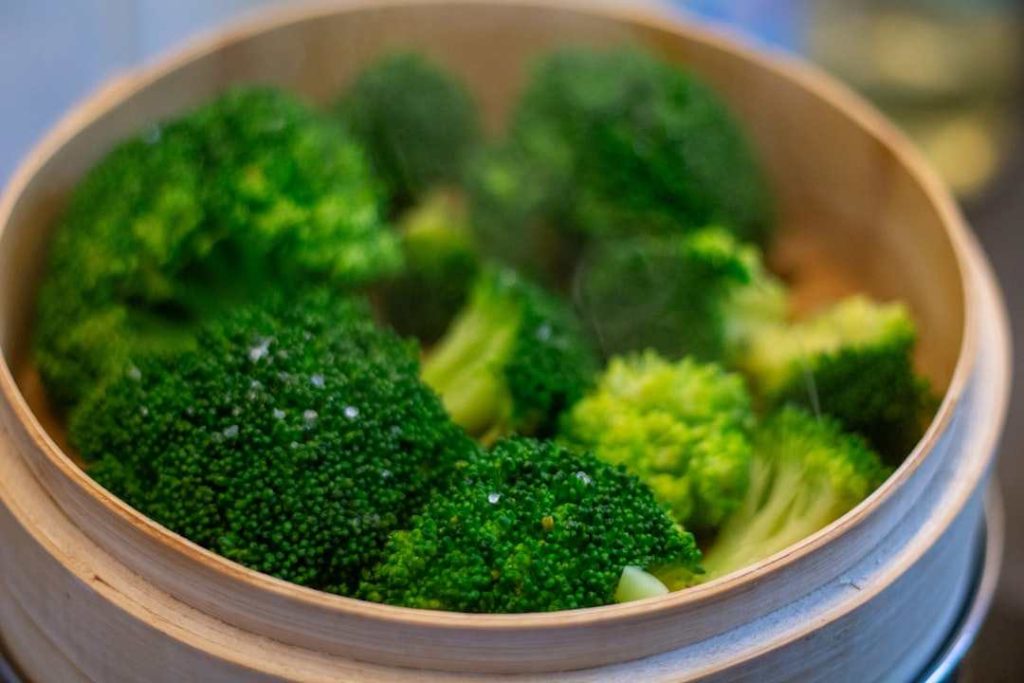
Supercharged with minerals and vitamins, broccoli contains lots of vitamins E, C, and A, together with antioxidants and fiber.
This makes it an especially healthy vegetable.
To keep it as potent as possible, it should be eaten raw or only lightly cooked.
Steaming is one of the best ways to preserve its beneficial nutrients.
4. Garlic

Found in virtually every world cuisine, garlic adds zing to your food and also improves your health and well-being.
Its value in combating infections has been recognized for generations, and it may also slow down the hardening of the arteries, as well as lower blood pressure.
The immune-boosting properties of garlic are due to its high concentration of allicin and other sulfur-containing compounds.
5. Ginger
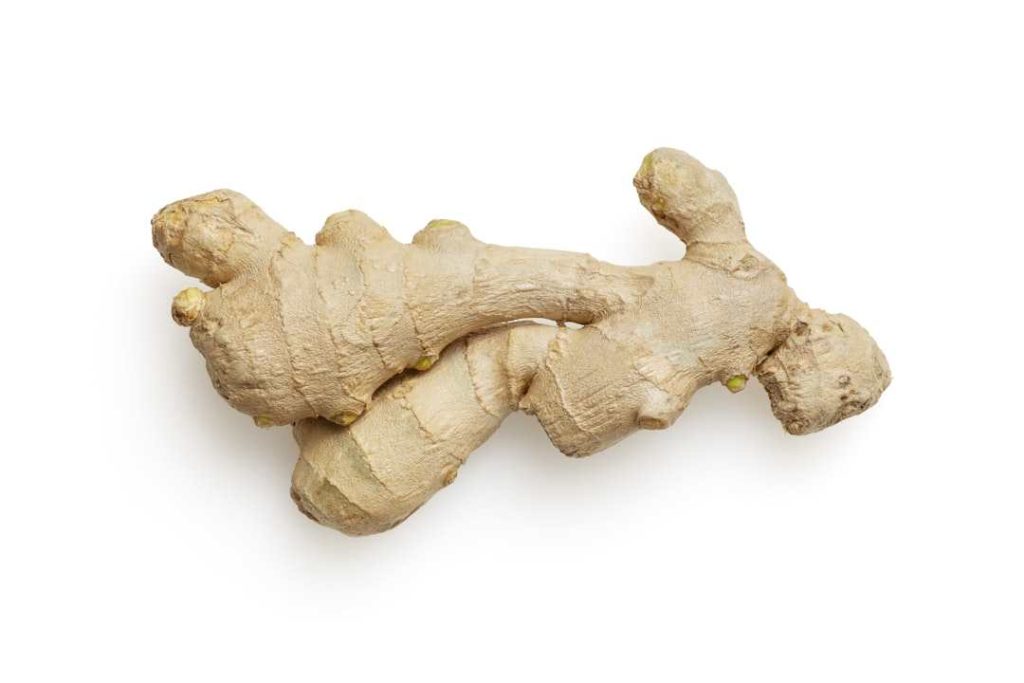
You may have heard that people use ginger when they are sick, and this is due to its anti-inflammatory properties.
It can help reduce inflammatory illnesses and sore throats, and also combat nausea.
When it’s incorporated into sweet desserts, it packs heat in the shape of gingerol, which is related to capsaicin.
Ginger has also been shown to reduce chronic pain and possesses cholesterol-lowering properties.
6. Spinach
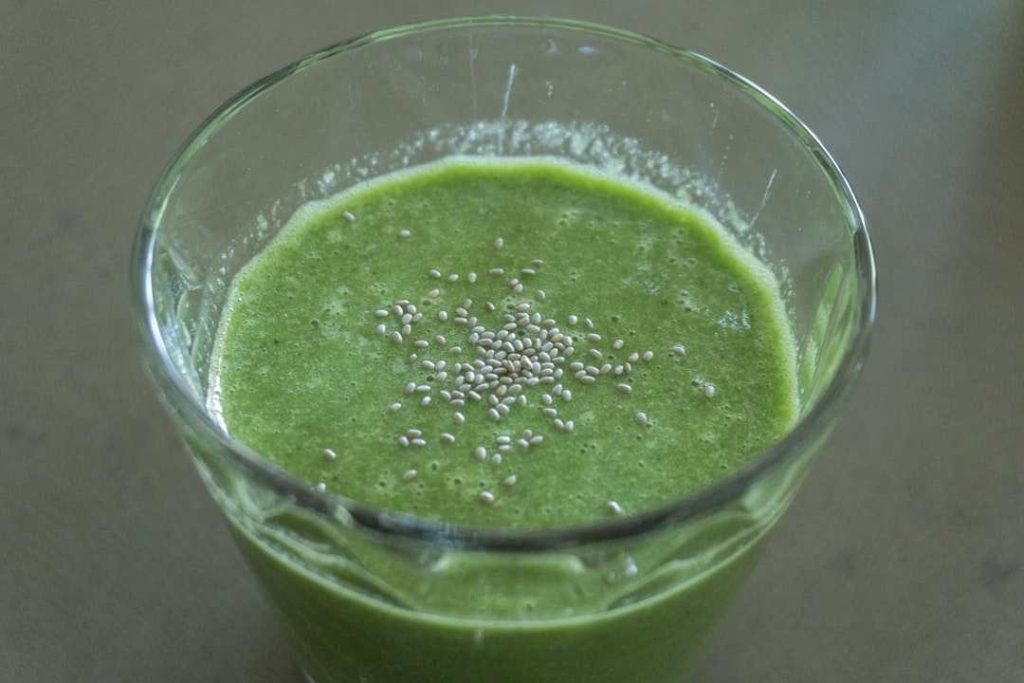
Not only does spinach have a high vitamin C content, but it’s also packed with beta carotene and other antioxidants.
Both of these can boost your immune system’s infection-fighting capabilities.
Like broccoli, spinach should be minimally cooked to preserve its nutrients, but if it’s cooked lightly, its vitamin A content can be more easily absorbed, and other nutrients can be more easily released from an antinutrient known as oxalic acid.
7. Yogurt
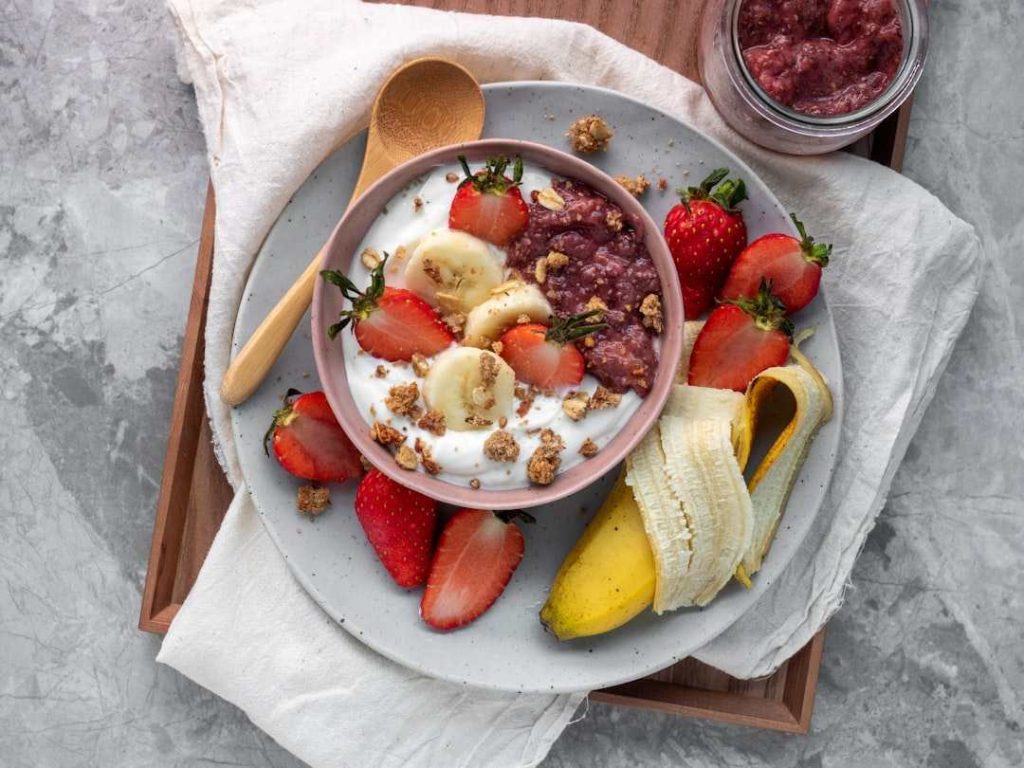
You should look for yogurt marked with a phrase indicating it contains active and live cultures.
Greek yogurt is one such type.
These cultures are believed to stimulate the immune system to fight disease.
Whenever possible, choose plain yogurt over flavored ones packed with sugar.
It’s easy to sweeten plain yogurt yourself with a little honey and some healthy fruit like berries.
Yogurt is also a good vitamin D source, so try choosing brands that have been fortified with that vitamin.
Vitamin D regulates your immune system, boosting your natural defense against disease.
8. Almonds
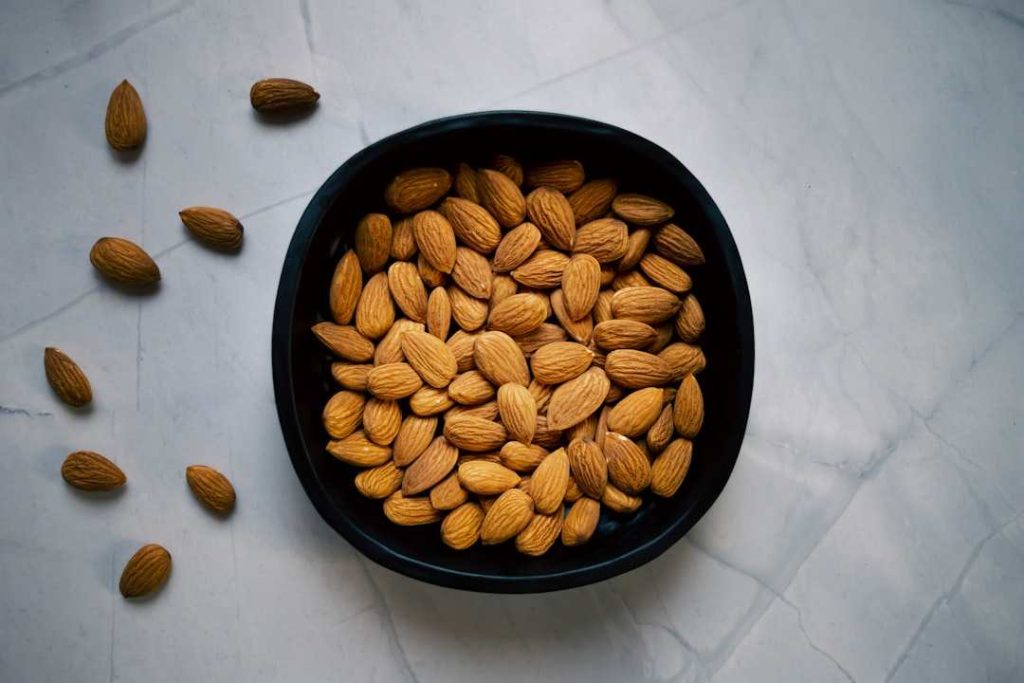
When you want to prevent or fight off a cold, you probably choose vitamin C over vitamin E, yet vitamin E is a potent antioxidant that can play a key role in a well-functioning, healthy immune system.
Vitamin E is fat-soluble, so it requires fat to be present in order to be properly absorbed.
Nuts like almonds are rich in this vitamin and also contain healthy fats.
An adult only requires around 15 mg of vitamin E daily.
Forty-six shelled whole almonds (or a half cup serving) will provide all of your recommended daily intake.
9. Sunflower Seeds

These seeds are packed with nutrients like magnesium, phosphorus, and vitamins E and B6.
Vitamin E plays a key role in maintaining and regulating your immune system’s function.
Some other foods that are rich in vitamin E include dark leafy greens and avocados.
Not only are sunflower seeds high in these nutrients, but they also have a high selenium content.
Only 1 oz contains 50 percent of the selenium the average adult requires each day.
10. Turmeric
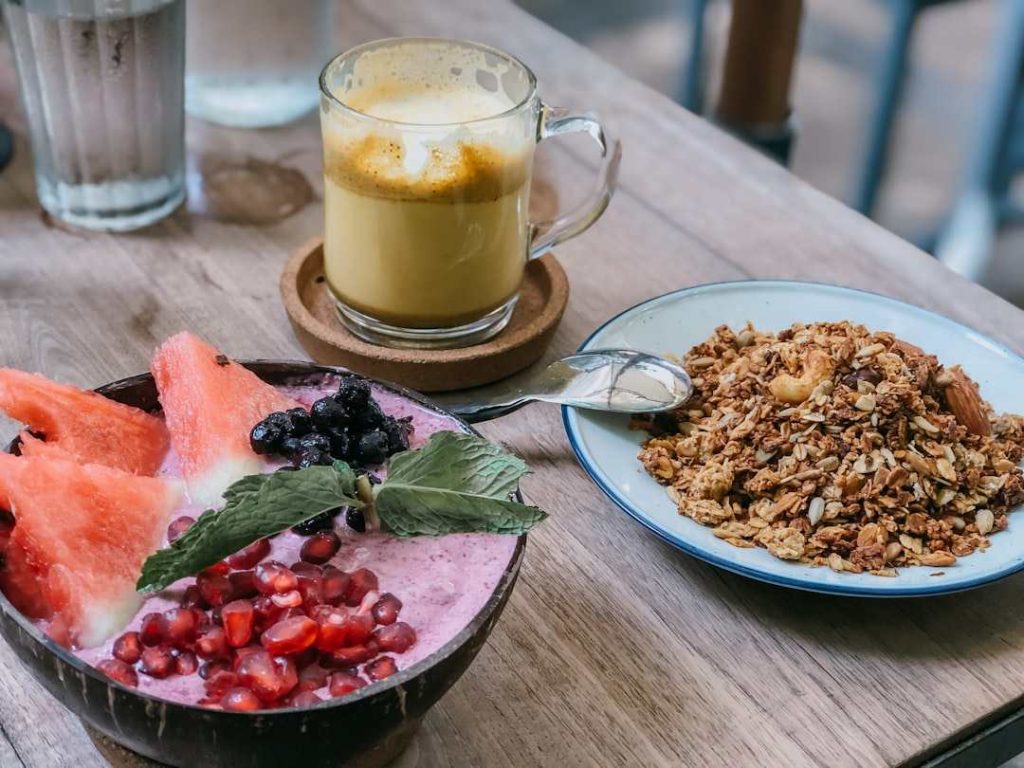
Turmeric is often used in curry, and this bitter, bright yellow spice has historically been used as an anti-inflammatory to treat both rheumatoid arthritis and osteoarthritis.
A high concentration of curcumin (which gives turmeric its yellow color) helps reduce muscle damage caused by exercise.
It also helps boost the immune system, protecting you from illnesses and diseases.
Conclusion
Maintaining a healthy immune system couldn’t be more important if you want to live a long and healthy life.
Without a well-functioning immune system, you are at a high risk of developing an illness or disease.
Once you become sick, you will struggle to fight it off and return to full health.
From struggling to overcome the common cold to finding it difficult for wounds to heal after an injury, an impaired immune system brings a host of issues that would be better avoided.
It’s also important to understand the role of a strong immune system in preventing serious health conditions like cancer.
Cancer has been linked to a poorly functioning immune system, and if you already have cancer, the treatments that are given to help can reduce the function of the immune system still further.
Chemotherapy and radiation therapy both impact your immunity negatively, putting you at even greater risk of suffering from other illnesses.
Therefore, ensuring you take every step to maintain optimal immunity is essential.
As you’ve seen in this guide, one of the best ways to improve your immune system is through a healthy diet.
We all know that eating well, with well-balanced meals on a daily basis, can keep us at an appropriate body weight.
That will ensure that we stay as well as possible.
However, we don’t always realize the effect that nutrition can have on our immune systems.
If we suffer from malnutrition, our immune system suffers.
A lack of micronutrients, such as vitamins and minerals, can, in the end, lead to illnesses, diseases, and ongoing medical problems.
Therefore, avoiding the dangers of malnutrition is imperative for your overall well-being.
Not only is it possible to protect your immunity by avoiding malnutrition through eating a well-balanced, healthy diet every day, but you can also actively give your immune system a boost by adding certain foods into your dietary regimen.
A number of food items have been shown in scientific research to offer a host of benefits for the immune system.
These give it a little additional support in combating diseases and illnesses and eradicating the invaders it encounters on a daily basis.
Some of the foods that you should be including in your daily diet to improve your immunity include:
- Superfoods such as berries, garlic, kale, and chia seeds are known to contain beneficial compounds and nutrients that promote good immune health.
- Phytochemicals – plant-derived chemicals that have anti-inflammatory properties to boost the immune system and help it to combat the invaders that it encounters.
- Antioxidants – there are many foods that contain antioxidants and that are known to reduce inflammation in the body and combat the free radicals that are responsible for the oxidative stress that causes illnesses of many kinds.
- Polysaccharides – these compounds support the body’s natural immunity by boosting the effectiveness of the cells’ destroying properties.
- Plant-based foods – foods that are derived from plants have been shown to help protect you from cancer and other diseases related to the immune system.
- Prebiotics – these foods can help to protect the gut through the fiber that they contain, and this, in turn, boosts your body’s natural immunity.
- Probiotics – these foods are known to boost good gut health, reducing the number of bad bacteria and increasing the number of good bacteria. So, you can have a better balance of the essential gut flora that are required to ensure optimal protection against disease and optimal immunity for your body.
The overall message is that eating healthy foods like wholegrains, legumes, healthy oils, fruits, vegetables, and fermented foods is the best way to boost your body’s own natural immune system.
Therefore, you can have the best possible chance of a long and happy life with minimal chance of serious diseases.
With a strong immune system, you’re less likely to get sick, and if you do, you’ll have a good chance of being able to fight off the disease before it causes any serious harm.