Power Juicing Guide: Fresh Juice Recipes for Weight Loss, Detox & Healthy Aging

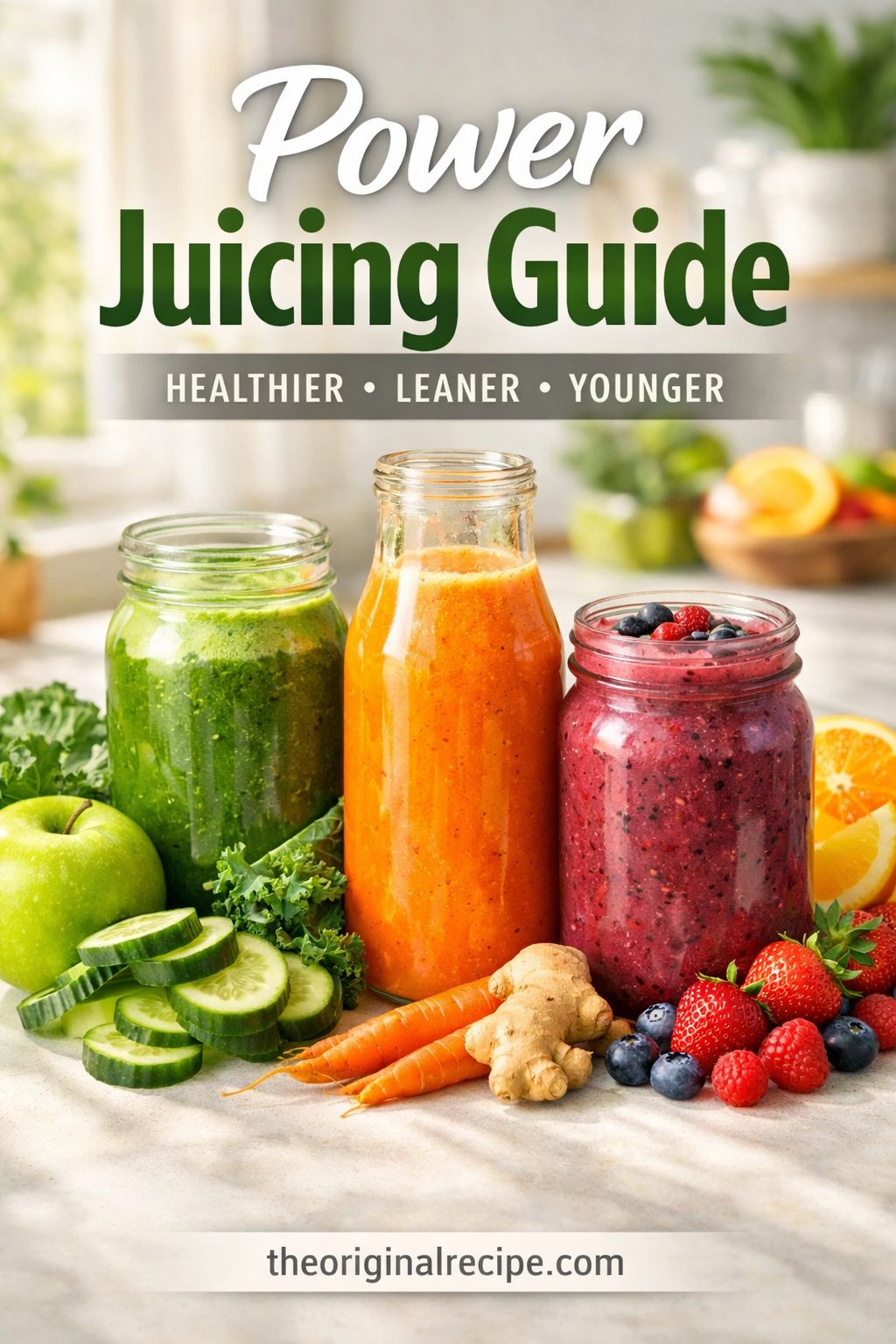
Fresh juices deliver all the nutritional benefits of fruits and vegetables in the most efficient way possible.
Digestive enzymes, found mainly in raw foods, play several key roles in our health, including converting the food we eat into body tissue and energy.
Drinking fresh juices is one of the best ways to obtain live enzymes.
Enzymes also play a key role in metabolism.
For this reason, drinking fresh juices can increase your metabolic rate.
A higher metabolic rate results in more energy and more calories burned.
This book will show you how to select a juicer (if you don’t already have one) and how to make juicing a regular part of your life.
Natural vs. Bottled Juice

Bottled juices are certainly a better drink alternative than sodas and other sugary drinks, but they lack the nutritional value of fresh juices.
Bottle juices are pasteurized to improve shelf life.
This means they are boiled to stop the growth of bacteria and other organisms.
Unfortunately, boiling also destroys many of the naturally occurring vitamins, minerals, and health-giving enzymes contained in the juice.
If you’re fasting or juicing for weight loss, you need live foods to sustain your body.
Some bottled juices contain added sugar and water, but even if they are 100 percent natural, they cannot match the taste and nutritional value of freshly squeezed juices.
Detoxification
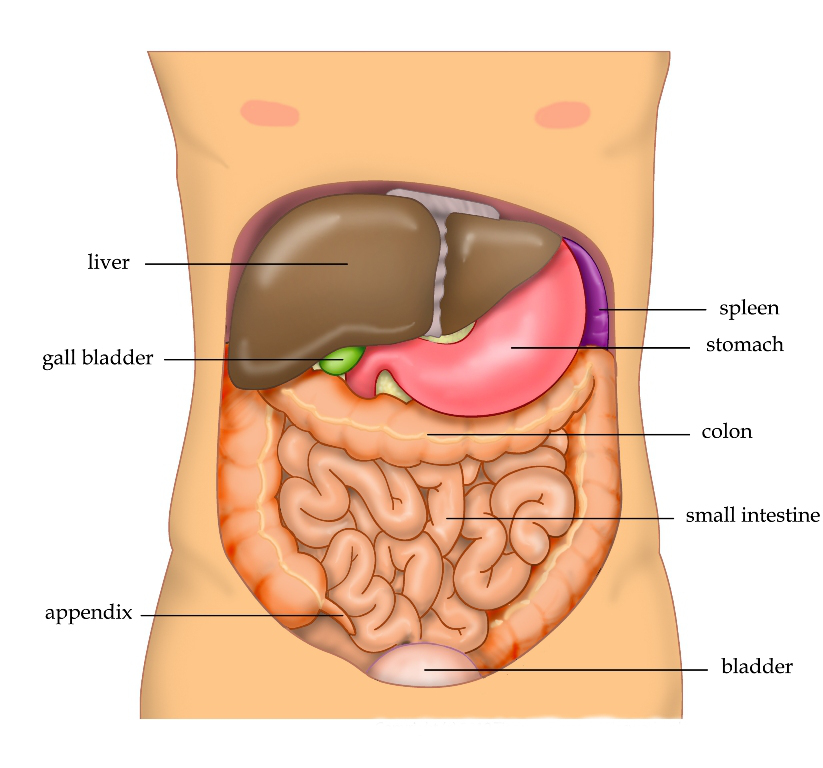
The liver is one of the most vital organs since it is involved in almost every aspect of the body’s processes.
The liver plays many critical roles, one of which is detoxifying or removing foreign substances.
Although some juice combinations are more geared towards cleansing the liver and gallbladder, the fact is that raw juices of all kinds support liver function to some degree.
Naturally, any substance that supports the liver will also improve overall health.
Anti-Aging

With advanced aging, there is an increased risk of degenerative diseases such as high blood pressure, high cholesterol, and arthritis.
Most fruits and vegetables contain powerful antioxidants that can help treat and prevent these and other age-related disorders.
Obesity and Disease

A rise in obesity has been linked to some common diseases including: diabetes II, coronary heart disease and even some types of cancer.
Fighting obesity through dieting and micronutrient supplementation may help prevent or delay the onset of these diseases.
Juicing for weight loss provides healthy micronutrients without overburdening the system with calories or fat.
Power Juicing for Energy

Our lives seem to get more hectic and stressful with every passing day.
If you have children, you know what it is like to try to meet their needs while balancing the demands of your busy schedule.
Juicing can help you recharge your system while maintaining stamina throughout the day, without resorting to caffeine, sugar, or other stimulants.
Phytochemicals
Phytochemicals are substances found only in plants that are considered to be among the best disease-fighting nutrients.
Since most of us don’t eat enough fruits and vegetables daily, juicing is a marvelous way to ensure we get our daily supply of these vital nutrients.
Nutritional Synergy
Juicing provides the added benefit of nutritional synergy.
This means that the power of one nutrient is greatly enhanced when combined with another.
For instance, when vitamins E and C are combined, they work even more effectively.
The same holds true for beta-carotene, whose benefits are enhanced when combined with Zinc.
This synergistic effect is greatly magnified when we consume dozens of vitamins and minerals from fresh fruits and vegetables in juice form.
The Role of Fiber

Fibers are present in all plant foods.
Categorized as soluble or insoluble, fiber helps to increase bulk, soften stools, and shorten the transit time of food as it moves through the intestinal tract.
Only the insoluble fiber is removed by the process of juicing.
Freshly juiced fruits and vegetables still contain plenty of soluble fiber.
Soluble fiber dissolves in water and forms a gel that has a cleansing effect on the intestinal tract.
Soluble fiber also binds to cholesterol, preventing its reabsorption.
A diet that includes cleansing fiber is vital for maintaining a slim waistline, preventing constipation and bloating, and reducing the risk of inflammatory bowel disease and colon cancer.
Maximum Absorption

Drinking fruit and vegetable juice bypasses the digestive process.
This means that most of the nutrients in raw juice are readily delivered to the bloodstream and cells, where your body can use them to support healing, nourish, and repair tissue.
Even though dietary supplements are helpful, the most efficient way to consume essential healing nutrients from whole foods is through freshly prepared juices.
There isn’t a pill or powder that can deliver the nutritional power and live enzymes contained in these vegetables.
Only through juicing can we be sure to consume the minimum recommended daily allowance of fruits and vegetables that is necessary for optimal health.
What is the Difference Between Juices and Smoothies?

Juicing requires a juice extractor (also called a pulp ejector) to separate liquid and nutrients from the fibrous pulp found in most vegetables.
Fruits and vegetables with a high water content, such as watermelons, oranges, grapefruits, grapes, and tomatoes, can be juiced in a blender.
But hard fruits and most vegetables, like apples, celery, and carrots, can only be processed with a juicer.
Blenders are ideal for making smoothies, shakes, or creamy soups.
But when you toss hard or stringy vegetables in a blender, you end up creating a mushy paste.
Smoothies

Smoothies contain more fiber, since the entire fruit or vegetable goes into the blender.
They are thicker and creamier than juices, which makes them ideal as meal replacements since they are more filling.
Smoothies are very convenient since they can be prepared in a hurry.
(It’s easier to rinse a blender than a juicer.
Smoothies are great for beginners since most people already have a blender in their kitchen.
To prepare a smoothie, mix soft fruits (either fresh or frozen) with yogurt, buttermilk, or nut milk, add some protein powder (this is optional), and you have a delicious, fat-free meal that can keep you satisfied for a couple of hours or more.
Juices

Fresh juices provide one of the quickest ways to flood the body with a high level of nutrition.
You can’t get the nutritional properties of broccoli, cabbage, and carrots using a blender.
For that, you need a juicer.
In the next chapter, we’ll explore what to look for in a juicer, some suggested models, and prices.
Buying a Juicer

As explained in the previous section, a blender and a juicer are two separate appliances designed to perform different functions.
Selecting a Juicer

A good juicer can cost anywhere from $69 to $199, and it will last you for years.
Apart from quality, design, and durability, one of the most important factors to consider when buying a juicer is how easy it is to clean it.
When selecting a juicer, avoid models with multiple narrow compartments where pulp residue can get stuck.
If you buy a machine that’s difficult to clean, you probably won’t use it on a regular basis.
If you’re new to juicing, these models have all the features you should expect in a juicer: They are sturdy, with a slick design and best of all, they are easy to use and easy to clean:
- http://www.amazon.com/Breville-BJE200XL-Fountain-700-Watt-Extractor/dp/B000MDHH06
- http://www.amazon.com/Breville-BJE200XL-Fountain-700-Watt-Extractor/dp/B000MDHH06
- http://www.omegajuicers.com/
You shouldn’t have to pay more than $199 for a reliable juicer that’s durable, easy to use and easy to clean.
Shop around online or visit retail stores like Costco.
I use a Kenwood juicer that I found at Costco several years ago and it still works like a champ.
I paid less than $80.00 for it.
What to Look for in a Juicer
Look for an appliance that needs no special tools.
Try to find a juicer that doesn’t require a special tool to remove the blade.
If you lose the tool while cleaning, you may end up with a useless juicer.
Consider the sturdiness of the machine.
You’ll want to purchase a juicer that can handle hard vegetables, like carrots and beets, as well as delicate greens like parsley, herbs, and lettuce.
A nice feature to have is a juicer that automatically ejects the pulp into a receptacle, instead of one that keeps all the pulp inside the machine.
The fewer parts, the better. If a juicer is easy to wash, you won’t hesitate to use it regularly.
Cleaning your Juicer

The following tips will help you get the most out of your juicer:
Be sure to rinse and clean your juicer as soon as you finish using it.
If you let it sit for hours, the pulp residue will harden, making it more difficult to clean.
It shouldn’t take more than a couple of minutes to clean all the parts.
Most juicers have a fine mesh filter or strainer.
The best way to clean this part is to rinse it with water while rubbing it with a clean toothbrush to remove particles.
If you’re in a hurry and can’t wash your juicer right away, disassemble the machine and leave all the parts soaking in water with a bit of soap so it’s easier to clean later.
Getting Started with Power Juicing

Whenever possible, try buying produce from local farmers or at farmers’ markets.
Buying local and organic produce helps to ensure you receive the maximum amount of nutrients while avoiding pesticides.
If you can’t buy organic, avoid fruits and vegetables with shiny, waxed skins, or remove the skin with a knife before juicing.
Although the skins are rich in vitamins, it’s important to avoid pesticides.
Remove the skin from cucumbers if they are not organic.
Golden apples tend to have fewer chemicals than red apples, like Fuji or Gala.
It is best to avoid red apples with a bright, shiny surface, or to remove the skins before juicing.
Preparing Produce for Juicing
Wash the produce with cold water.
If you don’t have access to organic food, you’ll want to make sure any residual pesticides are removed.
Scrub off any dirt from root vegetables.
Next, slice or cut the food into manageable pieces.
Remove the larger pits and seeds.
Can I Store Fresh Juice?
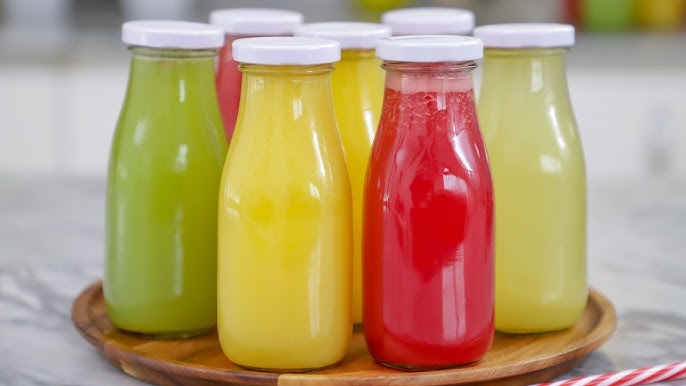
To get the most benefits from fresh juice, it is best to drink it straight from the juicer.
If this isn’t possible, store it in a dark, airtight bottle or container and open it when you’re ready to drink.
Remember that over time, light, air, and heat will destroy most, if not all, of the available nutrients.
Since homemade juices lack chemical preservatives, they oxidize or spoil quickly.
Some juices spoil within 24 hours.
There are certain juices that should not be stored.
These include those made from: melons, cabbage, and all cruciferous vegetables (like broccoli and cauliflower).
Drink these as soon as they are juiced and throw away any remaining liquid.
Depending on where you live, there may be times during the year when good, fresh fruits are hard to find.
In this case, you can turn to the frozen variety.
While you may not receive the same high level of nutrients, you’ll still be receiving some benefits.
Buy frozen fruit with no added sugar or syrup.
Another alternative is to buy locally in bulk when you can, and freeze the excess fruit.
Juicing for Weight Loss
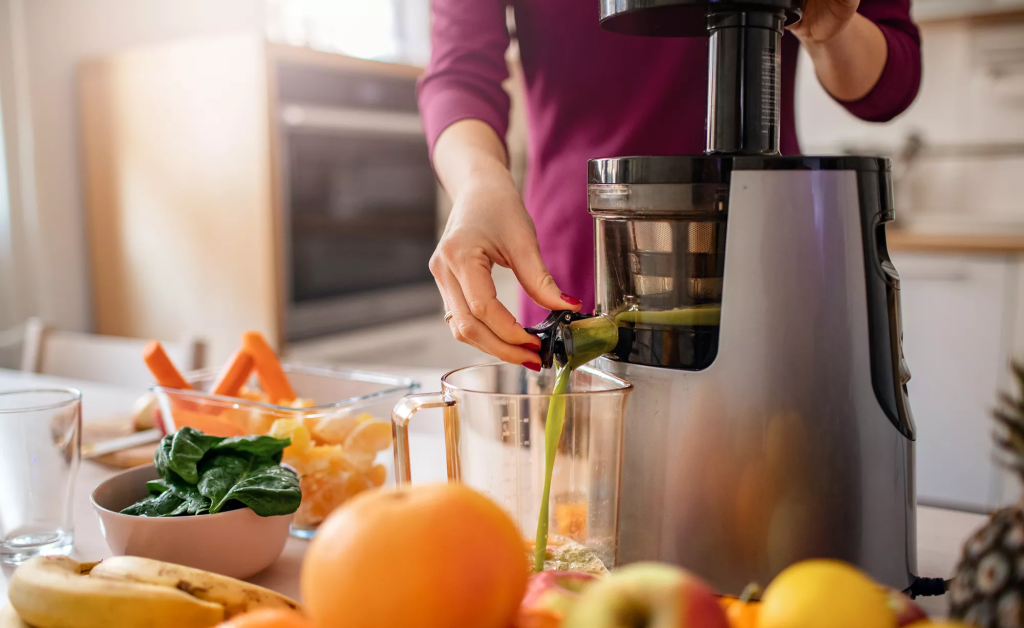
Fruits and vegetables are the fastest route between your current weight and a new, slim you.
How Juicing Can Help You Lose Weight
Because raw juices are packed with nutrients, they provide nourishment while helping to control hunger and cravings.
They also leave a taste in your mouth that neutralizes or diminishes the desire for sweets or junk food.
Since fruits and vegetables are virtually fat-free, and juice from vegetables is low in sugar, they are the best foods to rely upon for weight loss.
Juicing for Weight Loss and Body Fat Reduction
When juicing for weight loss, it is best to avoid fruits with a high sugar content and emphasize veggies and leafy greens.
Typically, vegetable-based recipes (except for beets) have fewer calories and sugar than fruit-based recipes.
Aim to use green vegetables as the main base of your juice, then add some fruit for a touch of sweetness.
This will enhance the flavor, reduce the amount of calories and sugar, and boost your fat-burning efforts.
Adding a medium apple or a pineapple is enough to enhance the taste of any vegetable juice.
Fruits and Vegetables for Weight Loss

Apple
This low glycemic fruit is known for a wide range of health benefits, including regulating blood-sugar levels.
The pectin in apples (soluble fiber) binds to fat and cholesterol in the digestive tract, preventing their reabsorption.
Apple juice adds great flavor to most vegetable juices.
Berries: Strawberries, blueberries, and raspberries are fantastic for weight loss and anti-aging juicing.
They are great tasting, packed with antioxidants, and relatively low in sugar.
Cabbage:
This is a powerful body-cleansing vegetable often recommended for weight loss.
You may have heard of the “cabbage diet”.
All cabbages (red and green) are incredibly rich in nutrients.
Green has more folate, while red is richer in antioxidants.
Carrot:
This delicious juice adds sweetness, aids digestion, is a liver cleanser, and is high in beta-carotene.
Celery:
Often recommended in weight-loss programs for its low-calorie and water-dense nature.
Juice the entire celery stick, including the chlorophyll-rich green leaves.
Citrus Fruits:
Grapefruits and lemons help regulate blood sugar levels, which helps to control hunger.
Cucumber:
A base of choice for most recipes since they are water-dense and relatively low in calories.
Kale:
This super green vegetable is high in fiber and nutrients.
Kale is a member of the cruciferous family, along with broccoli, Brussels sprouts, cabbage, cauliflower, and collard greens.
Lettuce:
The darker the lettuce, the more nutrients and minerals it is.
Choose red leaf, romaine, and arugula.
Promotes diuretic action.
Contains chlorophyll, iron, magnesium, Vitamins K and C.
Spinach:
Rich in chlorophyll and minerals such as calcium, spinach is a good source of energy.
Aids in digestion, prevents constipation, maintains low blood sugar, and controls overeating.
Tomato:
Helps reduce acid in the body and stimulates blood circulation and liver cleansing.
Watercress:
Considered a powerful intestinal cleanser and toxin neutralizer.
Good for the kidneys, bladder, and blood circulation, and believed to stimulate fat burning.
Watermelon:
This refreshing fruit is a natural diuretic and appetite suppressant.
Its sweet taste and high water content will keep you feeling satisfied.
Rich in vitamins and anti-oxidants including lycopene.
Watermelon juice can be prepared in a blender.
Juicing for Detox

Juice fasts are very popular these days.
They’re promoted by some as the perfect way to flush away unnecessary additives and toxic substances.
Some medical experts warn that drinking only juice for an extended period is not only unnecessary but also dangerous.
Others concede that occasional fasting may be needed at times to support our natural elimination processes.
Releasing Energy
Digestion of solid food consumes up to 70% of the body’s energy.
By drinking only juices, we can skip digestion, which in turn allows energy to be diverted to other important functions, such as healing and elimination.
This makes juicing ideal for fasting.
Note: Fasting means to abstain from all food while drinking only water.
So technically, you are not fasting if you drink juice, but drinking only juice may be considered a form of fasting (since it bypasses digestion).
Symptoms You May Experience on a Juice Fast
Be aware that individuals who practice juice fasts may experience dehydration, exhaustion, and weakness.
For many people, a prolonged juice fast can cause low blood sugar, leaving them feeling tired and weak.
An extended juice fast can also affect emotional health.
Some individuals may experience depression as their blood sugar plummets.
Dehydration may occur because the body is used to receiving fluids from several food sources.
When those food sources are removed, the body receives less fluid.
Symptoms of dehydration may include a dry mouth, excessive tiredness, thirst, headaches, dizziness, and mental confusion.
You may also notice that you urinate less frequently.
When we follow a restrictive diet, the body automatically shifts into starvation mode.
It tries to compensate for a lack of food by slowing metabolism, leading to weight gain.
If you still decide to do a juice fast, be sure to obtain some professional guidance from your health care provider or nutritional expert.
Vegetable or Fruit Juice is Not a Complete Meal
Since fresh juice contains very little protein and virtually no fat, it is not a complete food.
Therefore, fresh juice should be used to supplement regular meals and not as a meal replacement.
You can safely do a half-day juice fast, occasionally.
Drinking a freshly juiced drink in the morning and not eating anything until lunch or dinner may help your system catch up on some necessary internal cleansing.
In this way, your body can go to work on healing and cleansing for several hours.
If you approach it this way, in addition to the juice, consider avoiding packaged and processed foods and eating mostly whole foods (soups, salads, cooked vegetables, nut milk, brown rice) on the day of the fast.
This way, you’ll be receiving nutrients while cleansing your body.
Tips for a Safe Liquid Diet

In addition to raw juices, try to consume a variety of liquid meals throughout the day that include one or more of the following:
- Broths (from vegetable and or chicken soup)
- Miso soup (a source of vegetable protein)
- Nut milks such as coconut or almond milk
- Herbal teas (teas that have no caffeine or tannic acid)
Vacation time or long weekends may be ideal times for undergoing a liquid diet.
For maximum benefit, you should get plenty of rest and avoid stressful situations (like driving in traffic) during a liquid fast.
Use this healing time to nourish your body, mind, and soul with a spa-like treatment.
Listen to your favorite music, spend time in nature, go for a walk, read, meditate, and get a massage.
This may be an excellent time to jump-start a healthy eating plan if you haven’t already.
You don’t have to change your life overnight; just a few good habits will yield benefits over time.
Occasional Overindulgence
One of the many functions of the liver is to metabolize or break down alcohol.
The liver, along with the gall bladder, is also responsible for breaking down fats.
Anytime we consume alcohol or overeat, we put additional stress on the liver.
How to Prevent Hangovers

If you plan to go to a party, a holiday dinner, or an “All you Can Eat” dinner buffet, try to eat light meals during the day.
Drink a glass of vegetable/fruit juice before you leave the house.
This will provide your liver with live enzymes to aid digestion.
Before going to bed, drink one to two glasses of water, even if you’re not thirsty.
The more water you can drink, the better.
The liver requires water to process alcohol.
Give your liver what it needs by drinking plenty of water, and you’ll avoid waking up with a headache or a hangover.
Alcohol abuse promotes aging and can lead to serious illnesses.
Ideally, we should drink no more than 1 alcoholic drink per hour (that’s 6 to 12 ounces of beer, 5 ounces of wine, or 1 ounce of spirits) in an hour.
If we exceed that limit, juicing and proper hydration can help offset the damaging effects of alcohol.
Please note that juicing is not a hangover cure, although drinking juices will help lessen its effects.
Drink responsibly and, if possible, avoid mixing sugar with alcohol.
This makes for a far worse hangover and adds empty calories that later turn into fat.
If you drink a Mojito (rum and sugar) ask the bartender to skip the sugar.
Rum already contains sugar.
If you drink alcohol, Vodka is the liquor least likely to give you a hangover.
Since Vodka contains no carbohydrates or sugars, it is also the least fattening alcoholic beverage.
Recovery

If you plan to have surgery or major dental work, fresh juices can provide a healing, anti-inflammatory effect (prior to and after the procedure).
Anesthesia, painkillers, and other medications have toxic side effects on our bodies.
Juicing can help offset these side effects by boosting the functions of our vital elimination organs with potent phytochemicals.
To prevent or treat hangovers or to recover from surgery or injuries, try a basic juice cocktail by juicing 1 apple, 4 carrots, and 3 stalks of celery, or try any of the Detox Recipes listed in the recipes section at the end of this book.
Juicing for Anti-Aging
It is never too early to start protecting your heart and arteries and preventing age-related diseases.
As we age, our bodies become less efficient at processing the nutrients found in food.
This means that we need to add more vitamins and minerals to our diet.
Fresh fruits and vegetables contain marvelous compounds known as antioxidants.
These antioxidants help neutralize the effects of free radicals in our system.
Free radicals promote aging and a host of degenerative diseases, including cancer.
The most powerful of these antioxidants include vitamins A, C, and E, as well as alpha lipoic acid and carotenoids.
Even though dietary supplements can help, the most efficient way to consume these essential nutrients is through fresh food.
“Anything we can do to eliminate free radicals would greatly benefit us to live longer, healthier lives.”
Sanjay Gupta, CNN
Vitamin C
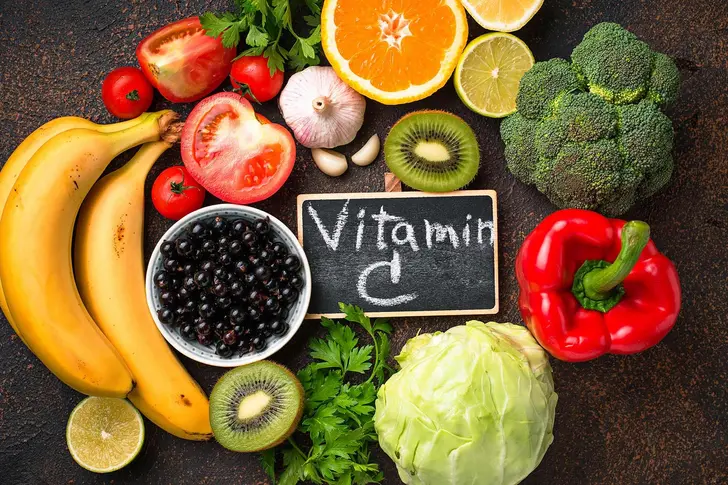
Vitamin C is an antiviral agent that helps boost the immune system.
Some researchers believe that increased vitamin C intake can help prevent Parkinson’s disease.
Studies now confirm that this vitamin plays a role in lowering blood pressure, preventing cataracts, and several types of cancer.
Vitamin C also helps reduce excessive cortisol levels, a hormone secreted by the adrenal glands that can cause fatigue and weight gain when it rises.
Vitamin C may help reduce the risk of developing cardiovascular disease.
It seems this nutrient can raise HDL, or good cholesterol, while reducing LDL, or bad cholesterol.
Carotenoids

These compounds are found in fruits and vegetables that are bright orange-red and yellow.
Researchers have found that vision problems such as cataracts and age-related macular degeneration can be prevented by consuming these marvelous nutrients.
Carotenoids help strengthen our immune system.
They may also play a key role in the prevention of heart disease, stroke, and even some types of cancer.
Fruits and Vegetables for Anti-Aging

These are some of the best fruits to include in your juicing program to delay the effects of aging.
Try to include a few of these in your juices daily.
Apples
The mighty apple contains an abundance of antioxidants, fiber, and flavonoids.
Apple juice helps reduce crystal deposits that form around body joints (relieving pain from arthritis).
Be sure to include apples in your anti-aging juice recipes.
Blueberries
Blueberries are considered a superfood.
They are a great source of antioxidants, and they’ve also been proven to prevent age-related brain decline.
Broccoli
A vegetable superstar, this member of the cruciferous family can help lower the risk of certain cancers, prevent heart disease, and lower blood sugar levels.
Broccoli is rich in antioxidants, calcium, and vitamins B, C, and E.
Butternut Squash
This vegetable contains vitamins A and C, potassium, and niacin, an important B vitamin.
B-Vitamins boost brain function.
Cabbage
Cabbage is a rich source of vitamin C, calcium, sulfur and fiber.
Cabbage flushes out toxins.
Green cabbage can also help lower the risk of developing high blood pressure.
Cabbage juice has been shown to help treat peptic ulcers.
Pineapple
Abundant in vitamin C, it contains an enzyme called bromelain that helps ease arthritis pain.
This fruit can also reduce asthma inflammation and promote digestion.
Strawberries
Abundant in vitamin C and B-vitamins, this fruit is the perfect complement to nearly every power juice recipe for its great taste.
Sweet Potato
Sweet potatoes contain carotene, vitamin C, calcium, and potassium.
Clinical trials show that sweet potatoes maintain steady blood glucose levels and enhance insulin response.
They add a rich, creamy texture to any juice.
Tomatoes
A natural anti-inflammatory, tomatoes may help lower the risk of developing cardiovascular disease.
They contain Vitamin C, B complex vitamins, potassium, and the antioxidant lycopene.
Watermelon
Including this fruit in your juice recipes may help reduce your risk of developing certain cancers.
Rich in potassium, calcium, and lycopene.
Juice Recipes
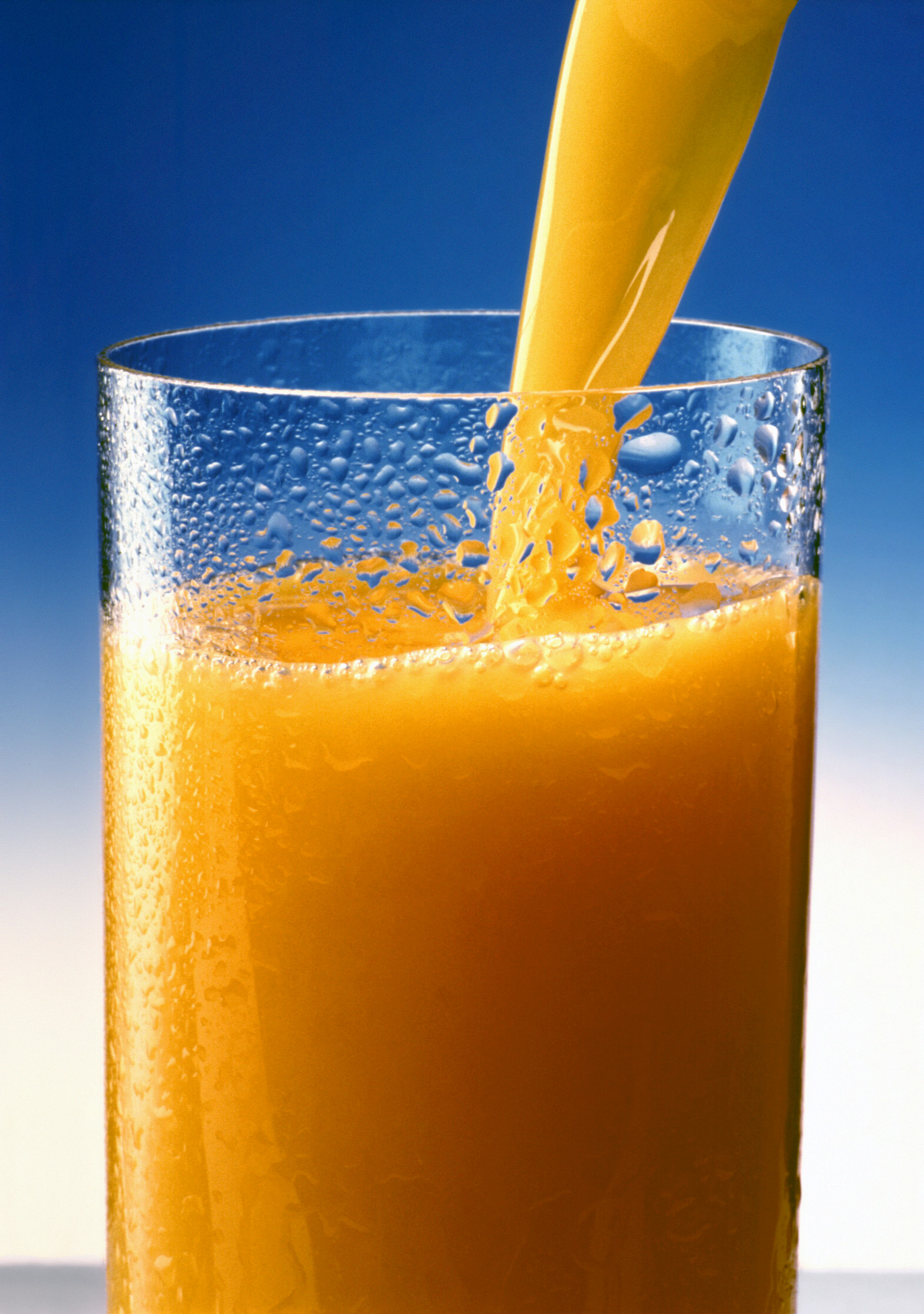
You’ll find a number of recipes in the following pages to help you get started with juicing.
Feel free to experiment by mixing vegetables and fruits to suit your taste and needs.
Juicing changes the taste of many vegetables.
Even if you dislike the taste of cabbage, you may find that you love the taste of cabbage juice, particularly when combined with other ingredients.
Although these recipes are organized into separate sections, most fruits and vegetables can provide detox, weight-loss, and anti-aging benefits because they contain vitamins, minerals, and essential nutrients.
However, most fruits and vegetables contain key nutrients that make them ideally suited for specific purposes.
For instance, most yellow, red, and orange produce, such as carrots, yams, pumpkins, mangoes, and watermelons, are high in beta-carotene.
Research studies suggest that dietary intake of foods high in beta-carotene may decrease the risk of cardiovascular disease as well as some forms of cancer.
Green leafy vegetables like parsley, spinach, kale, watercress, and wheatgrass are best for detox and weight loss juices.
Most bright, deep purple and blue colors, such as beets, blueberries, blackberries, and red cabbage, are packed with anti-aging antioxidants.
(The vitamin C content of red cabbage is 6-8 times higher than that of green cabbage.
Carrot juice contains every mineral your body needs, including calcium, iron, and magnesium.
There are a few vegetables that contain as many nutrients as carrots.
For this reason, you’ll find carrots listed in many juice recipes.
You’ll notice ginger root listed on some of the recipes in this book.
Ginger is rich in antioxidants, reduces inflammation, and is an anti-coagulant (it prevents platelets in the blood from sticking together).
A study conducted at the University of Miami School of Medicine found that ginger was as effective as prescription and over-the-counter drugs for controlling arthritis pain.
A small piece of ginger (about 1-2 inches long) adds a spicy taste to any juice.
Basic Juice Cocktail

The following is a basic juice cocktail recipe.
- 1 medium-sized apple (cored and sliced)
- 4 medium-sized carrots (peeled)
- 3 stalks of celery
That’s all it takes to make a delicious pint of fresh juice.
This simple juice can help curb hunger, lower cholesterol, alleviate pain and discomfort from arthritis and improve digestion.
Suggestions for Juicing
For maximum nutrient absorption, fresh juice should be consumed 20 minutes before a meal, or between meals.
Ease slowly into juicing.
Start by drinking one or two cups.
Just because it’s healthy doesn’t mean you should drink a whole gallon of juice at once.
Some juices are very strong and must be diluted.
When juicing beets, juice 1/2 of a beet combined with other vegetables.
Same with parsley.
Always drink parsley mixed with other juices.
When juicing spinach, lettuce, parsley, and other leaves, place the leaves on the feeder tube, then push them down with a hard vegetable such as a carrot.
When juicing grapes, it doesn’t matter if you use seedless or not, as the strainer will remove them.
You can’t pass bananas or avocados through a juicer.
Bananas are great for blending into smoothies and for snacking.
Avocados are a dieter’s delight for salads, sandwiches, or as a side dish, but not for juicing.