Stop Eating Your Way to Poor Health: A Practical Nutrition Manual for Real Fat Loss

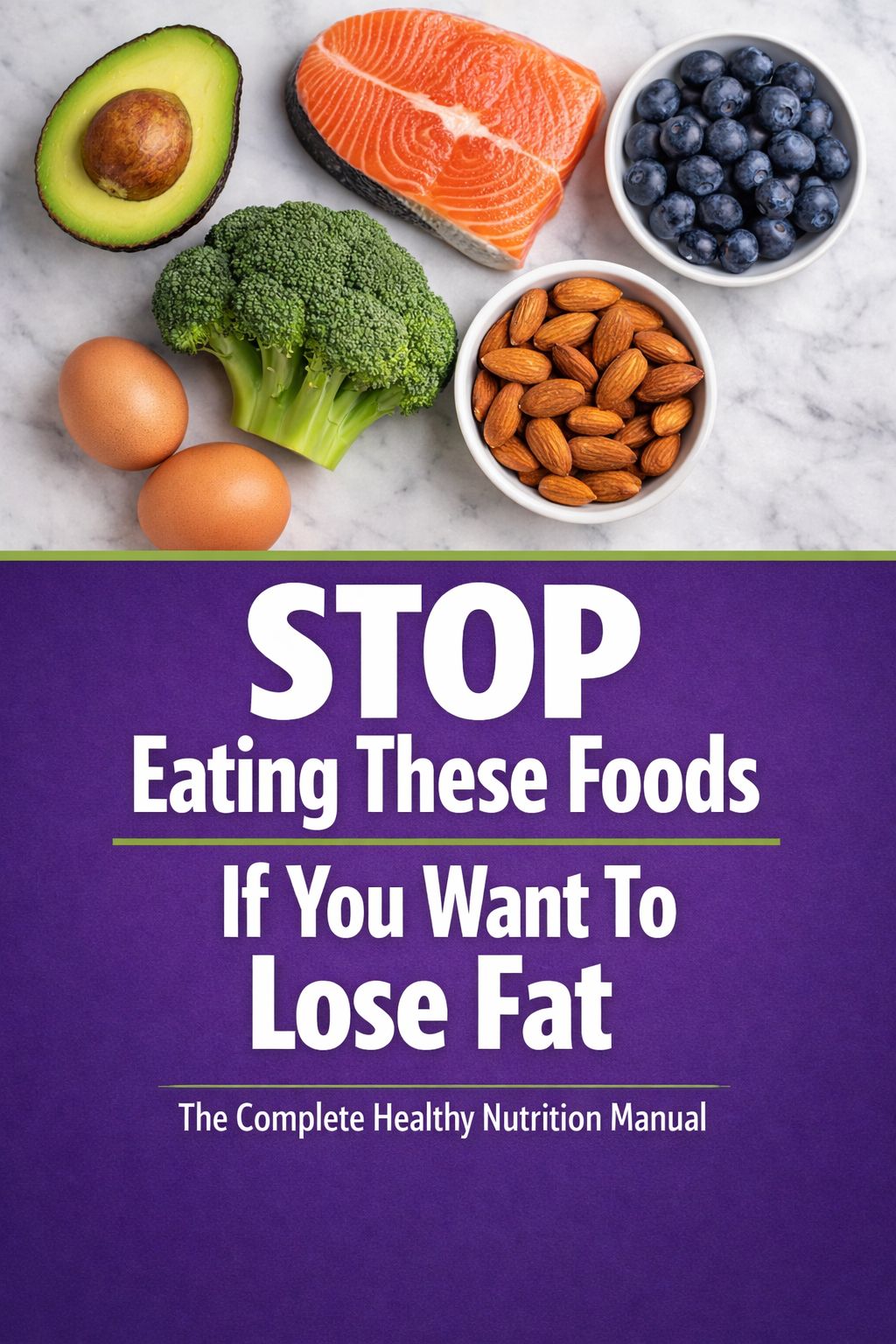
The human body is like an engine, and to run smoothly, it has to be fuelled, and the choice of “fuel” would then dictate how the engine performs.
This guide spews the truth about fat loss nutrition…
…which foods to cut, what your body actually needs, why fad diets backfire, and how much exercise really moves the needle.
No pills, no shortcuts.
Let’s get into it…
You Are What You Eat

This reference to the term “fuel” is equivalent to the foods consumed by the individual, which, as stated above, will be the determining factor in how the body performs and holds up.
The human lifespan is, to a very large extent, determined by the foods consumed throughout life.
Therefore, eating healthy is usually associated with staying healthy.
Whatever an individual consumes will eventually show up in the person’s overall makeup, ranging from health to skin to mental health, and so on.
The Important Basics You Need to Understand
The following are some tips on how to be wary of food intake and its impact on the body system:
- Consuming a diet high in fat will eventually lead to problems with the heart, which can range from heart stroke to heart disease. Researched have been able to prove this without any doubt, thus the need to be mindful of the fat content in the daily diet.
- Substantial data has been able to verify that 35% of cancer deaths are directly connected to poor eating habits. Most young people who have the advantage of age on their side do not seem to bother with eating right. This eventually contributes to various illnesses, one of which is cancer.
- Foods rich in fibre, on the other hand, are very beneficial to be included in the daily diet as it is considered a healthy habit to inculcate. It also helps lower cholesterol and reduce the risk of certain cancers. Including a rich dose of fruits and vegetables is also another good diet choice.
Importance Of Nutrition For Dieting

Understanding that there are no quick-fix formulas that are safe for weight loss will help the individual explore various diet plans until one is identified as suitable for their lifestyle and routines.
Making sure the choice made keeps nutritional value as a high priority, the individual will be well on the way to a healthy, well-nutritious diet plan that will help shed unwanted weight effectively.
Why It’s Crucial
Nutrition is an important part of every person’s well-being; therefore, careful consideration should be given to its role in any diet plan.
The nutritional needs of every individual vary greatly depending on many factors; a diet plan that works well for one person may not work as well for another.
Taking the time to understand how dieting affects the overall nutritional intake will help the individual design a diet plan that is both healthy and beneficial.
Good nutrition intake means the body can get all the nutrients, vitamins, and minerals it needs to function at its optimum while still protecting it from external negativity.
Therefore, eating a healthy diet is the best way to get the required amounts of nutrients into the body.
Balancing a good nutritional intake with an ideally planned physical workout, done on a regular basis, will help ensure any weight problems are kept in check.
A nutritionally based diet will help to improve and optimize cardiovascular and other body system functions, both in the mental and physical realm.
The nutritional value of a diet plan will also help hasten healing and reduce recovery time in cases of injury.
Good nutrition also reduces risks of contracting diseases, including heart disease, diabetes, stroke, and to some extent osteoporosis.
Delicious Food You Should Avoid

There are lots of foods people find very hard to avoid simply because they are very delicious and irresistible.
However, in the quest to stay healthy, foods that the body has difficulty digesting or breaking down should be the ones to diligently avoid.
These foods are usually highly processed and therefore have very few nutrients and enzymes left, making them “empty” of any good value.
These foods only temporarily satisfy hunger pangs and usually contribute to weight gain.
What To Stay Away From

Avoiding fast food and other convenient options is one way to eliminate the delicious yet thoroughly unhealthy options.
Foods prepared with oils and fats are definitely not a healthy choice; anything deep-fried or slathered in fat should be strictly avoided.
Some people advocate indulging in these foods sparingly, but the danger is that, because they are so delicious, the sparing allocations may eventually evolve into a more frequent pattern, which could become a bad habit.
Foods high in sugar should also be avoided.
This artificial food enhancer only serves to make the food items more tasty and enticing, and does not have any nutritional value at all; even worse, it often contributes to ill health and weight gain.
The accumulation of such foods in the body system is usually very hard to get rid of.
Therefore, in the quest to stay healthy and within an ideal weight range, such food items should be eliminated from the individual’s diet.
Indulging occasionally will still incur the possibility of it becoming a habit unless the individual is very strong and possesses an unshakable discipline characteristic.
Nutritious Food You Should Eat More
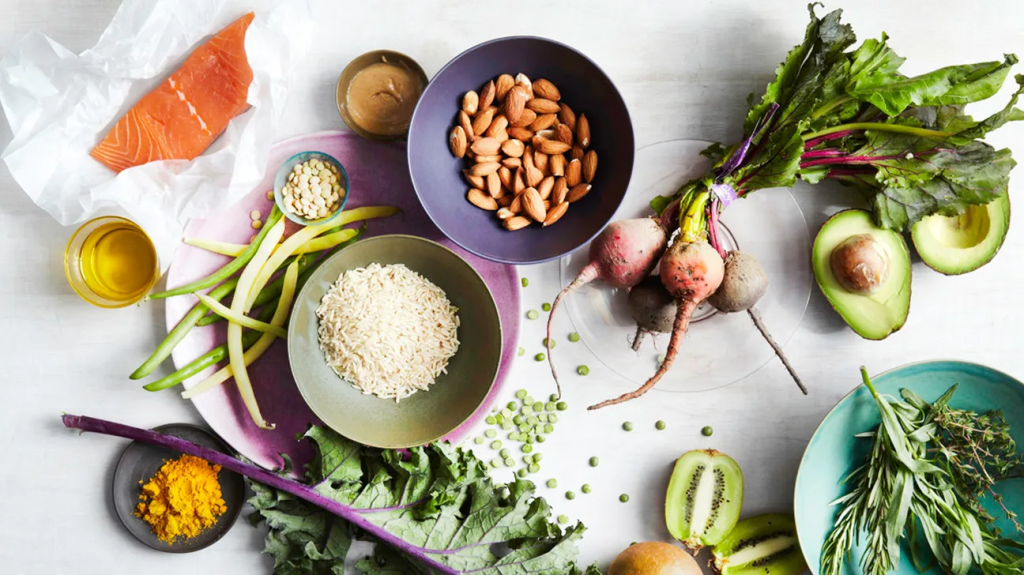
The human body is often likened to an engine, and for the engine to operate at its optimum, it needs to be fueled.
The human body likewise needs a compatible dietary regimen to ensure its optimal capabilities are reached.
Eat Right
This food intake exercise should ideally be designed around a nutrition-based plan, as a healthy diet can help the individual function well and keep negative effects, such as sickness, both mental and physical, at bay.
Nutritional food intake also helps to prevent unnecessary weight gain.
The following are some food groups that are considered important for their nutritional value:
- High-protein foods are useful for energy and for building protein levels in the body. These proteins help support cell structures and keep them healthy and in optimal condition. Eating protein-rich foods such as meat and dairy should be included in a diet plan daily.
- Foods that contain vitamins and minerals are another important addition to the daily diet plan. These vitamins and minerals play many positive roles in supporting the body’s health. Among the functions of these vitamins and minerals is to bind and help enzymes catalyze the chemical reactions needed for cells to function as they were designed to. However, it should be noted that all vitamin and mineral intakes should be done in a controlled manner, as overindulgence can cause adverse effects.
- As carbohydrates are the primary source of energy for the human body, they should be included in the daily diet. However, a clear understanding of good carbs and bad carbs should be noted and used accordingly.
Your Weight Loss Nutrition Plan

Let us take a look at some diet and nutrition myths out there.
What Is The Truth
Myth: Fad diets work for lasting weight loss.
Reality: Fad diets are not the best way to slim down and keep it off.
Fad diets frequently promise speedy weight loss or tell you to cut particular foods out of your diet.
You might slim down at first on one of these diets.
However, diets that rigorously limit calories or food options are difficult to follow.
Most individuals quickly get tired of them and regain any lost weight.
Fad diets might be unhealthy because they may not provide all the nutrients your body needs.
Also, slimming down at a very rapid rate (more than 3 pounds a week after the first few weeks) might increase your risk of developing gallstones (clusters of solid material in the gallbladder that may be painful).
Diets that supply less than 800 calories per day might also result in cardiac rhythm abnormalities, which may be fatal.
Research suggests that losing 1/2 to 2 pounds per week by choosing healthy foods, eating moderate portions, and building physical activity into your daily life is the most effective way to slim down and keep it off.
By adopting healthy eating and physical activity habits, you might lower your risk of developing type 2 diabetes, heart conditions, and hypertension.
Myth: Carb diets are a healthy way to slim down.
Truth: The long-term health effects of a high-protein/low-carbohydrate diet are unidentified.
However, getting most of your daily calories from high-protein foods like meat, eggs, and cheese isn’t a balanced eating program.
You might be consuming a bit too much fat and cholesterol, which could increase your risk of heart disease.
You might be consuming too few fruits, veggies, and whole grains, which can lead to constipation due to a dietary fiber deficiency.
Adhering to a high-protein/low-carbohydrate diet might also make you feel nauseous, fatigued, and weak.
Consuming fewer than 130 grams of carbs a day may lead to the buildup of ketones in your blood.
A buildup of these in your blood may cause your body to produce elevated levels of uric acid, which is a risk factor for gout and kidney stones.
High-protein/low-carbohydrate diets are frequently low in calories as food choices are rigorously limited, so they might cause short-term weight loss.
However, a reduced-calorie diet that includes suggested amounts of carbs, protein, and fat will also help you slim down.
Myth: Starches are fattening and ought to be restricted when attempting to slim down.
Truth: A lot of foods high in starch, like bread, rice, pasta, cereals, beans, fruits, and a few veggies (like potatoes and yams) are low in fat and calories.
They get high in fat and calories when consumed in large portions or covered with high-fat toppings like butter, sour cream, or mayo.
Foods high in starch are a crucial source of energy for your body.
Stress fruits, veggies, whole grains, and fat-free or low-fat milk and milk products.
Include lean meats, poultry, fish, beans, eggs, and nuts.
Myth: particular foods, like grapefruit, celery, or cabbage soup, might make you slim down.
Truth: No foods may burn fat.
Some foods containing caffeine might temporarily increase your metabolism, but they don’t cause weight loss.
The best way to slim down is to cut down on the number of calories you consume and be more physically active.
Myth: Natural or herbal weight-loss products are safe and efficient.
Truth: A weight-loss product that claims to be “natural” or “herbal” isn’t necessarily safe.
These products are not commonly scientifically tested to prove that they’re safe or effective.
For instance, herbal products containing ephedra (now banned by the U.S. Government) have induced grave health problems and even demise.
Newer products that claim to be ephedra-free are not necessarily danger-free, as they might contain ingredients similar to ephedra.
Talk with your health professional before utilizing any weight-loss product.
A few natural or herbal weight-loss products may be injurious.
Do Supplements Work?
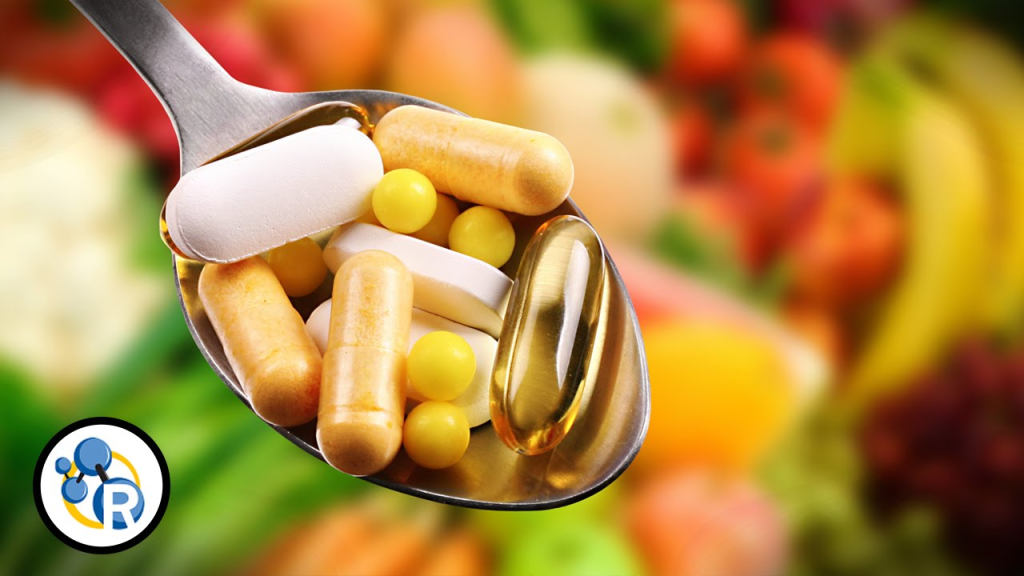
The enticement to use over-the-counter weight-loss pills to lose weight quickly is substantial.
However, are these products safe and effective?
The Pills
The appeal of slimming down fast is difficult to resist.
All the same, do weight-loss pills and products lighten up anything but your pocketbook?
And are they a safe choice for weight loss?
Here’s a look at some over-the-counter weight-loss pills and what they will and will not accomplish for you.
Over-the-counter does not imply risk-free
A number of weight-loss pills are available at your local pharmacy, supermarket, or health food shop.
Even more choices are available online.
Most have not been demonstrated to be effective, and a few might be out-and-out dangerous.
Dietary supplements and weight-loss aids aren’t subject to the equivalent strict standards as are prescription drugs.
Thus, they may be sold with limited proof of effectiveness or safety.
When a product is on the market, the Food and Drug Administration supervises its safety and may take action to ban or recall unsafe products.
So, the Food and Drug Administration has censored the sale of supplements containing ephedra and additional ephedrine-like ingredients.
Check the facts before you buy
It’s crucial to do your homework if you’re thinking about trying out over-the-counter weight-loss pills.
Study labels and talk with your physician or pharmacist.
In addition to that, make sure to check the Food and Drug Administration site for alerts about safety concerns and product recalls.
Accelerate Your Progress With Physical Activities

Exercising more than once a day may speed up weight loss.
Weight loss happens when your body utilizes more calories than it takes in.
Physical activity increases metabolic rate, subsequent caloric expenditure, and the likelihood of weight loss success.
Weight loss needs more than 250 minutes of weekly exercise, and working out more than once per day might help achieve your exercise goals.
Get Moving
According to the American Council on Exercise, 1 lb. of body fat equals 3,500 calories.
So, a daily shortage of 500 calories leads to a 1 lb. weight loss weekly, while a daily shortage of 1,000 calories brings on a weekly weight loss of 2 lb.
Increasing your total exercise volume raises your caloric deficit and accelerates weight loss.
For instance, less than 200 minutes of exercise per week is linked to preventing weight gain, not weight loss.
A medical article by a group of researchers advises exercising for more than 250 minutes per week for weight loss.
You may amass workout sessions throughout the day to reach your daily exercise goal.
Consequently, working out more than once a day accelerates weight loss by increasing caloric expenditure.
All the same, one daily workout is sufficient if it fits your daily goal.
Personal preference and schedule may prescribe your exercise routine.
One book by the National Strength and Conditioning Association defines overtraining as excessive intensity or frequency of training, leading to prolonged fatigue.
Overtraining causes overtraining syndrome, which results in reduced exercise performance, elevated blood pressure, increased muscle soreness, a poor mood, and additional effects.
You may prevent overtraining syndrome by getting adequate rest.
Exercising multiple times per day is safe, provided you permit rest days throughout the week.
You may further speed up weight loss by cutting back on caloric intake.
Merging exercise with a moderate daily caloric restriction of 500 to 700 calories yields greater weight loss than exercise alone.
All the same, merging exercise with higher levels of caloric restriction isn’t beneficial.
Health and weight loss success are to a great extent influenced by diet.
Weight loss calls for a daily caloric deficit over time.
Consequently, exercising multiple times a day while consuming excess calories hinders weight loss.
All the same, meeting your weekly exercise goal and consuming healthful amounts and types of food accelerate weight loss.
Wrapping Up
To slim down, you have to alter your energy balance.
There are simply 2 ways to accomplish this: Either take in fewer calories or spend more energy through exercise.
The easiest way to cut down on your consumption is to simply cut back on the size of your meals and/or the total number of high-calorie foods you eat.
This doesn’t mean you have to give up any particular food: in fact, completely avoiding a food may lead to strong cravings that derail your diet.
A brighter approach is to simply eat less of those high-calorie foods and exercise.