10 Blood Sugar Balancing Breakfast Ideas


Breakfast can set the tone for your whole day.
A carb-heavy start, like a bagel or sugary cereal, can spike blood sugar fast. Then energy crashes an hour later.
A balanced breakfast works differently. Protein and fiber slow things down, so you get steadier energy instead.
Here are 10 breakfasts built around that idea.
These are general recipe ideas, not medical advice. Ask your healthcare provider or a registered dietitian what breakfast pattern fits you.
4 Tips for a Blood Sugar Balancing Breakfast
- Add protein first. Eggs, Greek yogurt, or cottage cheese all work well.
- Do not skip fiber. Vegetables, beans, or whole grains slow down digestion.
- Go easy on juice. A piece of whole fruit beats a glass of juice most mornings.
- Do not skip breakfast. Skipping often leads to a bigger spike at your next meal.
10 Blood Sugar Balancing Breakfasts
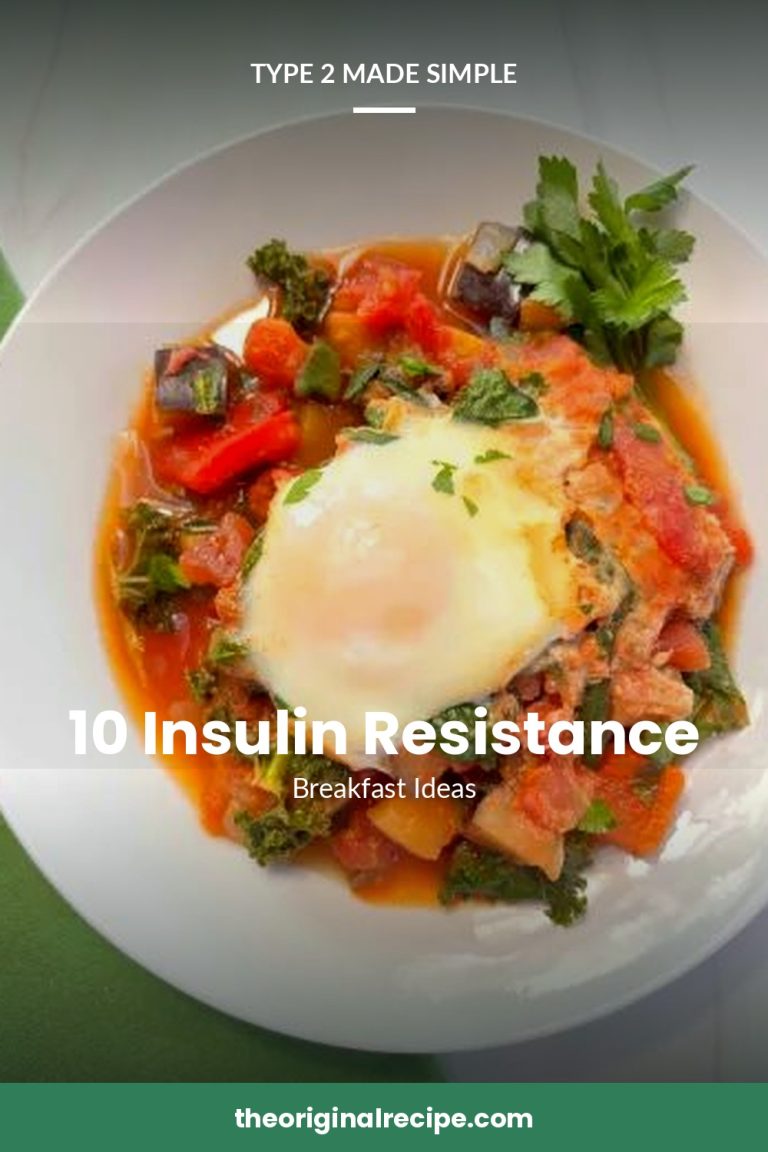
1. Spicy Greens and Roasted Red Pepper Shakshuka
Best for a weekend breakfast

Eggs poached right in a bubbling tomato and pepper sauce, with greens stirred in for good measure.
Why it works: The eggs bring protein and the greens bring fiber, a pairing that helps slow down how fast this meal hits your blood.
Prep: 10 min | Cook: 20 min | Serves: 4 | Per serving: 180 calories, 12g carbs, 10g fat, 11g protein
2. Spinach and Feta Omelet
Best for a fast morning

A fluffy omelet folded around wilted spinach and salty feta, ready in about 10 minutes.
Why it works: Eggs and cheese bring steady protein with almost no carbs, so this plate leans on the vegetables for volume instead of sugar.
Prep: 5 min | Cook: 8 min | Serves: 1 | Per serving: 220 calories, 4g carbs, 16g fat, 16g protein
3. Salmon, Avocado, and Chickpea Breakfast Bowl
Best for a savory start
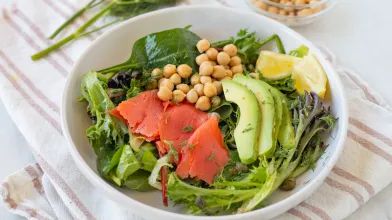
Flaked salmon, creamy avocado, and chickpeas layered into a savory bowl, a break from sweet breakfasts.
Why it works: Salmon and chickpeas both bring protein and fiber to the same bowl, a combination that helps blunt a morning blood sugar spike.
Prep: 10 min | Cook: 0 min | Serves: 2 | Per serving: 320 calories, 22g carbs, 16g fat, 20g protein
4. Cottage Cheese and Veggie Wrap
Best for grab-and-go mornings

Cottage cheese, crunchy vegetables, and a little seasoning rolled into a whole-wheat wrap.
Why it works: Cottage cheese is packed with protein, and pairing it with a whole-wheat wrap keeps the fiber count up too.
Prep: 5 min | Cook: 0 min | Serves: 1 | Per serving: 240 calories, 22g carbs, 6g fat, 20g protein
5. Banana and Almond Butter Toast
Best for a sweet tooth morning
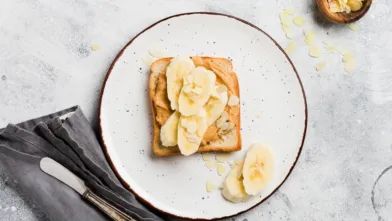
Whole-grain toast spread with almond butter and topped with banana slices, sweet without added sugar.
Why it works: Almond butter brings protein and healthy fat, which softens the natural sugar in the banana on top.
Prep: 5 min | Cook: 0 min | Serves: 1 | Per serving: 260 calories, 28g carbs, 12g fat, 8g protein
6. Mexican-Inspired Breakfast Bowl
Best for a filling start
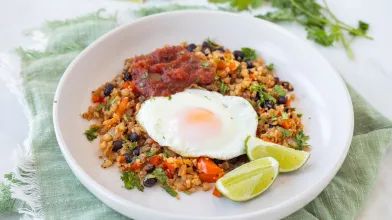
Scrambled eggs, black beans, and salsa layered into a warm bowl with a little cheese on top.
Why it works: Eggs and black beans stack protein and fiber together, a combination built to keep morning blood sugar steadier.
Prep: 10 min | Cook: 10 min | Serves: 2 | Per serving: 290 calories, 24g carbs, 14g fat, 18g protein
7. Tomato and Basil Omelet
Best for a light breakfast

A simple omelet folded around fresh tomato and basil, light but still satisfying.
Why it works: With eggs as the base, this omelet delivers steady protein and very few carbs to start the day.
Prep: 5 min | Cook: 8 min | Serves: 1 | Per serving: 200 calories, 5g carbs, 14g fat, 14g protein
8. Baked Blueberry Almond Oatmeal
Best for meal prep
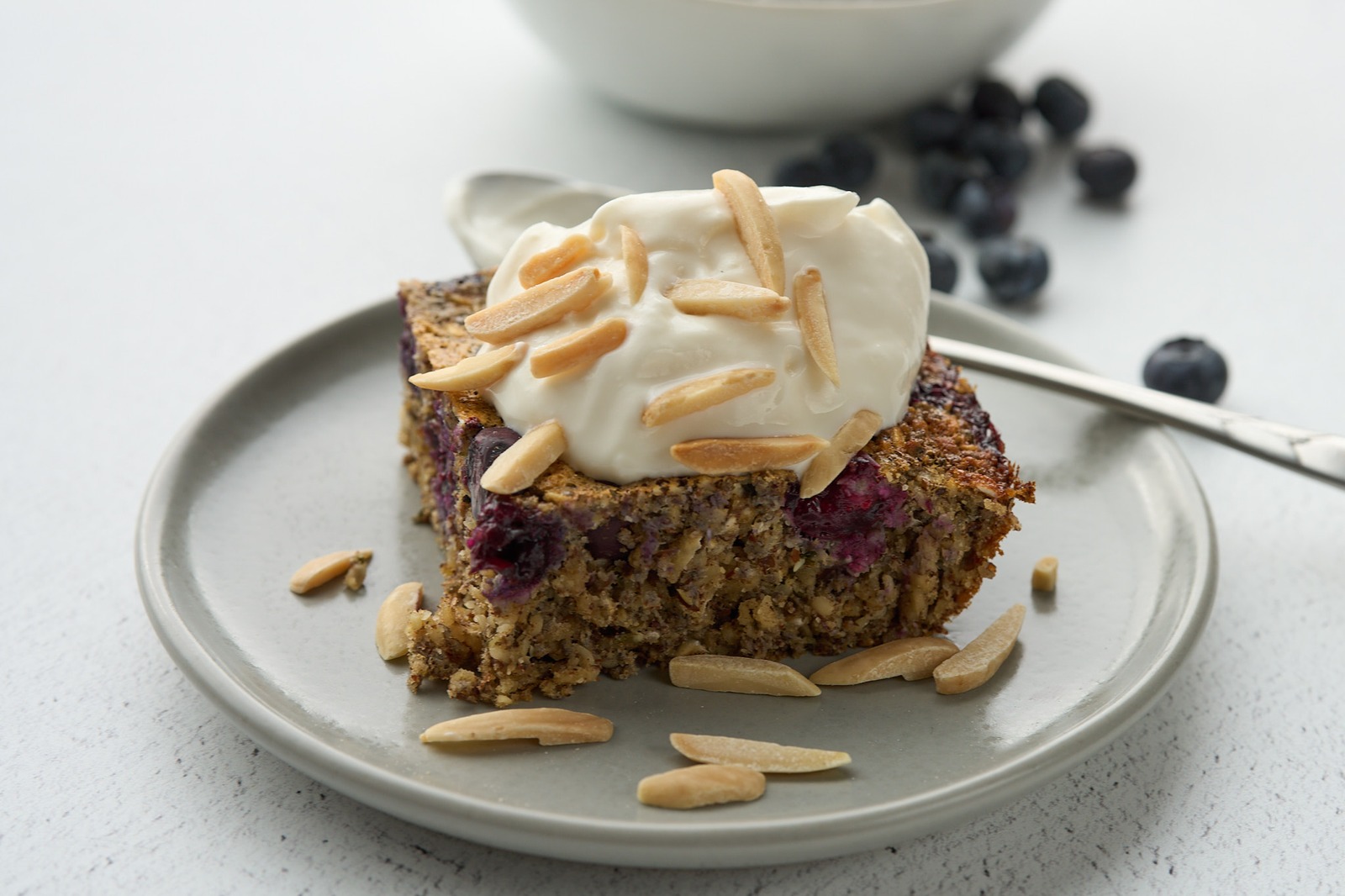
Oats baked with blueberries and almonds into a warm, sliceable breakfast you can prep ahead.
Why it works: Oats bring whole-grain fiber and almonds bring protein and fat, a combination that slows down the natural sugar in the blueberries.
Prep: 10 min | Cook: 35 min | Serves: 6 | Per serving: 210 calories, 27g carbs, 8g fat, 7g protein
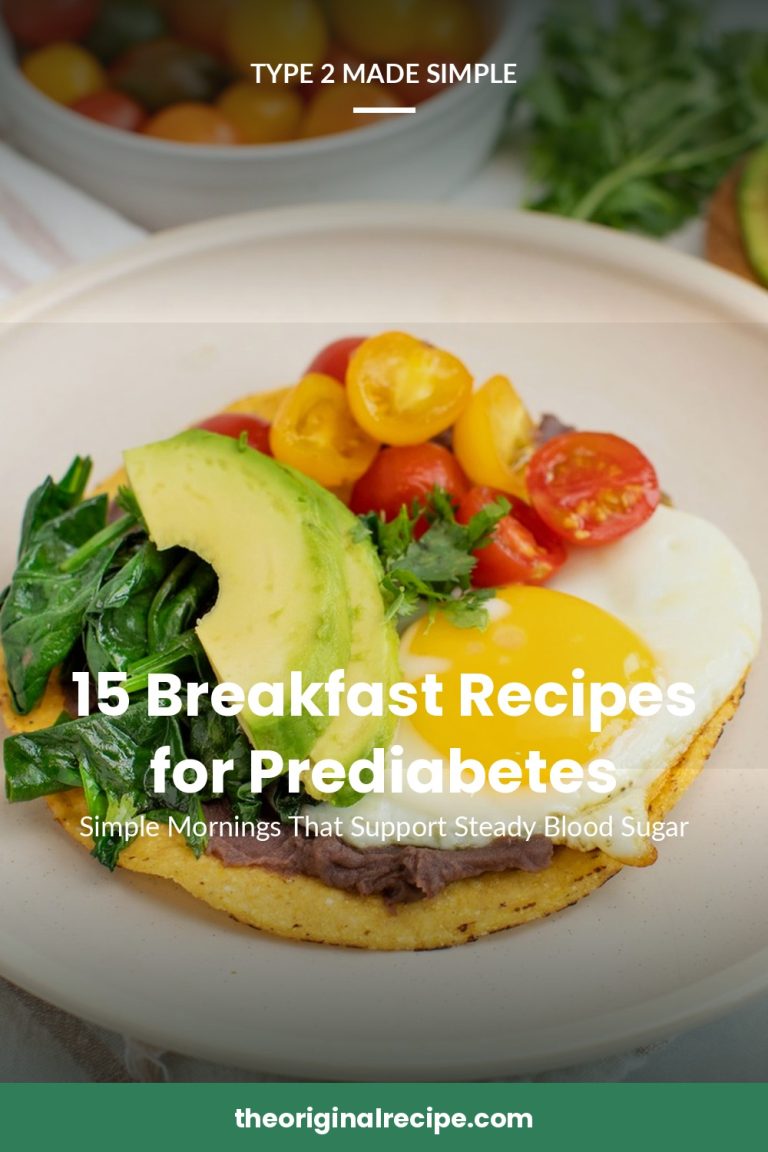
9. Southwest Breakfast Tostadas with Black Beans and Spinach
Best for breakfast-for-dinner
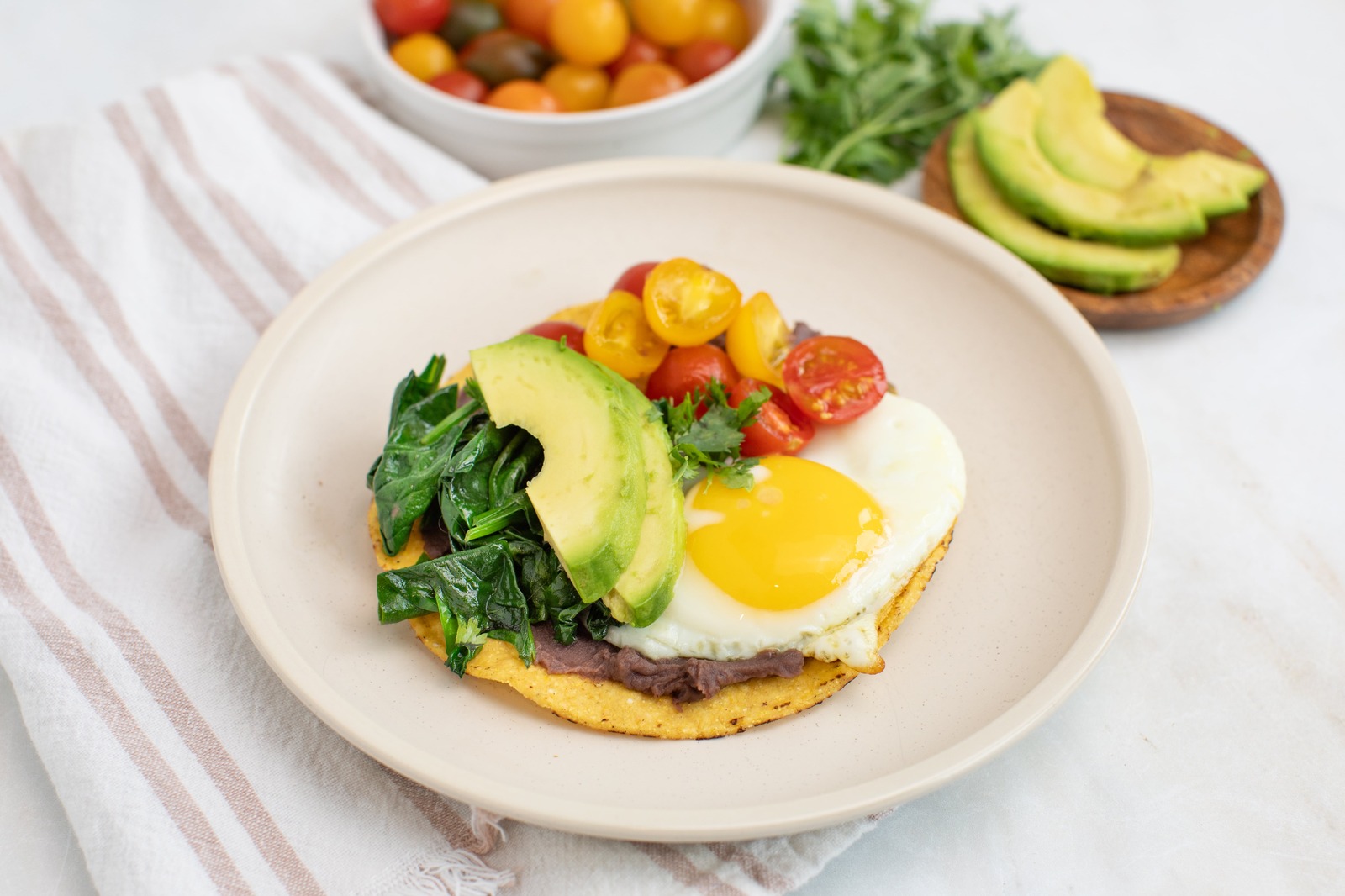
Crispy tostada shells topped with black beans, spinach, and egg for a breakfast that eats like lunch.
Why it works: Black beans and eggs bring fiber and protein together, a pairing that helps flatten the blood sugar curve after eating.
Prep: 10 min | Cook: 10 min | Serves: 4 | Per serving: 250 calories, 26g carbs, 9g fat, 14g protein
10. Almond Butter Toast with Fresh Pear
Best for a quick weekday breakfast
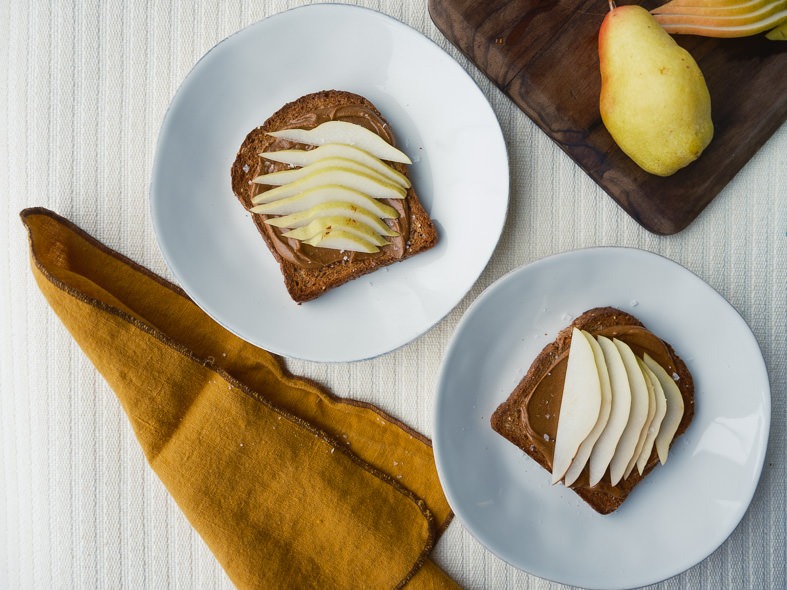
Whole-grain toast topped with almond butter and thin pear slices, simple and ready in minutes.
Why it works: Pear brings natural fiber, and almond butter brings protein and fat, both of which help soften its effect on blood sugar.
Prep: 5 min | Cook: 0 min | Serves: 1 | Per serving: 230 calories, 26g carbs, 11g fat, 6g protein
The Bottom Line
A good breakfast does not need to be fancy.
Pick one with protein and fiber, and your morning blood sugar has a much easier time staying steady.
Still confused about what to eat with type 2 diabetes or prediabetes? Get the free Type 2 Clarity Kit. It helps you understand what your diagnosis means, what to eat first, what numbers to track, and what to ask your doctor next, all in plain English.
Frequently Asked Questions
What is a blood sugar balancing breakfast?
A breakfast with protein and fiber, paired with a modest amount of carbs. This combo helps slow down how fast sugar hits your blood.
Is oatmeal good for blood sugar?
Plain oats can work well, especially with protein like nuts or Greek yogurt added. Sweetened instant oatmeal is a different story.
Should I skip breakfast to lower my carbs for the day?
Skipping often backfires. It can lead to a bigger blood sugar spike at your next meal.
Can I still eat toast for breakfast?
Yes, especially whole-grain toast paired with protein like eggs or almond butter.
How much protein should breakfast have?
There is no single number for everyone. Ask your healthcare provider or a registered dietitian what fits your needs.
This article is for general education only and is not medical advice. Always talk with your healthcare provider or a registered dietitian before making major changes to your diet, medication, or diabetes care plan.