Blood Sugar Balancing Meals: What to Eat, and In What Order

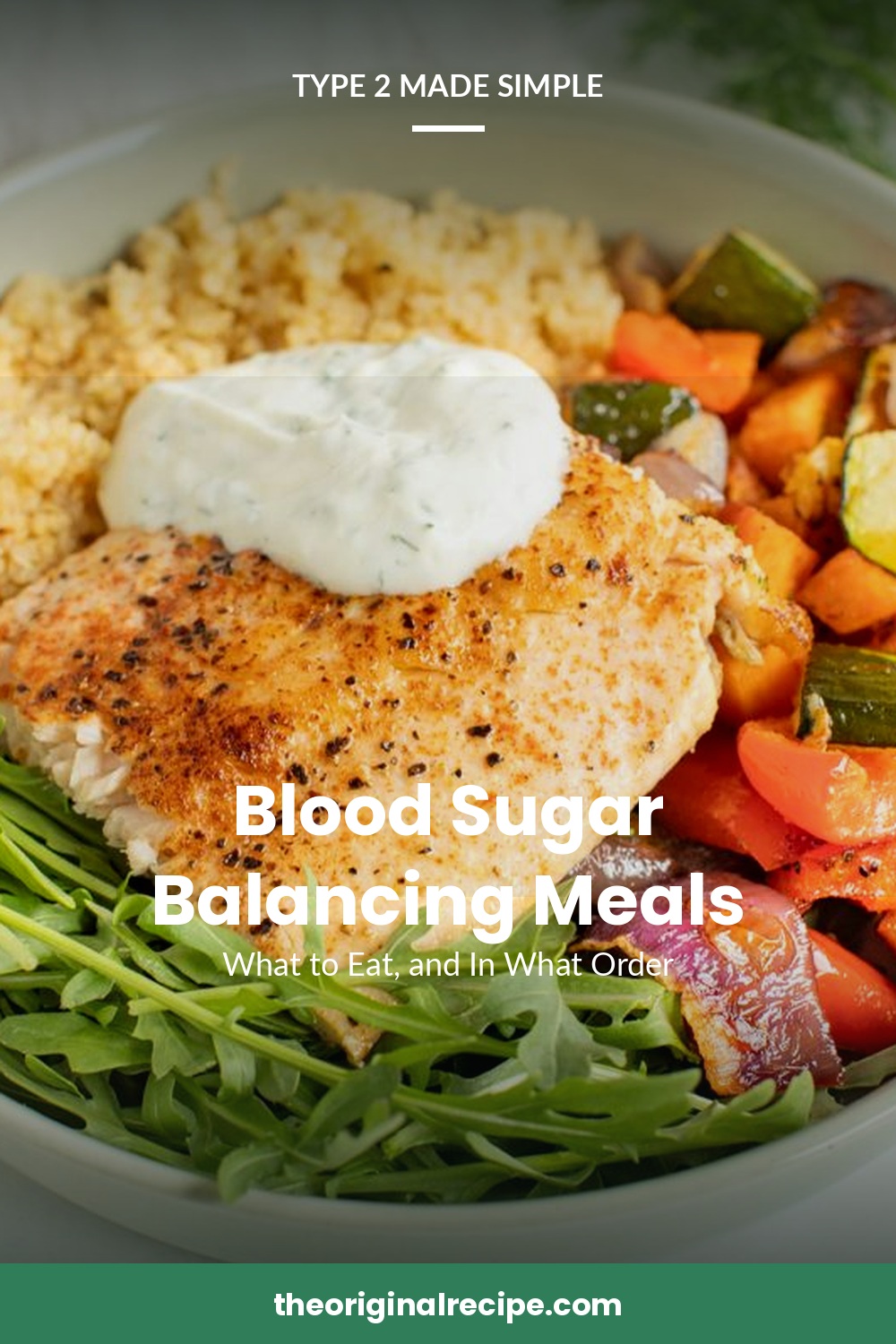
Two meals can have the same calories. The same carbs, even.
But one causes a big blood sugar spike. The other stays smooth.
The difference is balance. Here is how to build it, on any plate.
What “Balance” Means on a Plate
A balanced meal has three things working together.
Protein. Fiber. A little healthy fat.
Each one slows down how fast sugar hits your blood. Skip all three, and a meal can spike fast.
The Simple Split
- Half your plate: non-starchy veggies, like broccoli or salad greens
- A quarter of your plate: lean protein, like chicken, fish, tofu, or eggs
- A quarter of your plate: a whole grain or starchy veggie, like brown rice or sweet potato
- A small amount of healthy fat: olive oil, avocado, or nuts

The Order You Eat Also Matters
This part surprises a lot of people. It is not just what is on your plate. It is the order you eat it in.
Research found that eating in a set order can cut your blood sugar spike by 73 percent. It can cut your insulin spike by almost half.
The Order That Works Best
- Veggies first. Fiber builds a buffer in your stomach. It slows down everything that comes after.
- Protein and fat next. Chicken, fish, eggs, or beans. These also slow digestion.
- Carbs last. Rice, bread, or starchy foods. Save these for the end of the meal.
Why This Works
Fiber slows how fast your stomach empties. That means sugar reaches your blood more slowly too.
Protein and fat do something similar. They both blunt the rise that follows a meal.
Eaten last, carbs have less room to spike fast. Your body is already primed to handle them better.
3 Balanced Meal Examples
| Meal | Protein | Fiber | Carb |
|---|---|---|---|
| Breakfast | 2 eggs | Spinach and peppers | 1 slice whole-grain toast |
| Lunch | Grilled chicken | Mixed salad greens | Small portion of quinoa |
| Dinner | Baked salmon | Roasted broccoli | Small baked sweet potato |
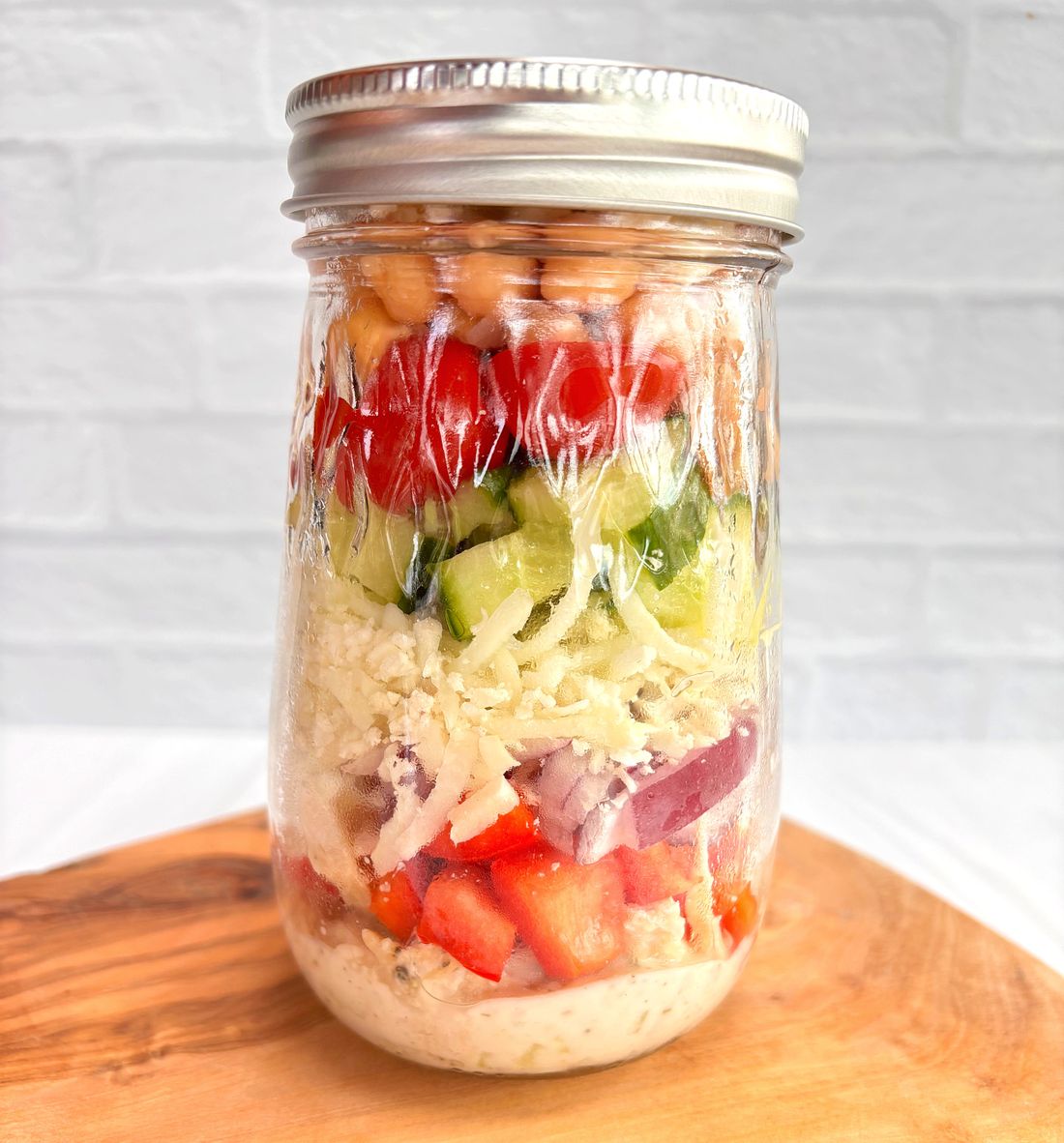
Balanced Snacks Work the Same Way
Snacks can spike blood sugar too, especially carb-only ones like crackers or pretzels alone.
Pair a carb with a protein or fat instead.
- Apple slices with peanut butter
- A few whole-grain crackers with cheese
- Carrot sticks with hummus
What to Do This Week
- Build one meal today using the plate split above.
- Try eating veggies first at your next dinner.
- Swap one carb-only snack for a paired one.
- Notice how you feel an hour after a balanced meal versus an unbalanced one.
The Bottom Line
A balanced meal has protein, fiber, and a little fat working together.
The order you eat also matters. Veggies first, then protein, then carbs last.
Both small shifts can soften your blood sugar response, meal after meal.
Want a simpler way to understand type 2 diabetes or prediabetes? Join Type 2 Made Simple and get the free Type 2 Clarity Kit, a plain-English starter kit to help you understand your numbers, make easier food choices, and feel more prepared for doctor visits.
Frequently Asked Questions
What makes a meal “blood sugar balancing”?
A mix of protein, fiber, and a little healthy fat, paired with a modest carb portion. All three slow down how fast sugar enters your blood.
Does the order I eat food in really matter?
Yes. Research shows eating veggies and protein before carbs can cut your blood sugar spike by up to 73 percent.
Can a balanced meal still include carbs?
Yes. Carbs are not the enemy. Pairing them with protein and fiber, and eating them later in the meal, softens their effect.
Do balanced snacks matter too?
Yes. A carb-only snack can spike blood sugar just like an unbalanced meal. Pair it with protein or fat instead.
How long until I notice a difference?
Some people notice steadier energy within days. Ask your doctor how often to check your blood sugar to track changes.
This article is for general education only and is not medical advice. Always talk with your healthcare provider or a registered dietitian before making major changes to your diet, medication, or diabetes care plan.