Foods to Lower A1C: 7 Evidence-Backed Choices

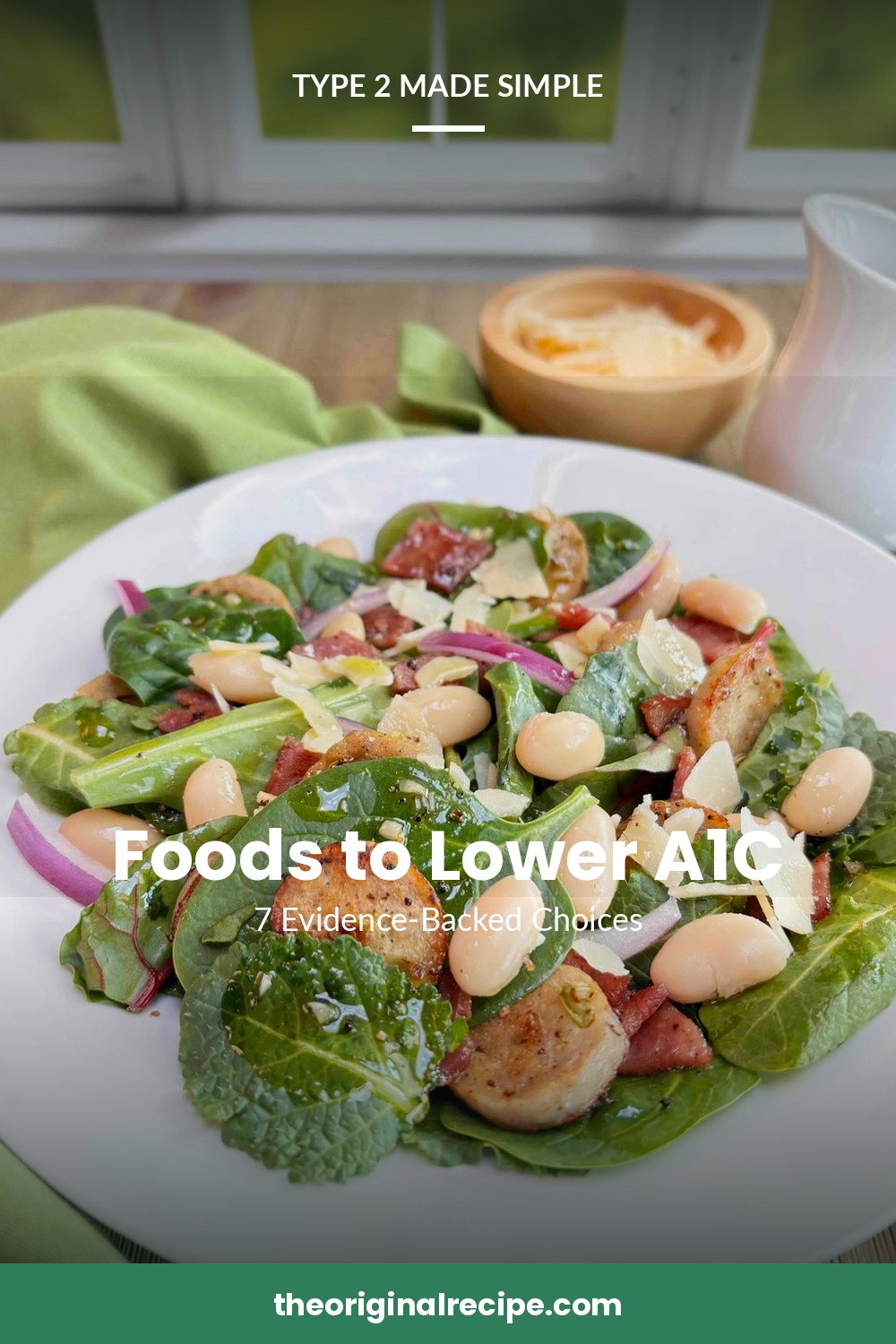
Not all foods affect A1C equally. Some have real research behind them showing a measurable connection to lower results over time, while others are just general “healthy eating” advice repeated everywhere. Here is what the evidence actually points to, ranked roughly by how strong the research is.
1. Legumes: The Most Evidence-Backed Food Group
Beans, lentils, and chickpeas top this list for a reason. A meta-analysis of 41 randomized controlled trials found that legume consumption reduced A1C by an average of 0.5 percentage points, a meaningful shift for a single food category.
Legumes work through a few mechanisms at once: they are high in soluble fiber, which slows how quickly sugar is absorbed into your blood, they have a low glycemic index, and they bring plant protein that helps you feel full longer.

2. Soluble Fiber, Broadly
Fiber deserves its own category beyond just legumes. Research has found that getting at least 13 grams of soluble fiber a day was linked to about a 0.58 percentage point reduction in A1C. Soluble fiber forms a gel-like substance in your digestive tract that slows sugar absorption.
| Food | Soluble Fiber (approx.) |
|---|---|
| 1/2 cup cooked black beans | 3g |
| 1/2 cup cooked oats | 2g |
| 1 medium avocado | 7g |
| 1 tbsp chia seeds | 5g |
| 1 medium sweet potato | 3g |
| 1/2 cup cooked Brussels sprouts | 3g |
Stacking a few of these across your day adds up quickly toward that 13 gram target.
3. Low Glycemic Index Whole Grains
The glycemic index ranks how quickly a food raises blood sugar. Swapping high glycemic-index foods for low glycemic-index alternatives has been linked to roughly a 0.5 percentage point reduction in A1C in research reviews.
| Higher Glycemic Index | Lower Glycemic Index Swap |
|---|---|
| White rice | Steel-cut oats, quinoa, barley, or brown rice |
| White bread | 100% whole-grain or sourdough bread |
| Instant oatmeal | Steel-cut or old-fashioned oats |
| Regular pasta | Whole-wheat or legume-based pasta, or bulgur |
4. Fatty Fish
Salmon, sardines, and mackerel bring omega-3 fatty acids, which reduce inflammation and are linked to improved insulin sensitivity. Research shows people who eat fish regularly tend to have better blood sugar control overall. Fish also provides high-quality protein with minimal direct effect on blood glucose.

5. Berries
Blueberries, strawberries, and raspberries stand out among fruits for A1C-friendly eating. They are relatively high in fiber, lower in sugar than many other fruits, and rich in polyphenols, plant compounds linked to improved insulin sensitivity in research.

6. Nuts and Seeds
Walnuts, almonds, chia seeds, and flaxseed bring healthy fats and fiber together. They do not raise blood sugar directly, and the combination of fat and fiber can slow digestion when eaten alongside carbohydrates.
7. Non-Starchy Vegetables
Broccoli, spinach, peppers, and similar vegetables round out the list. They are not flashy, but their high fiber and water content, combined with very low carb counts, make them one of the easiest ways to add volume to meals without moving your blood sugar much at all.
The Whole Pattern Still Matters Most
Individual foods matter, but the overall dietary pattern carries the strongest evidence of all. Research on the Mediterranean diet, built around vegetables, legumes, whole grains, olive oil, nuts, and fish, found it lowered A1C by an average of 0.3 percentage points compared to control diets. Eating these foods consistently, as part of a broader pattern, tends to matter more than any single “superfood.”
A Simple Way to Put This Into Practice
- Add one serving of legumes to your meals at least 3 times a week
- Aim for at least one soluble-fiber-rich food at each meal
- Swap one refined grain for a whole grain this week
- Include fatty fish, like salmon, once or twice a week
- Reach for berries instead of higher-sugar fruit options when you want something sweet
What to Do This Week
- Add black beans, lentils, or chickpeas to one meal today
- Swap white rice for quinoa or brown rice at your next dinner
- Plan one fish-based meal for this week
- Keep a small container of berries on hand for a quick, A1C-friendly snack
The Bottom Line
Legumes, soluble fiber, low glycemic-index grains, fatty fish, berries, nuts, and non-starchy vegetables all have real research behind them for supporting a lower A1C. None of them work as a single quick fix, but woven into your regular pattern of eating, they add up over months.
Want a simpler way to understand type 2 diabetes or prediabetes? Join Type 2 Made Simple and get the free Type 2 Clarity Kit, a plain-English starter kit to help you understand your numbers, make easier food choices, and feel more prepared for doctor visits.
Frequently Asked Questions
What is the single best food to lower A1C?
Legumes have the strongest research behind them among individual food groups, but no single food replaces an overall balanced eating pattern.
How much can food alone lower A1C?
Research on specific food groups and dietary patterns has shown reductions ranging from about 0.3 to 0.5 percentage points, though individual results vary and diet works best alongside other lifestyle factors.
How much soluble fiber should I aim for daily?
Research suggests around 13 grams of soluble fiber a day is linked to meaningful A1C improvement. Talk to your healthcare provider or a registered dietitian about a fiber goal that fits you.
Are all fruits okay for lowering A1C?
Whole fruit in reasonable portions is generally fine for most people. Berries stand out for their higher fiber and lower sugar content compared to many other fruits.
Do I need to eat these foods every day to see results?
Consistency over weeks and months matters more than any single day. Aim for regular inclusion rather than perfection.
This article is for general education only and is not medical advice. Always talk with your healthcare provider or a registered dietitian before making major changes to your diet, medication, or diabetes care plan.