Insulin Resistance Diet Food Lists: What to Eat, Limit, and Avoid

You just heard the words “insulin resistance,” and now you are standing in your kitchen wondering what you can even eat anymore.
Take a breath. This is not about giving up food you love forever.
It is about knowing which foods work with your body, which ones need a smaller portion, and which ones are worth saving for special days. Here is your full, plain-English food list.
What Insulin Resistance Actually Means
Insulin is a hormone. Its job is to help sugar move out of your blood and into your cells for energy.
With insulin resistance, your cells stop responding to insulin as well as they should. Your pancreas makes more and more insulin to compensate.
Over time, this can raise blood sugar and insulin levels. Doctors sometimes measure this with a test called HOMA-IR, which looks at your fasting insulin and blood sugar together.
Food is one of the biggest levers you have to work with this, alongside movement, sleep, and stress.
Why Does Insulin Resistance Happen?
There is rarely one single cause. Genetics play a real role, and family history matters.
Extra body fat, especially around the belly, is linked to insulin resistance. So is a sedentary lifestyle, since muscles that do not move often become less responsive to insulin over time.
Poor sleep and long-term stress can raise cortisol, a hormone that can work against insulin. Some medications can play a role too.
None of this is about blame. It is about knowing which levers you can actually pull, and food is one of the biggest ones.
Why a Food List Helps
Nobody can hold a nutrition class in their head while standing in a grocery aisle.
A simple list, sorted into three groups, takes the guesswork out. Eat freely. Eat in moderation. Save for special days.
Group 1: Foods You Can Build Meals Around
These foods have little effect on blood sugar and insulin. Eat them at most meals, most days.
| Food Group | Examples |
|---|---|
| Non-starchy vegetables | Spinach, broccoli, peppers, zucchini, cauliflower, green beans, mushrooms |
| Lean protein | Chicken breast, turkey, fish, eggs, tofu, tempeh |
| Healthy fats | Olive oil, avocado, nuts, seeds |
| Herbs and spices | Garlic, ginger, cinnamon, turmeric, basil |
These foods fill you up without spiking blood sugar. They also give your body the building blocks it needs for energy and muscle.

Group 2: Foods to Enjoy in Moderate Portions
These are not “bad” foods. They just carry more carbs, so portion size matters more.
| Food Group | Examples | A Reasonable Portion |
|---|---|---|
| Whole grains | Oats, quinoa, brown rice, whole wheat bread | About half a cup cooked, or 1 slice bread |
| Starchy vegetables | Sweet potato, corn, peas, winter squash | About half a cup |
| Fruit | Berries, apples, oranges, pears | 1 small piece or a half cup of berries |
| Legumes | Beans, lentils, chickpeas | About half a cup, a great choice thanks to fiber and protein |
| Dairy | Plain yogurt, milk, cheese | 1 cup yogurt or milk, small serving of cheese |
Group 3: Foods to Save for Special Days
These foods raise blood sugar and insulin quickly, and offer little nutrition in return. You do not need to swear them off forever. Just keep them occasional.
| Food Group | Examples |
|---|---|
| Sugary drinks | Soda, sweet tea, fruit juice, energy drinks |
| Refined carbs | White bread, white rice, most crackers and chips |
| Sweets | Candy, pastries, cookies, cake |
| Fried and processed foods | Fast food, packaged snack cakes, deep fried foods |
If you eat these sometimes, that is normal life. The goal is “sometimes,” not “every day.”
Building a Plate With This List
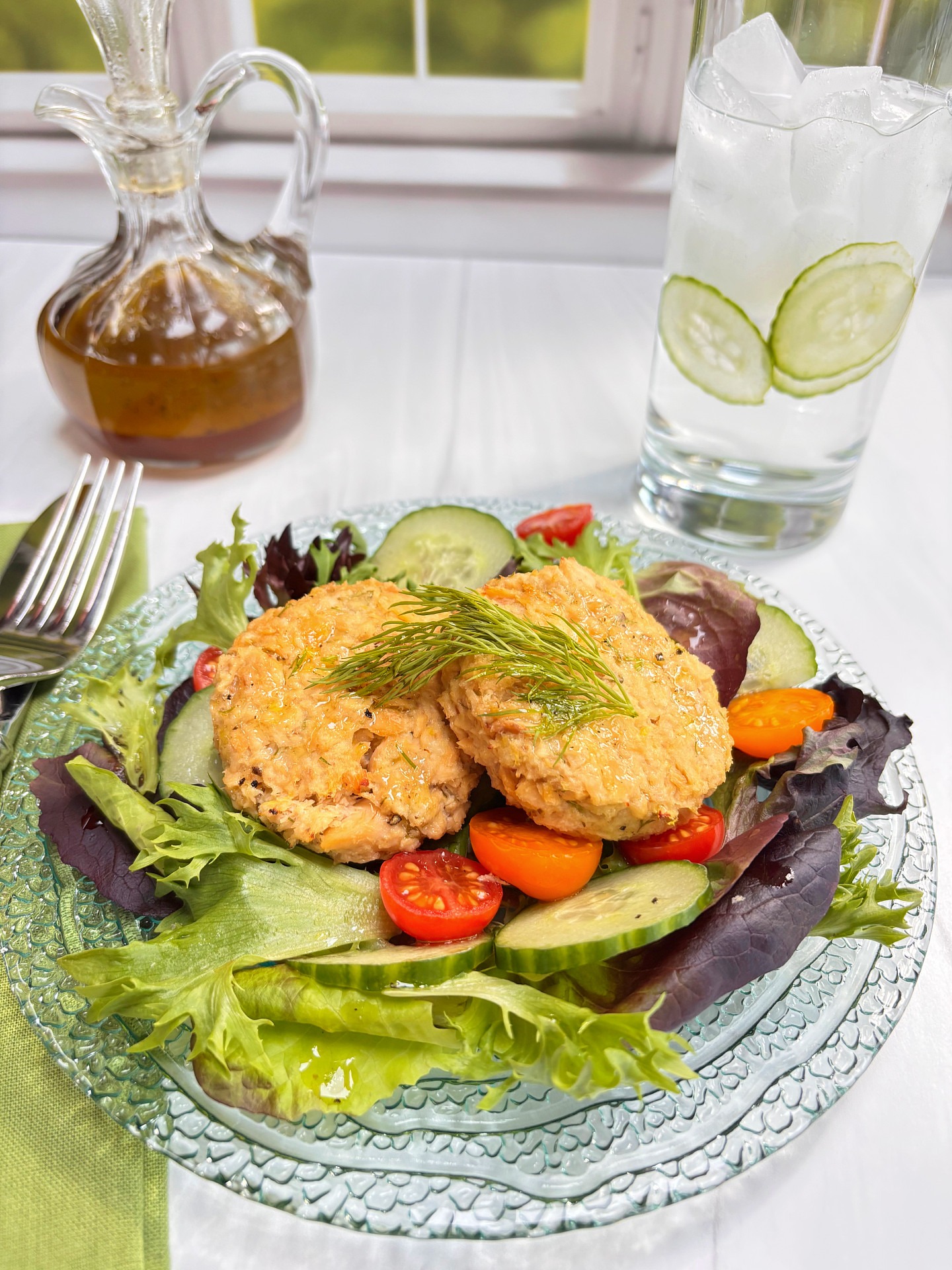
Here is how the three groups fit onto one plate.
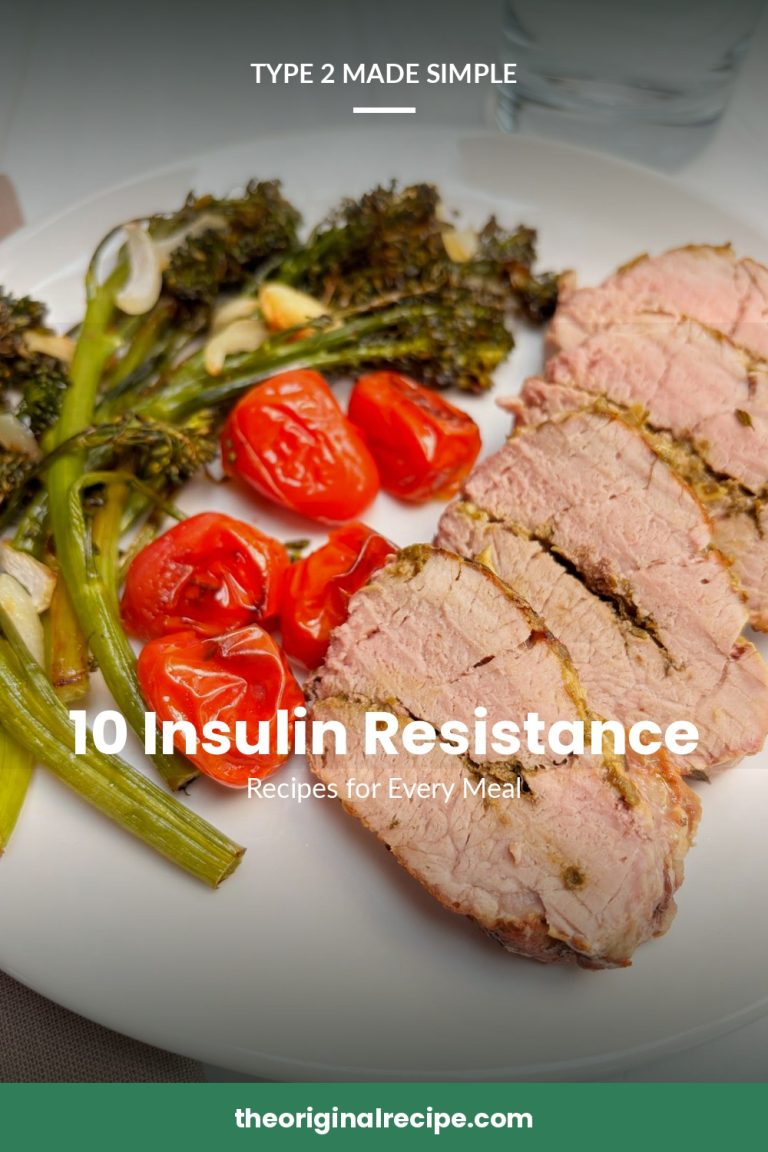
- Half your plate: non-starchy vegetables (group 1)
- A quarter of your plate: lean protein (group 1)
- A quarter of your plate: whole grains or starchy vegetables (group 2)
- A small amount of healthy fat, like olive oil or avocado (group 1)
What About the Glycemic Index?
The glycemic index, or GI, ranks how fast a food raises blood sugar. Lower numbers mean a slower, gentler rise.
You do not need to memorize numbers. Just know that whole, less-processed foods with fiber tend to sit lower on the index, while refined, sugary foods sit higher.
Why Fiber Deserves Special Attention
Fiber is the part of plant food your body cannot fully digest. That is actually its superpower.
Fiber slows down how fast sugar enters your blood after a meal. It also feeds the good bacteria in your gut, which research links to better insulin sensitivity.
Most adults fall short of the recommended 25 to 35 grams of fiber a day. Vegetables, legumes, whole grains, nuts, and seeds are your best sources.
A Sample Day Using This List
Here is what one full day might look like, built from all three groups.
| Meal | What It Might Look Like |
|---|---|
| Breakfast | Eggs with spinach, and a small slice of whole grain toast |
| Lunch | Grilled chicken salad with olive oil dressing and a half cup of chickpeas |
| Snack | A small apple with a tablespoon of peanut butter |
| Dinner | Baked salmon, roasted broccoli, and a half cup of quinoa |
Notice the pattern. Protein and non-starchy vegetables at every meal, with a modest, paired portion of carbs.
Common Mistakes to Avoid
- Cutting out entire food groups. You do not need a zero-carb diet. Whole grains, fruit, and legumes belong in a healthy pattern.
- Ignoring portion size on “healthy” foods. A huge bowl of oatmeal can still spike blood sugar. Size matters, even for good choices.
- Skipping protein at breakfast. A carb-only breakfast, like cereal or toast alone, tends to spike blood sugar faster than a plate with protein included.
- Treating this as all-or-nothing. One “off” meal does not undo your progress. Just get back to your plan at the next meal.
A Simple Grocery List to Get Started
| Category | Pick a Few |
|---|---|
| Produce | Spinach, broccoli, bell peppers, berries, avocado |
| Protein | Eggs, chicken breast, canned tuna, tofu |
| Pantry | Olive oil, oats, canned beans, quinoa |
| Dairy | Plain Greek yogurt, low-fat cheese |
What to Do This Week
- Print or save this list, and keep it on your phone for grocery trips.
- Build one meal today using the plate method above.
- Pick one food from group 3 you eat often, and try swapping it for a group 1 or 2 option.
- Do not aim for perfect. Aim for one better choice at a time.
The Bottom Line
You do not need a complicated diet to work with insulin resistance. You need a clear list, sorted by how each food affects your body, and a plate you can build without stress.
Start with group 1 foods most of the time, add group 2 in reasonable portions, and save group 3 for special days.
Want a simpler way to understand type 2 diabetes or prediabetes? Join Type 2 Made Simple and get the free Type 2 Clarity Kit, a plain-English starter kit to help you understand your numbers, make easier food choices, and feel more prepared for doctor visits.
Frequently Asked Questions
Can I ever eat white rice or bread again?
Yes, in modest portions, paired with protein or fiber. You do not need to eliminate them completely.
Is fruit bad for insulin resistance?
No. Whole fruit brings fiber and nutrients. Keep portions reasonable, and pair it with protein or fat when you can.
Do I need to count carbs with this list?
Not necessarily. This list is designed to work without counting, though your doctor or dietitian may recommend carb counting for extra precision.
How fast will I see results from changing what I eat?
This varies a lot by person. Some people notice steadier energy within weeks. Blood sugar and insulin changes usually take longer to show up on a test.
What is HOMA-IR?
A test that estimates insulin resistance using your fasting insulin and blood sugar together. Ask your doctor if this test is right for you.
Should I avoid all carbs to fix insulin resistance?
No. Whole, fiber-rich carbs like vegetables, legumes, and whole grains are part of a healthy pattern. The concern is mostly with refined and sugary carbs.
How much fiber should I aim for each day?
Most adults benefit from about 25 to 35 grams a day. Vegetables, legumes, whole grains, nuts, and seeds are the best sources.
What causes insulin resistance in the first place?
Genetics, extra body fat, low activity levels, poor sleep, and long-term stress can all play a role. It is rarely just one cause.
This article is for general education only and is not medical advice. Always talk with your healthcare provider or a registered dietitian before making major changes to your diet, medication, or diabetes care plan.