11 Low Glycemic Dessert Recipes You Can Actually Enjoy


Dessert has a reputation for being the one place a low glycemic diet falls apart. It does not have to be that way.
A low glycemic dessert usually swaps refined flour and sugar for whole fruit, nuts, oats, or a small amount of natural sweetener, and leans on protein or fat to slow things down further.
Here are 11 desserts built with exactly that in mind.
These are general meal ideas. Always follow your healthcare provider’s guidance for your specific needs.
What Makes a Dessert Low Glycemic
It usually comes down to a few ingredient swaps. Whole fruit instead of fruit juice or syrup. Nut flour or oats instead of refined white flour. A modest amount of natural sweetener instead of a heavy dose of refined sugar.
Adding protein or healthy fat, like Greek yogurt, nuts, or nut butter, slows down how quickly a dessert’s sugar hits your blood, even when some natural sugar is still present.
Quick Dessert Tips
- Whole fruit is almost always a better base than fruit juice or syrup.
- Nuts and nut butters add protein and healthy fat, both of which soften a dessert’s blood sugar impact.
- Portion size still matters, even for a lower glycemic dessert.
- Save dessert for after a balanced meal rather than on an empty stomach when possible.
1. Greek Yogurt Chocolate Mousse

Plain Greek yogurt whipped with cocoa powder and a touch of sweetener until it turns light and airy, almost like a real chocolate mousse. It sets up in the fridge for a couple hours, which makes it an easy make-ahead dessert for the week.
Why it works: Greek yogurt brings real protein to a dessert, an unusual but genuinely helpful trait that slows down how fast this treat affects blood sugar.
Best for a quick weeknight chocolate fix
2. Chocolate Avocado Pudding
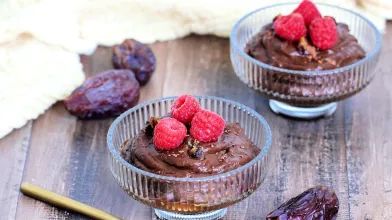
Ripe avocado blended with cocoa powder and a few dates until silky and rich. It tastes far more indulgent than the short ingredient list suggests, and nobody guesses avocado is the base until you tell them.
Why it works: Avocado brings fiber and healthy fat to a dessert that would normally lean entirely on cream and refined sugar, keeping the glycemic impact low.
Best for a rich, creamy dessert craving
3. Sauteed Cinnamon Apples
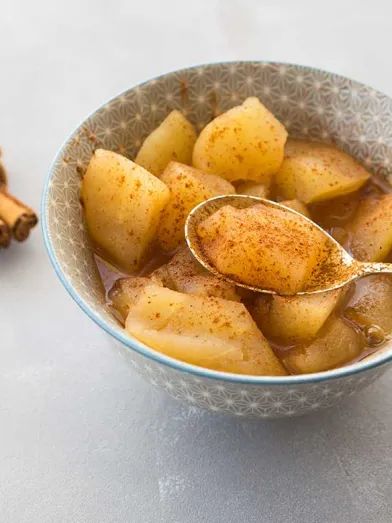
Sliced apples softened in a skillet with cinnamon and a small amount of butter until warm and tender. Ready in about 10 minutes, and good enough to eat straight from the pan or spooned over a small scoop of plain yogurt.
Why it works: Whole apple keeps its fiber intact, and cinnamon has research suggesting a modest, gentle effect on blood sugar, making this a genuinely low glycemic treat.
Best for a cozy fall dessert
4. Banana Chocolate Nice Cream
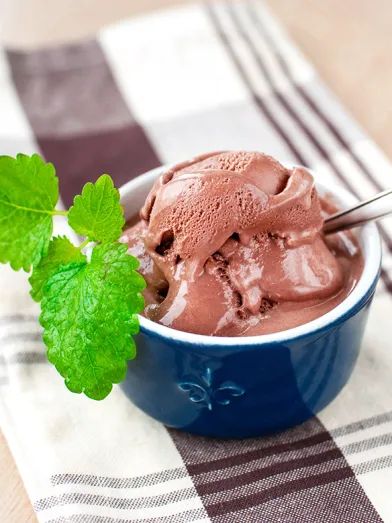
Frozen banana blended until smooth and creamy, swirled with a bit of cocoa for a soft-serve texture. One banana is really all it takes, and the whole thing comes together in a food processor in a couple of minutes.
Why it works: A single banana brings natural sweetness and fiber without the added sugar of regular ice cream, keeping this treat’s glycemic load modest.
Best for a hot day treat
5. Low Carb Tiramisu
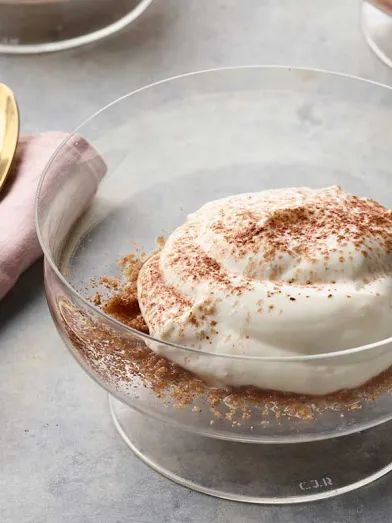
A lighter take on the Italian classic, built with almond flour ladyfingers layered with a lightly sweetened mascarpone mixture. It needs a few hours to set in the fridge, which makes it a great make-ahead dessert for guests.
Why it works: Almond flour swaps out much of the refined flour and sugar found in a traditional tiramisu, meaningfully lowering the dish’s glycemic impact.
Best for a dinner party dessert
6. Peanut Butter Blondies
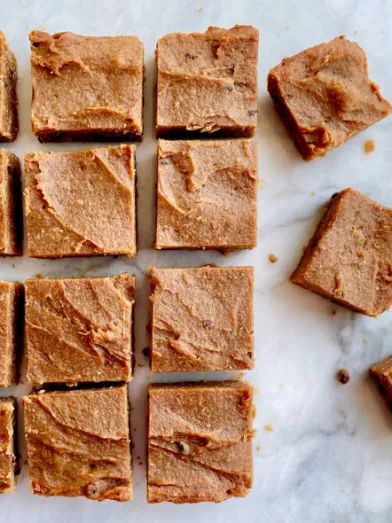
Dense, fudgy blondies built with peanut butter standing in for most of the flour. They bake up rich and chewy, closer to a peanut butter cookie bar than a cakey blondie, and a small square goes a long way.
Why it works: Peanut butter brings protein and healthy fat, a combination that slows digestion and keeps this dessert’s blood sugar impact gentler than a flour-based version.
Best for a rich peanut butter craving
7. Maple Pumpkin Oatmeal Cookies
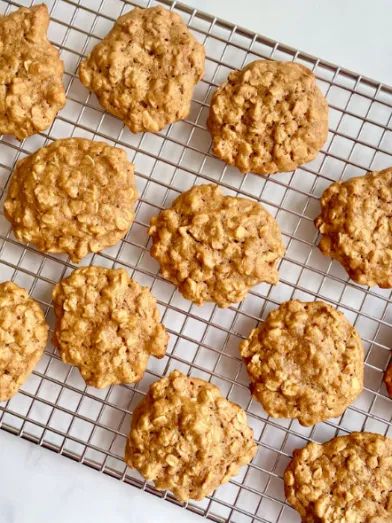
Soft, spiced cookies built on oats and pumpkin puree, lightly sweetened with a small amount of maple syrup. They stay soft and chewy for days in a sealed container, which makes a batch worth making on a Sunday.
Why it works: Oats bring fiber, and pumpkin adds volume and vitamin A, both of which soften this cookie’s effect on blood sugar compared with a standard flour-based version.
Best for fall baking
8. Grilled Strawberries with Creme
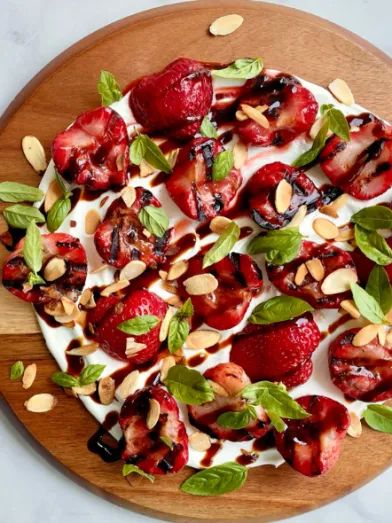
Fresh strawberries lightly grilled until their natural sugars caramelize slightly, topped with a small dollop of whipped cream. It takes barely any prep and feels far more special than the effort involved.
Why it works: Whole strawberries sit low on the glycemic index on their own, and grilling them briefly does not change that, so this stays a genuinely gentle dessert.
Best for a summer cookout dessert
9. Mixed Berry Crisp
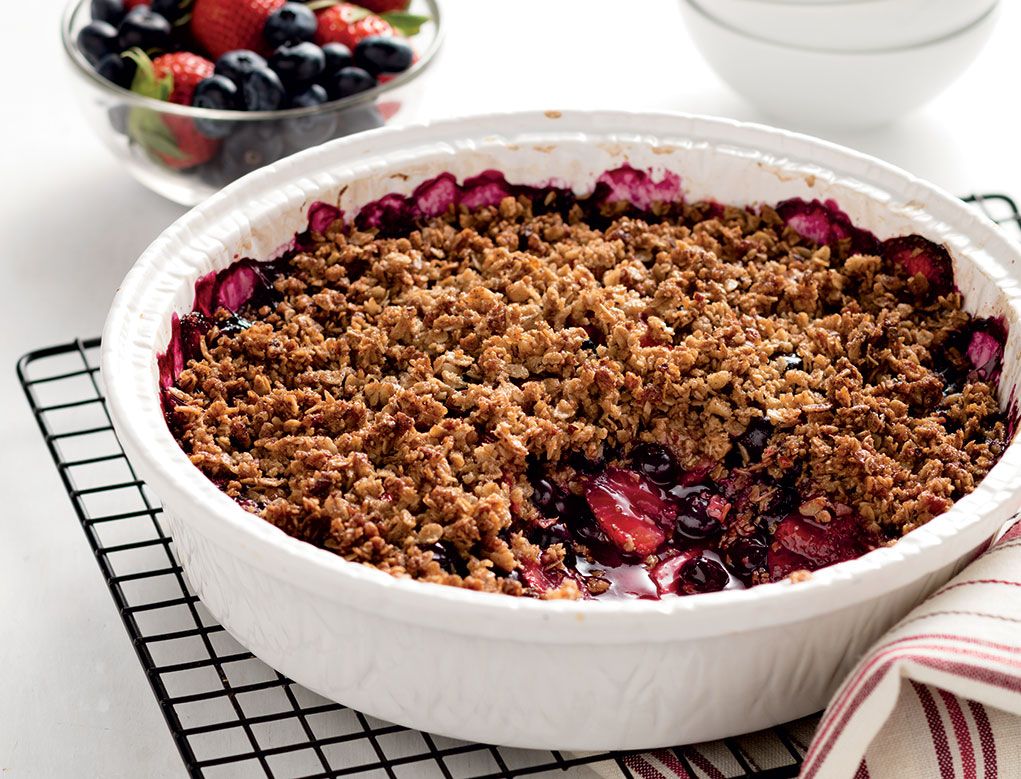
Warm mixed berries baked under a crunchy oat topping until bubbling at the edges. A scoop of plain Greek yogurt on top turns it into an even more balanced dessert.
Why it works: Berries are some of the lowest sugar fruits available, and the oat topping brings fiber instead of the refined flour crust a traditional crisp would use.
Best for a warm dessert on a cool night
10. Date Chocolate Truffles
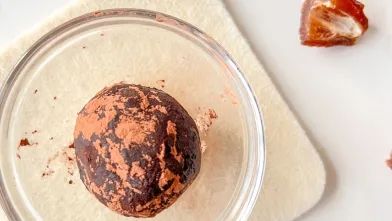
No-bake truffles made from blended dates, cocoa powder, and nuts, rolled into bite-sized balls. They keep well in the fridge or freezer, which makes them a handy dessert to have on hand for a sudden sweet craving.
Why it works: Whole dates keep their fiber, and the nuts add protein and healthy fat, both of which soften the effect of the truffle’s natural sugar on blood sugar.
Best for portion-controlled sweet cravings
11. Power Oats Mug Muffin

A single-serve muffin made in a mug and microwaved for about 90 seconds, built on oats with a bit of mashed banana for sweetness. It is less a dessert recipe and more a two-minute answer to a late-night sweet craving.
Why it works: Oats bring fiber, and a single, built-in portion keeps this treat’s overall glycemic impact naturally controlled.
Best for a 2 minute sweet fix
A Quick Dessert Comparison
| Higher Glycemic Choice | Lower Glycemic Swap |
|---|---|
| Regular ice cream | Frozen banana nice cream |
| White flour cookies | Oat and nut flour based cookies |
| Candy or chocolate bars | Date and nut truffles |
| Store-bought cake | Fruit crisp with an oat topping |
The Bottom Line
You do not need to give up dessert to eat lower glycemic. These 11 recipes lean on whole fruit, nuts, oats, and protein to keep dessert satisfying without the sharp blood sugar spike a traditional version might bring.
Keep a couple of these on hand for the nights you want something sweet.
Still confused about what to eat with type 2 diabetes or prediabetes? Get the free Type 2 Clarity Kit from Type 2 Made Simple. It helps you understand what your diagnosis means, what to eat first, what numbers to track, and what to ask your doctor next, all in plain English.
Frequently Asked Questions
Can I eat dessert on a low glycemic diet?
Yes, in reasonable portions, especially desserts built around whole fruit, nuts, and less refined sugar.
Are these desserts completely sugar free?
Not entirely. Most rely on the natural sugar in fruit plus small amounts of added sweetener, which is gentler on blood sugar than refined sugar alone.
What is the best time to eat dessert?
After a balanced meal rather than on an empty stomach tends to soften its effect on blood sugar.
Can I use artificial sweeteners instead?
Some people do. Research on artificial sweeteners is mixed, so ask your doctor or dietitian what fits your situation.
Why does almond flour lower a dessert’s glycemic impact?
Almond flour has far less carbohydrate than wheat flour and brings healthy fat and some protein, both of which slow digestion.
How often can I have a low glycemic dessert?
There is no universal rule, but many people do well having a small dessert a few times a week as part of an overall balanced pattern.
This article is for general education only and is not medical advice. Always talk with your healthcare provider or a registered dietitian before making major changes to your diet, medication, or diabetes care plan.