
6 Low Glycemic Ground Beef Recipes for Comfort Food Night


Ground beef itself carries no carbohydrate at all, so it never spikes blood sugar on its own. What matters is everything you build around it, the bun, the pasta, the sauce, and the sides.
These 6 recipes show how a classic ground beef dinner, chili, meatloaf, stir-fry, and more, can stay lower glycemic with a few thoughtful swaps, without losing the comfort food feel.
These are general meal ideas. Always follow your healthcare provider’s guidance for your specific needs.
Why Ground Beef Is a Blank Canvas for Blood Sugar
Since ground beef carries essentially no carbohydrate, its glycemic impact comes entirely down to what surrounds it. A meatloaf glazed with a sugary ketchup sauce, a chili loaded with white rice on the side, or spaghetti served over regular pasta can all push an otherwise simple ground beef dinner higher on the glycemic scale.
The recipes below lean on beans, whole grain breadcrumbs, vegetable-based pasta swaps, and modest rice portions to keep the full plate lower glycemic, not just the beef itself.
Quick Tips for Lower Glycemic Ground Beef Dinners
- Choose lean or extra lean ground beef to help manage saturated fat alongside blood sugar.
- Add beans to dishes like chili for extra fiber and plant protein.
- Swap pasta for spaghetti squash or zucchini noodles when the recipe allows.
- Watch bottled sauces and glazes, which often carry more added sugar than a homemade version.
Choosing the Right Ground Beef
Ground beef comes in a range of fat percentages, and while the fat content does not change the carbohydrate or glycemic impact, it is still worth considering alongside your overall health goals. A 90 percent or leaner ground beef trims some saturated fat compared with a fattier blend, without changing anything about how the meat itself affects blood sugar.
1. Easy Beef Chili

Lean ground beef simmered with 3 kinds of beans, fire-roasted tomatoes, and warm chili spices. A hearty, warming bowl that feeds a crowd or freezes well for later.
Why it works: Beans bring fiber and plant protein alongside the beef, both of which help soften the blood sugar impact compared with a beans-free chili.
2. Classic Meatloaf
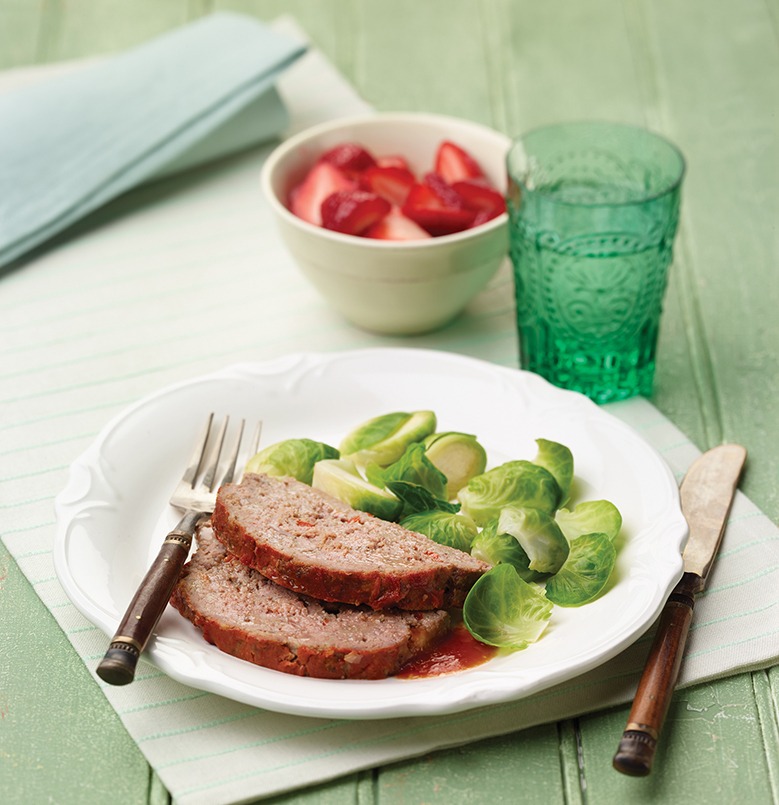
A traditional oblong meatloaf made with lean ground beef, whole wheat panko breadcrumbs, and a tangy glaze. Comfort food that does not require any special ingredients.
Why it works: Lean ground beef and whole wheat breadcrumbs keep this classic dish lighter in saturated fat and higher in fiber than a traditional version.
3. Spaghetti Squash and Meatballs
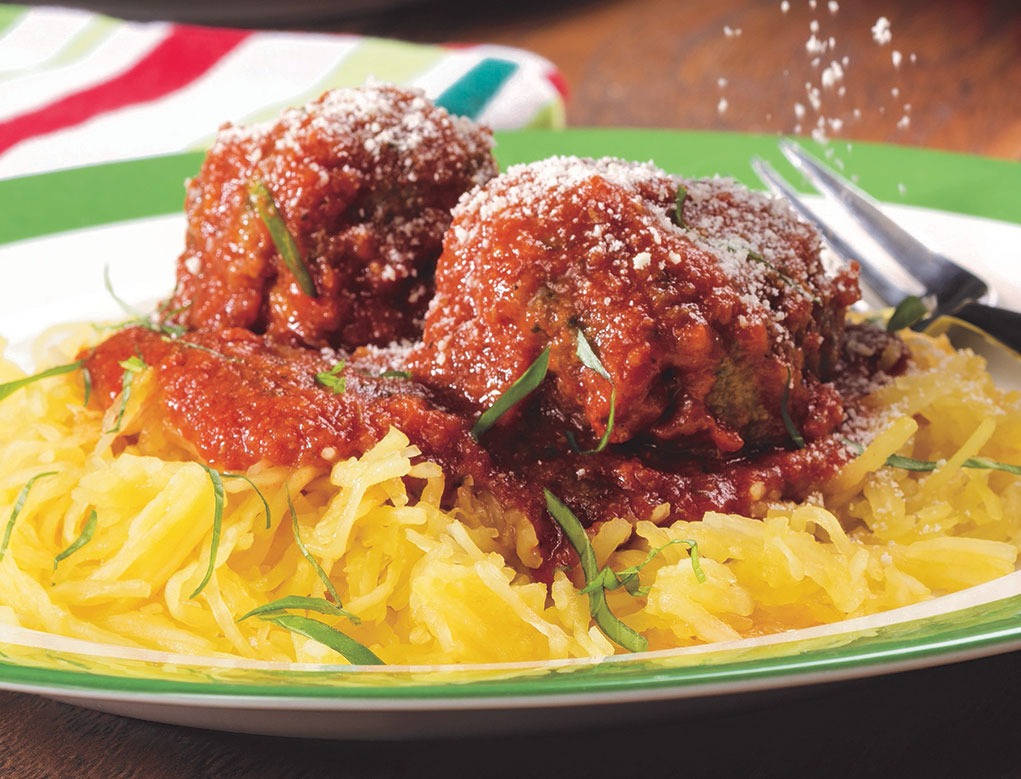
Lean ground beef meatballs simmered in marinara and served over roasted spaghetti squash strands instead of pasta. It looks and eats like the classic dish with a fraction of the carbs.
Why it works: Swapping spaghetti squash for wheat pasta cuts the carbohydrate in this meal significantly while keeping the same comforting flavor.
4. Beef and Broccoli Stir-Fry
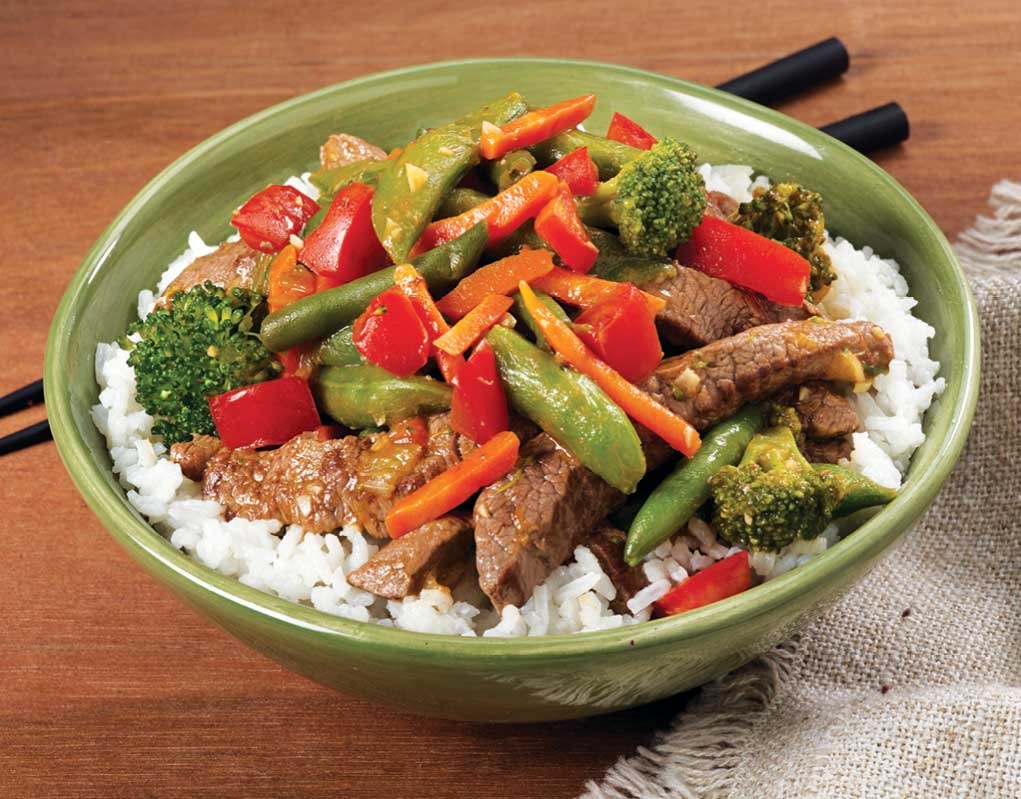
Lean beef and a colorful broccoli vegetable blend stir-fried in a savory sauce, served over a modest portion of rice. Ready in about 30 minutes from start to finish.
Why it works: A vegetable-heavy stir-fry with a moderate rice portion keeps this meal more balanced than a takeout version loaded with white rice and a sugary sauce.
5. Serbian Stuffed Cabbage Rolls

Lean ground beef and rice wrapped in tender cabbage leaves and simmered in a savory tomato broth. A cozy, old-world comfort dish that happens to be naturally portion-controlled.
Why it works: Cabbage stands in for a heavier starch, and each roll is naturally portioned, which makes it easier to keep the overall meal balanced.
6. Beef and Eggplant Meatballs with Zucchini Noodles
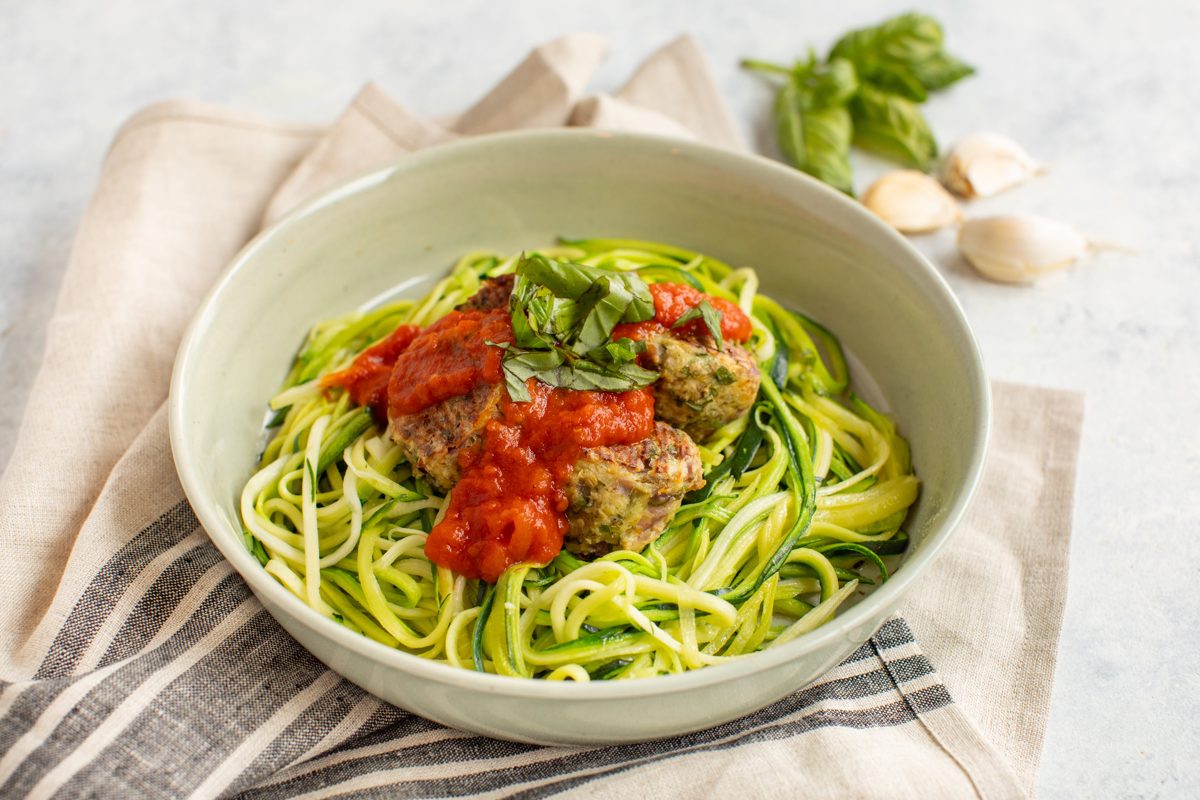
Ground beef blended with finely chopped eggplant for extra moisture and fiber, served over spiralized zucchini noodles with a simple marinara. A lighter twist on classic spaghetti and meatballs.
Why it works: Zucchini noodles replace the pasta entirely, and the eggplant folded into the meatballs adds fiber that a traditional meatball recipe would not have.
Ground Beef Dinner Swaps
| Higher Glycemic Choice | Lower Glycemic Swap |
|---|---|
| Regular spaghetti | Spaghetti squash or zucchini noodles |
| White hamburger bun | Whole wheat bun, or a lettuce wrap |
| Bottled sweetened barbecue glaze | A homemade glaze with modest added sugar |
| Full portion of white rice | A smaller portion, or a mix of rice and cauliflower rice |
Building a Balanced Ground Beef Plate
A simple guide works for nearly any ground beef dinner, half the plate as non-starchy vegetables, a portion of lean ground beef, and a smaller portion of a lower glycemic carbohydrate, whether that is beans, a whole grain, or a vegetable-based swap like spaghetti squash.
This structure applies just as well to a quick weeknight stir-fry as it does to a slow-cooked chili or a classic meatloaf dinner.
Stretching Ground Beef Further
Adding beans, lentils, or extra chopped vegetables to a ground beef recipe does more than add fiber, it also stretches the recipe to feed more people without needing more meat. Chili and stuffed cabbage rolls both lean on this trick already, and it works just as well in a homemade meatloaf or meatball recipe.
This approach tends to lower the overall glycemic load of the dish too, since legumes and vegetables bring fiber that slows down digestion compared with a meal built on meat and refined carbohydrate alone.
Freezing Ground Beef Dinners
Most of these recipes freeze well, which makes ground beef a genuinely convenient option for batch cooking. Chili, meatloaf, and stuffed cabbage rolls in particular tend to reheat well without losing much texture, so doubling a recipe on a weekend often means dinner is already handled for a night or two later in the week.
The Bottom Line
Ground beef itself is a blank canvas for a low glycemic meal. These 6 recipes show how beans, whole grains, and vegetable-based swaps turn a classic dinner into something genuinely gentler on blood sugar, without losing the comfort food factor.
Still confused about what to eat with type 2 diabetes or prediabetes? Get the free Type 2 Clarity Kit from Type 2 Made Simple. It helps you understand what your diagnosis means, what to eat first, what numbers to track, and what to ask your doctor next, all in plain English.
Frequently Asked Questions
Does ground beef have a glycemic index?
Not a meaningful one, since it carries almost no carbohydrate on its own. The glycemic impact of a ground beef meal comes from what surrounds it.
Is lean ground beef better than regular ground beef for blood sugar?
The fat percentage does not change the carbohydrate content, so it does not directly affect blood sugar, though it may matter for your broader health goals.
Can I add beans to any ground beef recipe?
In many recipes, yes. Beans add fiber and plant protein, which can help stretch a recipe further while adding nutritional value.
Is spaghetti squash a good substitute for pasta?
Yes, it carries a fraction of the carbohydrate of wheat pasta while still giving you a noodle-like texture.
Are these recipes good for meal prep?
Yes, chili, meatloaf, and stuffed cabbage rolls in particular tend to hold up well in the fridge or freezer for later meals.
Should I avoid ground beef entirely with type 2 diabetes?
Not necessarily. Ground beef itself does not raise blood sugar, though it is worth discussing your overall diet, including red meat intake, with your healthcare provider or a registered dietitian.
Can I substitute ground turkey in these recipes?
Yes, ground turkey works as a substitute in most of these recipes, and it carries no more carbohydrate than beef does.
Is stuffed cabbage a good option for meal prep?
Yes, each roll is naturally portioned, which makes it easy to grab one or two servings at a time through the week.
What sides pair well with a ground beef dinner?
A simple side salad or roasted non-starchy vegetables round out most of these meals nicely without adding much extra carbohydrate.
This article is for general education only and is not medical advice. Always talk with your healthcare provider or a registered dietitian before making major changes to your diet, medication, or diabetes care plan.