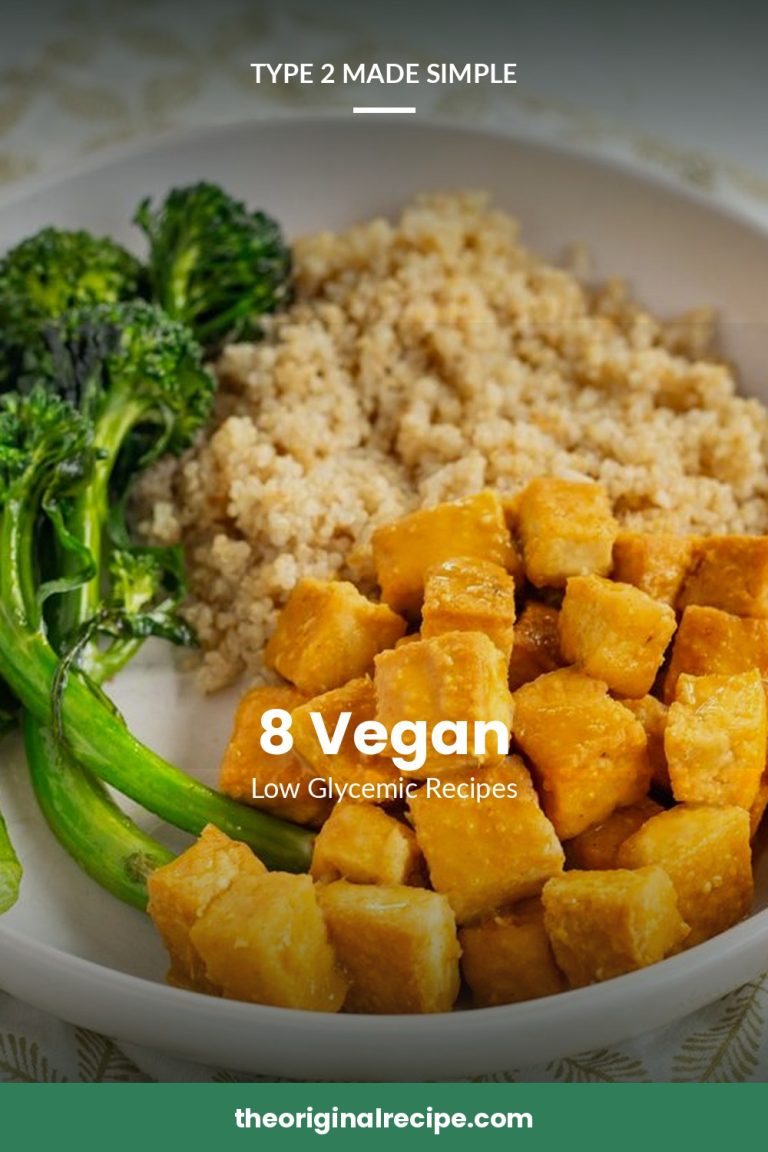
8 Low Glycemic Plant Based Recipes for Everyday Eating

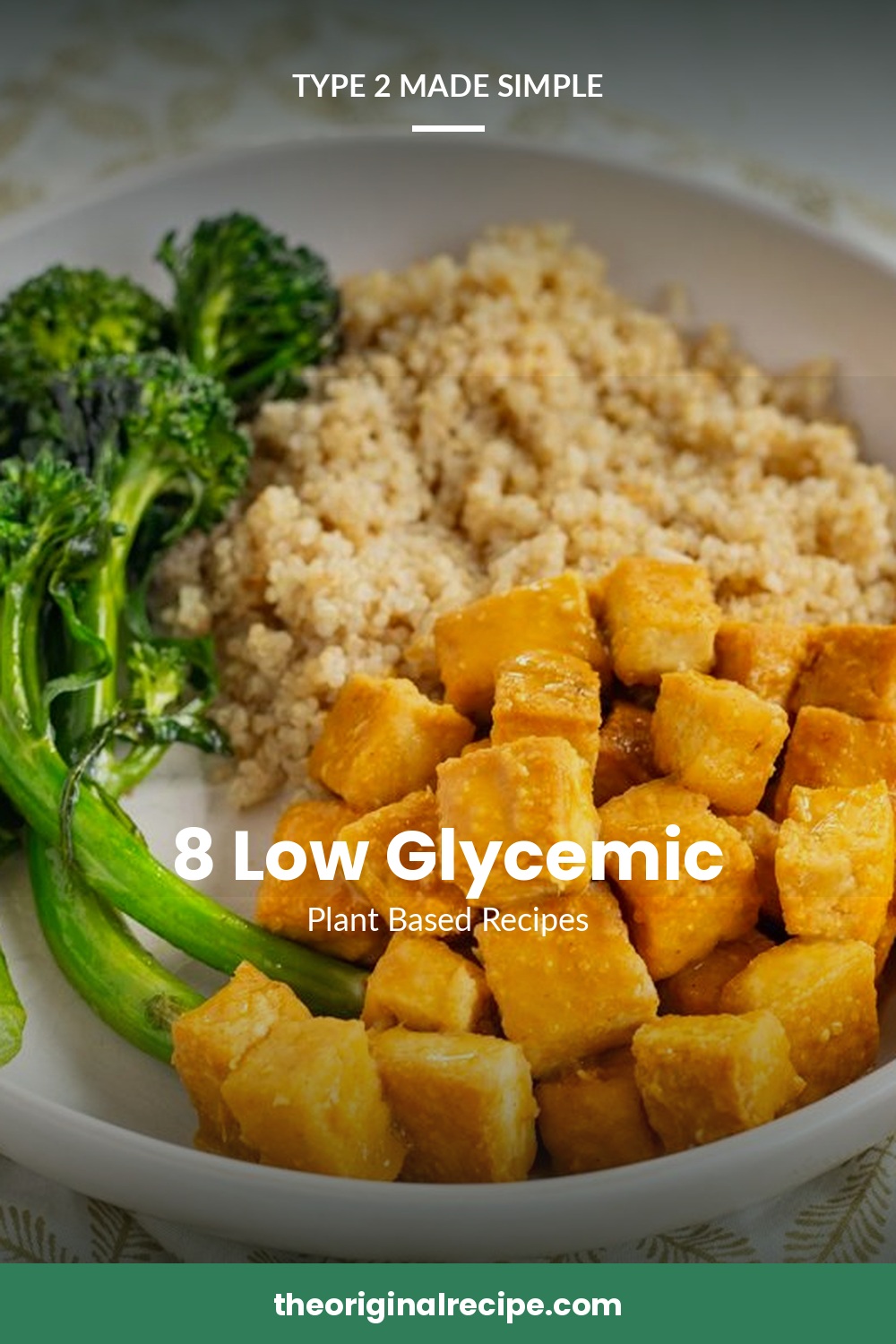
Plant based eating does not have to mean strict vegan rules or complicated recipes. It simply means letting vegetables, fruit, whole grains, nuts, and legumes make up most of your plate, with dairy or eggs still welcome in moderation if you like them.
These 8 recipes cover breakfast, snacks, and everything in between, built around plants first, so you get real fiber and nutrition without needing an entirely new way of cooking.
These are general meal ideas. Always follow your healthcare provider’s guidance for your specific needs.
What Plant Based Actually Means Here
Plant based is a looser idea than vegan. It is less about strict rules and more about a general direction, letting vegetables, fruit, whole grains, nuts, and legumes take up most of the space on your plate, while still leaving room for dairy or eggs if that fits your preferences.
This flexibility matters for blood sugar too. A plant-forward plate naturally leans on fiber-rich foods, which slow down digestion and tend to keep blood sugar steadier than a plate built mostly around refined grains and added sugar.
Quick Tips for Plant-Forward Eating
- Build snacks and meals around vegetables, fruit, nuts, and whole grains first.
- Use dairy or eggs as an accent, like a spoonful of ricotta or a splash of yogurt, rather than the main event.
- Choose whole fruit over juice to keep the natural fiber intact.
- Bake, roast, or blister vegetables to bring out natural sweetness without needing added sugar.
1. Parsley Ricotta Dip with Vegetables

A herby, creamy dip made with ricotta and fresh parsley, served alongside cucumber and pepper slices. A plant-forward snack that leans on vegetables to do most of the work.
Why it works: Vegetables make up most of this snack’s volume, keeping the carbohydrate low while the ricotta adds a little protein.
Best for a light, plant-forward snack
2. Blistered Padron Peppers
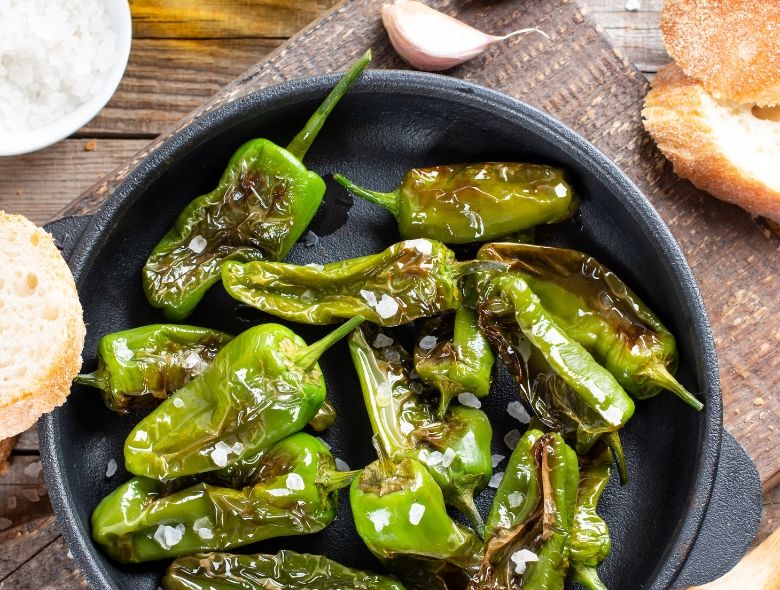
Small green peppers quickly blistered in a hot pan and finished with a sprinkle of sea salt. A simple, tapas-style plant dish that comes together in minutes.
Why it works: Peppers are naturally low in carbohydrate, making this one of the gentlest plant-based snacks on blood sugar you can put together.
Best for a quick tapas-style snack
3. Chai-Spiced Apple Chips
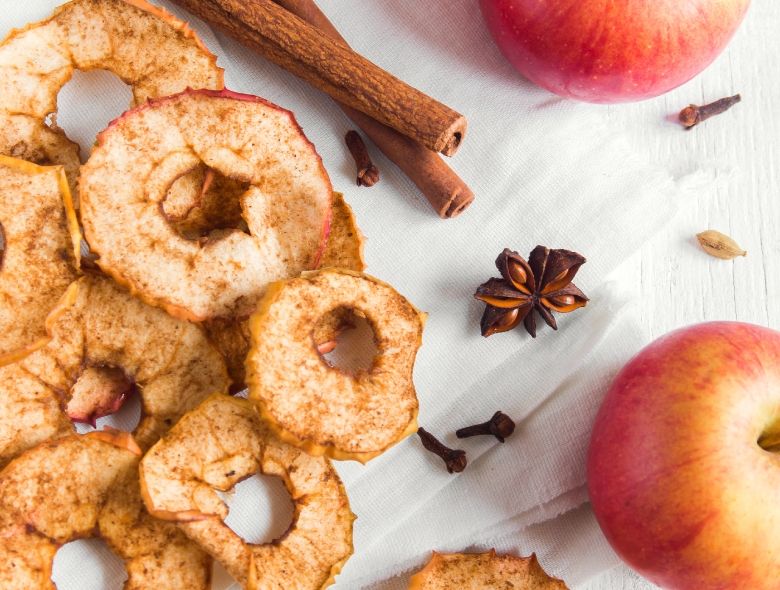
Thin apple slices baked low and slow with warm chai spices until they turn crisp. A naturally sweet, plant-based snack with no added sugar needed.
Why it works: Baking apple slices thin and crisp, rather than juicing or blending them, keeps the natural fiber intact and slows down the sugar’s impact.
Best for a naturally sweet snack
4. Honey Cinnamon Almonds
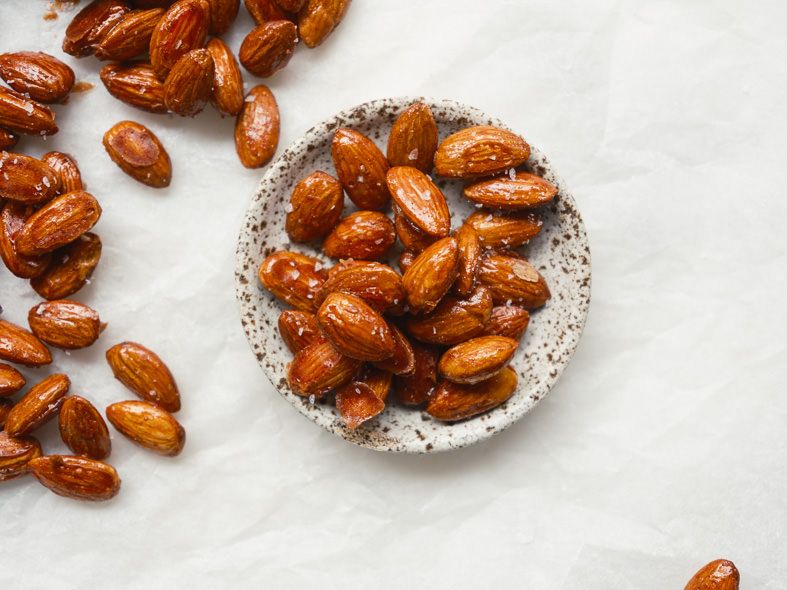
Roasted almonds tossed with a light honey and cinnamon coating for a warmly spiced, crunchy snack. A small handful goes a long way toward curbing hunger.
Why it works: Almonds bring healthy fat and a little plant protein, both of which help this snack sit gently on blood sugar compared with a sugary trail mix.
Best for a portable plant-based snack
5. Ginger Spiced Oatmeal
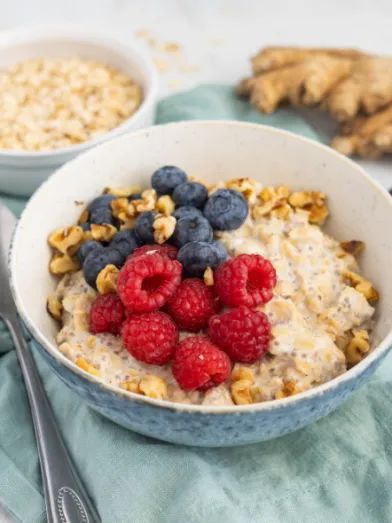
Warm oatmeal simmered with fresh ginger and a touch of cinnamon for a cozy, plant-based breakfast bowl. Ready in about 10 minutes on the stovetop.
Why it works: Oats bring fiber that slows down digestion, helping this warmly spiced breakfast sit steadier on blood sugar than a bowl of sweetened cereal.
Best for a cozy plant-based breakfast
6. Plant-Forward Yogurt Parfait
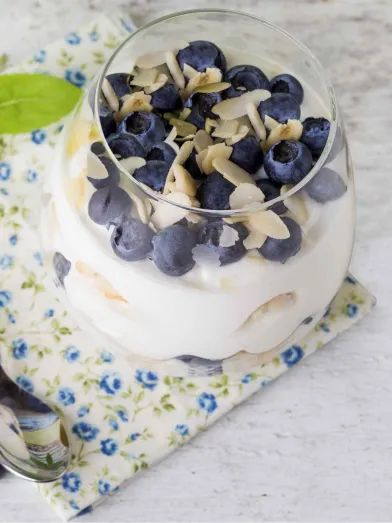
Layers of plain yogurt, berries, and a sprinkle of nuts or seeds for crunch. Simple, colorful, and endlessly adaptable to whatever fruit is in season.
Why it works: Plain yogurt and whole fruit bring protein and fiber together, both of which help slow down the natural sugar in the berries.
Best for a quick plant-forward breakfast
7. Pumpkin Banana Muffins

Soft, moist muffins built on pumpkin puree and mashed banana instead of a lot of added sugar. They taste like a fall treat any time of year.
Why it works: Pumpkin and banana both bring fiber to the batter, which helps slow down how fast the natural sugars affect blood sugar.
Best for a grab-and-go plant-based breakfast
8. Cranberry Almond Muffins
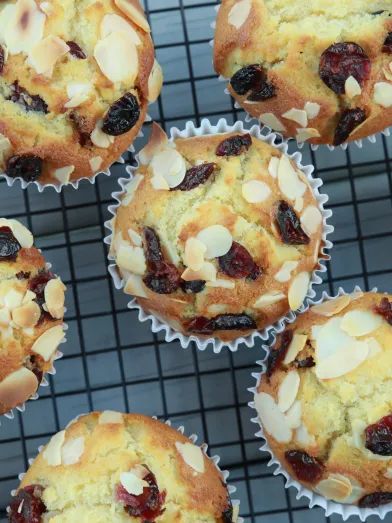
Whole grain muffins studded with tart cranberries and chopped almonds. A little tangy, a little nutty, and a nice change from a plain bran muffin.
Why it works: Whole grain flour and almonds both bring fiber and healthy fat to this muffin, helping it sit gentler on blood sugar than a refined white flour version.
Best for a make-ahead breakfast
Plant-Forward Swaps for Everyday Eating
| Typical Choice | Plant-Forward Swap |
|---|---|
| Sweetened cereal | Warm oatmeal with fresh spices |
| Bagged chips | Blistered peppers or baked apple chips |
| Candied or honey-roasted nuts, heavy on sugar | Lightly honeyed nuts with a modest amount of sweetener |
| Bran muffin from a bakery | Homemade whole grain muffin with fruit or nuts |
Plant Based Does Not Mean All or Nothing
You do not need to overhaul every meal to eat more plant based. Swapping one snack, one breakfast, or one side dish at a time tends to stick better than trying to change everything at once.
Several of these recipes still include a little dairy, ricotta, yogurt, or honey, which is perfectly fine within a plant-forward approach. The goal is a plate built mostly around plants, not a strict elimination of everything else.
Why Fiber Is the Real Star
Across nearly all of these recipes, fiber is doing the quiet work of keeping blood sugar steadier. Whether it comes from oats, whole grain flour, whole fruit, or nuts, fiber slows down how fast carbohydrate is digested and absorbed, which softens the blood sugar response compared with a refined, low fiber version of the same food.
This is part of why a homemade muffin with whole grain flour and fruit behaves differently in your body than a bakery muffin made with refined white flour and a lot of added sugar, even if the calorie counts look similar on paper.
Making These Recipes Part of a Routine
Rotating a few of these into your week, one for breakfast, one for a snack, tends to work better than trying to overhaul every meal at once. Small, repeatable swaps add up over time in a way that a single dramatic change to your diet often does not.
The Bottom Line
Plant based eating is flexible, practical, and genuinely supportive of steadier blood sugar, since it naturally leans on the fiber found in vegetables, fruit, whole grains, and legumes. These 8 recipes give you an easy starting point across breakfast and snacks.
Still confused about what to eat with type 2 diabetes or prediabetes? Get the free Type 2 Clarity Kit from Type 2 Made Simple. It helps you understand what your diagnosis means, what to eat first, what numbers to track, and what to ask your doctor next, all in plain English.
Frequently Asked Questions
Is plant based the same as vegan?
Not exactly. Plant based generally means building meals mostly around plants, while still allowing dairy or eggs in moderation, unlike a strict vegan diet.
Can plant based eating help with blood sugar?
It can support steadier blood sugar, mainly because plant-forward meals tend to be higher in fiber, which slows down digestion.
Do I need to give up dairy to eat more plant based?
No, plant based eating is about emphasis, not elimination. A little dairy or eggs can still fit comfortably into this style of eating.
Are these recipes good for beginners?
Yes, all of them use everyday ingredients and simple techniques, no specialty tools or hard-to-find items required.
Can I make these recipes ahead of time?
Most of them, yes. The muffins, apple chips, and roasted almonds all keep well for several days, making them good options for batch prepping.
How do I start eating more plant based without overhauling everything?
Start with one meal or snack at a time, like swapping your usual chips for blistered peppers, rather than trying to change your entire diet at once.
This article is for general education only and is not medical advice. Always talk with your healthcare provider or a registered dietitian before making major changes to your diet, medication, or diabetes care plan.