
10 Low Glycemic Dinner Recipes That Don’t Feel Like a Diet

By dinner time, you have usually made about a hundred small food decisions already, and you are tired. The last thing you want is to overthink one more meal.
Low glycemic just means a food raises blood sugar more slowly and gently than a high glycemic one does. Foods with fiber, protein, and healthy fat tend to sit lower on this scale, while refined carbs like white rice or white bread sit higher.
Here are 10 dinners built with that in mind, none of them bland, none of them complicated.
These are general meal ideas. Always follow your healthcare provider’s guidance for your specific needs.
Quick Tips for Lower Glycemic Dinners
- Fill half your plate with non-starchy vegetables before adding anything else.
- Choose whole grains, legumes, or vegetable-based noodles over refined pasta or white rice when you can.
- Pair any carb-heavy side with a lean protein to slow down digestion.
- A short walk after dinner is a simple, well-researched way to soften a blood sugar rise.
1. Pan-Seared Salmon with Mushrooms and Rice

Salmon fillets seared until the edges turn golden, served over earthy sautéed mushrooms and a modest scoop of rice. The whole dish comes together in one pan, which means less cleanup after a long day, and the mushrooms soak up all the good pan flavor from the fish.
Why it works: Salmon brings omega-3 fats and protein, both of which slow digestion and keep the overall meal from spiking blood sugar the way a carb-heavy plate would.
Best for a restaurant-style dinner at home
2. Turkey and Vegetable Stir-Fry
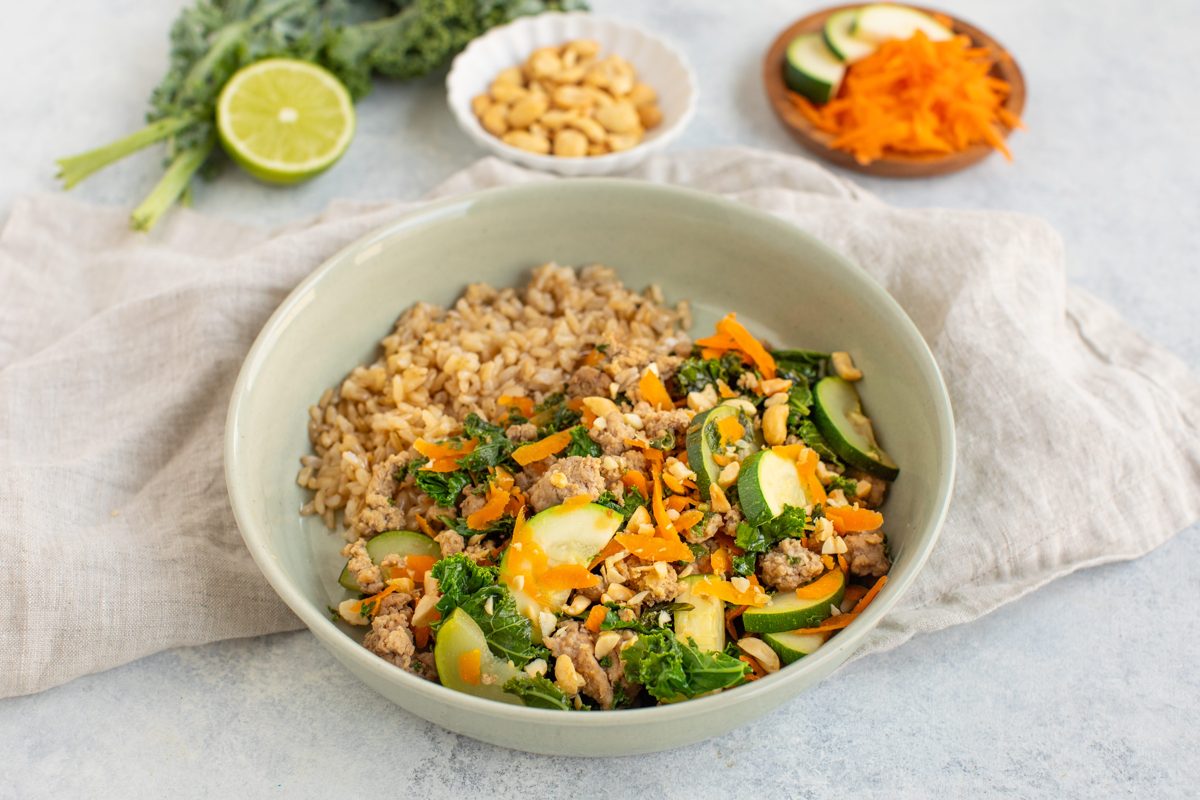
Ground turkey cooked quickly with a colorful mix of bell peppers, broccoli, and snap peas in a light savory sauce. It is the kind of dinner you can throw together on a weeknight using whatever vegetables are about to go bad in your fridge.
Why it works: Lean ground turkey and a vegetable-heavy ratio keep this dish low on the glycemic scale, especially when served over cauliflower rice or a small portion of brown rice.
Best for using up produce before it wilts
3. Chickpea Pasta Primavera
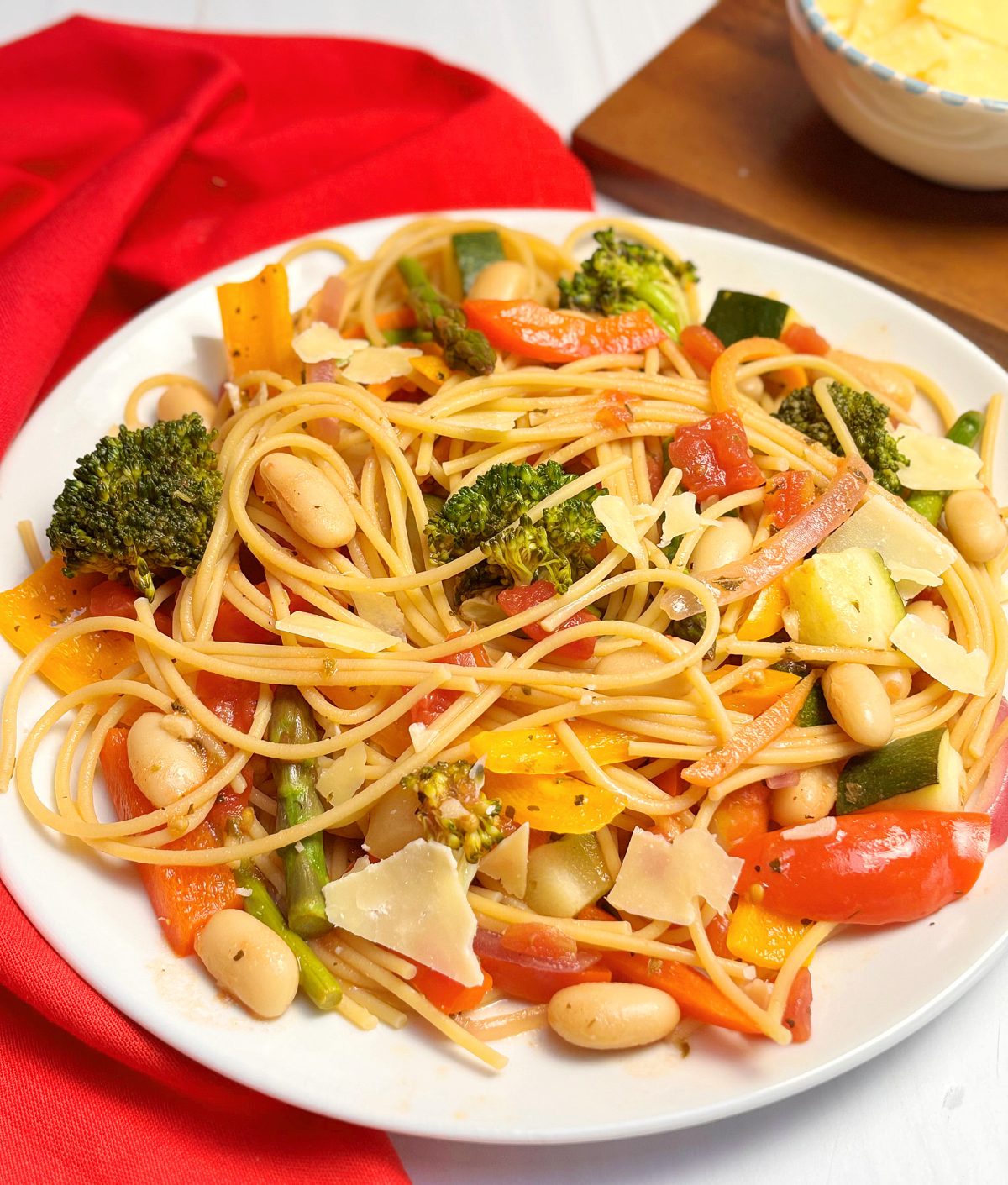
Chickpea-based pasta tossed with a rainbow of spring vegetables in a light garlic and olive oil sauce. It looks and feels like a classic pasta primavera, but the chickpea pasta swaps in noticeably more fiber and protein than a traditional wheat noodle.
Why it works: Chickpea pasta has a much lower glycemic impact than regular pasta, thanks to its higher fiber and protein content, so you get the comfort food experience without the same blood sugar spike.
Best for a pasta night that still feels light
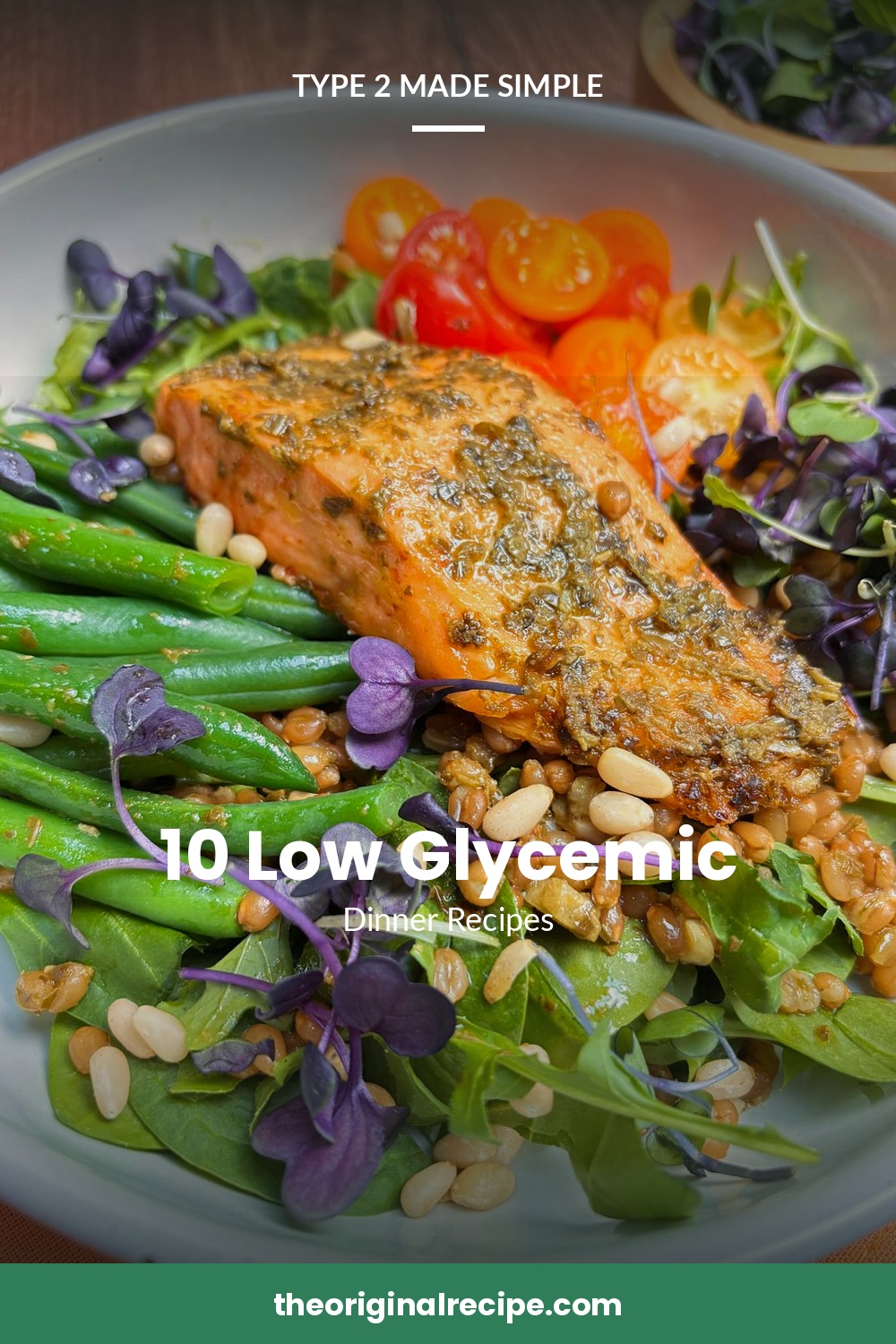
4. Salmon and Wheat Berry Pesto Salad
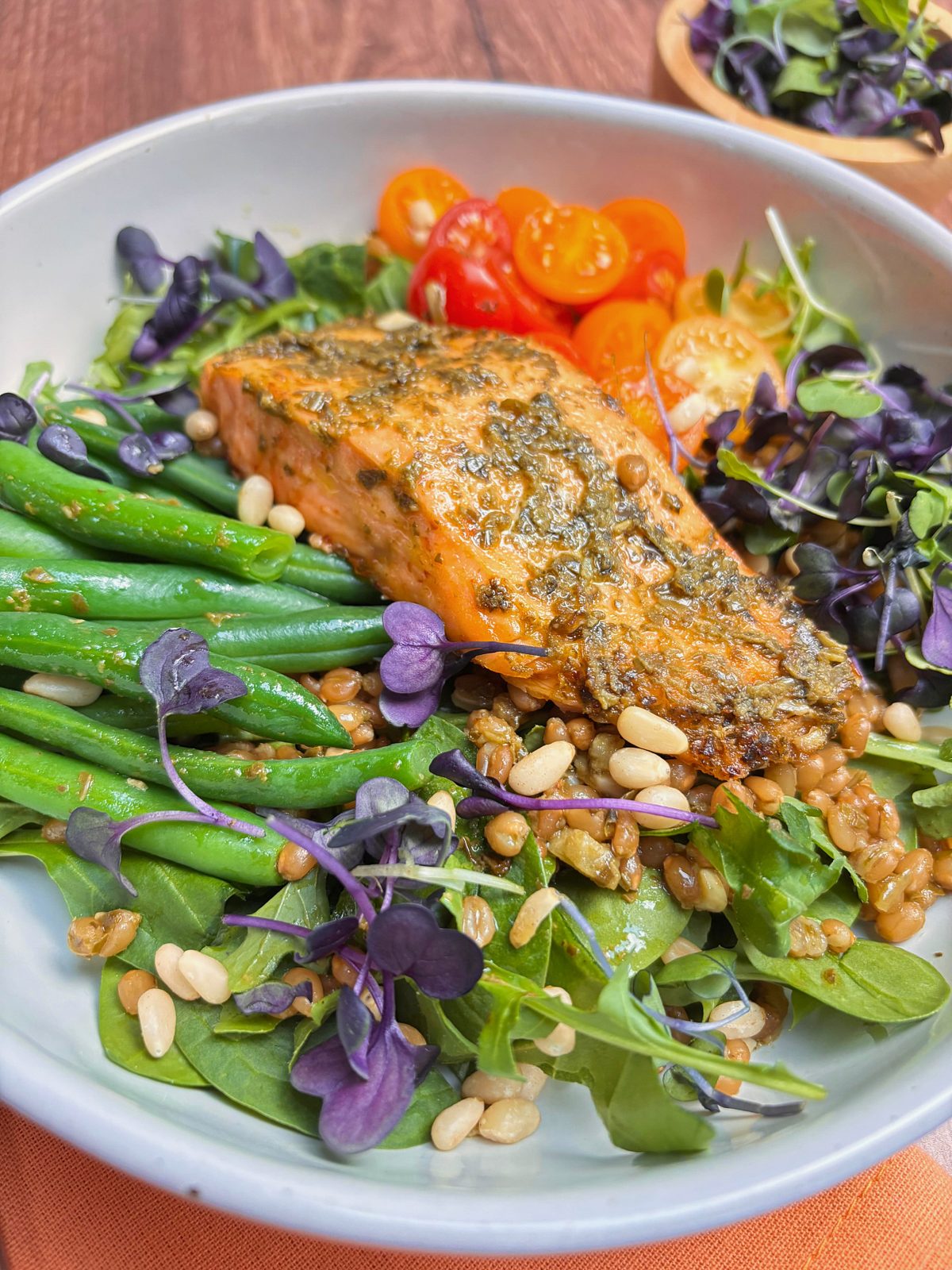
Flaked salmon tossed with chewy wheat berries, fresh basil pesto, and a handful of arugula. Wheat berries have a pleasant, nutty bite that holds up well even after sitting in the fridge, making this a great make-ahead dinner or next-day lunch.
Why it works: Wheat berries are a whole grain with a notably lower glycemic index than white rice or refined pasta, and pairing them with salmon’s healthy fat slows things down even further.
Best for meal prepping two dinners at once
5. Serbian Stuffed Cabbage Rolls
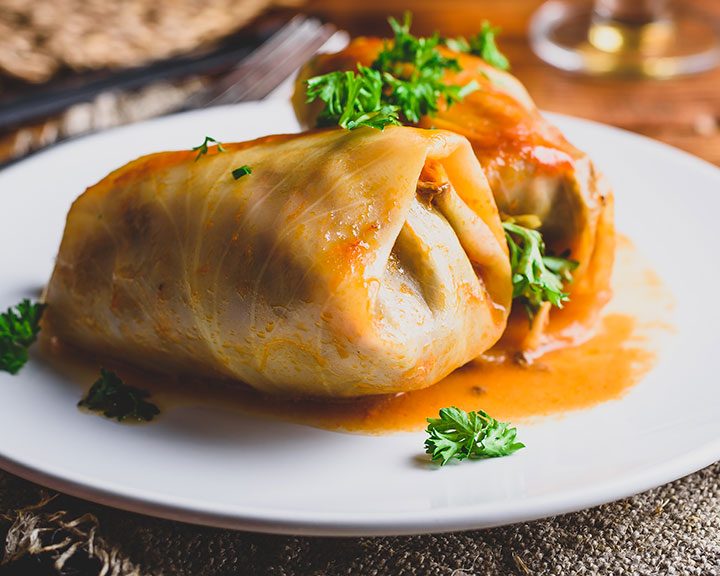
Tender cabbage leaves wrapped around a savory filling of ground meat, rice, and warm spices, simmered low and slow in a tomato broth until everything is fork tender. This is a cozy, old-world comfort dish that happens to fit a low glycemic pattern well.
Why it works: Cabbage itself is very low on the glycemic index, and using it as the wrapper instead of a starchy shell keeps the overall carb load in this dish modest.
Best for a cozy weekend dinner project
6. Eggplant Meatballs over Zucchini Noodles
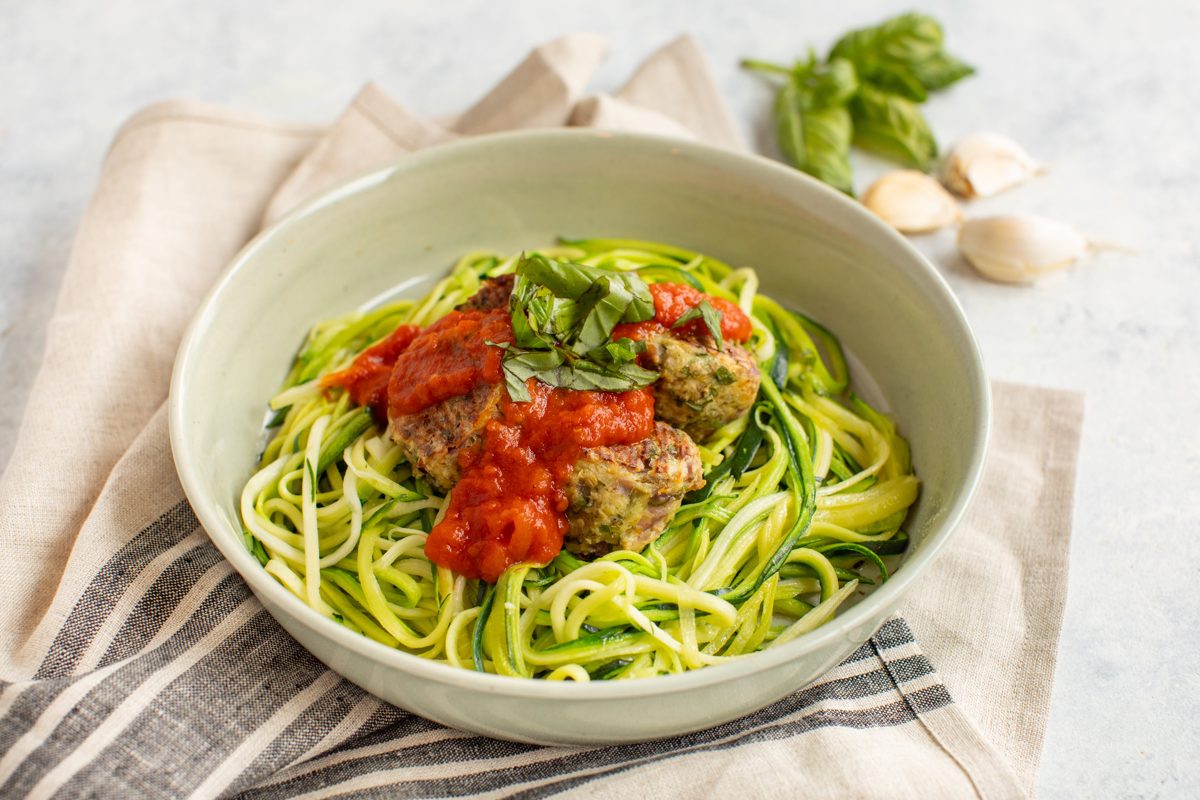
Savory meatballs made with a mix of ground meat and finely chopped eggplant, served over spiralized zucchini noodles in a simple marinara. The eggplant keeps the meatballs moist and adds an extra vegetable serving without anyone noticing.
Why it works: Zucchini noodles stand in for pasta with a fraction of the carbs, and the eggplant folded into the meatballs adds fiber that a traditional breadcrumb filler would not.
Best for a lower-carb pasta night
7. Pesto Pork Tenderloin with Broccolini
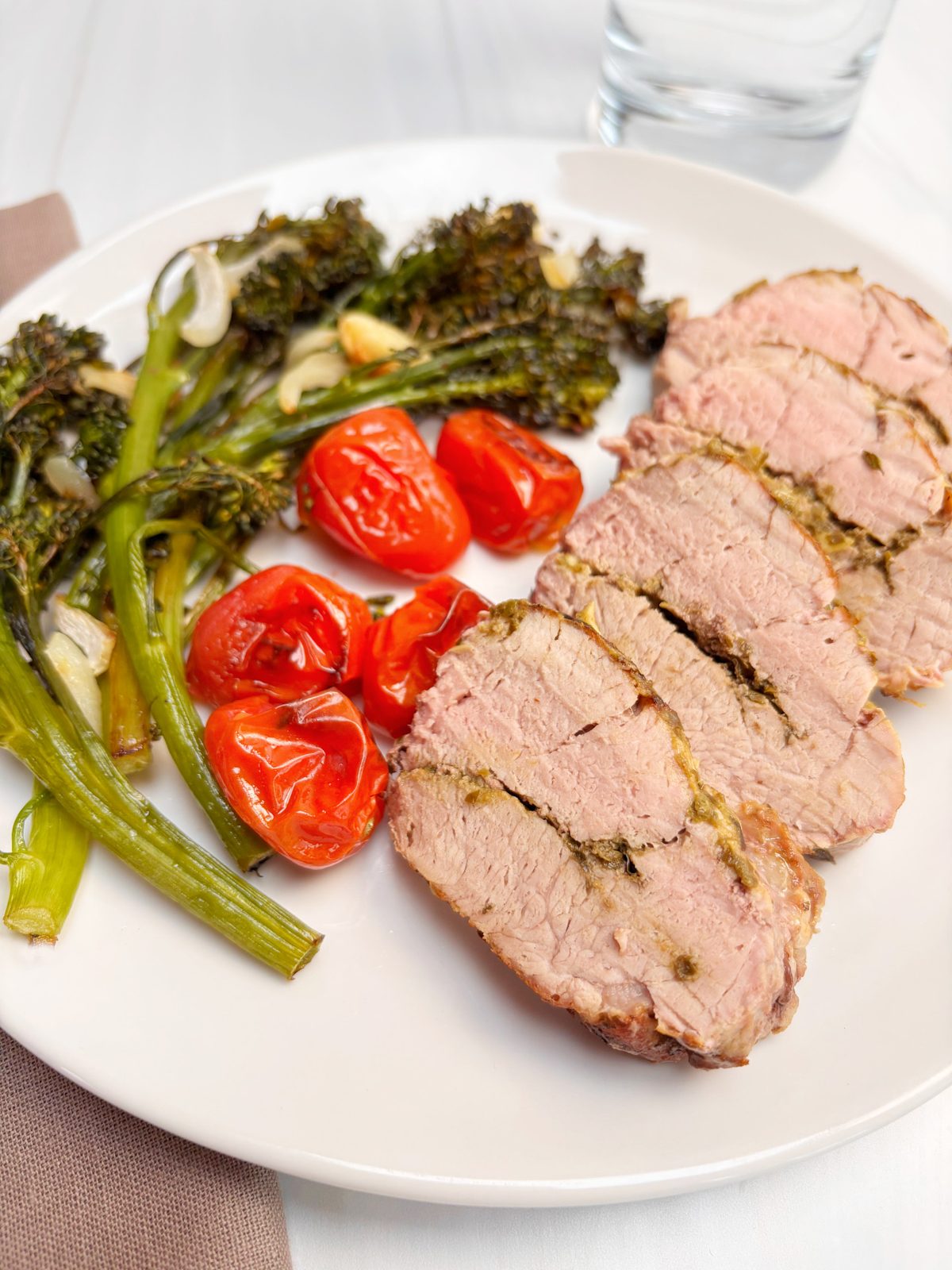
Lean pork tenderloin roasted with a bright basil pesto crust, served alongside tender broccolini and blistered cherry tomatoes. The pesto crust gets slightly crisp in the oven, which adds a nice texture contrast to the juicy pork underneath.
Why it works: A lean protein paired with a full serving of non-starchy vegetables makes this a naturally low glycemic plate, with almost no refined carbs weighing it down.
Best for a Sunday dinner that still feels special
8. Veggie Grain Bowl with Tilapia
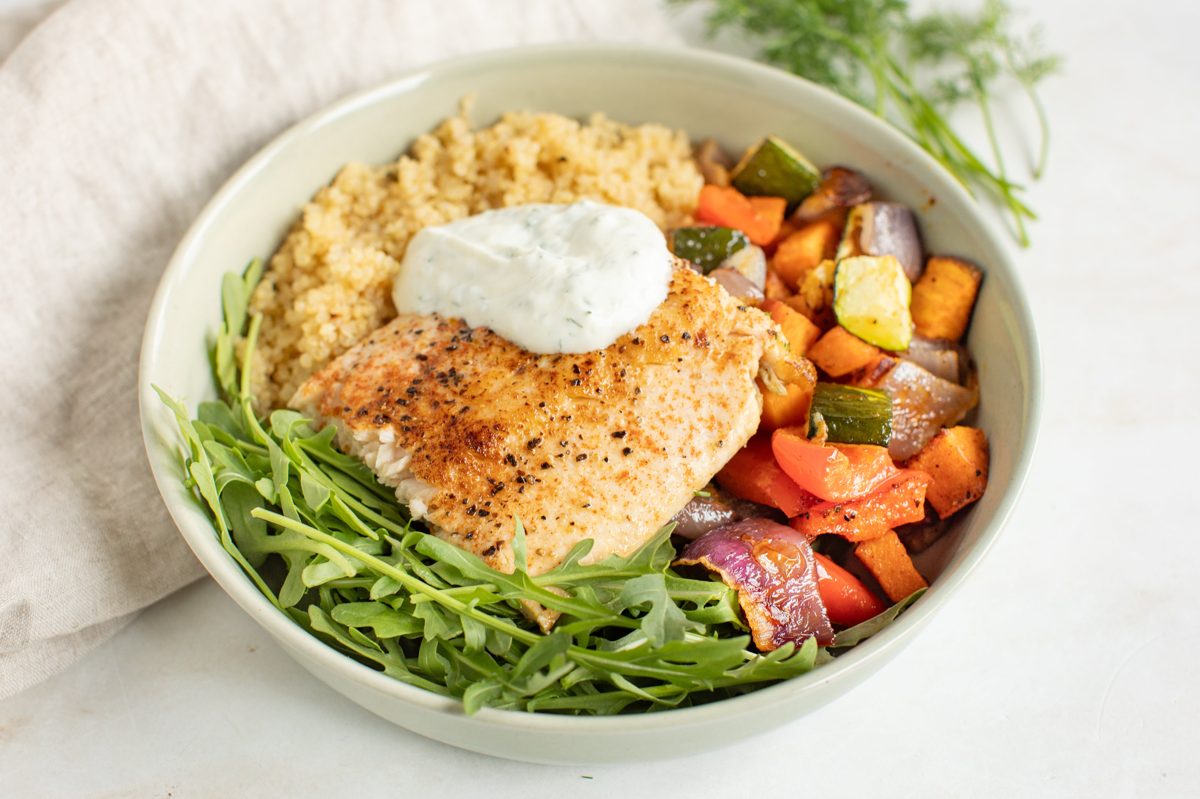
Flaky baked tilapia served over a bowl of whole grains and a generous pile of roasted seasonal vegetables, finished with a light herbed yogurt sauce drizzled on top. The bowl format makes it easy to portion out for meal prep too.
Why it works: Whole grains bring fiber that keeps this bowl’s carbs digesting slowly, and tilapia is a lean protein that will not weigh the meal down with saturated fat.
Best for a light, filling dinner
9. Grilled Honey Lime Chicken
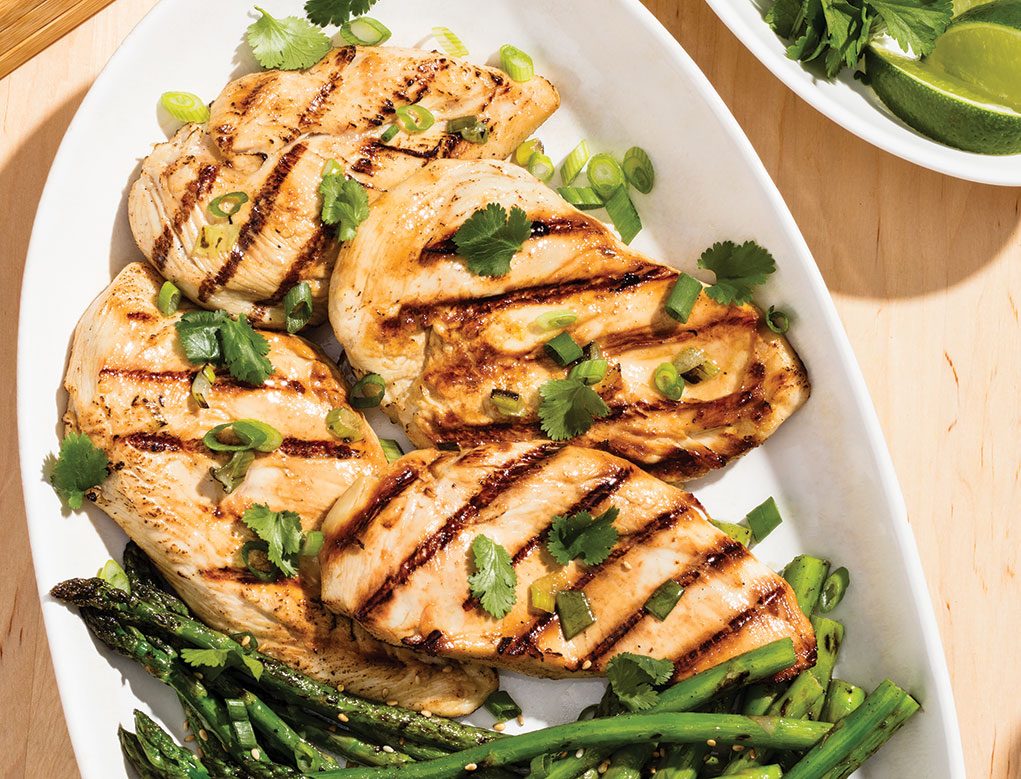
Chicken thighs marinated in a bright honey lime glaze, then grilled until the edges char slightly and the inside stays juicy. Serve it alongside a big vegetable side and you have a dinner that tastes far more indulgent than it actually is.
Why it works: The marinade uses just a small amount of honey purely for flavor, not as the main event, so the overall glycemic load of the dish stays modest when paired with vegetables.
Best for grilling season
10. Salmon Cake Salad
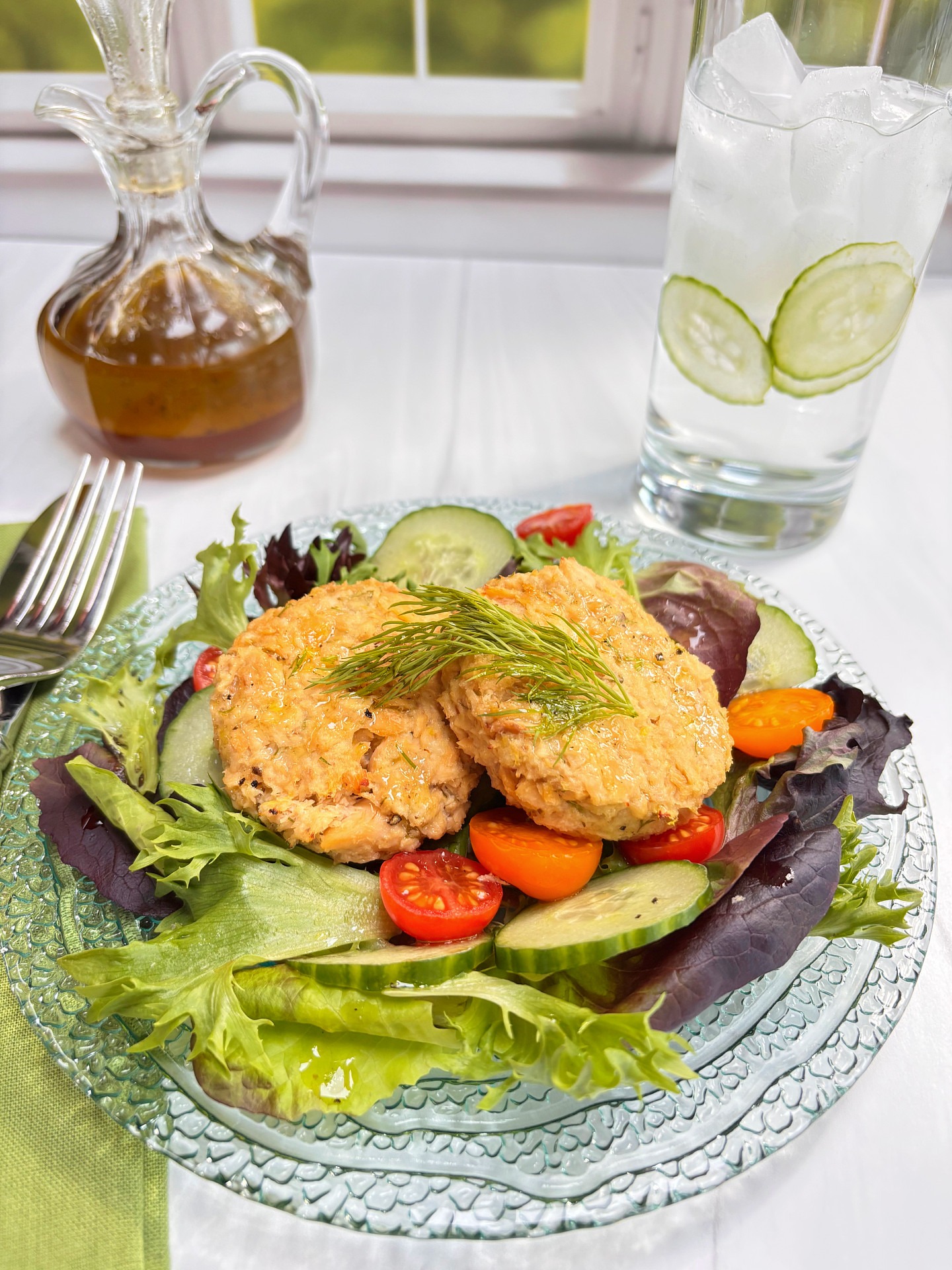
Crispy baked salmon cakes served over a bed of mixed greens with a light lemon vinaigrette. The salmon cakes hold together well thanks to a modest amount of binder, and they reheat nicely if you want to make a double batch for later in the week.
Why it works: Salmon brings healthy fat and protein, and serving it over greens instead of a bun or a starchy side keeps the overall glycemic impact of the meal low.
Best for a lighter dinner that still feels substantial
A Quick Glycemic Comparison
| Higher Glycemic Choice | Lower Glycemic Swap |
|---|---|
| White rice | Wheat berries, quinoa, or cauliflower rice |
| Regular pasta | Chickpea pasta or zucchini noodles |
| Mashed potatoes | Roasted broccolini or a small portion of sweet potato |
| White bread stuffing | Cabbage or lettuce as a wrap instead |
The Bottom Line
A low glycemic dinner does not mean a boring one. These 10 recipes lean on lean protein, fiber, and smarter carb swaps, so dinner still feels like an actual meal, not a diet plate.
Rotate a few of these into your week, and lower glycemic eating starts to feel automatic instead of like a project.
Still confused about what to eat with type 2 diabetes or prediabetes? Get the free Type 2 Clarity Kit from Type 2 Made Simple. It helps you understand what your diagnosis means, what to eat first, what numbers to track, and what to ask your doctor next, all in plain English.
Frequently Asked Questions
What does “low glycemic” mean exactly?
It refers to how quickly a food raises blood sugar. Low glycemic foods raise it more slowly and gently than high glycemic ones.
Is a low glycemic diet the same as a low carb diet?
Not exactly. Low glycemic is about how fast carbs are digested, while low carb is about how much you eat overall. A food can be moderate in carbs but still low glycemic if it has plenty of fiber.
Can I still eat pasta or rice on a low glycemic dinner plan?
Yes, in modest portions, especially whole grain or legume-based versions, paired with protein and vegetables.
Do these recipes work for the whole family?
Yes. None require special ingredients most households would not already enjoy, and portion sizes can be adjusted per person.
How can I make my own dinners more low glycemic?
Add more non-starchy vegetables, choose whole grains over refined ones, and include a lean protein at every meal.
Does cooking method affect the glycemic index of a food?
Yes, somewhat. Foods cooked and then cooled, like pasta salad, can have a slightly lower glycemic impact than the same food served hot, thanks to a process called starch retrogradation.
Is exercise after dinner really worth it?
Yes. A short walk after eating helps your muscles use blood sugar right when it enters your bloodstream, which can meaningfully soften a post-meal spike.
This article is for general education only and is not medical advice. Always talk with your healthcare provider or a registered dietitian before making major changes to your diet, medication, or diabetes care plan.