
25 Easy Diabetic Dinner Recipes for Busy Weeknights


Weeknight dinners are where most people with type 2 diabetes or prediabetes feel the most stuck. You want something fast, something the whole family will eat, and something that will not send your blood sugar on a rollercoaster.
Here are 25 easy diabetic dinner recipes built around lean protein, fiber, and smart carb swaps, so dinner stops being a source of stress.
These are general meal ideas. Always follow your healthcare provider’s guidance for your specific needs.
Quick Tips for Easier Diabetic Dinners
- Fill half the plate with non-starchy vegetables before adding starch or protein.
- Swap refined pasta or rice for a smaller portion, or a vegetable-based stand-in.
- Lean on herbs and spices instead of sugary sauces for flavor.
- Batch cook proteins on the weekend to make weeknights faster.
1. Strawberry Jalapeño Salsa Chicken

Grilled chicken breast topped with a sweet-heat strawberry jalapeño salsa. The fruit is used as an accent, not the main event, so it adds brightness without a sugar overload.
Why it works: Lean chicken plus a light fruit salsa keeps this dinner high in protein and modest in carbs.
2. Lamb Chops with Potatoes and Spring Vegetables
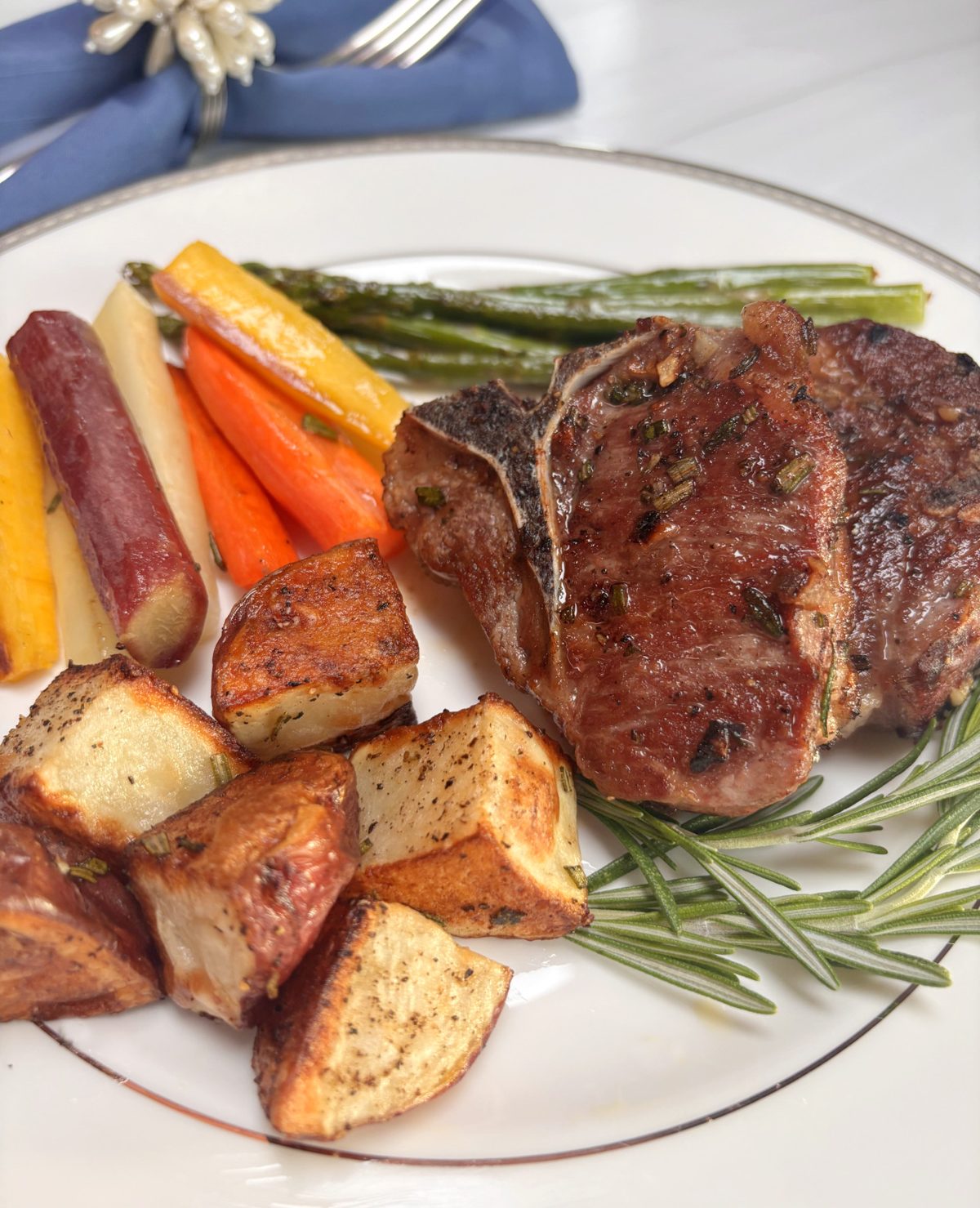
Marinated lamb chops grilled alongside baby potatoes, asparagus, and carrots for a complete one-plate dinner.
Why it works: A modest potato portion paired with lean protein and non-starchy vegetables keeps this plate balanced.
3. Spaghetti Squash Stir-Fry with Chicken
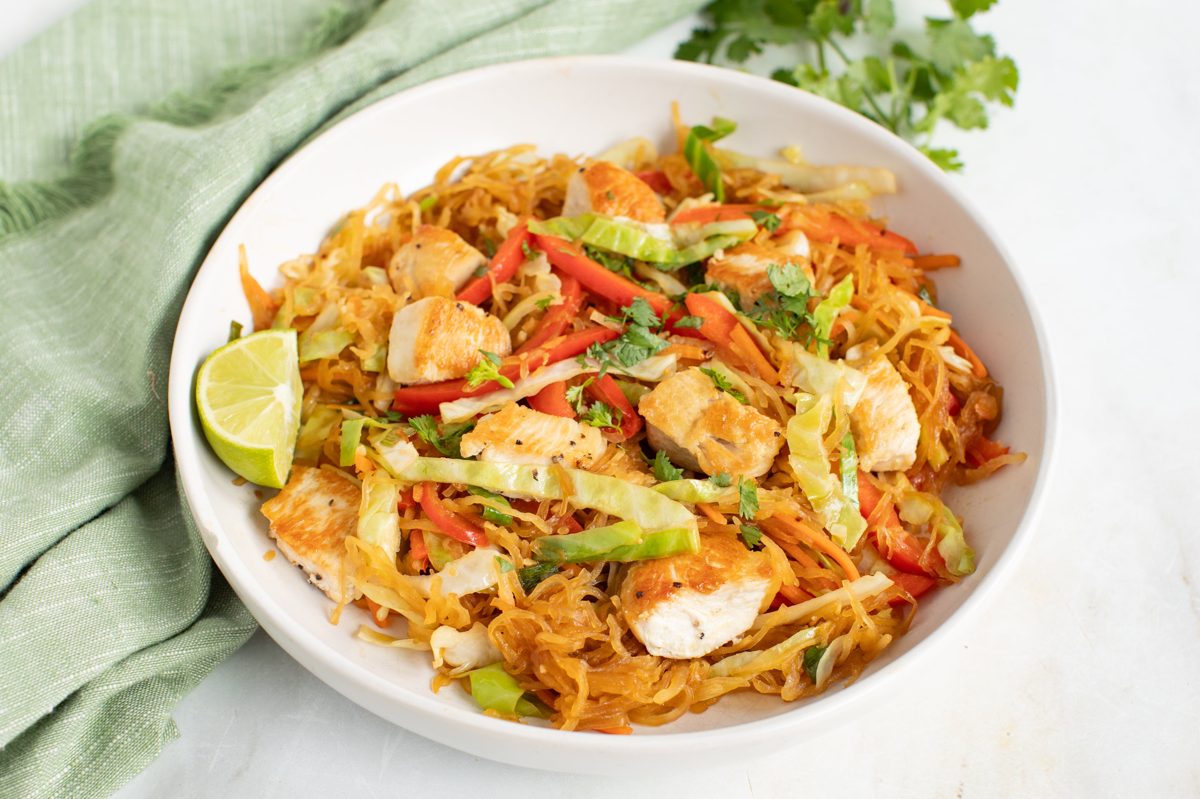
Roasted spaghetti squash strands tossed with chicken and a colorful vegetable mix in a savory stir-fry sauce.
Why it works: Spaghetti squash swaps in for noodles, cutting the carb load significantly compared with a regular stir-fry over rice.
4. Pesto Pork Tenderloin with Broccolini
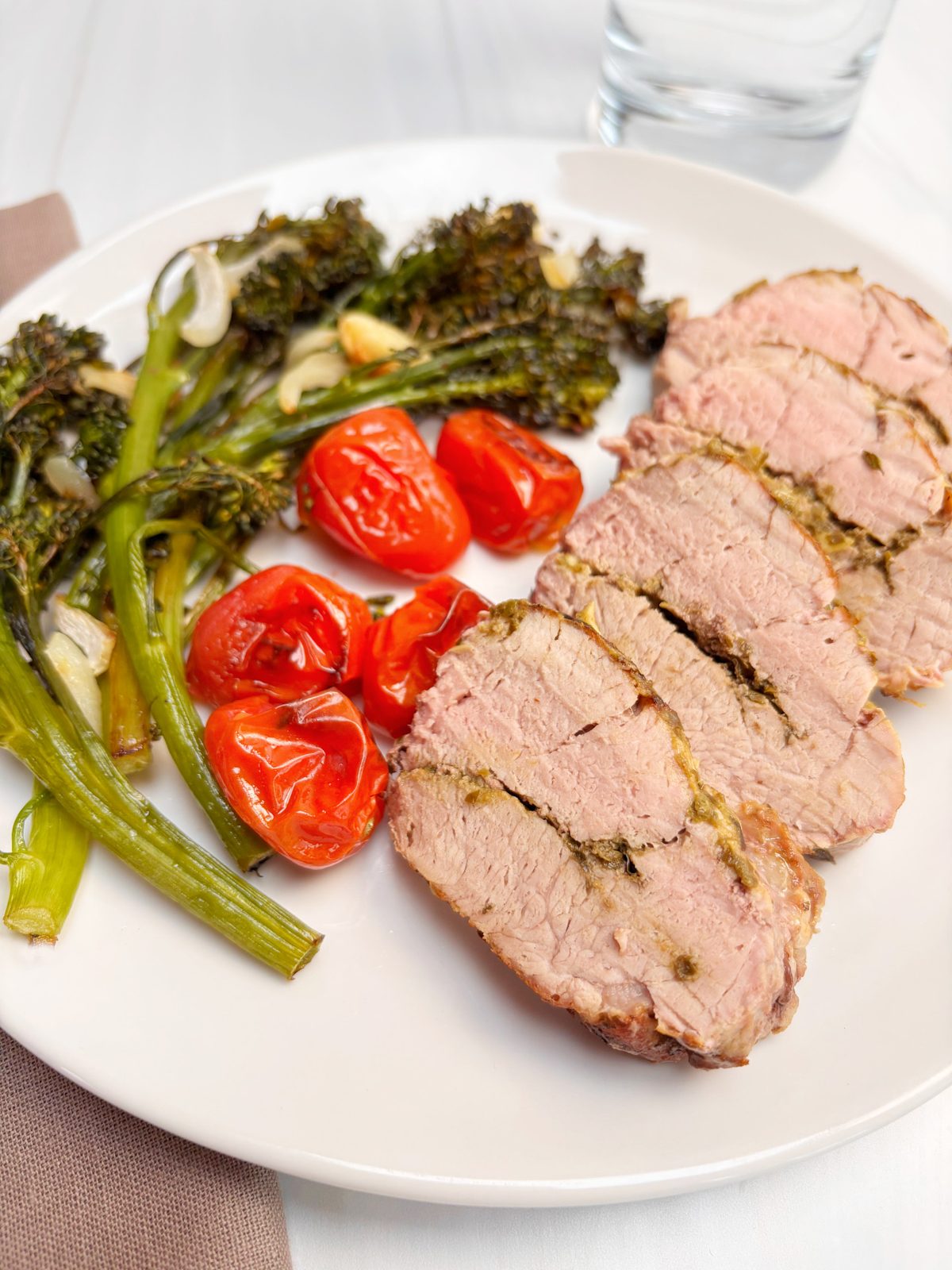
Pork tenderloin marinated in basil pesto, grilled, and served alongside blistered broccolini and tomatoes.
Why it works: Lean pork and a vegetable-forward side make this a satisfying dinner without leaning on heavy carbs.
5. Stuffed Chicken with Dates, Spinach & Ricotta
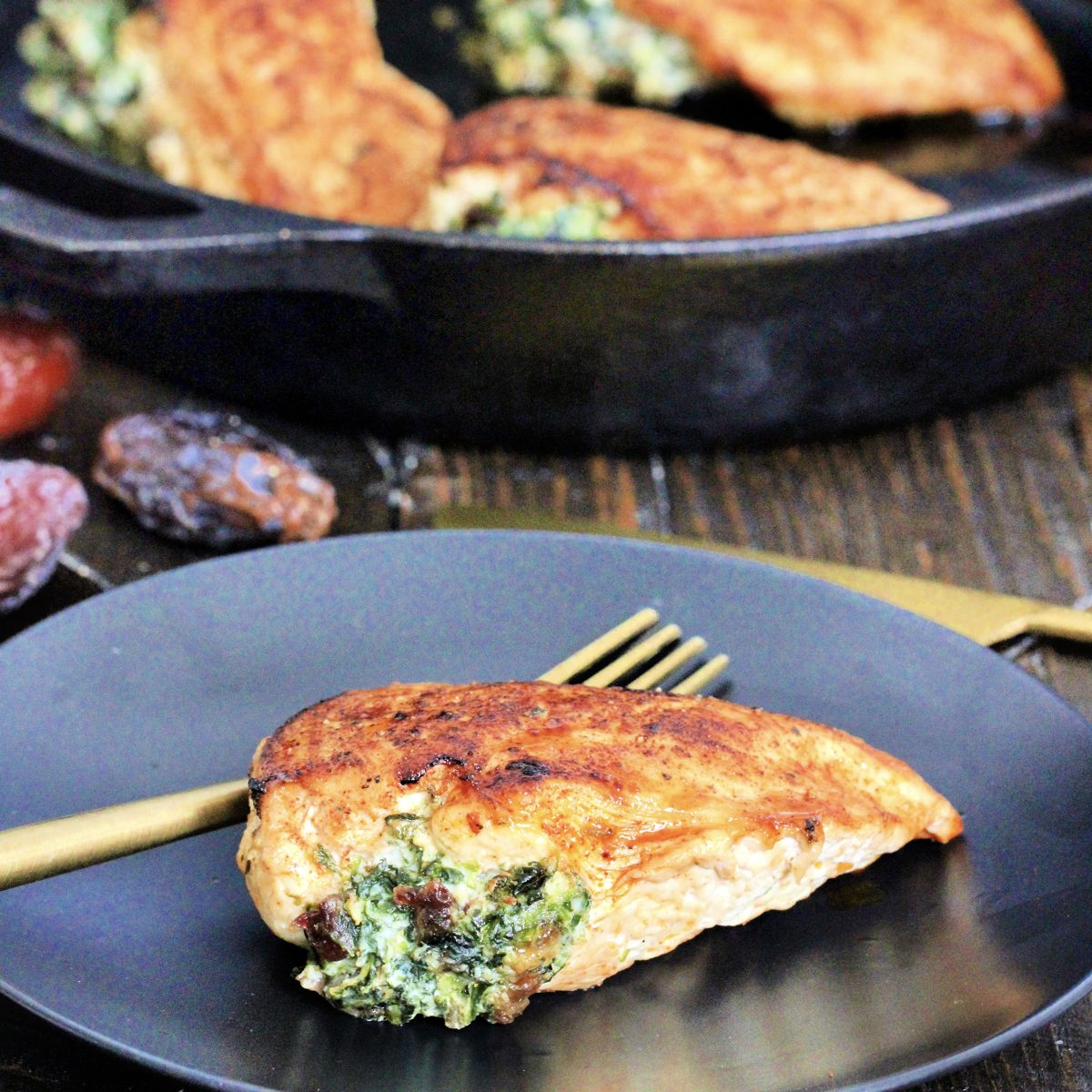
Chicken breast stuffed with spinach, ricotta, and a few chopped dates for a touch of natural sweetness.
Why it works: The dates are used sparingly as a flavor accent, keeping the overall dish protein-forward and modest in carbs.
6. Roasted Veggie Grain Bowl with Tilapia
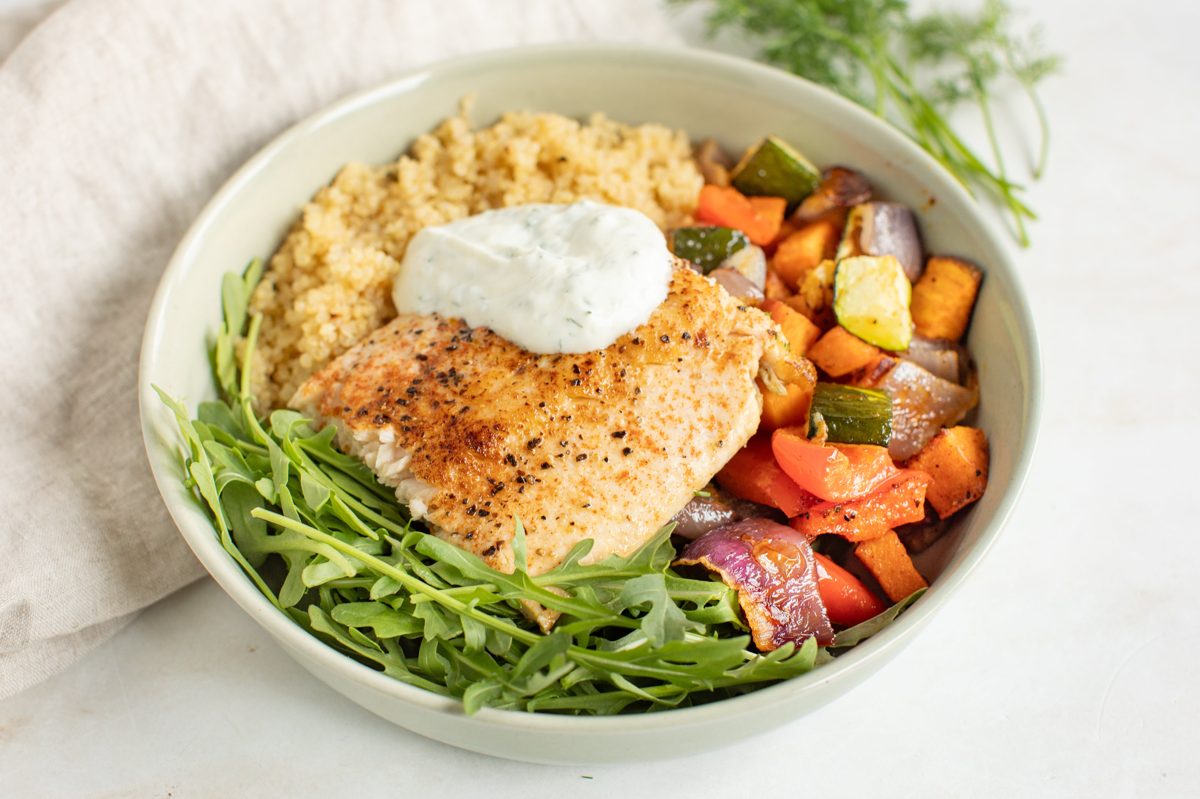
Seared tilapia served over a bowl of roasted vegetables, arugula, and a small portion of quinoa with herbed yogurt sauce.
Why it works: Quinoa and roasted vegetables bring fiber, while tilapia keeps the protein lean and the meal well rounded.
7. Lentil Sloppy Joes
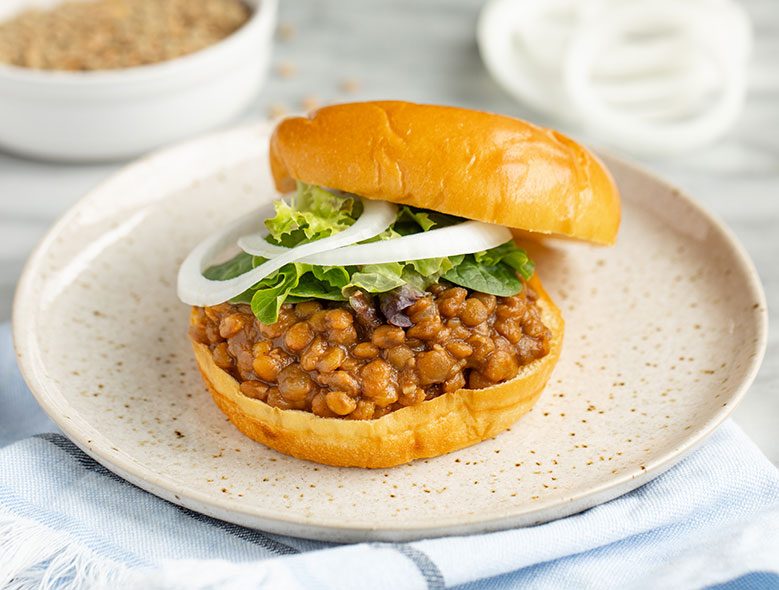
Lentils simmered in a tangy tomato sauce until they take on that classic sloppy joe texture, served on a whole wheat bun.
Why it works: Lentils bring fiber and plant protein in place of ground beef, a swap that helps steady the blood sugar response.
8. Tofu with Peanut Sauce, Broccolini & Quinoa
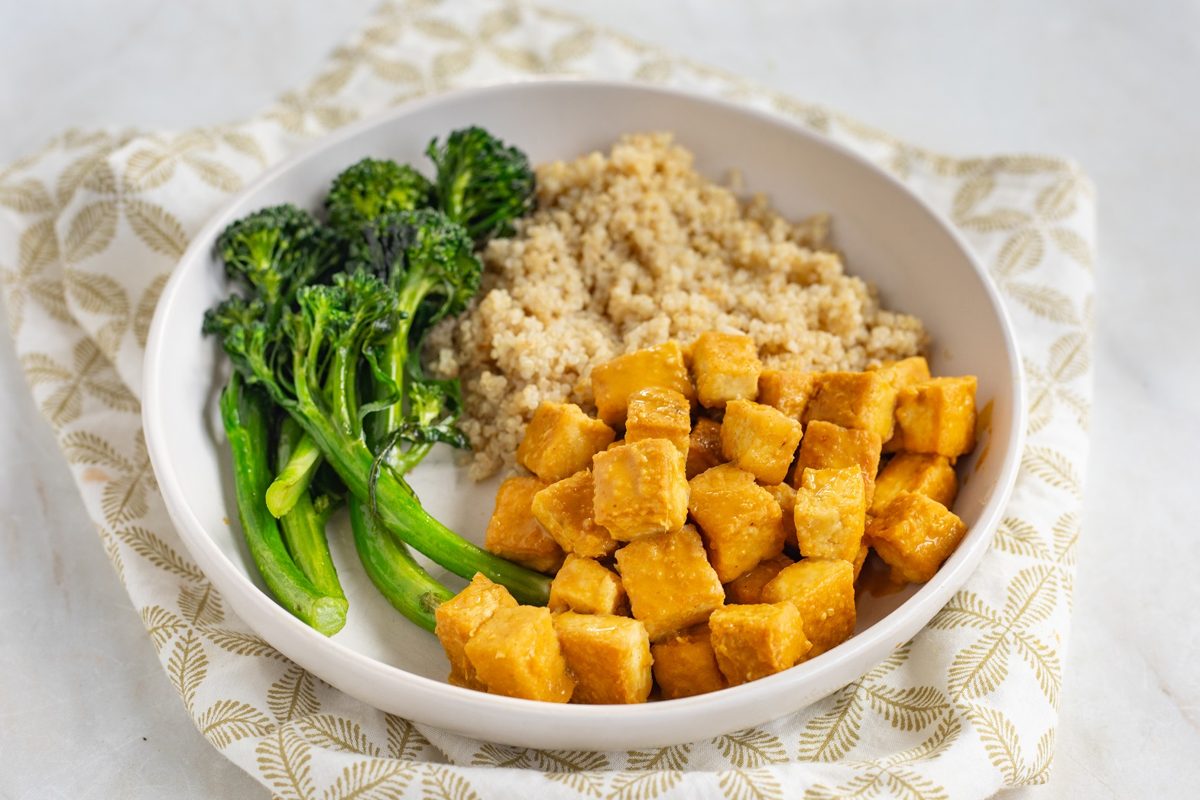
Baked tofu tossed in a rich peanut sauce, served over broccolini and quinoa.
Why it works: Tofu and quinoa both bring plant protein, and the peanut sauce adds healthy fat that slows digestion.
9. Grilled Honey Lime Chicken
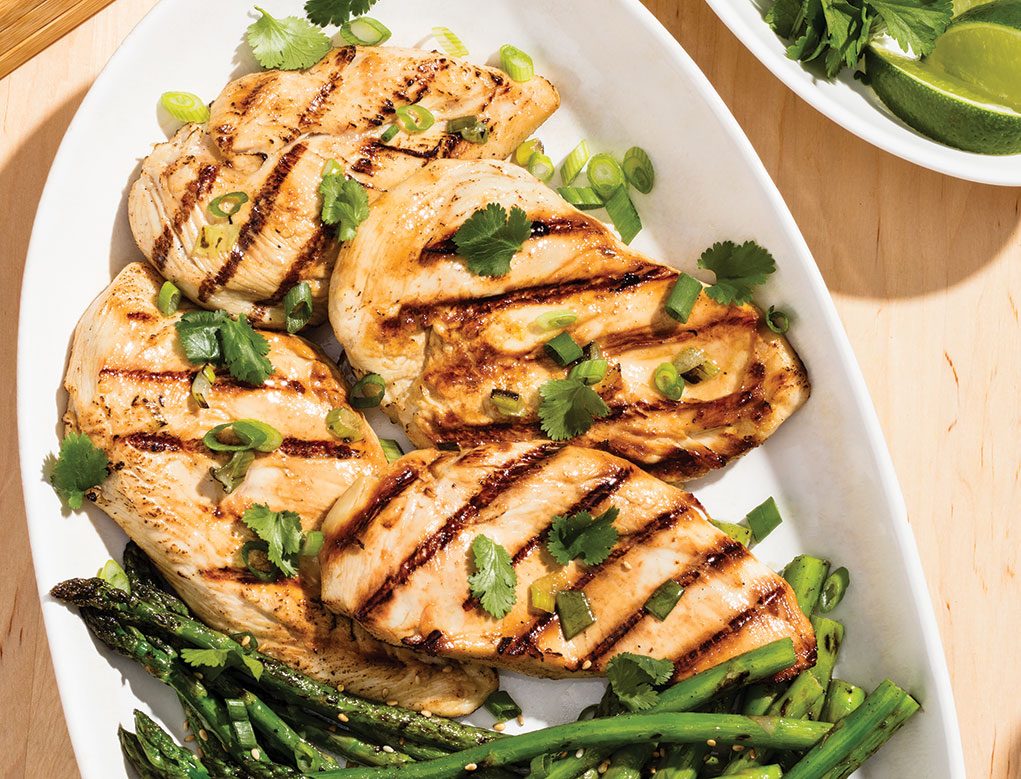
Chicken breast marinated in a bright honey lime mixture and grilled until juicy.
Why it works: A small amount of honey in the marinade adds flavor without turning this into a sugar-heavy dish.
10. Sheet Pan Cabbage Pizzas
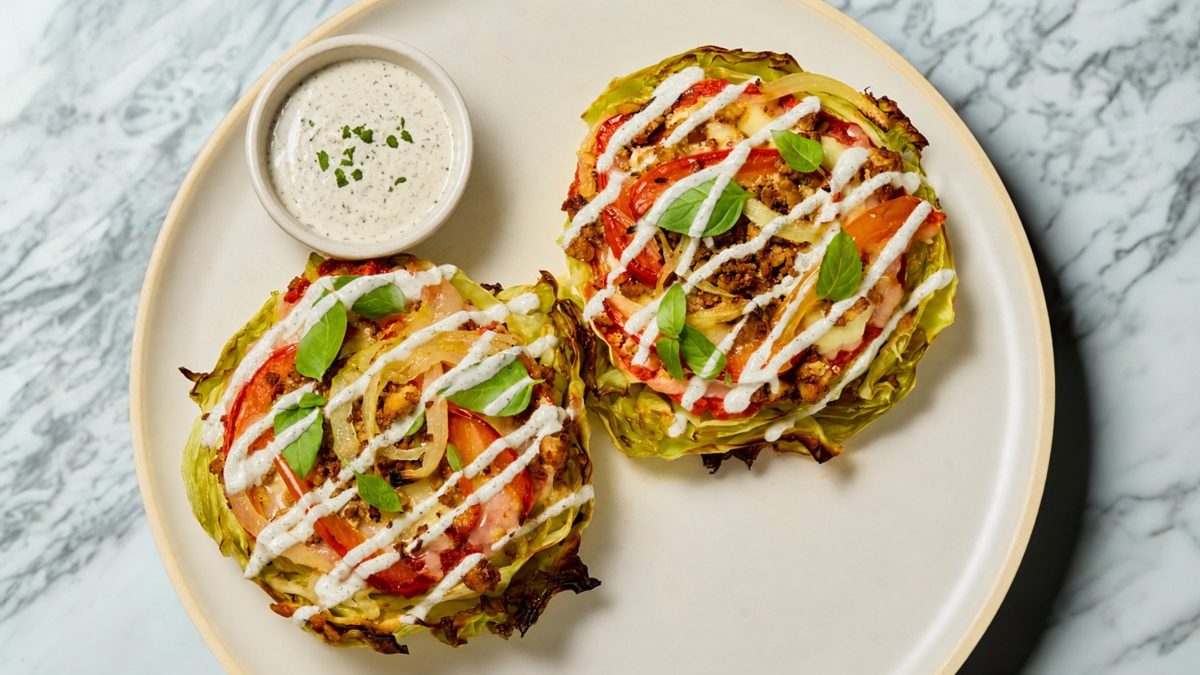
Thick cabbage steaks roasted until tender, then topped like mini pizzas with sauce, cheese, and vegetables.
Why it works: Cabbage stands in for a pizza crust, cutting the refined carbs way down while keeping pizza night fun.
11. Grilled Pepper Steak Tostada
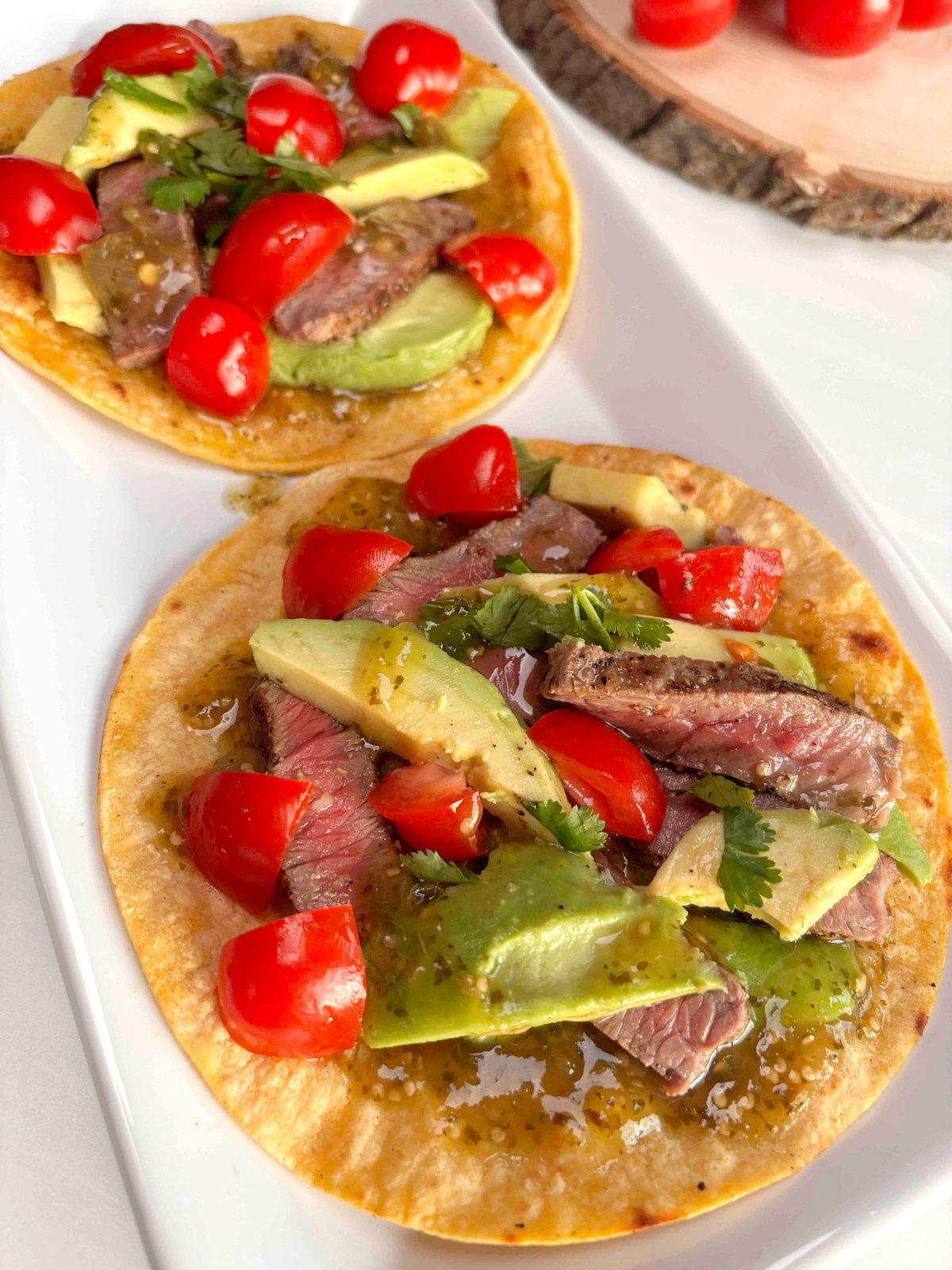
Grilled steak and peppers piled onto a crisp corn tostada with a little cheese and salsa.
Why it works: A single corn tostada carries far less carbohydrate than a flour tortilla or a full plate of rice.
12. Pan-Seared Salmon with Mushrooms and Rice
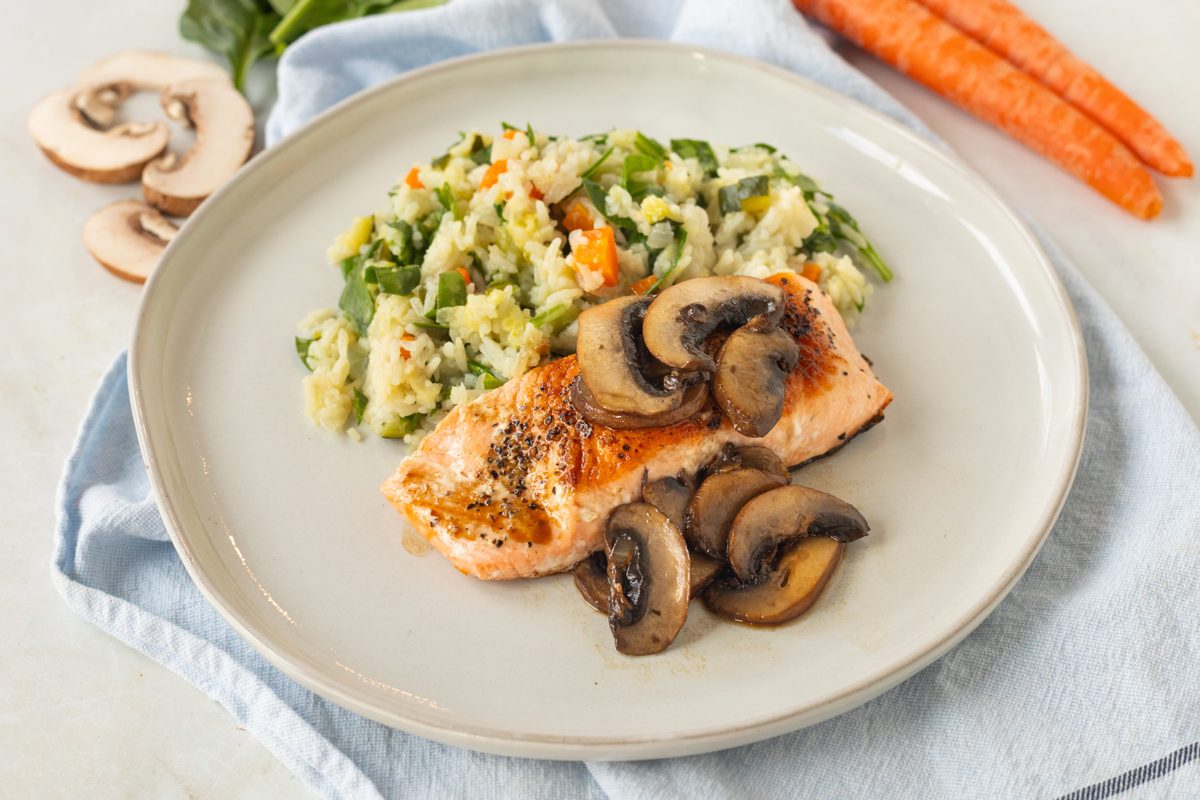
Salmon fillets seared until the skin turns crisp, served alongside sauteed mushrooms and a modest portion of rice.
Why it works: Salmon’s healthy fat and a controlled rice portion keep this dinner satisfying without a heavy carb load.
13. Turkey and Vegetable Stir-Fry
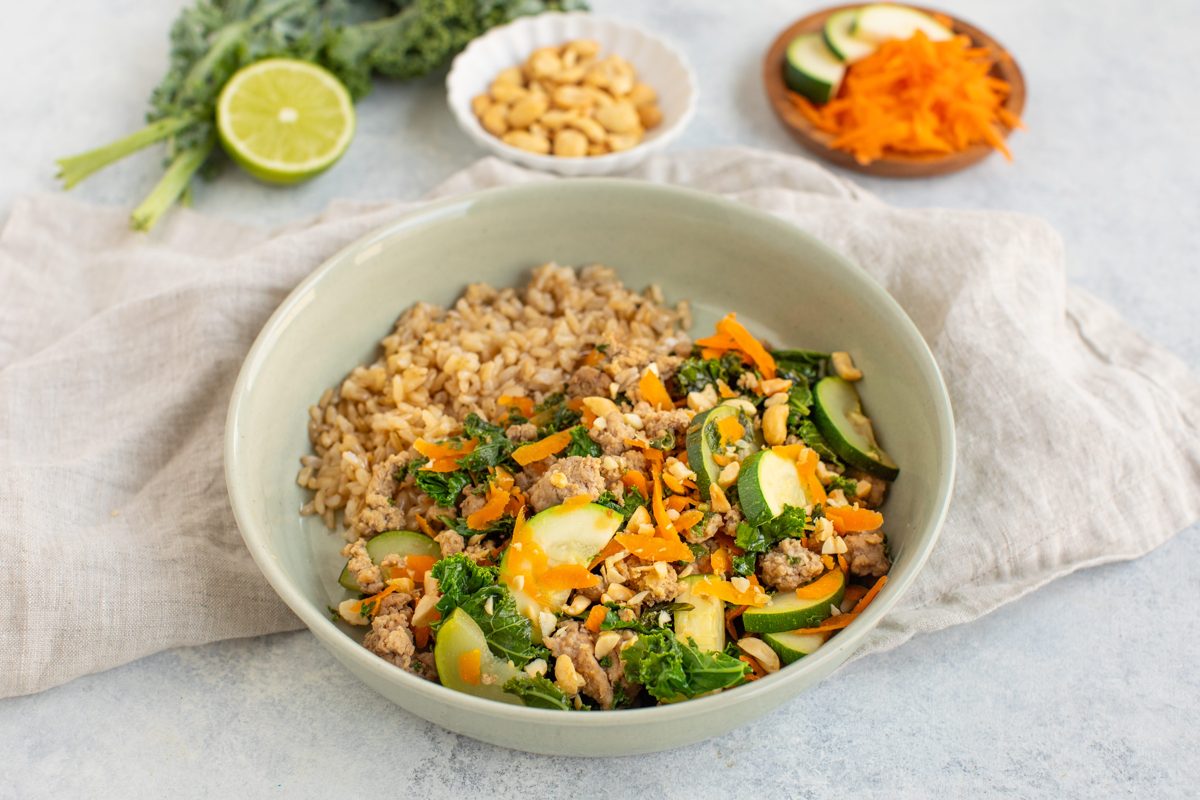
Ground turkey stir-fried with a colorful mix of vegetables in a savory sauce, ready in about 20 minutes.
Why it works: Lean ground turkey and a vegetable-heavy ratio keep this dish naturally low in carbohydrate.
14. Sheet Pan Chicken with Brussels Sprouts and Apple
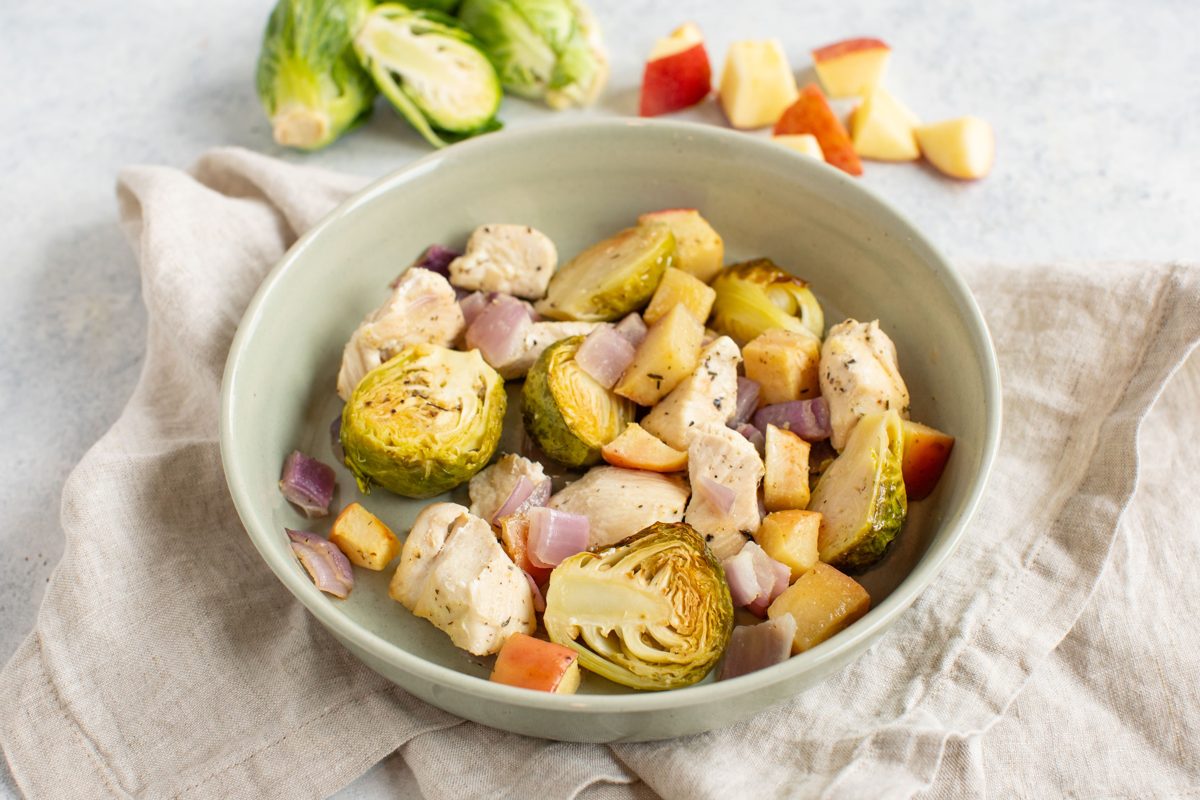
Chicken thighs roasted on one sheet pan with Brussels sprouts and apple slices for a hands-off fall dinner.
Why it works: Apple is used in modest amounts alongside plenty of Brussels sprouts, keeping the carb count reasonable.
15. Chickpea Pasta Primavera
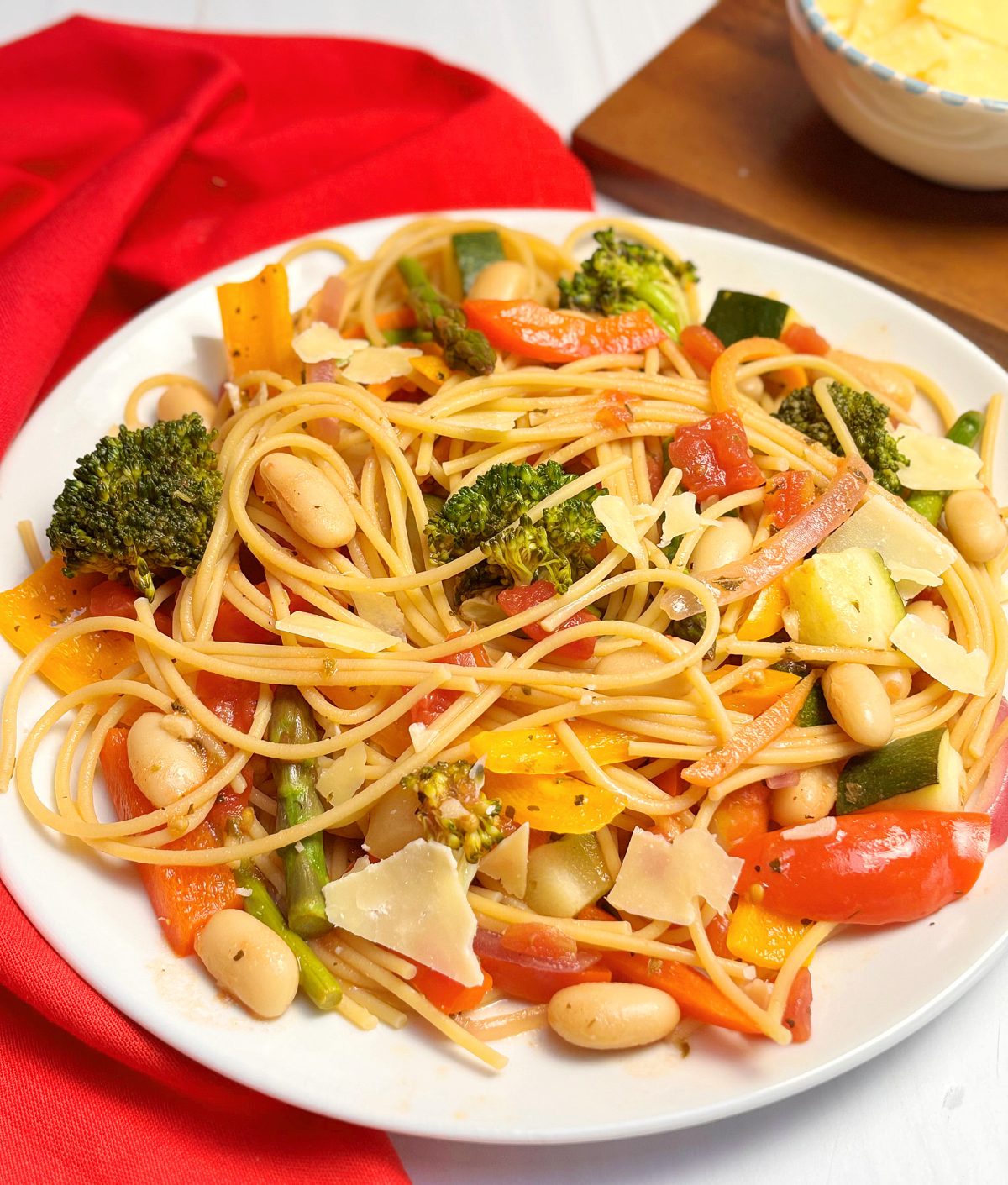
Chickpea-based pasta tossed with a rainbow of spring vegetables in a light garlic and olive oil sauce.
Why it works: Chickpea pasta sits meaningfully lower on the glycemic index than regular pasta thanks to its fiber and protein.
16. Salmon and Wheat Berry Pesto Salad
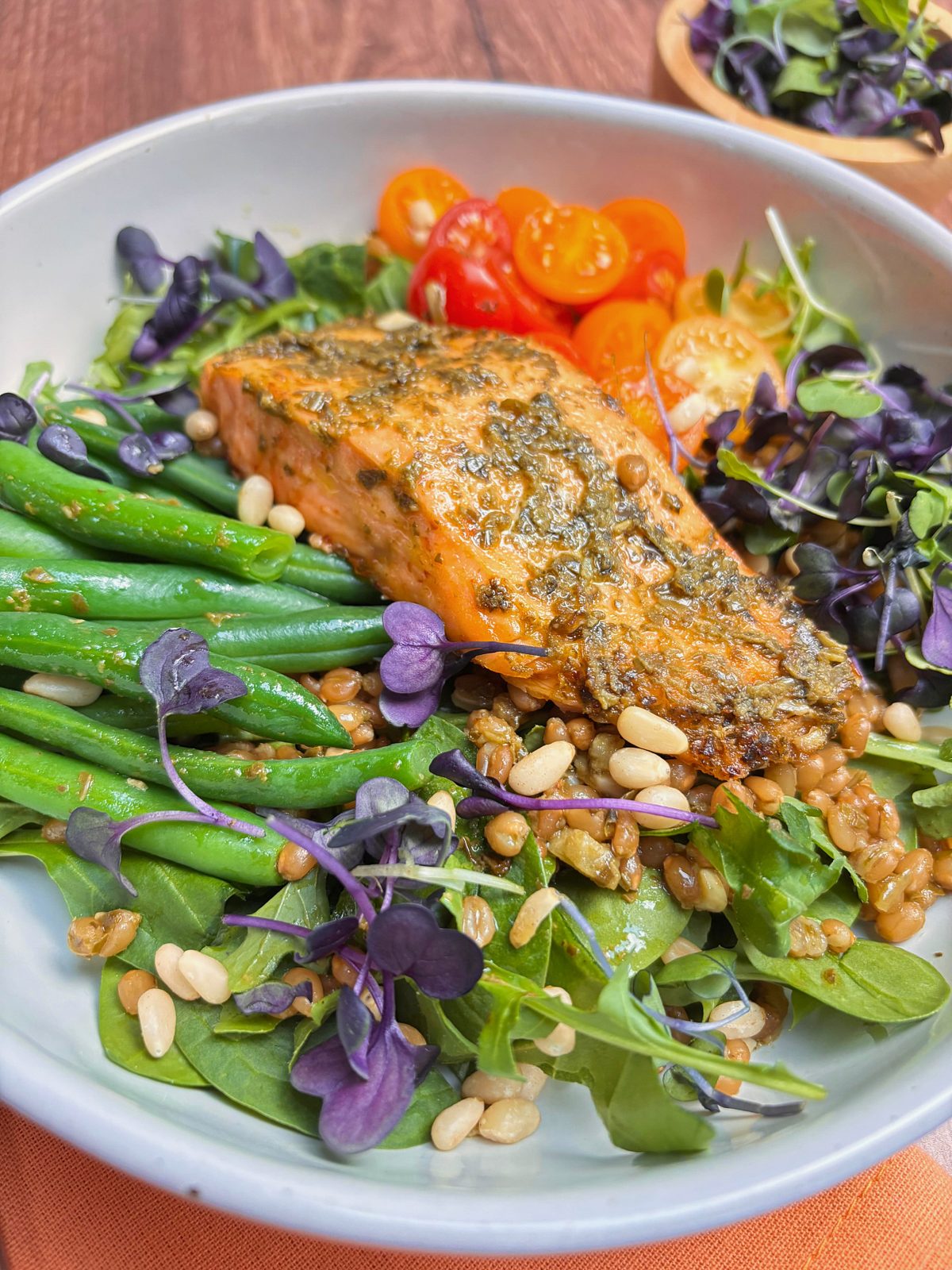
Flaked salmon tossed with chewy wheat berries, greens, and a bright basil pesto dressing.
Why it works: Wheat berries bring more fiber than a refined grain, and the salmon adds protein and healthy fat.
17. Serbian Stuffed Cabbage Rolls

Lean ground beef and rice wrapped in tender cabbage leaves and simmered in a savory tomato broth.
Why it works: Cabbage stands in for a heavier starch, and each roll is naturally portioned for easier balance.
18. Eggplant Meatballs with Zucchini Noodles
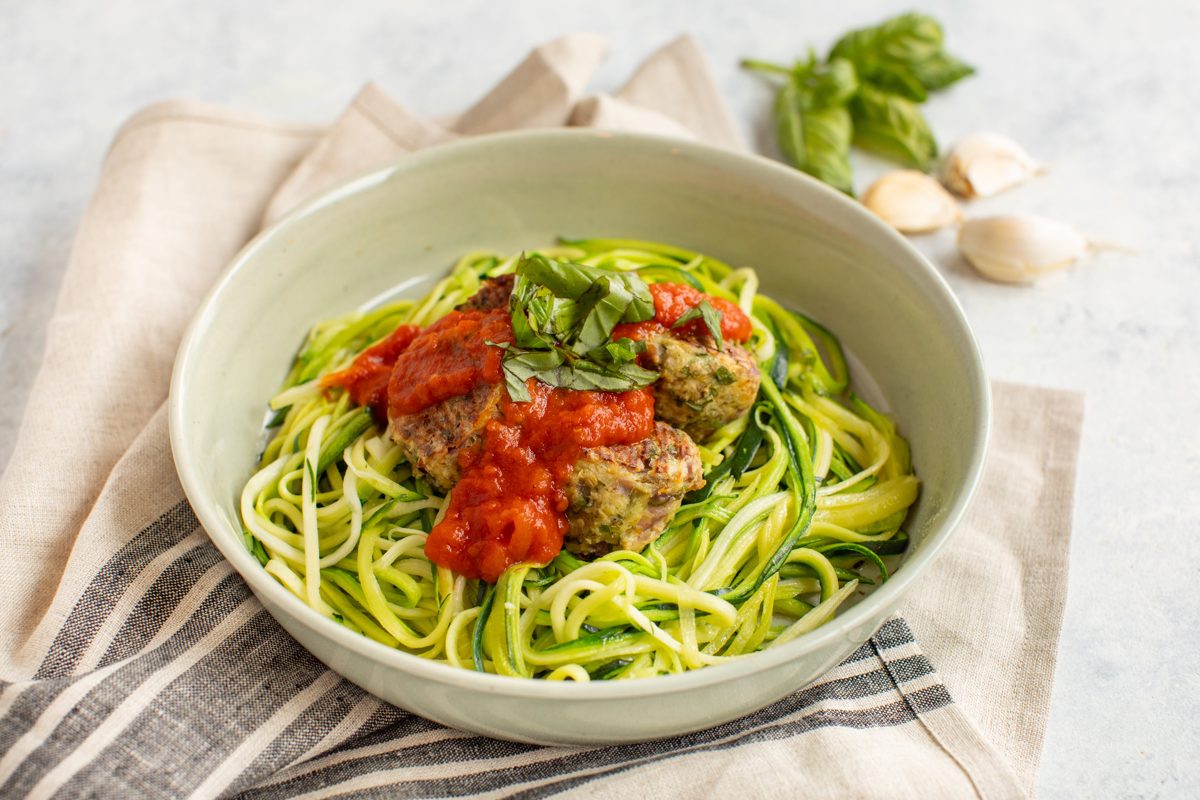
Savory eggplant-based meatballs served over spiralized zucchini noodles with a simple marinara.
Why it works: Zucchini noodles replace the pasta entirely, cutting the carbs way down while keeping the comfort food feel.
19. Chicken Shawarma Collard Wraps
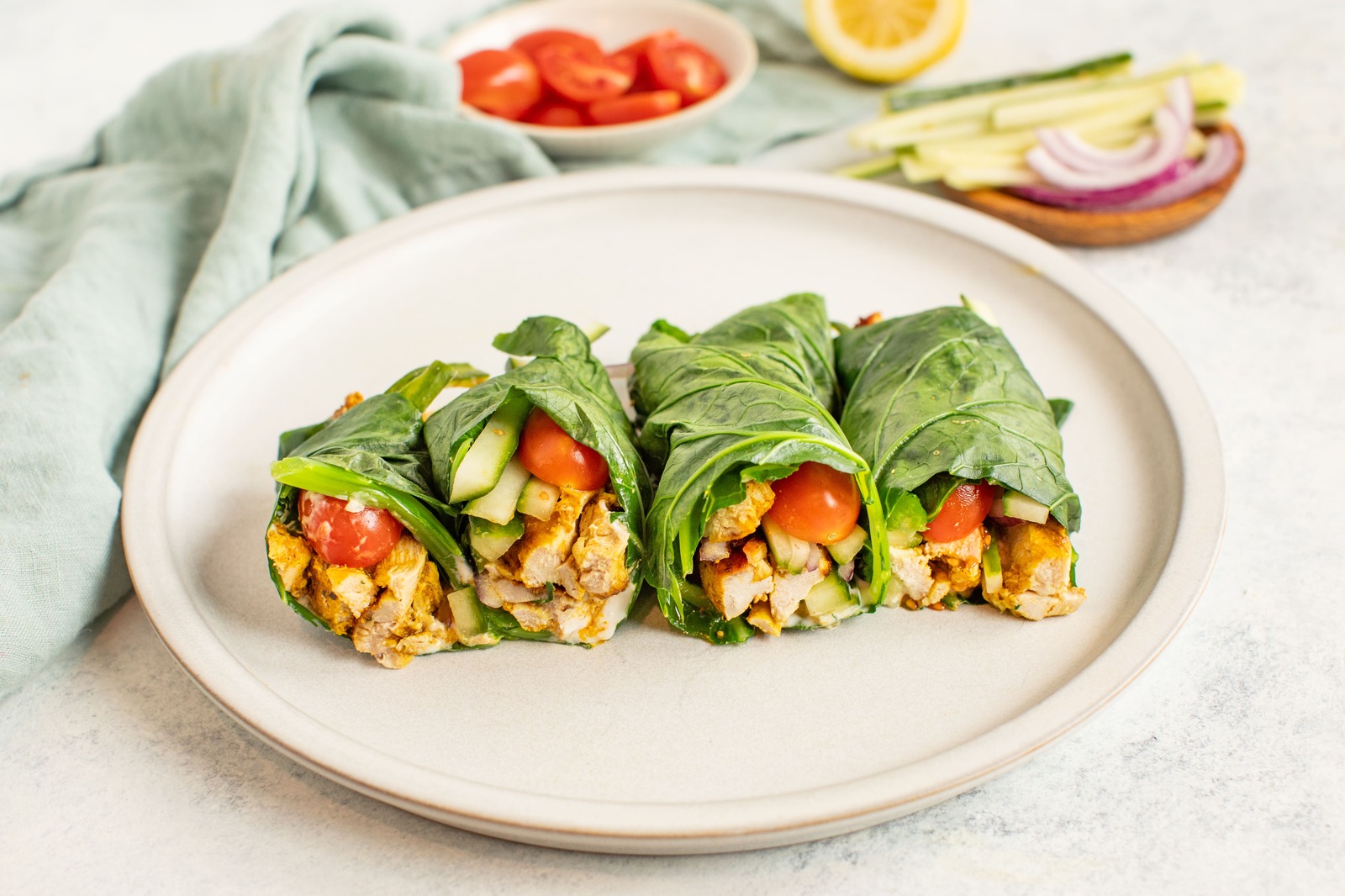
Warmly spiced chicken shawarma wrapped in crisp collard greens instead of pita or a tortilla.
Why it works: Collard greens cut the refined carbs way down compared with a traditional wrap while keeping all the flavor.
20. Easy Beef Chili
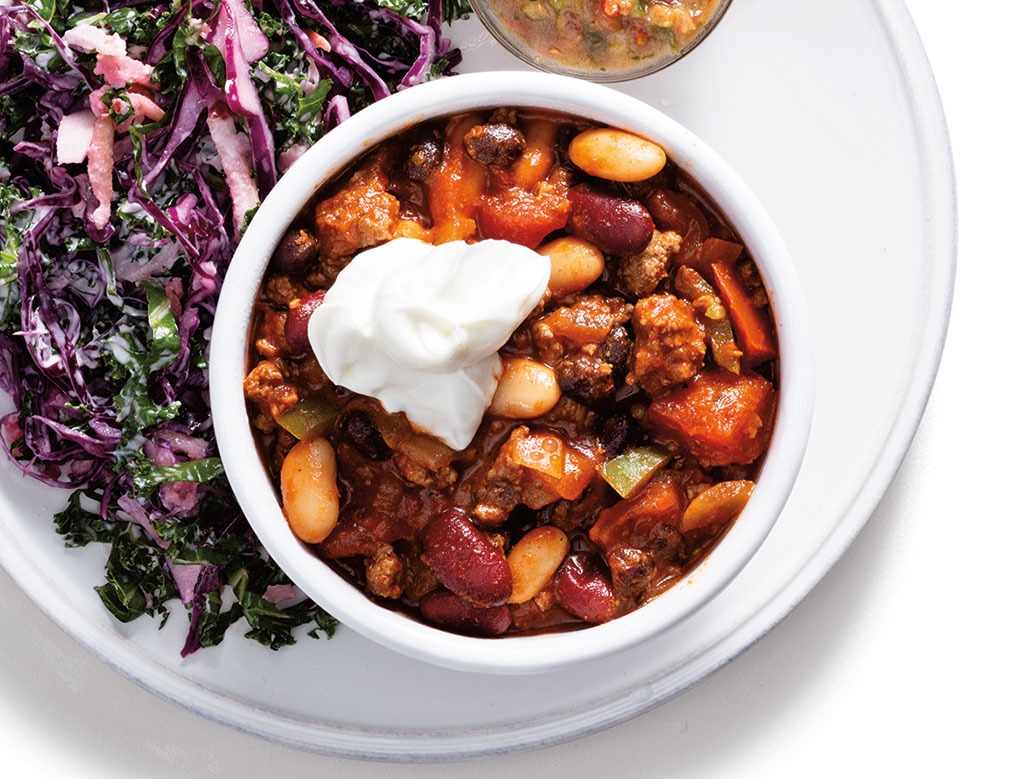
Lean ground beef simmered with 3 kinds of beans, fire-roasted tomatoes, and warm chili spices.
Why it works: Beans bring fiber and plant protein alongside the beef, helping soften the overall blood sugar impact.
21. Classic Meatloaf
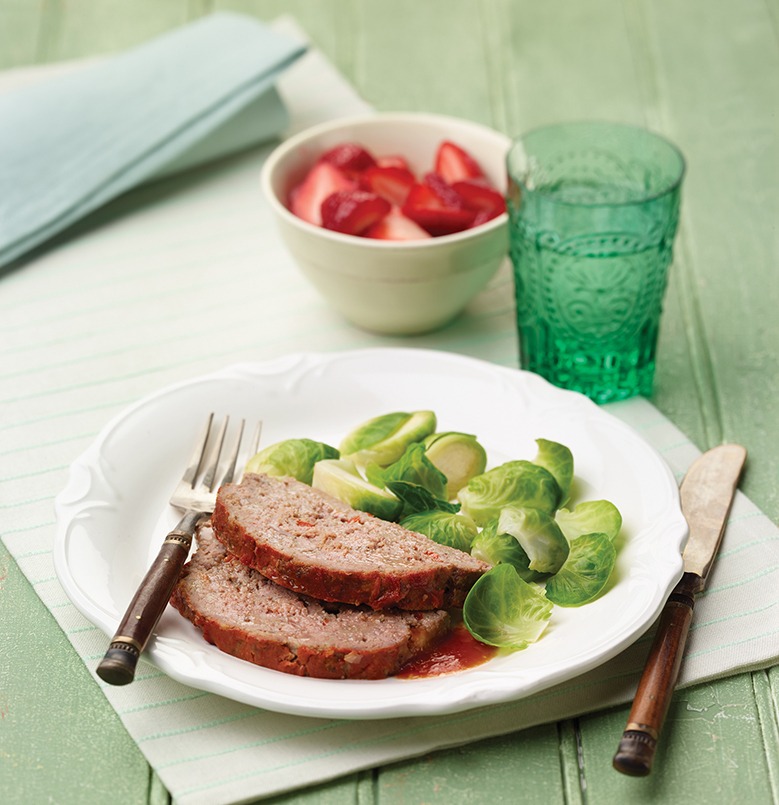
A traditional oblong meatloaf made with lean ground beef, whole wheat panko breadcrumbs, and a tangy glaze.
Why it works: Lean beef and whole wheat breadcrumbs keep this classic dish lighter and higher in fiber than usual.
22. Beef and Broccoli Stir-Fry
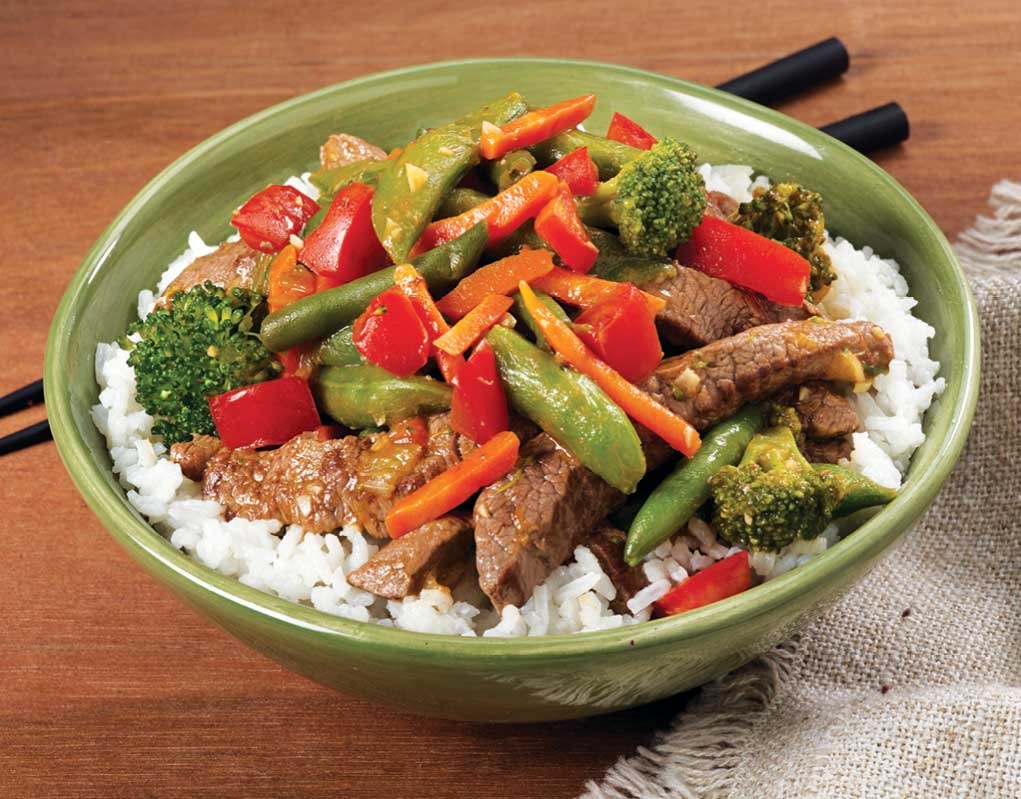
Lean beef and a colorful broccoli vegetable blend stir-fried in a savory sauce, served over a modest portion of rice.
Why it works: A vegetable-heavy stir-fry with a controlled rice portion keeps this meal more balanced than takeout.
23. Greek Pita Pizzas
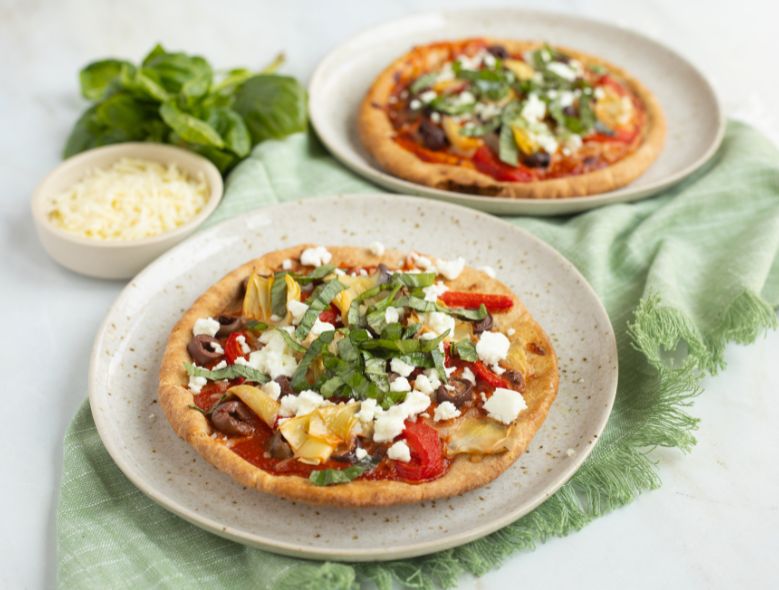
Whole wheat pita topped with tomato, olives, feta, and spinach, baked until crisp at the edges.
Why it works: A whole wheat base and a heavy dose of vegetables make this a lower glycemic twist on pizza night.
24. Ham and Broccoli Casserole

Diced ham and broccoli baked in a light cheese sauce for a cozy, hands-off dinner casserole.
Why it works: Broccoli makes up most of the volume here, keeping the carb count reasonable for a casserole-style meal.
25. Slow Cooker Pork and Pumpkin Stew

Cubed pork simmered low and slow with fresh pumpkin, carrots, and black beans in a warmly spiced broth.
Why it works: Pumpkin brings fiber along with natural sweetness, and black beans add plant protein for a steadier meal.
The Bottom Line
Dinner does not have to be complicated to be blood sugar-friendly. Rotate a few of these 25 ideas into your week, and weeknight cooking gets a lot less stressful.
Still confused about what to eat with type 2 diabetes or prediabetes? Get the free Type 2 Clarity Kit from Type 2 Made Simple. It helps you understand what your diagnosis means, what to eat first, what numbers to track, and what to ask your doctor next, all in plain English.
Frequently Asked Questions
What makes a dinner diabetic-friendly?
A dinner built around lean protein, fiber-rich vegetables, and a modest, controlled portion of carbohydrate, similar to the plate method used by many healthcare providers.
Can I still eat pasta or rice with type 2 diabetes?
Yes, in a controlled portion, especially paired with protein and vegetables. Whole grain or bean-based versions bring extra fiber.
Are these recipes good for the whole family?
Yes, most of these are familiar, approachable dishes that do not taste like a diet meal, so they work well for a household with mixed needs.
How can I make weeknight dinners faster?
Prepping proteins or chopping vegetables ahead of time, and leaning on sheet pan or one-pot recipes, both cut down on weeknight cooking time.
Is red meat okay for someone with diabetes?
Yes, in reasonable portions and leaner cuts. Pairing it with vegetables and watching portion size matters more than avoiding it entirely.
What if I do not like a listed recipe?
Use the general pattern, lean protein plus vegetables plus a modest smart carb, to build your own version with foods you enjoy.
This article is for general education only and is not medical advice. Always talk with your healthcare provider or a registered dietitian before making major changes to your diet, medication, or diabetes care plan.