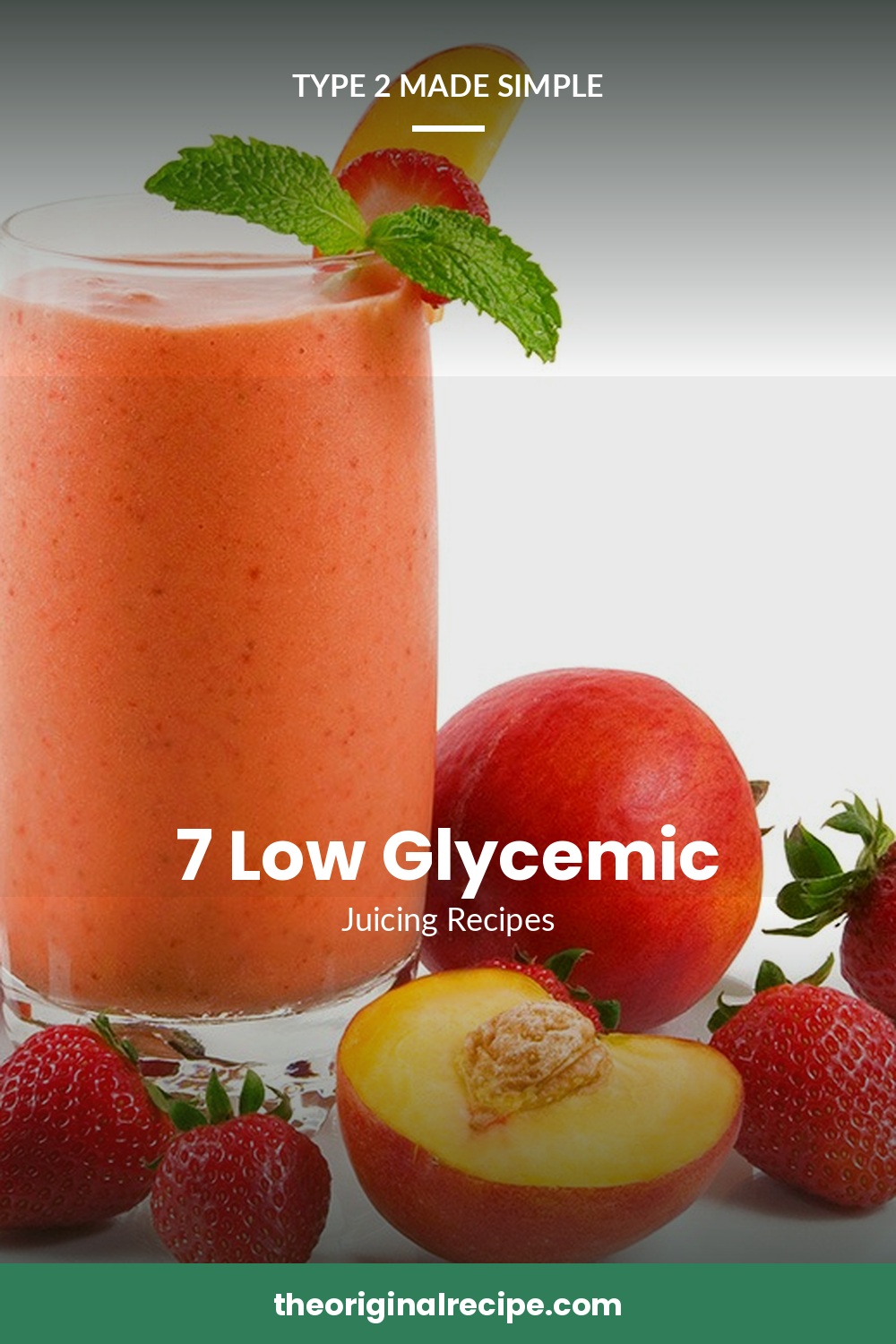
7 Low Glycemic Juicing Recipes That Won’t Spike Blood Sugar

Traditional fruit juice, even the freshly squeezed kind, removes the fiber that whole fruit naturally has and concentrates the sugar into a small glass. A single glass of apple or orange juice can carry as much sugar as 3 or 4 whole pieces of fruit.
These 7 recipes take a gentler approach, infusing water with small amounts of real fruit or blending the whole fruit instead of extracting just the sugary liquid, so you get flavor without the concentrated sugar hit.
These are general meal ideas. Always follow your healthcare provider’s guidance for your specific needs.
Why Traditional Juicing Is Tough on Blood Sugar
A juicer removes the pulp and fiber from fruit and vegetables, leaving behind just the liquid, sugar included. Without fiber to slow things down, that sugar reaches your bloodstream fast, which is why a glass of juice can spike blood sugar in a way a piece of whole fruit typically will not.
It also takes a surprising amount of fruit to make a single glass of juice, often 3 or more oranges for one cup, which means you are getting a concentrated dose of sugar without the fiber that would normally come along with eating that much fruit.
Quick Tips for Lower Glycemic Juice-Style Drinks
- Infuse water with fruit instead of juicing it, which uses far less fruit per serving.
- Blend whole fruit rather than juicing it, to keep the natural fiber intact.
- Lean on vegetables like cucumber over fruit when you want the lowest sugar option.
- Watch portion size even with a homemade version, since flavor can be added with a small amount of fruit.
1. Cucumber Lemon Water

Sliced cucumber and lemon steeped in cold water for a light, refreshing drink with barely any calories or carbohydrate at all. A great everyday alternative to juice.
Why it works: Virtually no sugar or carbohydrate, this is one of the gentlest options on this list for blood sugar, while still feeling more special than plain water.
Best for everyday hydration
2. Pineapple Mint Water
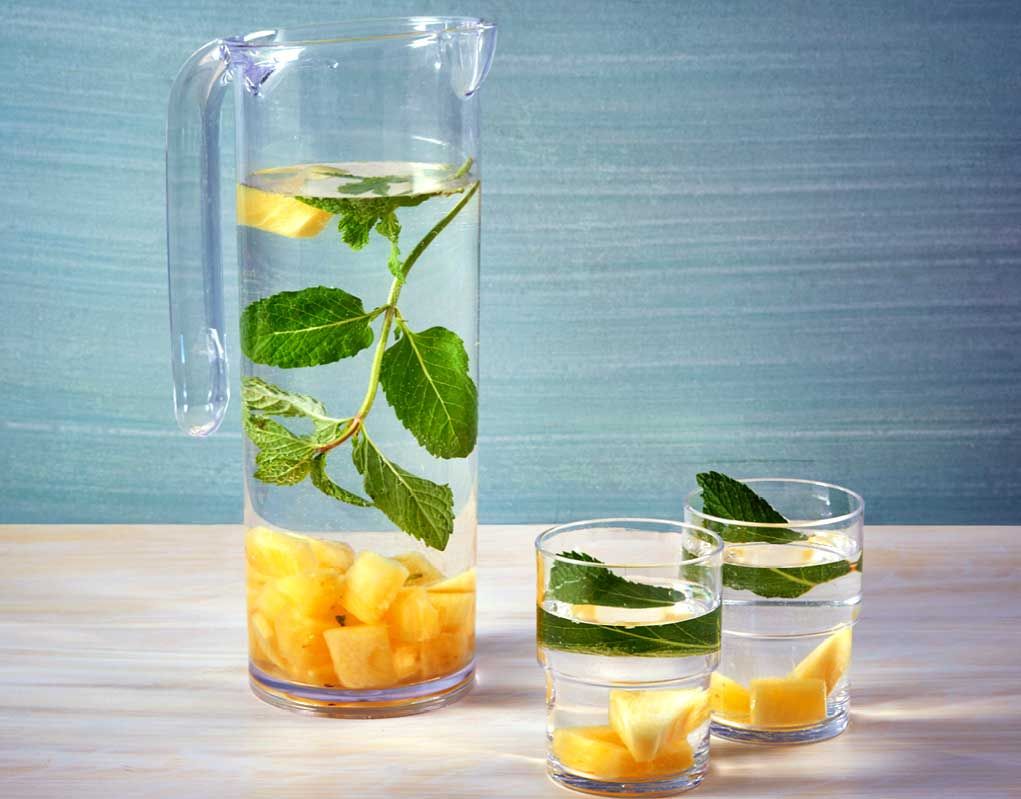
A few chunks of fresh pineapple and mint leaves steeped in cold water, giving it a light tropical flavor without the sugar of actual pineapple juice.
Why it works: Infusing water with fruit instead of juicing it keeps the sugar content far lower, since only a small amount of natural sugar leaches into the water.
Best for a tropical-flavored refresher
3. Watermelon Rosemary Water
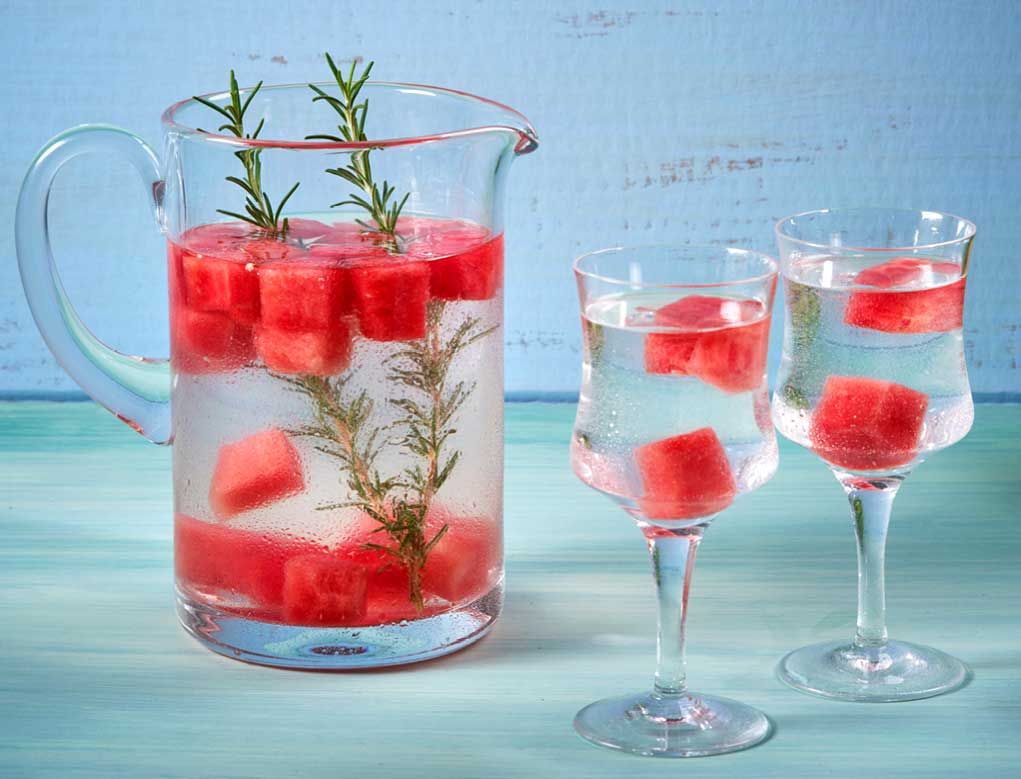
Fresh watermelon and a sprig of rosemary steeped in cold water for an unexpectedly elegant, herby drink. A nice change of pace from plain fruit water.
Why it works: Like other infused waters, this carries a fraction of the sugar you would get from a glass of actual watermelon juice.
Best for entertaining guests
4. Strawberry Kiwi Spritzer
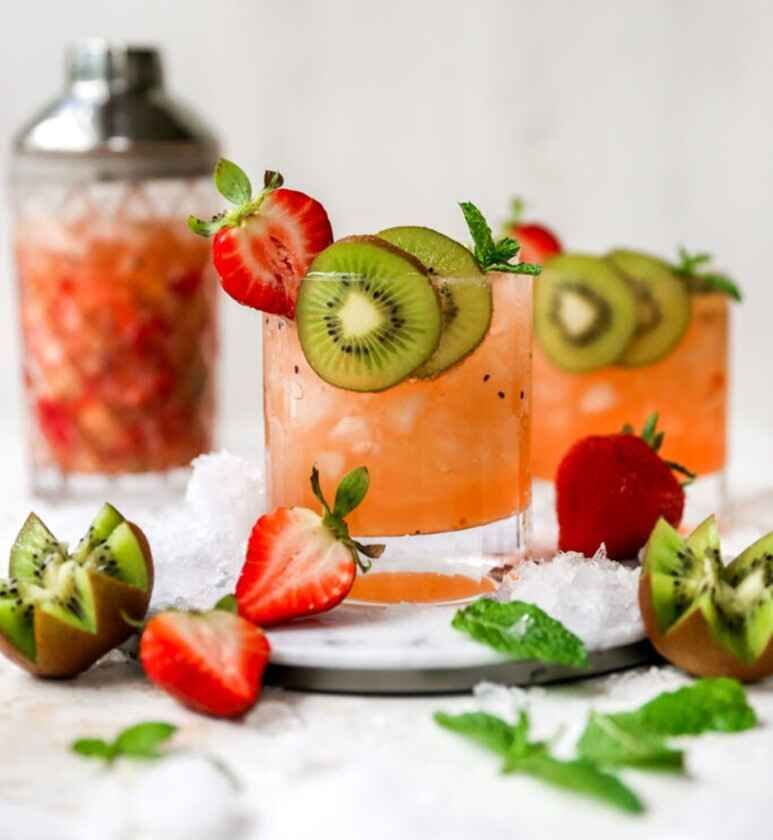
Muddled strawberries and kiwi topped with sparkling water for a fizzy, fruity drink with a fraction of the sugar of a bottled juice or soda.
Why it works: Using whole muddled fruit in a small amount, rather than juicing a large quantity of fruit, keeps the sugar content in check.
Best for a fizzy juice alternative
5. Sparkling Strawberry Mint Water
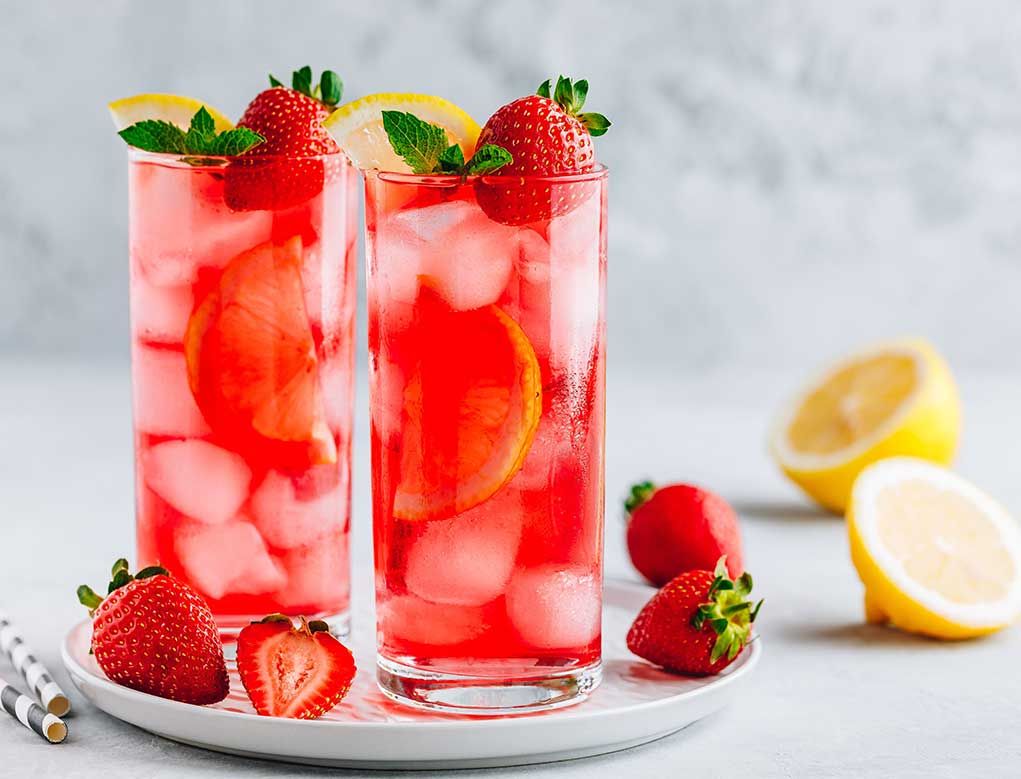
Muddled strawberries and fresh mint topped with sparkling water for a bright, bubbly drink that feels a little celebratory.
Why it works: A small amount of muddled fruit, rather than a full glass of juiced fruit, keeps this drink much lower in sugar than traditional juice.
Best for a low sugar celebratory drink
6. Watermelon Lime Slushie
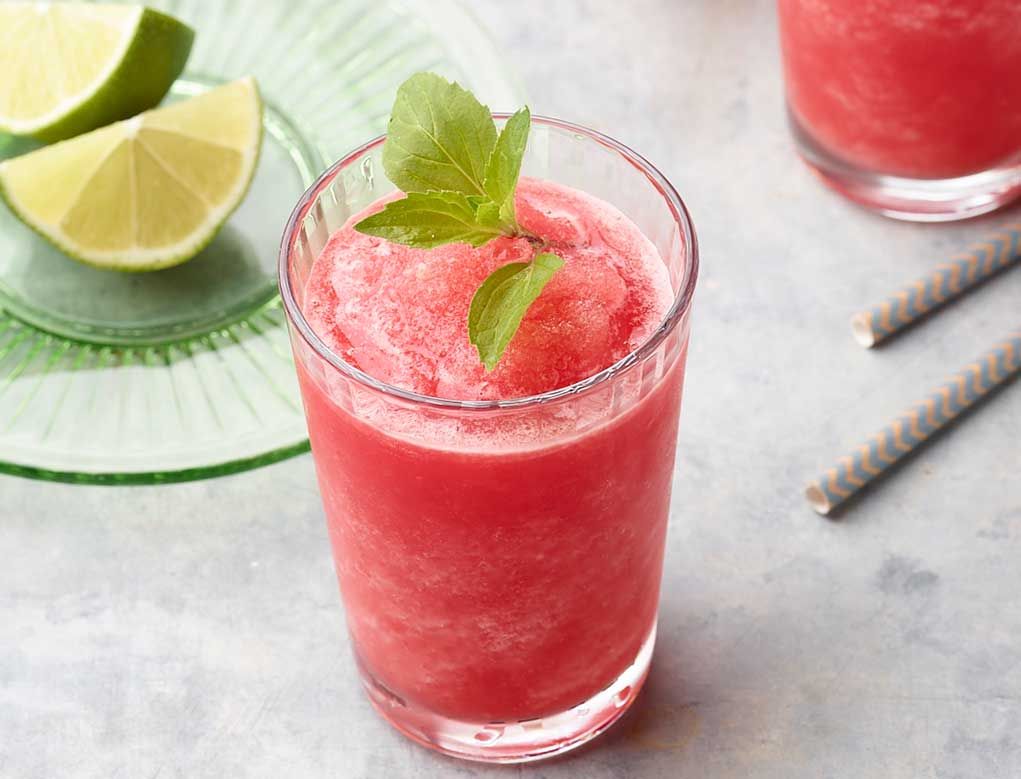
Blended watermelon and lime with ice for a frosty, refreshing slushie that uses the whole fruit instead of just the juiced-out liquid.
Why it works: Blending the whole fruit keeps the natural fiber intact, unlike a traditional juicer, which slows down how fast the sugar reaches your bloodstream.
Best for a hot day treat
7. Almond Milk Cooler
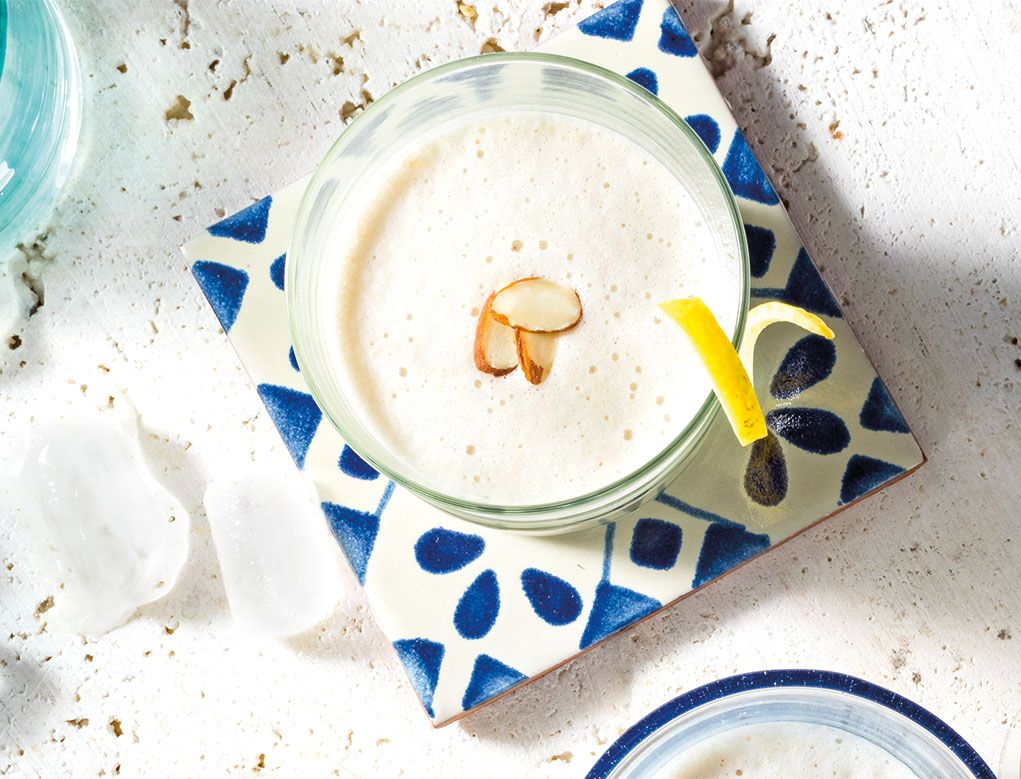
A lightly sweetened almond milk drink served over ice, with a hint of vanilla. A creamy, low sugar alternative to a juice bar-style drink.
Why it works: Unsweetened almond milk carries far less sugar than a fruit juice blend, making this a gentler choice for blood sugar.
Best for a creamy, low sugar drink
Juice vs. Infused Water vs. Whole Fruit Blends
| Style | Sugar Impact |
|---|---|
| Traditional fruit juice | Highest, concentrated sugar with no fiber |
| Whole fruit blended into a drink | Moderate, fiber stays intact and slows digestion |
| Fruit-infused water | Lowest, only a small amount of natural sugar leaches into the water |
If You Still Want to Use a Juicer
If you already own a juicer and enjoy using it, leaning heavily on vegetables, cucumber, celery, and leafy greens, with just a small amount of fruit for flavor, keeps the sugar content much lower than an all-fruit juice blend.
Drinking juice alongside a source of protein or fat, rather than on an empty stomach, can also help soften the overall blood sugar response, though it does not eliminate the impact of the concentrated sugar entirely.
Making a Batch Ahead of Time
Most of these infused waters and drinks hold up well in the fridge for a day or two, which makes them easy to prep in a big pitcher at the start of the week rather than making a fresh glass every time.
The fruit itself softens the longer it sits in water, so straining it out after a day keeps the drink tasting its best, though the water is still perfectly fine to drink beyond that point.
Reading Bottled Juice Labels
If you do buy bottled juice occasionally, checking the label for 100 percent juice versus a juice blend with added sugar makes a real difference. Even 100 percent juice still carries a concentrated dose of natural sugar, so a smaller serving size, closer to half a cup, is a reasonable way to enjoy it without a heavy blood sugar impact.
The Bottom Line
Traditional fruit juice tends to be one of the tougher choices for blood sugar, simply because it removes the fiber that would normally slow sugar absorption down. These 7 recipes give you the flavor of juicing without that same concentrated sugar hit.
Still confused about what to eat with type 2 diabetes or prediabetes? Get the free Type 2 Clarity Kit from Type 2 Made Simple. It helps you understand what your diagnosis means, what to eat first, what numbers to track, and what to ask your doctor next, all in plain English.
Frequently Asked Questions
Is fruit juice bad for blood sugar?
It can raise blood sugar quickly since it removes the fiber found in whole fruit and concentrates the natural sugar into a small glass.
Is fruit-infused water a good alternative to juice?
Yes, it gives you a hint of fruit flavor with only a small amount of natural sugar leaching into the water.
Can I still use my juicer occasionally?
Yes, leaning heavily on vegetables with just a small amount of fruit for flavor is a reasonable way to use a juicer while keeping sugar lower.
Is blending fruit better than juicing it?
Generally yes, since blending keeps the fiber intact, which slows down how fast the natural sugar reaches your bloodstream.
How much fruit is actually in a typical glass of juice?
Often 3 or more pieces of fruit go into a single glass of juice, which is a lot more sugar than most people would eat if they ate the whole fruit instead.
Are vegetable juices better than fruit juices for blood sugar?
Generally yes, since vegetables carry much less natural sugar than fruit, making a vegetable-heavy juice a gentler option.
How long does homemade infused water last in the fridge?
Most versions taste best within 1 to 2 days, though straining out the fruit helps the water keep a little longer.
Is sparkling water a good base for these drinks?
Yes, plain sparkling water adds a fun fizz without any added sugar, making it a solid base for muddled fruit drinks.
This article is for general education only and is not medical advice. Always talk with your healthcare provider or a registered dietitian before making major changes to your diet, medication, or diabetes care plan.