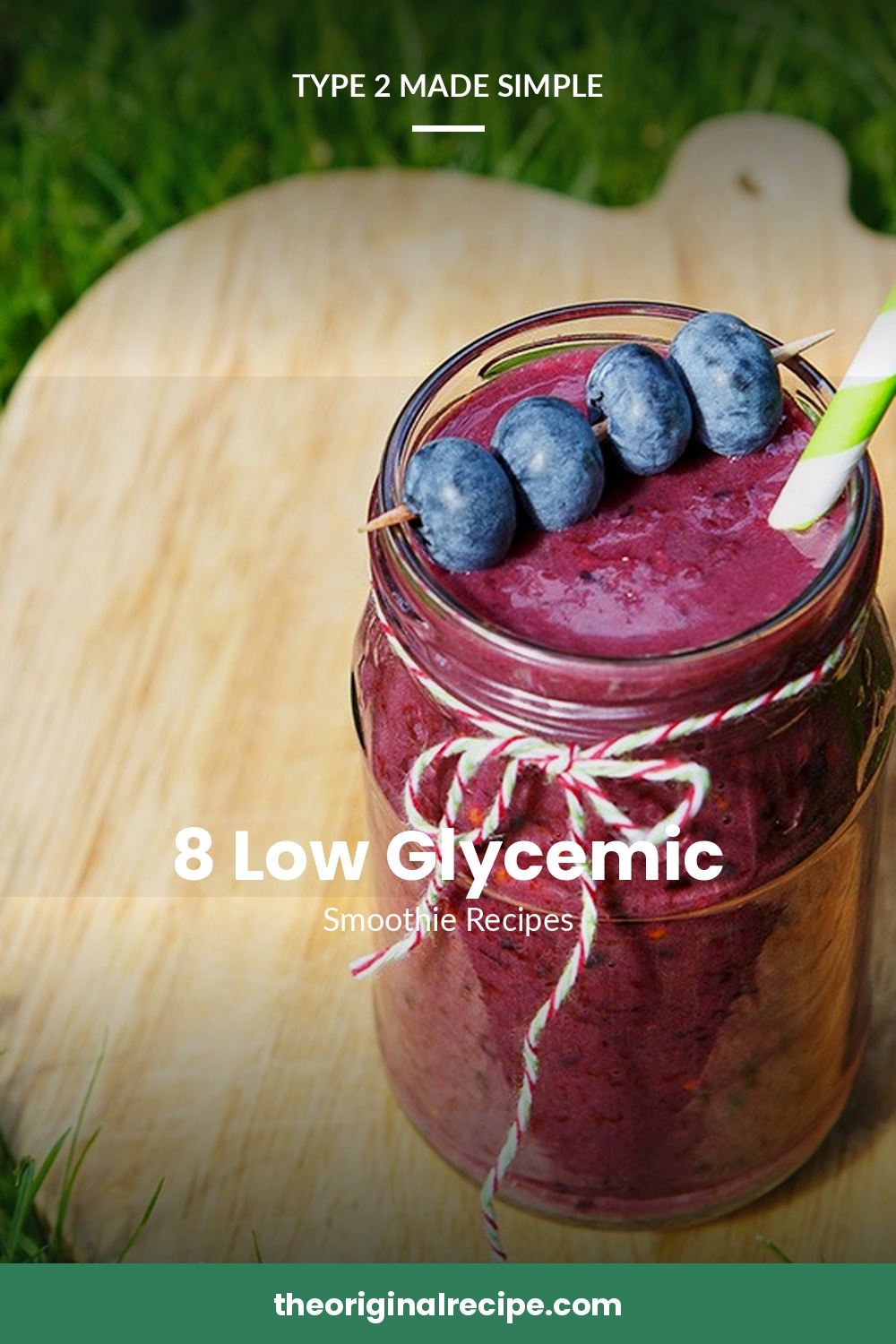
8 Low Glycemic Smoothie Recipes That Won’t Spike Blood Sugar

A smoothie sounds like a healthy choice, until you check the label on some bottled versions and see 40 or 50 grams of carbs in one cup, mostly from juice concentrate and added sugar.
A homemade smoothie built the right way is a different story. Here are 8 recipes that lean on whole fruit, protein, and healthy fat, instead of juice and syrup, to keep things steadier.
These are general meal ideas. Always follow your healthcare provider’s guidance for your specific needs.
Why Some Smoothies Spike Blood Sugar and Others Don’t
Two smoothies can look nearly identical in a glass and behave completely differently in your body. The difference usually comes down to three things, whether the base is whole fruit or juice, how much protein and fat are in the mix, and how much added sugar snuck in.
Juice removes the fiber that whole fruit naturally has, which means the sugar hits your bloodstream faster. Protein and fat, on the other hand, slow that process down, which is why a smoothie with Greek yogurt or nut butter tends to feel steadier than one made with just fruit and juice.
Quick Tips for a Lower Glycemic Smoothie
- Use whole fruit, fresh or frozen, instead of fruit juice as the base.
- Add a protein source, Greek yogurt, tofu, protein powder, or nut butter.
- Watch portion size, a smoothie can quietly turn into 3 or 4 servings of fruit in one glass.
- Add greens like spinach, they barely change the flavor but add fiber and nutrients.
1. Fruit and Almond Smoothie

Frozen strawberries and peaches blended with Greek yogurt and unsweetened almond milk into a thick, cold smoothie. Almond milk keeps this noticeably lower in carbs than one made with regular milk.
Why it works: Greek yogurt brings protein to what would otherwise be an all-fruit drink, which helps keep the blood sugar response gentler.
Best for a quick breakfast on the go
2. Superfood Smoothie
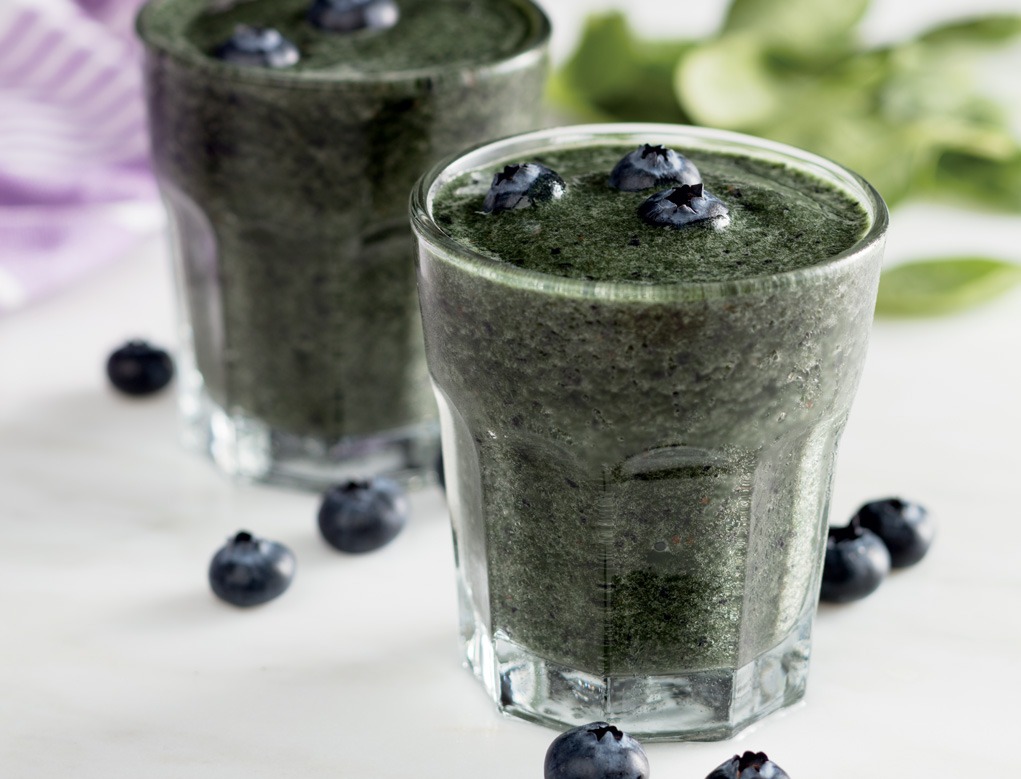
Blueberries, baby spinach, banana, and almond milk blended into a bright purple-green smoothie. The spinach barely changes the flavor but adds real nutrition to the glass.
Why it works: Fiber from the fruit and spinach slows how fast the natural sugars hit your bloodstream, compared with juice made from the same fruit.
Best for sneaking in extra vegetables
3. Blueberry Green Tea Smoothie
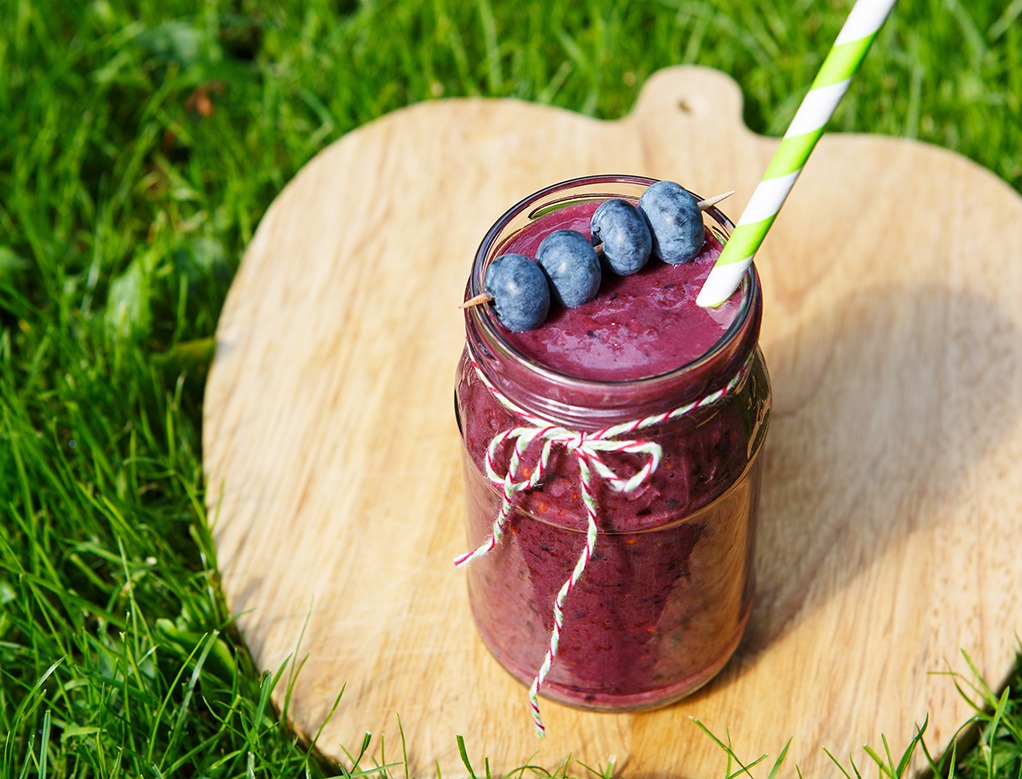
Blueberries, soft tofu, protein powder, and cashews blended with brewed green tea for a smoothie that genuinely holds you over. It has more of a milkshake texture than most fruit smoothies.
Why it works: Tofu and protein powder turn this into a real meal replacement, with enough protein to blunt the natural sugar in the blueberries.
Best for a meal-replacement smoothie
4. Moroccan Avocado Smoothie
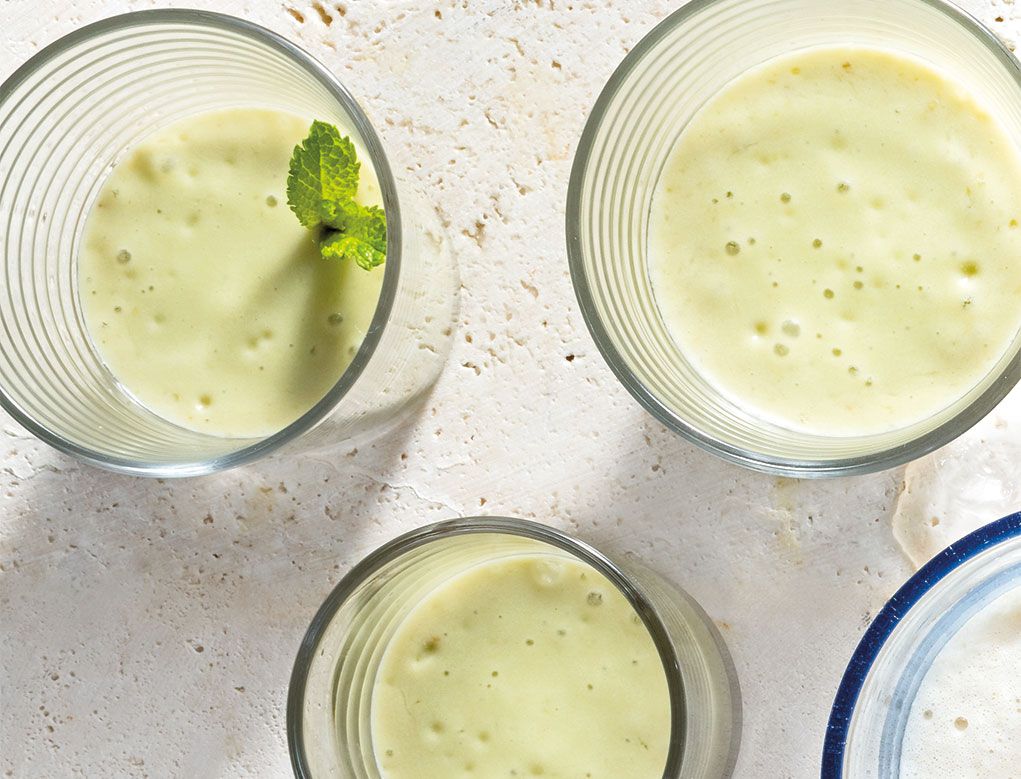
Avocado, banana, milk, and ice blended into a rich, creamy smoothie inspired by a traditional Moroccan drink. The avocado gives it a thickness closer to a milkshake than a typical fruit smoothie.
Why it works: Avocado’s healthy fat slows digestion, which helps keep this smoothie from spiking blood sugar the way an all-fruit version would.
Best for a rich, filling smoothie
5. Almond Blueberry Flax Smoothie
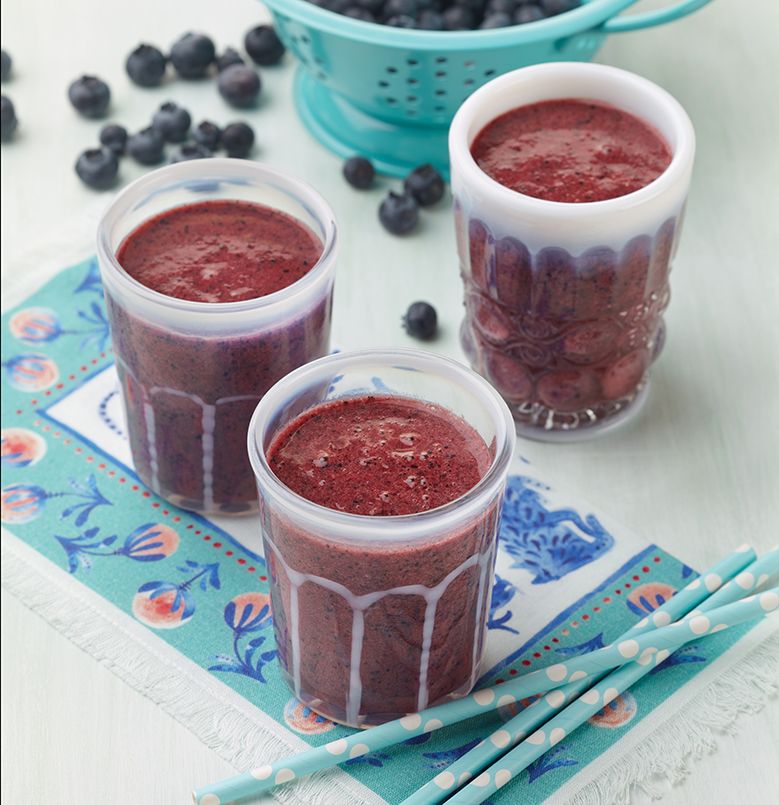
Blueberries blended with almond butter, ground flax, and unsweetened almond milk. The flax adds a subtle nutty flavor and a noticeable thickness to the finished smoothie.
Why it works: Flax and almond butter bring fiber and healthy fat, both of which slow digestion and support a steadier blood sugar response.
Best for extra fiber
6. Papaya Lassi
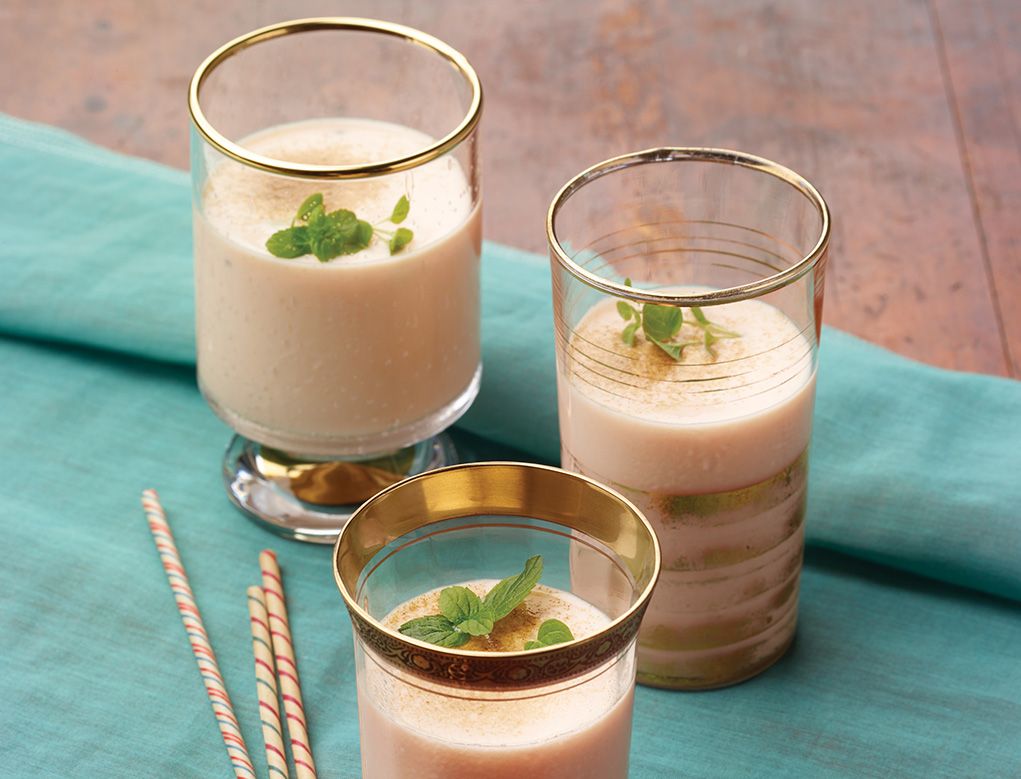
A creamy, lightly spiced yogurt drink made with ripe papaya, inspired by the classic Indian lassi. Cardamom or a touch of cinnamon adds warmth without needing added sugar.
Why it works: Plain yogurt brings protein and probiotics to this drink, keeping it more balanced than a papaya juice or all-fruit smoothie would be.
Best for a lighter, tangy smoothie
7. Blueberry Smoothie Bowl
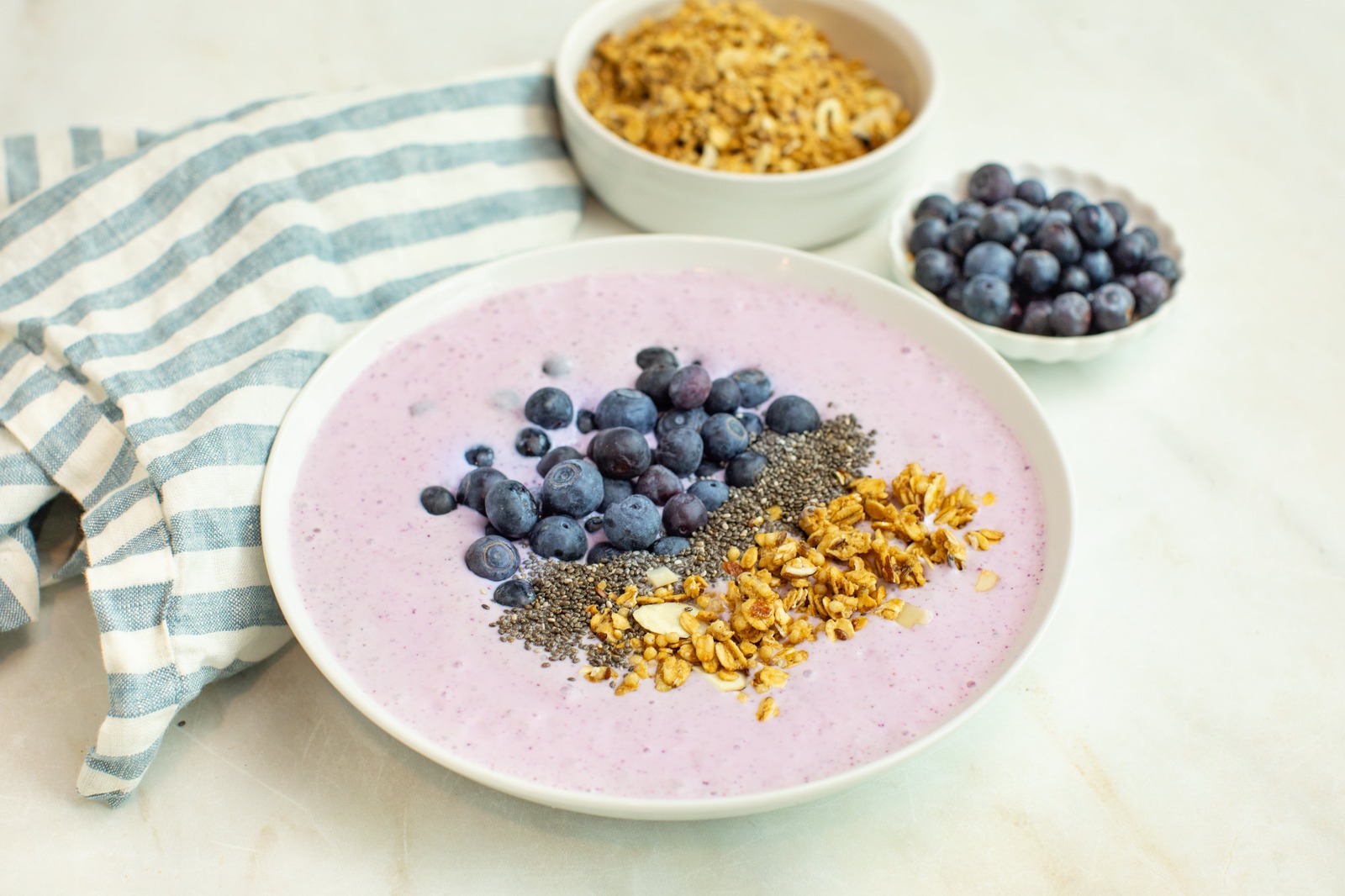
A thick blueberry smoothie served in a bowl and topped with a few nuts and seeds for crunch. Eating it with a spoon instead of drinking it through a straw tends to make it feel more like an actual meal.
Why it works: Nut and seed toppings add protein and fat on top of the fruit base, which helps round out the meal and slow digestion.
Best for a smoothie that eats like breakfast
Building a Balanced Smoothie From Scratch
If you want to build your own instead of following a recipe, a simple formula works well: one cup of whole fruit, a protein source, a liquid base like unsweetened almond milk, and ice.
Adding a spoonful of nut butter, ground flax, or chia seeds brings extra fiber and healthy fat without changing the flavor much, both of which help slow down how fast the natural sugar in the fruit reaches your bloodstream.
Juice vs. Whole Fruit in a Smoothie
| Higher Glycemic Choice | Lower Glycemic Swap |
|---|---|
| Fruit juice as the base | Whole fruit, fresh or frozen |
| Sweetened yogurt | Plain Greek yogurt |
| Added honey or syrup | A small amount of very ripe fruit for sweetness |
| Regular milk, large portion | Unsweetened almond milk |
When a Smoothie Works Better Than a Meal
A smoothie is genuinely convenient on a rushed morning, but it is worth being honest about whether it is replacing a real breakfast or just adding extra calories on top of one.
If a smoothie is standing in for breakfast, aim for enough protein and fat that it holds you until lunch, rather than leaving you hungry again an hour later. If it is more of a snack, a smaller portion works better than a full 16 ounce glass.
The Bottom Line
A smoothie can absolutely fit into a low glycemic way of eating. The trick is building it around whole fruit and protein rather than juice and syrup, and keeping the portion to something closer to a single serving of fruit rather than three or four.
Still confused about what to eat with type 2 diabetes or prediabetes? Get the free Type 2 Clarity Kit from Type 2 Made Simple. It helps you understand what your diagnosis means, what to eat first, what numbers to track, and what to ask your doctor next, all in plain English.
Frequently Asked Questions
Are smoothies good for blood sugar?
It depends on what goes into them. A smoothie built on whole fruit and protein tends to be gentler on blood sugar than one made with juice and added sugar.
Is a smoothie healthier than juice?
Generally yes, since a smoothie keeps the fiber from the whole fruit, which slows down digestion, while juice removes that fiber.
How much fruit should go in one smoothie?
A cup or so of whole fruit is a reasonable starting point for one serving. It is easy to accidentally pack 3 or 4 servings of fruit into a single large smoothie.
Can I add protein powder to any of these recipes?
Yes, most of these recipes can take a scoop of protein powder if you want extra staying power, adjust the liquid slightly if the texture gets too thick.
Should I use dairy or plant milk in a low glycemic smoothie?
Either can work. Unsweetened almond milk carries fewer carbs than regular milk, which some people prefer, but plain dairy milk is also a reasonable choice in moderate amounts.
Are smoothie bowls different from regular smoothies for blood sugar purposes?
Not really, the base ingredients matter more than whether you drink it or eat it with a spoon. A smoothie bowl often includes more toppings, which can add protein and fat if you choose nuts and seeds.
Can a smoothie replace a full breakfast?
It can, if it has enough protein and fat to keep you full. A thin, fruit-only smoothie is more likely to leave you hungry again within an hour.
Is it better to drink a smoothie slowly or all at once?
There is no strict rule, but sipping it over 10 or 15 minutes rather than gulping it down may feel gentler for some people.
This article is for general education only and is not medical advice. Always talk with your healthcare provider or a registered dietitian before making major changes to your diet, medication, or diabetes care plan.