Lower A1C Meal Plan: A Complete 7-Day Guide

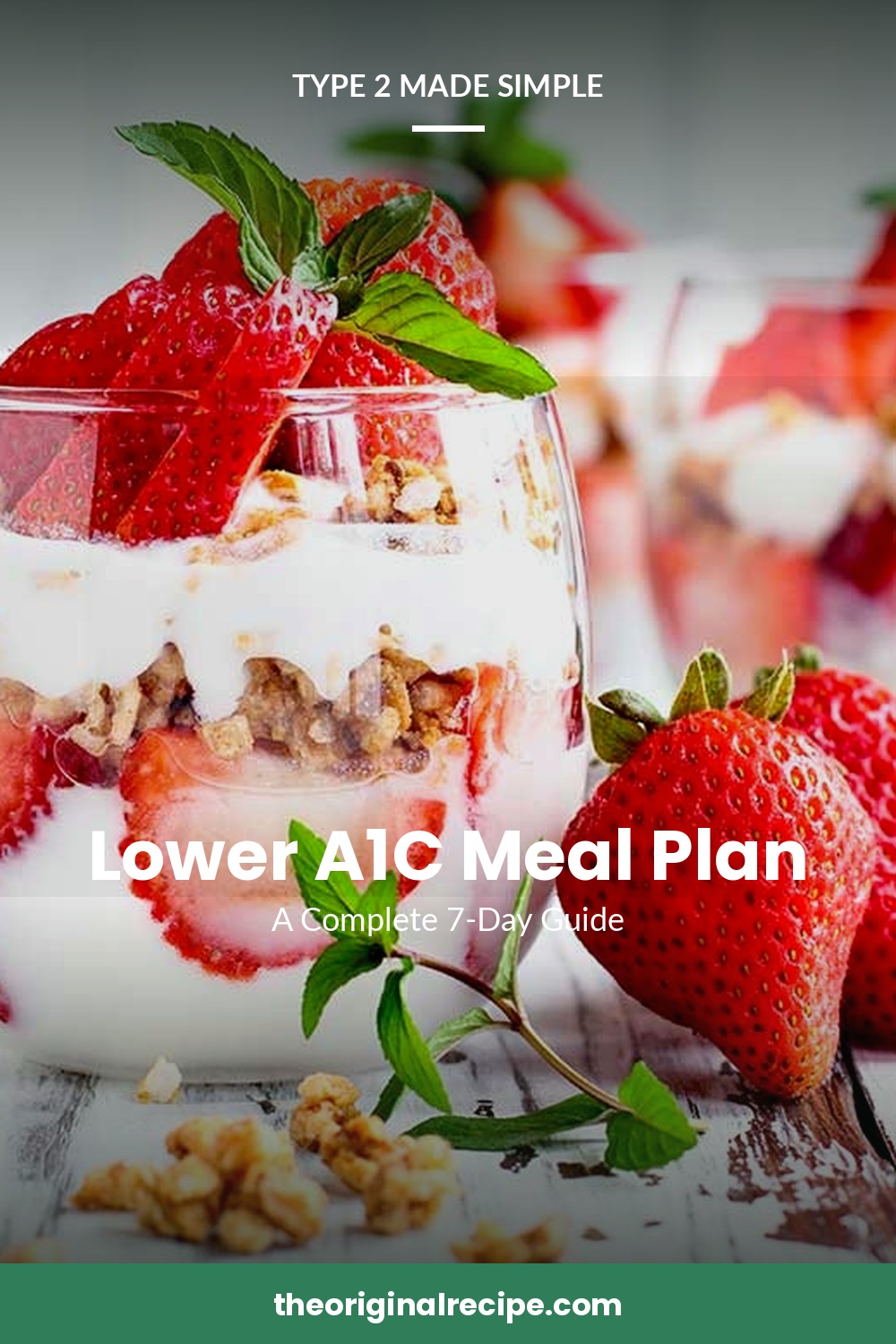
Knowing you need to eat differently to support your A1C is one thing. Actually knowing what to put on the table night after night is a different problem entirely. This is a full 7-day meal plan built around that goal, with rough carb counts so you have a sense of what a balanced day actually looks like.
The Structure Behind This Plan
Every day here follows the plate method: roughly half non-starchy vegetables, a quarter lean protein, and a quarter whole grains or starchy vegetables, spread across three meals and a snack. Carb counts are approximate and meant as a general reference, not a precise prescription. Your own needs may be higher or lower depending on your body size, activity level, and any medications you take.
Your 7-Day A1C-Friendly Meal Plan
Day 1
| Meal | What to Eat | Approx. Carbs |
|---|---|---|
| Breakfast | Veggie egg scramble with a slice of whole-grain toast | 20g |
| Lunch | Grilled chicken salad, olive oil dressing, small apple | 25g |
| Dinner | Baked salmon, roasted broccoli, 1/2 cup quinoa | 30g |
| Snack | Handful of almonds and a few berries | 10g |
Day 2
| Meal | What to Eat | Approx. Carbs |
|---|---|---|
| Breakfast | Greek yogurt with chia seeds and sliced strawberries | 20g |
| Lunch | Turkey and veggie wrap on a whole-wheat tortilla | 30g |
| Dinner | Ground turkey stir-fry with mixed vegetables, small portion brown rice | 35g |
| Snack | Cottage cheese with cucumber slices | 8g |

Day 3
| Meal | What to Eat | Approx. Carbs |
|---|---|---|
| Breakfast | Overnight oats with cinnamon and sliced banana | 35g |
| Lunch | Lentil soup with a side salad | 30g |
| Dinner | Grilled shrimp tacos on corn tortillas with cabbage slaw | 30g |
| Snack | A boiled egg and a few whole-grain crackers | 12g |
Day 4
| Meal | What to Eat | Approx. Carbs |
|---|---|---|
| Breakfast | Cottage cheese with pineapple and a sprinkle of flaxseed | 20g |
| Lunch | Tuna salad over greens with whole-grain crackers | 20g |
| Dinner | Baked cod, roasted cauliflower, small portion whole-wheat pasta | 35g |
| Snack | Baby carrots with hummus | 10g |
Day 5
| Meal | What to Eat | Approx. Carbs |
|---|---|---|
| Breakfast | Smoothie with plain yogurt, spinach, and berries | 25g |
| Lunch | Leftover stir-fry from Day 2 | 35g |
| Dinner | Turkey chili with beans, small side salad | 30g |
| Snack | A small handful of walnuts and a pear | 15g |
Day 6
| Meal | What to Eat | Approx. Carbs |
|---|---|---|
| Breakfast | Whole-grain toast with avocado and a boiled egg | 20g |
| Lunch | Chicken and vegetable soup | 20g |
| Dinner | Grilled pepper steak, small baked sweet potato, side salad | 30g |
| Snack | A small handful of grapes and string cheese | 15g |

Day 7
| Meal | What to Eat | Approx. Carbs |
|---|---|---|
| Breakfast | Veggie omelet with a side of berries | 15g |
| Lunch | Chickpea salad with cucumber, tomato, and feta | 25g |
| Dinner | Roast pork tenderloin, roasted carrots, small baked potato | 30g |
| Snack | Plain yogurt with a few walnuts | 10g |
Grocery List Starter
| Category | Items to Grab |
|---|---|
| Protein | Chicken, salmon, cod, shrimp, ground turkey, eggs, Greek yogurt, cottage cheese, lentils, chickpeas |
| Vegetables | Broccoli, cauliflower, spinach, cabbage, carrots, cucumber, mixed greens, bell peppers |
| Whole grains and starches | Brown rice, quinoa, whole-wheat bread and tortillas, corn tortillas, oats, small potatoes |
| Fruit | Berries, apples, pears, bananas, grapes, pineapple |
| Healthy fats | Olive oil, avocado, walnuts, almonds, hummus |
How to Adjust This Plan for Your Own Carb Target
If your healthcare provider or dietitian has given you a specific daily carb range, use it to scale this plan up or down.
- Need fewer carbs? Cut the grain or starchy vegetable portion in half at dinner, and lean more on non-starchy vegetables to fill the plate.
- Need more carbs? Add a piece of fruit at snack time, or increase the whole grain portion slightly at lunch or dinner.
- Very active most days? You may need more total carbohydrate than this plan provides. Ask your provider or dietitian about adjusting for your activity level.
Batch Prep Tips to Make This Easier
- Cook a big batch of brown rice or quinoa on Sunday to use across several dinners
- Hard-boil a batch of eggs at the start of the week for quick breakfasts and snacks
- Wash and chop vegetables in advance so building a salad takes minutes, not 20
- Double a soup or chili recipe and freeze half for a night you do not feel like cooking
What to Do This Week
- Pick 3 dinners from this plan and build your grocery list around them
- Prep one breakfast option in bulk, like overnight oats or hard-boiled eggs
- Ask your healthcare provider or dietitian what your personal daily carb target should be
- Keep a simple log of how you feel an hour or two after meals to spot patterns
The Bottom Line
A 7-day meal plan does not need to be perfect or permanent. Use this as a flexible starting template, repeat the meals you enjoy, swap out the ones you do not, and adjust the portions based on guidance from your healthcare provider.
Want a simpler way to understand type 2 diabetes or prediabetes? Join Type 2 Made Simple and get the free Type 2 Clarity Kit, a plain-English starter kit to help you understand your numbers, make easier food choices, and feel more prepared for doctor visits.
Frequently Asked Questions
How many carbs should I eat per day to lower A1C?
This depends on your body, activity level, and medications. Many adults do well with carbs spread evenly across meals, but ask your healthcare provider or a registered dietitian for a target specific to you.
Can I repeat meals during the week?
Yes. Repeating a few go-to breakfasts, lunches, or dinners is a normal, practical way to eat well without extra planning time.
Will this exact meal plan lower my A1C?
Diet is one part of managing A1C, alongside activity, sleep, and medication if prescribed. Ask your healthcare provider what results are realistic based on your starting point.
What if I do not like some of these meals?
Swap in similar options that follow the same pattern, protein, non-starchy vegetables, and a modest whole grain or starchy vegetable portion.
Do I need to eat separate meals from the rest of my family?
Usually not. Most of these meals work for the whole household, just adjust portion sizes as needed.
This article is for general education only and is not medical advice. Always talk with your healthcare provider or a registered dietitian before making major changes to your diet, medication, or diabetes care plan.