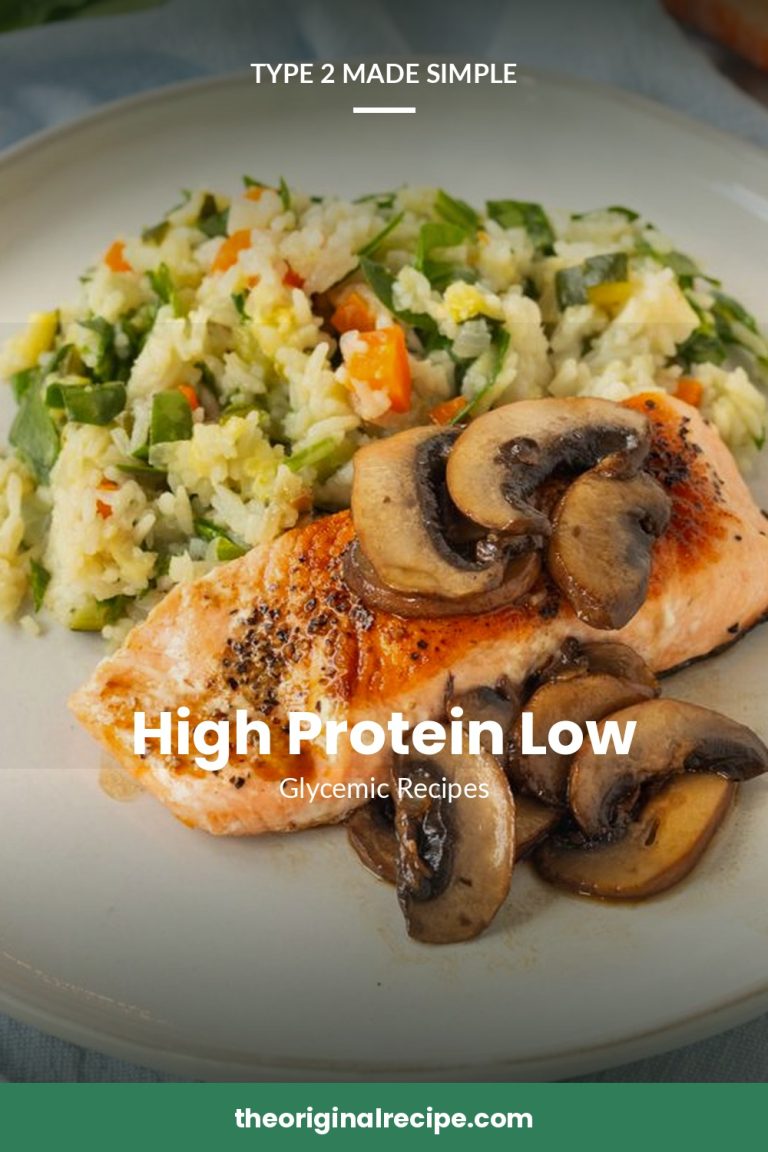
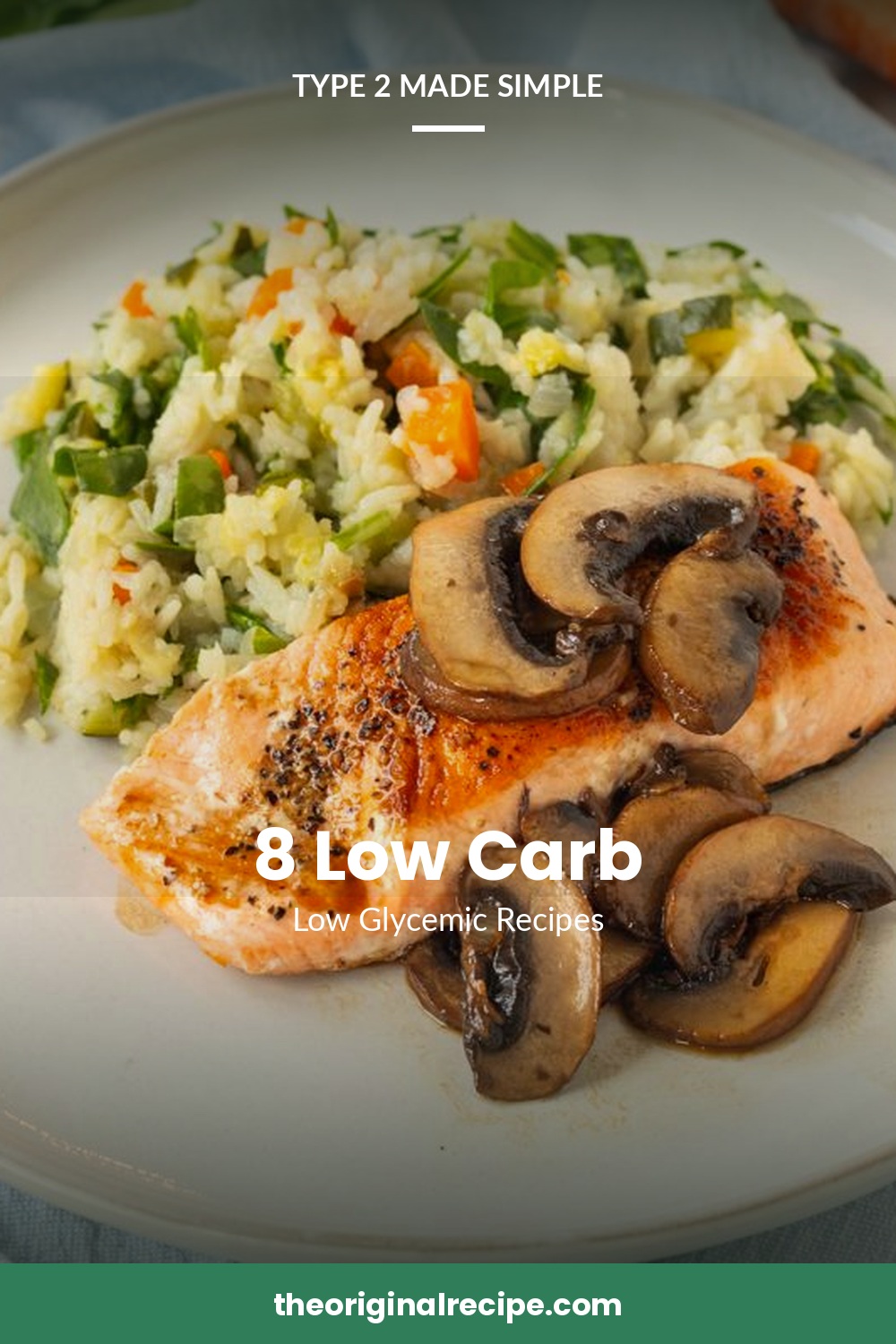
8 Low Carb Low Glycemic Recipes for Genuinely Steady Meals

Low carb and low glycemic overlap a lot, but they are not exactly the same thing. A food can be low in carbohydrate and still spike blood sugar fast if there is not much fiber or protein slowing it down, though this is fairly rare in practice.
These 8 recipes hit both marks, light on carbohydrate overall, and built with enough protein, fiber, or healthy fat to keep the blood sugar response gentle too.
These are general meal ideas. Always follow your healthcare provider’s guidance for your specific needs.
Low Carb and Low Glycemic: What Is the Difference?
Low carb refers to the total amount of carbohydrate in a food or meal. Low glycemic refers to how fast that carbohydrate raises blood sugar. Most of the time, cutting carbohydrate also lowers the glycemic load, simply because there is less sugar available to raise your blood sugar in the first place.
Where the two ideas separate is fiber and protein. A food can be moderate in carbohydrate but still low glycemic if it is high in fiber, like lentils, because the fiber slows digestion down. These recipes lean on both ideas together, keeping carbohydrate low while also choosing whole, less processed ingredients.
Quick Tips for Low Carb, Low Glycemic Eating
- Replace pasta and rice with vegetable-based alternatives, like zucchini noodles, spaghetti squash, or cauliflower rice.
- Choose corn tostadas or lettuce wraps over flour tortillas when you want something lower carb.
- Build meals around protein first, then fill in with non-starchy vegetables.
- Watch sauces and dressings, they can quietly add more carbohydrate than the main dish.
1. Spaghetti Squash Stir-Fry with Chicken

Roasted spaghetti squash strands tossed with chicken and vegetables in a savory stir-fry sauce. It looks and eats like noodles, without an actual noodle in sight.
Why it works: Spaghetti squash carries a fraction of the carbohydrate of wheat noodles, making this a genuinely low carb stand-in for a stir-fry dinner.
2. Eggplant Meatballs with Zucchini Noodles
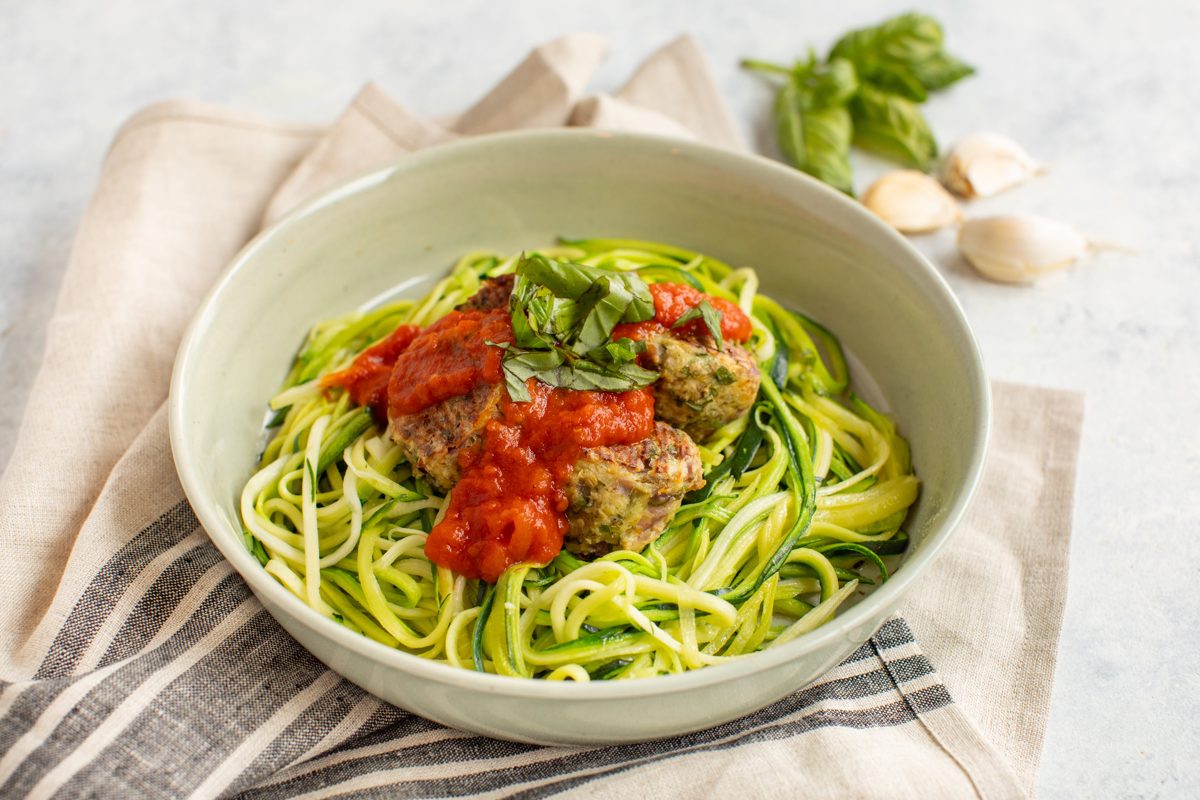
Savory eggplant-based meatballs served over spiralized zucchini noodles with a simple marinara. A comforting Italian-style dinner with a fraction of the usual carbs.
Why it works: Zucchini noodles replace the pasta entirely, and eggplant meatballs bring fiber that a traditional meatball would not.
3. Egg White Bites

Fluffy baked egg white cups with vegetables and a little cheese folded in. Make a batch on Sunday and grab a couple through the week for breakfast or a snack.
Why it works: Almost entirely protein with essentially no carbohydrate, these bites will not spike blood sugar the way a muffin or pastry would.
4. Salmon Cake Salad

Pan-seared salmon cakes served over a bed of greens with a light dressing. The salmon cakes hold together well thanks to a small amount of binder, without needing breadcrumbs to do the work.
Why it works: Salmon brings protein and healthy fat with almost no carbohydrate, and building the meal on greens instead of a bun keeps the whole plate low glycemic.
5. Turkey and Vegetable Stir-Fry
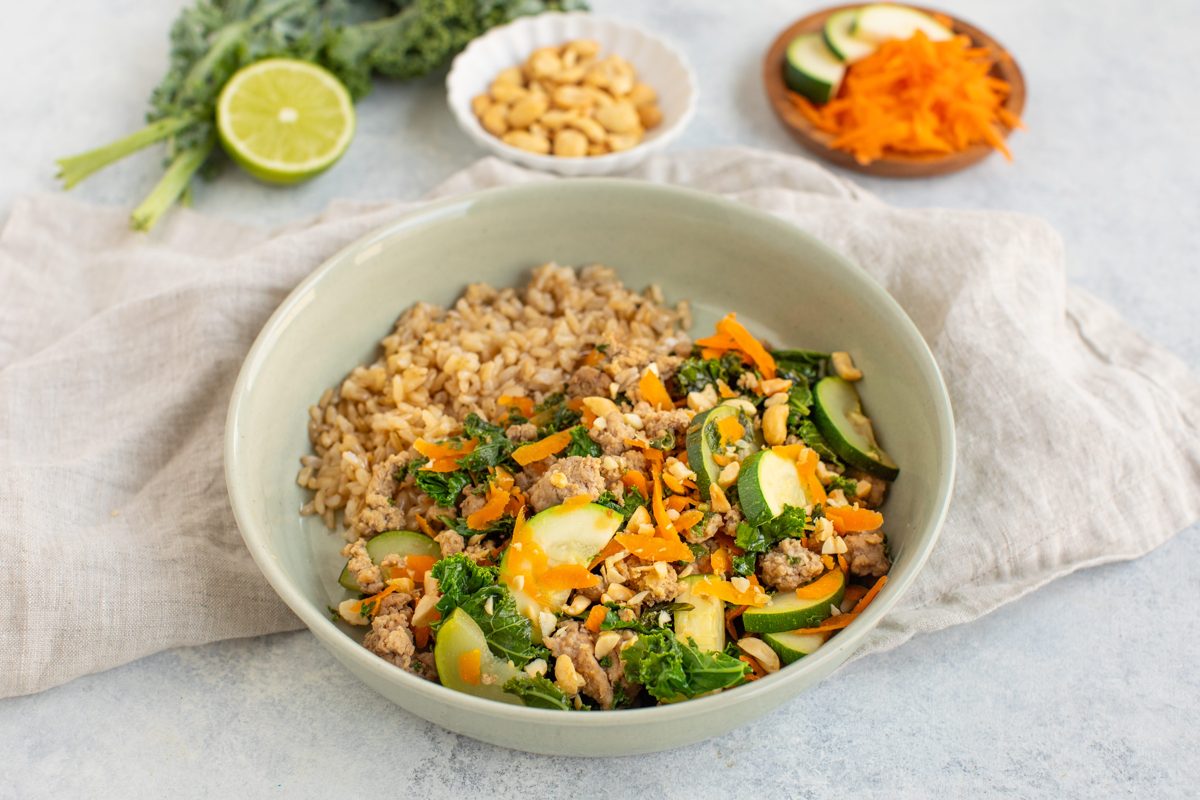
Ground turkey stir-fried with a colorful mix of vegetables in a savory sauce. Ready in about 20 minutes, and endlessly adaptable to whatever vegetables are in the fridge.
Why it works: Lean ground turkey and a vegetable-heavy ratio keep this dish naturally low in carbohydrate, especially served over cauliflower rice instead of white rice.
6. Grilled Pepper Steak Tostada
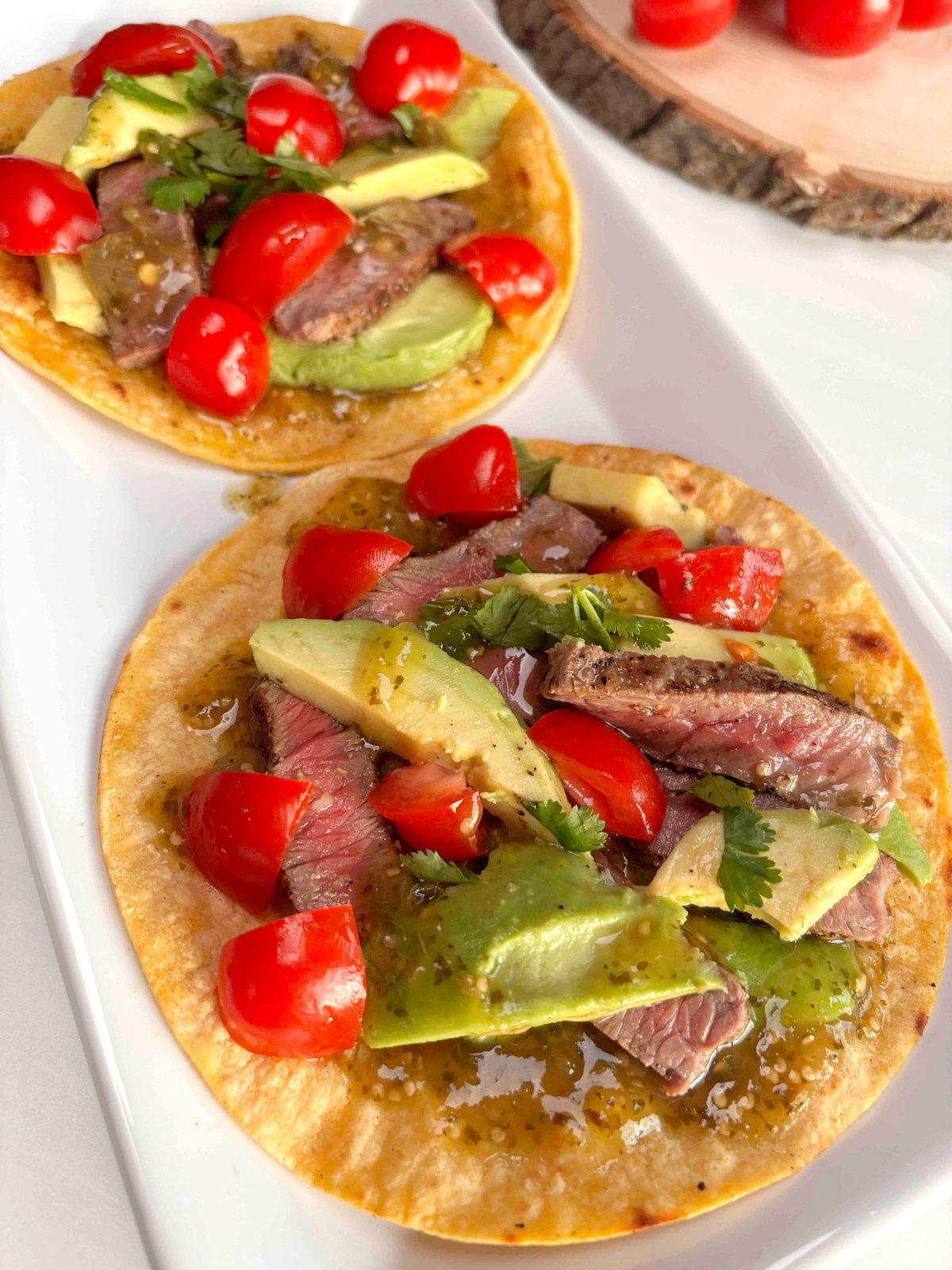
Grilled steak and peppers piled onto a crisp corn tostada with a little cheese and salsa. Bold, smoky flavor in a meal that comes together faster than it looks.
Why it works: A single corn tostada carries far less refined carbohydrate than a flour tortilla or a full plate of rice, keeping the overall meal lower glycemic.
7. Spinach Feta Omelet

A fluffy omelet folded around wilted spinach and salty feta cheese. Ready in under 10 minutes, and works just as well for dinner as it does for breakfast.
Why it works: Eggs carry essentially no carbohydrate, and spinach adds fiber and nutrients without changing that.
8. Pan-Seared Salmon with Mushrooms
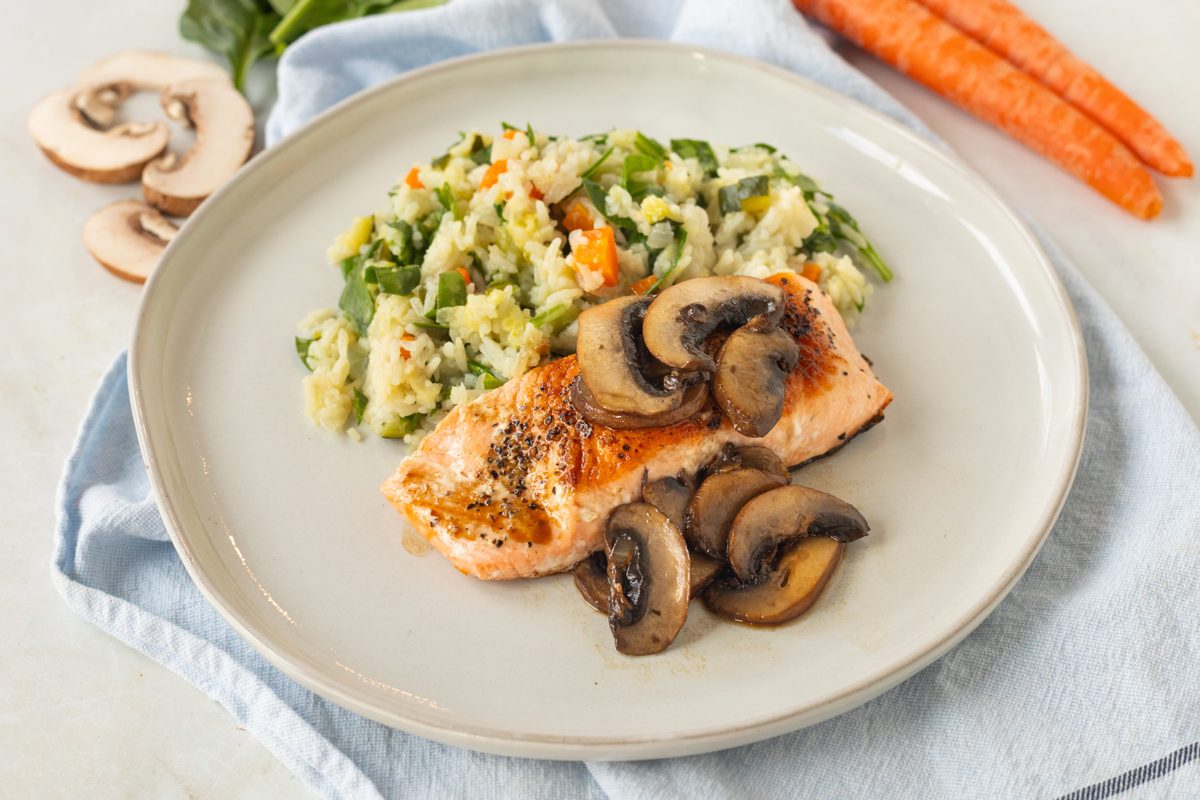
Salmon fillets seared until the skin turns crisp, served alongside sauteed mushrooms. Simple, restaurant-quality flavor with very little hands-on time.
Why it works: Salmon and mushrooms both carry very little carbohydrate, and the healthy fat in the salmon helps keep the whole meal satisfying.
Vegetable Swaps That Actually Work
| Higher Carb Choice | Lower Carb, Lower Glycemic Swap |
|---|---|
| Spaghetti noodles | Spaghetti squash or zucchini noodles |
| White rice | Cauliflower rice |
| Flour tortilla | Corn tostada or lettuce wrap |
| Breaded meatballs | Vegetable-based meatballs, like the eggplant version here |
Do Not Forget the Protein
Cutting carbohydrate without adding enough protein tends to leave a meal unsatisfying, which makes it harder to stick with over time. Every recipe on this list builds in a real protein source, salmon, chicken, turkey, steak, or eggs, so cutting carbs does not mean going hungry an hour later.
Watching Fat Along With Carbs
Cutting carbohydrate sometimes leads people to lean harder on fat to keep meals satisfying, which is not automatically a problem, but it is worth paying attention to the type of fat.
Olive oil, avocado, nuts, and fatty fish like salmon bring healthy fat along with flavor and staying power. A diet heavy in fried foods or processed meats, even if technically low carb, is a different story, and worth limiting for reasons beyond blood sugar alone.
A Note on Restaurant Meals
Eating out on a low carb, low glycemic plan does not have to mean ordering a plain salad every time. Most restaurants can swap a side of rice or fries for extra vegetables, and asking for sauce or dressing on the side gives you control over how much goes on your plate.
The Bottom Line
Low carb and low glycemic eating overlap more often than not, and these 8 recipes show how to lean into both at once. Vegetable-based swaps for pasta, rice, and tortillas, paired with a real protein source, make for meals that are genuinely filling without a heavy carbohydrate load.
Still confused about what to eat with type 2 diabetes or prediabetes? Get the free Type 2 Clarity Kit from Type 2 Made Simple. It helps you understand what your diagnosis means, what to eat first, what numbers to track, and what to ask your doctor next, all in plain English.
Frequently Asked Questions
Is low carb the same as low glycemic?
Not exactly. Low carb refers to the total amount of carbohydrate, while low glycemic refers to how fast that carbohydrate raises blood sugar. The two often overlap but are not identical.
Can I eat too little carbohydrate?
It is possible to go too low for your individual needs, which is part of why it is worth discussing your specific carbohydrate needs with your healthcare provider or a registered dietitian.
Are vegetable noodles a good substitute for pasta?
Yes, zucchini noodles and spaghetti squash both carry a fraction of the carbohydrate of wheat pasta while still giving you that noodle-like texture.
Do I need to count carbs exactly for these recipes to work?
No, these recipes are built to be naturally lower in carbohydrate. Exact counting is a personal choice best discussed with your healthcare provider or dietitian.
Is cauliflower rice a good swap for white rice?
Yes, it carries far less carbohydrate than white rice while still working in most of the same recipes.
Can I still enjoy tortillas on a low carb, low glycemic diet?
In moderation, yes. Corn tostadas or a small whole wheat tortilla are reasonable choices when you want that format occasionally.
Is a low carb diet safe for everyone with type 2 diabetes?
Not necessarily. Individual needs vary, especially for people on certain medications, which is why it is worth talking with your healthcare provider before making a major shift.
What should I order at a restaurant on a low carb, low glycemic plan?
A protein-forward entree with a vegetable side instead of rice, fries, or bread tends to work well, and asking for sauce on the side gives you more control.
This article is for general education only and is not medical advice. Always talk with your healthcare provider or a registered dietitian before making major changes to your diet, medication, or diabetes care plan.