6 Low Glycemic Pumpkin Recipes for Cozy Fall Flavor

Pumpkin has a reputation as a fall indulgence, mostly because pumpkin pie, lattes, and bakery muffins tend to pile on the sugar. Plain pumpkin itself tells a very different story.
These 6 recipes cover breakfast, dinner, dessert, and everything in between, showing how real pumpkin, not the sugary version, can be a genuinely low glycemic ingredient.
These are general meal ideas. Always follow your healthcare provider’s guidance for your specific needs.
Why Pumpkin Deserves a Second Look
Plain pumpkin puree is naturally low in carbohydrate and high in fiber, which makes it one of the better fall ingredients to build a lower glycemic dish around. The problem is rarely the pumpkin itself, it is what gets added to it, sugar, syrup, whipped topping, and refined flour.
These recipes lean on pumpkin’s natural sweetness and use modest amounts of added sugar, whole grains, and protein to build dishes that keep the comforting fall flavor without the typical sugar load of a bakery pumpkin treat.
Quick Tips for Lower Glycemic Pumpkin Recipes
- Use plain canned pumpkin puree, not pumpkin pie filling, which already has added sugar mixed in.
- Pair pumpkin with protein, like Greek yogurt or lean meat, to round out a dish.
- Choose whole wheat pasta or flour over refined white versions when a recipe calls for it.
- Watch portion size with pumpkin desserts, even a lower sugar version is still a treat.
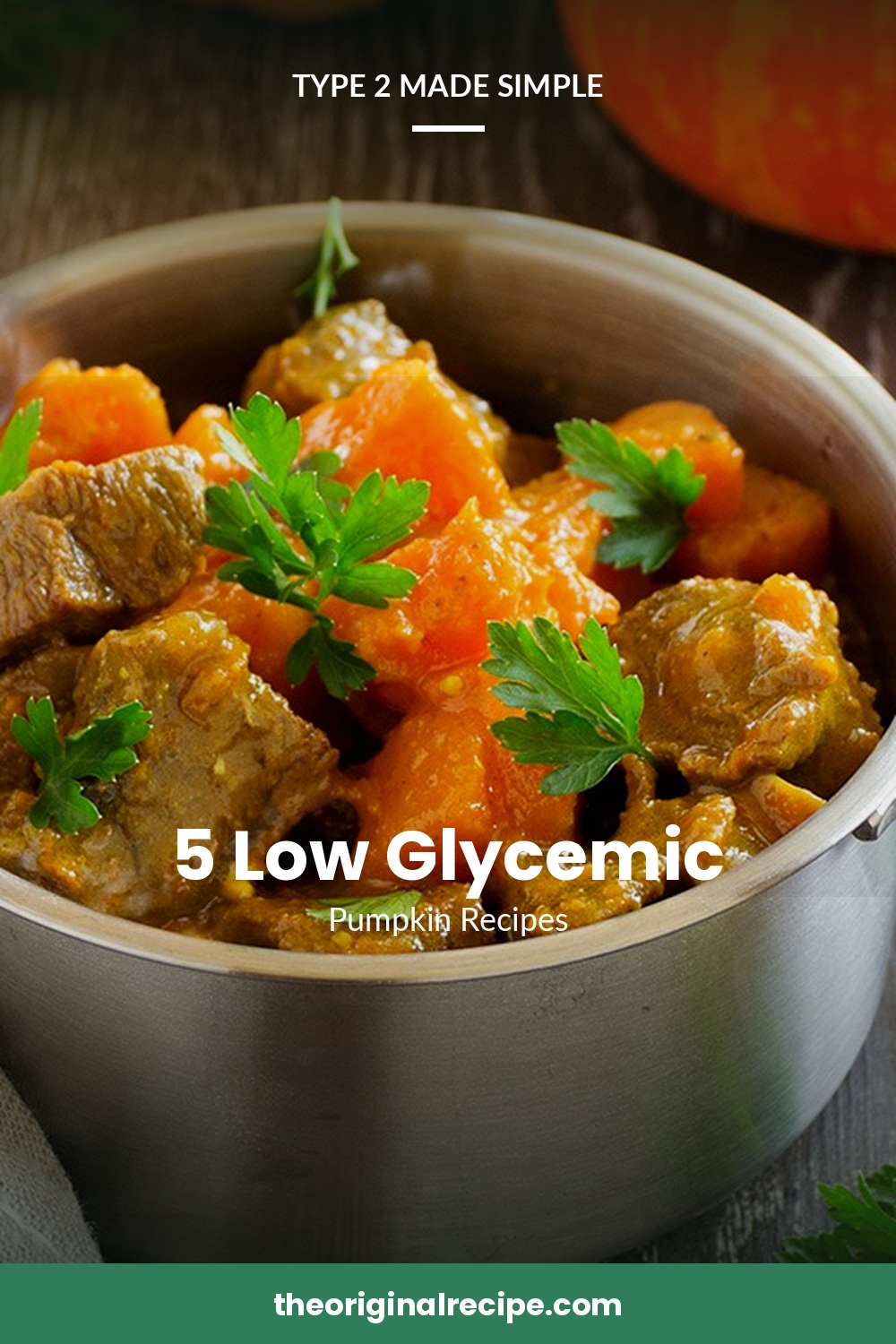
1. Slow Cooker Pork and Pumpkin Stew

Cubed pork simmered low and slow with fresh pumpkin, carrots, and black beans in a warmly spiced broth. A hands-off dinner that fills the kitchen with fall smells all day.
Why it works: Pumpkin brings fiber along with its natural sweetness, and the black beans add plant protein, both of which help keep this stew gentler on blood sugar.
2. Creamy Pumpkin Pasta
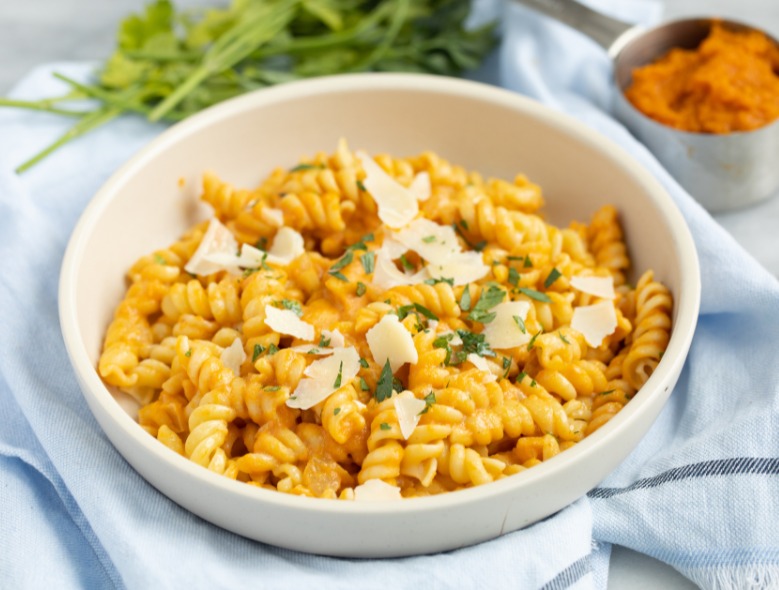
Whole wheat pasta tossed in a creamy pumpkin sauce made with a touch of milk and warm spices instead of heavy cream. Comfort food that comes together in about 30 minutes.
Why it works: Whole wheat pasta and pumpkin both bring fiber to this dish, slowing digestion more than a refined white pasta with a cream-only sauce would.
3. Pumpkin Pudding Parfait with Gingersnaps
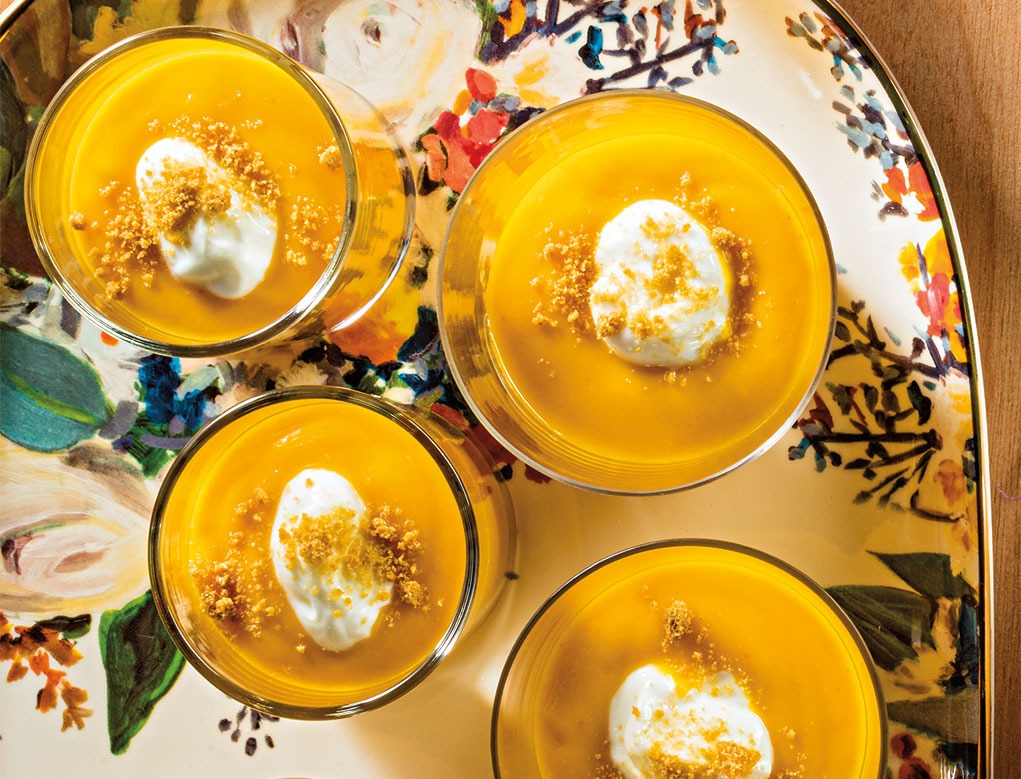
A no-cook pumpkin pudding layered with Greek yogurt and a crumbled gingersnap cookie on top. Ready in about 20 minutes, with no oven required.
Why it works: Using sugar-free pudding mix and Greek yogurt keeps the added sugar low while still delivering that classic pumpkin pie flavor.
4. Pumpkin Banana Muffins
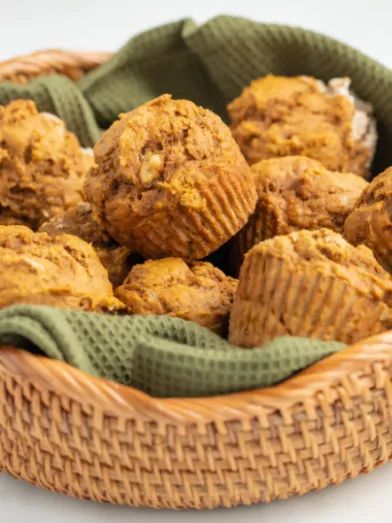
Soft, moist muffins built on pumpkin puree and mashed banana instead of a lot of added sugar. They taste like a fall treat any time of year.
Why it works: Pumpkin and banana both bring fiber to the batter, which helps slow down how fast the natural sugars affect blood sugar.
5. Maple Pumpkin Oatmeal Cookies
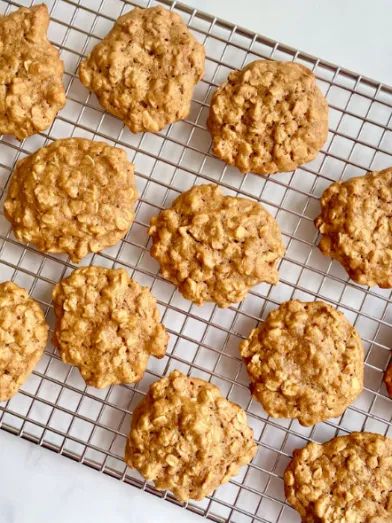
Soft, chewy oatmeal cookies flavored with pumpkin and warm fall spices, sweetened mostly with a touch of maple. They taste like a cozy fall afternoon in cookie form.
Why it works: Oats and pumpkin bring fiber to the party, which slows down how fast the natural sugars in this cookie affect your blood sugar.
6. Pumpkin Ginger Oatmeal
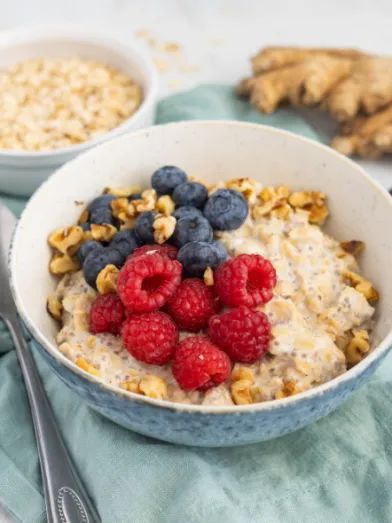
Warm oatmeal stirred with pumpkin puree, fresh ginger, and a touch of cinnamon for a cozy fall breakfast bowl. Ready in about 10 minutes on the stovetop.
Why it works: Oats and pumpkin both bring fiber, which slows down digestion and helps this warmly spiced breakfast sit steadier on blood sugar than a bowl of sweetened cereal.
Reading a Can of Pumpkin
| Product | What It Actually Is |
|---|---|
| Pure pumpkin puree | Just pumpkin, no added sugar or spices |
| Pumpkin pie filling | Pumpkin already mixed with sugar and spices |
| Pumpkin spice syrup or creamer | Mostly sugar, with little to no actual pumpkin |
Checking the label for “100% pure pumpkin” rather than “pumpkin pie filling” is the single easiest way to avoid a big dose of hidden added sugar in a pumpkin recipe.
Pumpkin’s Real Nutritional Strengths
Beyond fiber, pumpkin brings a meaningful amount of vitamin A and potassium to the table, nutrients that are easy to overlook when pumpkin shows up mostly in the form of a sugary latte or pie. Cooking with plain pumpkin puree lets you keep those benefits without the added sugar that usually comes along for the ride.
Pumpkin seeds, often thrown away when carving a pumpkin, are also worth saving. Roasted with a little salt, they make a crunchy, protein-rich snack that pairs nicely with the fall theme running through this whole list.
Why Pumpkin Works So Well in Savory and Sweet Dishes Alike
Part of what makes pumpkin so useful is how well it moves between savory and sweet applications without much fuss. The same can of pure pumpkin puree can go into a savory stew, a creamy pasta sauce, or a sweet muffin batter, which makes it one of the more versatile ingredients to keep stocked in the pantry.
Its mild flavor also means it takes on whatever spices you pair it with easily, warm cinnamon and nutmeg for a dessert, or cumin and chili powder for something more savory, without needing much adjustment to the base ingredient itself.
Stocking Up on Pumpkin
Canned pumpkin puree keeps for a long time in the pantry, which makes it worth stocking up on, especially since it can be harder to find outside of the fall season in some stores. Opened cans keep in the fridge for about a week, or can be frozen in smaller portions for longer storage.
The Bottom Line
Pumpkin itself is a genuinely low glycemic ingredient, it is everything added to it that usually causes trouble. These 6 recipes show how plain pumpkin puree, paired with protein and whole grains, can hold onto that cozy fall flavor without the typical sugar load.
Still confused about what to eat with type 2 diabetes or prediabetes? Get the free Type 2 Clarity Kit from Type 2 Made Simple. It helps you understand what your diagnosis means, what to eat first, what numbers to track, and what to ask your doctor next, all in plain English.
Frequently Asked Questions
Is pumpkin good for blood sugar?
Plain pumpkin puree is naturally low in carbohydrate and high in fiber, making it a reasonably gentle choice on its own. The trouble usually comes from added sugar in pumpkin desserts and drinks.
What is the difference between pumpkin puree and pumpkin pie filling?
Pumpkin puree is just pumpkin, while pie filling already has sugar and spices mixed in, which adds carbohydrate you may not expect.
Can I use fresh pumpkin instead of canned?
Yes, roasted and pureed fresh pumpkin works as a direct substitute for canned puree in most of these recipes.
Are pumpkin spice drinks from coffee shops low glycemic?
Usually not. Most pumpkin spice lattes and similar drinks carry a significant amount of added sugar, often more than the pumpkin content itself.
Is pumpkin a good vegetable to eat if I am watching carbohydrate?
Yes, it is on the lower end for a starchy vegetable, especially compared with white potato, while still bringing fiber and nutrients.
Can I freeze pumpkin recipes for later?
Yes, the stew, muffins, and cookies on this list all freeze reasonably well, making them good options for batch cooking during pumpkin season.
How long does canned pumpkin last once opened?
About a week in the fridge, or it can be frozen in smaller portions for longer storage.
Can pumpkin be used in savory dishes, not just desserts?
Yes, pumpkin works well in soups, stews, and pasta sauces, not just muffins and pie, thanks to its mild flavor and thick texture.
Is butternut squash a good substitute for pumpkin in these recipes?
Yes, butternut squash puree behaves similarly to pumpkin in most of these recipes and carries a similar nutritional profile.
This article is for general education only and is not medical advice. Always talk with your healthcare provider or a registered dietitian before making major changes to your diet, medication, or diabetes care plan.