Low Glycemic Foods List: What to Eat, Plus Easy Recipe Ideas


Somewhere along the way, “low glycemic” turned into one of those phrases that sounds important but never gets explained. Here is the plain-English version, plus a full food list you can actually use.
What the Glycemic Index Actually Measures
The glycemic index, or GI, ranks foods by how fast they raise your blood sugar after eating, on a scale of 0 to 100. Pure sugar sits near the top. Most non-starchy vegetables sit near the bottom.
A low glycemic food is generally one with a GI of 55 or below. These foods tend to release their sugar into your blood slowly and steadily, instead of all at once.
There is a related number, called glycemic load, which factors in portion size too. A food can have a high GI but a low glycemic load if you only eat a small amount of it, watermelon is a common example of this.
Why This Matters Beyond Just Diabetes
Steadier blood sugar is linked to steadier energy, fewer cravings, and less of that crash-and-hunger cycle a lot of people feel an hour or two after a carb-heavy meal.
The Full Low Glycemic Food List
Vegetables (Mostly Very Low GI)
| Food | Approximate GI |
|---|---|
| Broccoli, spinach, peppers | Under 15 |
| Carrots (raw) | 16 |
| Sweet potato (boiled) | 44 |
Fruits
| Food | Approximate GI |
|---|---|
| Cherries | 20 |
| Apples, pears | 36 to 38 |
| Watermelon | 76, but low glycemic load per typical serving |
Grains and Starches
| Food | Approximate GI |
|---|---|
| Barley | 28 |
| Steel cut oats | 42 |
| Quinoa | 53 |
| Instant white rice | 87 |
Legumes
| Food | Approximate GI |
|---|---|
| Lentils | 32 |
| Chickpeas | 28 |
| Kidney beans | 24 |
Protein and Fat (GI Not Applicable, But Matters)
Meat, fish, eggs, and healthy fats do not carry much carbohydrate, so they do not have a meaningful GI number. That said, they play a big role in lowering the overall glycemic impact of a meal when paired with carbs.

Foods That Sit Higher on the Scale
| Food | Approximate GI |
|---|---|
| White bread | 75 |
| Rice cakes | 82 |
| Instant mashed potatoes | 87 |
| Most sugary cereals | 70 to 80 |
These foods are not automatically off the table forever. They are simply worth eating in smaller portions, paired with protein or fiber, or saved for special occasions.
What Actually Lowers a Food’s Glycemic Impact
- Fiber. Whole grains and legumes keep their fiber, which slows digestion.
- Fat and protein. Pairing carbs with either one softens the overall blood sugar response.
- Acidity. A splash of vinegar or lemon juice can modestly lower a meal’s glycemic impact.
- Cooking and cooling. Cooked-then-cooled starches, like pasta salad, can have a slightly lower GI than the same food served hot.
A Few Bonus Low Glycemic Recipe Ideas
Knowing the list is one thing. Here are two easy recipes that put it into practice.
Beans and Greens Salad
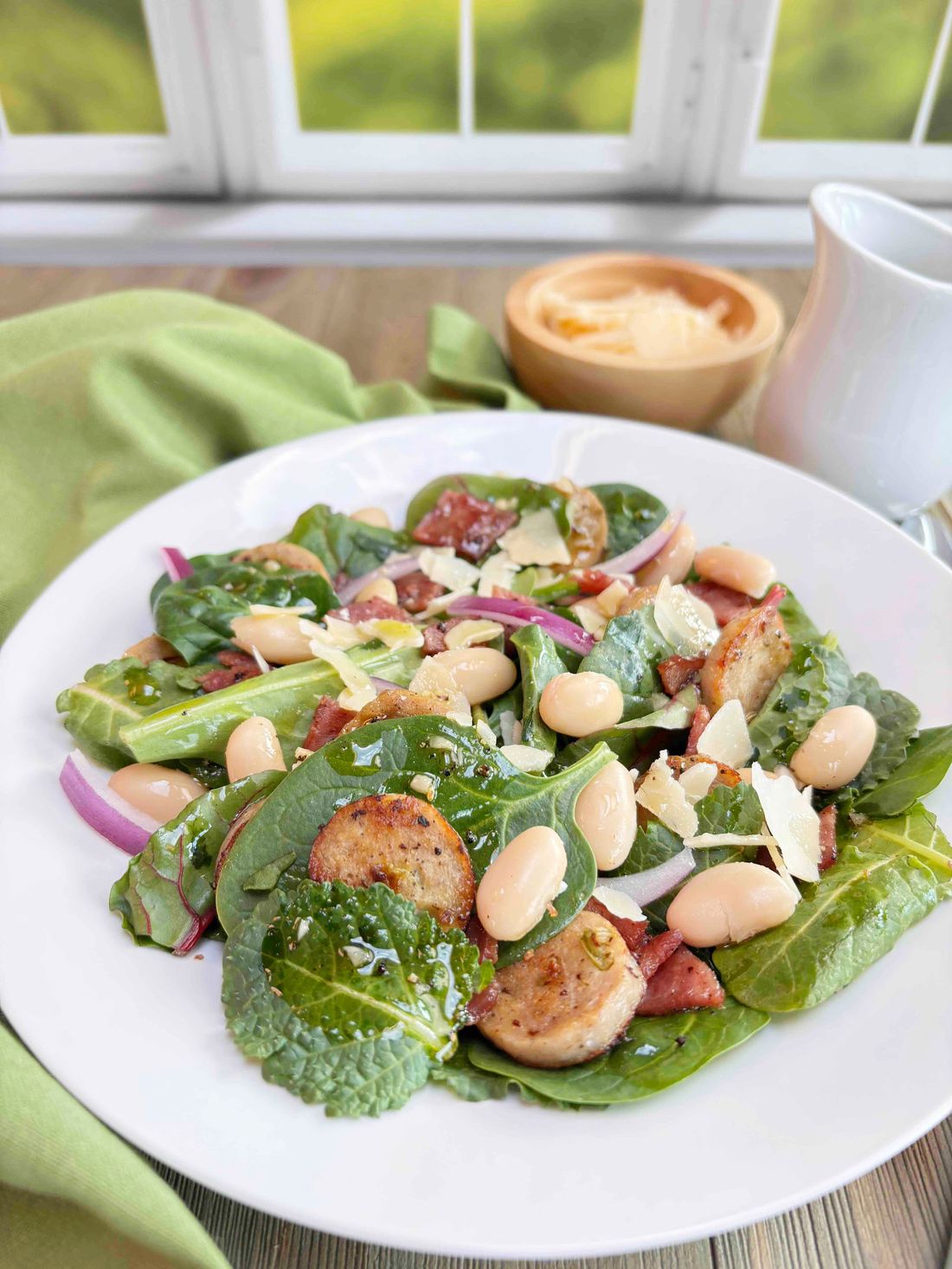
A hearty salad built on white beans, leafy greens, and a lemony olive oil dressing. Filling enough to be the main event, and low glycemic thanks to the beans’ fiber and protein.
Why it works: Beans sit low on the glycemic index and bring plant protein, a combination that helps keep blood sugar steady.
Salmon Cake Salad
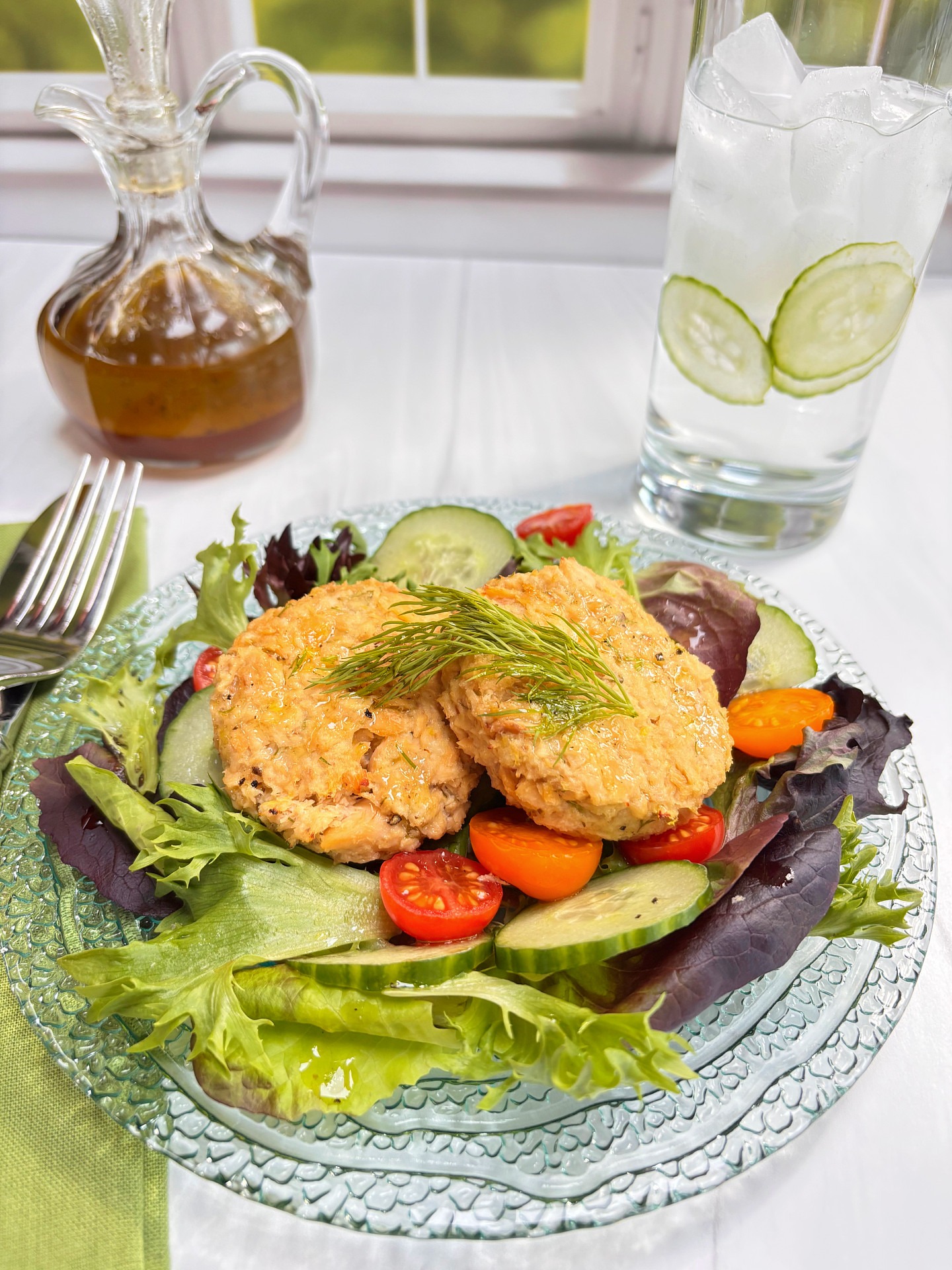
Crispy baked salmon cakes served over a bed of greens with a light vinaigrette. A restaurant-style dish that skips the bun and the refined carbs that usually come with it.
Why it works: Salmon’s healthy fat and protein slow digestion, and serving it over greens instead of bread keeps the glycemic load of the meal low.
Common Mistakes People Make With the Glycemic Index
Judging a food only by its GI number, ignoring portion size. Watermelon is the classic example. Its GI looks high on paper, but a normal serving does not contain much carbohydrate, so its real-world glycemic load is modest.
Assuming “low carb” and “low glycemic” always mean the same thing. They overlap a lot, but not perfectly. A food can be moderate in total carbs yet still low glycemic, if enough fiber is present to slow things down.
Avoiding fruit entirely. Most whole fruit sits in the low to moderate range, and the fiber, vitamins, and antioxidants it brings are worth keeping in your diet.
Forgetting that meal composition matters more than any single ingredient. A high glycemic food eaten alongside protein, fat, and fiber behaves very differently than the same food eaten by itself.
How to Use This List at the Grocery Store
You do not need to bring a calculator to the store. A simpler approach works almost as well.
- Reach for whole, minimally processed versions of grains, like steel cut oats instead of instant oatmeal.
- Choose whole fruit over fruit juice, since juice loses the fiber that slows sugar absorption.
- Pick legumes often. They are some of the most reliably low glycemic foods available, and they are inexpensive too.
- Read ingredient labels on packaged bread and crackers. “Whole grain” listed first is a good sign, refined “wheat flour” alone is not.
Building a Low Glycemic Plate
- Half your plate: non-starchy vegetables
- A quarter of your plate: lean protein
- A quarter of your plate: a lower glycemic carb, like quinoa, lentils, or a small sweet potato
What to Do This Week
- Print or save this food list for grocery trips.
- Swap one higher glycemic food for a lower glycemic option from the list.
- Try pairing a higher glycemic food with protein or fat instead of eating it alone.
- Make one of the bonus recipes above this week.
The Bottom Line
The glycemic index is simply a tool for understanding how different foods affect your blood sugar. You do not need to memorize every number. Lean on vegetables, legumes, whole grains, and protein most of the time, and the rest tends to fall into place.
Want a simpler way to understand type 2 diabetes or prediabetes? Join Type 2 Made Simple and get the free Type 2 Clarity Kit, a plain-English starter kit to help you understand your numbers, make easier food choices, and feel more prepared for doctor visits.
Frequently Asked Questions
What is considered a low glycemic food?
Generally, a food with a glycemic index of 55 or below is considered low glycemic.
Is glycemic index the same as glycemic load?
No. Glycemic index measures how fast a food raises blood sugar, while glycemic load also factors in portion size.
Do proteins and fats have a glycemic index?
Not meaningfully, since they carry little to no carbohydrate, but they do affect the glycemic impact of a full meal.
Can cooking method change a food’s glycemic index?
Yes. Cooking and then cooling starchy foods can slightly lower their glycemic impact compared with eating them hot.
Is watermelon really okay on a low glycemic diet?
In a normal portion, yes. It has a high glycemic index but a low glycemic load, since a typical serving does not contain that much carbohydrate.
Do I need to track glycemic index numbers for every meal?
No. Building meals around vegetables, protein, and whole grains covers most of what matters without needing to look up every number.
Is low glycemic the same as low carb?
They overlap but are not identical. Low glycemic is about how fast a food’s carbs are digested, while low carb is about the total amount eaten.
Should I avoid fruit on a low glycemic diet?
No. Most whole fruit sits in the low to moderate glycemic range and brings fiber, vitamins, and antioxidants worth keeping in your diet.
This article is for general education only and is not medical advice. Always talk with your healthcare provider or a registered dietitian before making major changes to your diet, medication, or diabetes care plan.